The United States and Iran resumed military exchanges on July 28-29, 2026, after Iran launched ballistic missiles toward US forces in the Middle East. US Central Command confirmed successful intercepts with no reported casualties or damage. The developments mark a sharp escalation following earlier periods of reduced hostilities.
Introduction
Washington and the Middle East — On July 29, 2026, US officials reported that Iran fired multiple ballistic missiles at American positions overnight. Every projectile was intercepted according to Central Command statements. Jordan’s military simultaneously downed five Iranian missiles, while the United States and Saudi Arabia conducted strikes against Iran-linked militias in Iraq.
Key Developments
US Central Command announced that Iranian forces launched a barrage of missiles targeting American troops. Defense systems neutralized the incoming threats without losses. Officials described the action as a clear violation of prior understandings aimed at de-escalation.
Jordan’s armed forces confirmed intercepting five missiles originating from Iran within hours of the US report. The Jordanian military emphasized its defensive posture and coordination with regional partners. Parallel operations saw US and Saudi forces strike positions held by Iran-backed groups inside Iraq.
In Washington, separate political developments continued. Former National Institute of Allergy and Infectious Diseases Director Anthony Fauci prepared to face Senate questions regarding the COVID-19 pandemic response. The hearing is scheduled amid ongoing partisan debates over pandemic origins and federal decision-making.
Domestic news also included rising bankruptcy filings across the United States. Data showed a significant increase in personal bankruptcies between 2022 and 2025, though rates remain below pre-pandemic peaks. Additional stories covered a Republican primary win for South Dakota Governor Larry Rhoden and dual executions carried out in Florida.
Impact
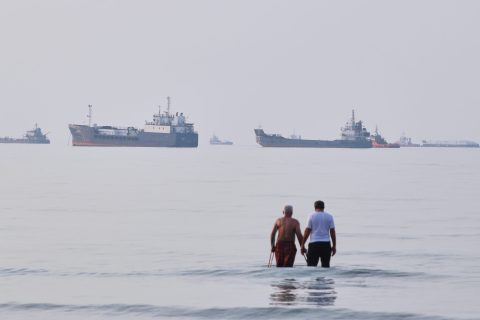
The renewed exchanges heighten risks to commercial shipping and energy markets dependent on the Strait of Hormuz. Oil prices often react quickly to instability in the region, affecting global fuel costs and inflation pressures in the United States. American service members stationed in the Middle East face elevated operational demands.
Regional allies such as Jordan and Saudi Arabia have increased defensive readiness. The involvement of multiple countries raises the possibility of broader coordination or further retaliatory cycles. In the United States, the developments compete for attention with midterm election preparations and economic indicators including consumer debt trends.
The Fauci Senate appearance is expected to generate intense media coverage and political messaging from both parties. Public focus on pandemic accountability continues to shape voter discussions ahead of November elections.
What Happens Next
Military and diplomatic channels remain active as both sides assess responses. US officials have indicated a willingness to impose further costs for attacks on American personnel while leaving room for de-escalation talks. Intelligence monitoring of Iranian capabilities and militia movements will intensify.
Congress is likely to demand briefings on the intercepts and any potential need for additional authorizations. The administration faces questions about long-term strategy in the region and the sustainability of current force postures.
On the domestic front, the Fauci hearing will proceed as scheduled. Lawmakers from both parties plan detailed questioning on public health decisions made years earlier. Economic agencies continue tracking bankruptcy data for signs of broader household financial stress.
Further updates from Central Command and regional partners are expected throughout the day as the situation develops.
FAQ
Iran launched ballistic missiles toward US forces on July 28-29, 2026. US Central Command reported successful intercepts of the entire barrage.
No casualties or damage were reported from the intercepted missiles according to official statements.
Jordan intercepted five Iranian missiles. The United States and Saudi Arabia conducted strikes on Iran-linked militia positions in Iraq.
Anthony Fauci is set to testify before a Senate committee on COVID-19 matters, while bankruptcy rates and state-level political races also drew attention.
Heightened tensions near key shipping routes often influence oil prices and energy security considerations for the United States and its partners.