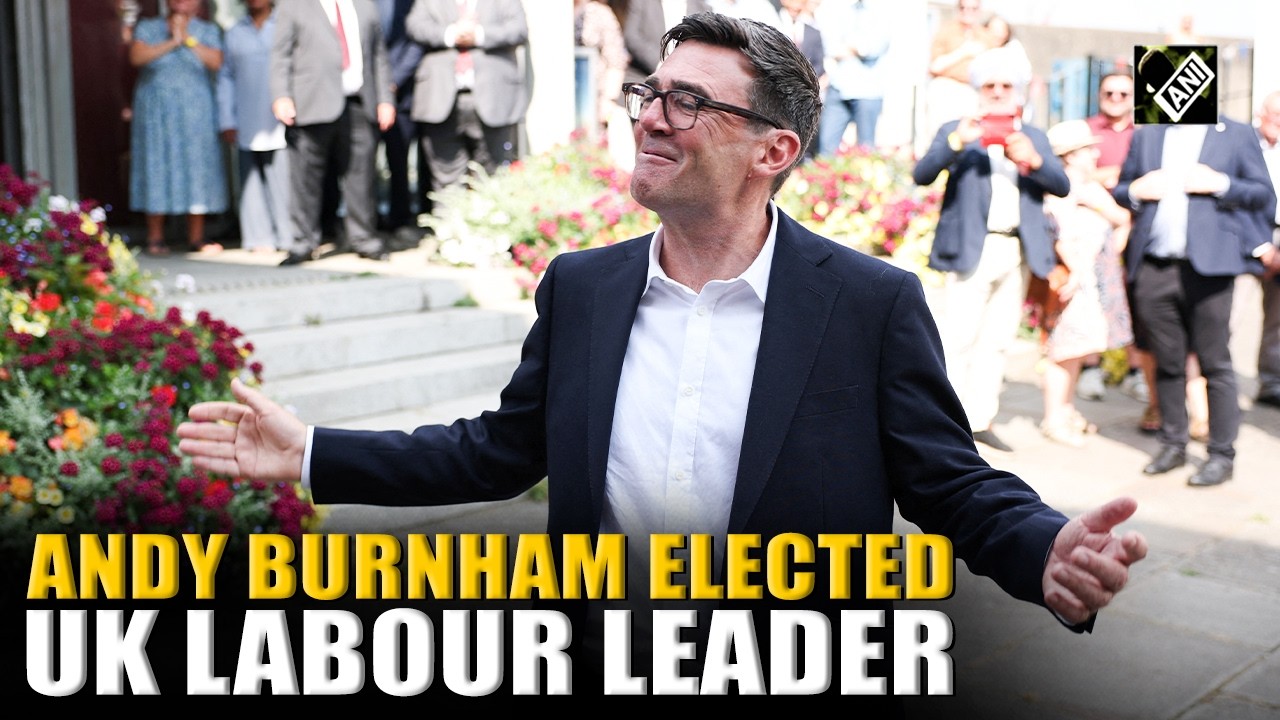
London, United Kingdom — Andy Burnham secured victory as the new leader of the UK Labour Party on July 18, 2026. The Manchester mayor’s election positions him to become Britain’s next prime minister. The result reflects voter desire for change following years of political turbulence in the United Kingdom.
Introduction
Manchester and London — In a decisive vote on July 18, 2026, Andy Burnham won the Labour Party leadership contest. The 56-year-old former cabinet minister and current Mayor of Greater Manchester defeated rivals with a strong mandate from party members. His victory marks another leadership transition in a decade that has seen multiple UK prime ministers.
Key Developments
Burnham campaigned on themes of regional empowerment, economic fairness, and pragmatic governance. He emphasized rebuilding trust in politics after successive scandals and policy failures. Party officials confirmed the results shortly after polls closed, triggering immediate reactions from across the political spectrum.
Prime Minister Keir Starmer congratulated Burnham while opposition figures questioned the implications for the next general election. Burnham’s team highlighted his record in Manchester, where he managed major infrastructure projects and responded to public health challenges. The leadership race drew record participation from Labour members across England, Scotland, and Wales.
Impact
The election outcome could reshape UK politics heading into future elections. Burnham’s focus on northern England may shift national priorities away from London-centric policies. European partners are watching closely as the United Kingdom navigates its post-Brexit relationship with the European Union.
Domestic markets reacted with cautious optimism to the news. Business leaders noted Burnham’s experience in economic development while trade unions welcomed his labor-friendly platform. Critics from conservative circles warned of potential policy shifts on taxation and public spending.
The leadership change occurs against a backdrop of economic pressures across Europe. Inflation concerns, energy costs, and migration issues continue to challenge governments from Paris to Berlin. Burnham’s rise adds another variable to the continent’s evolving political landscape.
What Happens Next
Burnham will formally assume party leadership in the coming weeks and prepare for potential national elections. He must unify the Labour Party while addressing key voter concerns on cost of living and public services. Negotiations with European Union officials on trade and security cooperation are expected to intensify.
Parliament will monitor the transition as lawmakers debate upcoming legislation. Greater Manchester will select a new mayor following Burnham’s departure from that role. Political analysts predict Burnham will quickly establish his national profile through policy announcements and media engagements.
The development comes as other European nations face their own leadership questions. France, Germany, and Italy continue internal debates on economic strategy and EU integration. The United Kingdom’s political evolution may influence broader continental discussions on cooperation and reform.
FAQ
Andy Burnham is the Mayor of Greater Manchester and a longtime Labour politician who previously served in several UK cabinet positions.
Burnham secured victory on July 18, 2026, in the party’s internal election.
Burnham focuses on regional development, economic fairness, public services, and rebuilding trust in British politics.
The win positions Burnham as a leading opposition figure and potential next prime minister ahead of future general elections.
Burnham’s election occurs amid ongoing political shifts across the European Union on issues ranging from economy to security cooperation.