Another Day of Smoky Air, Nasty Smells and Lingering Questions in Parts of Los Angeles
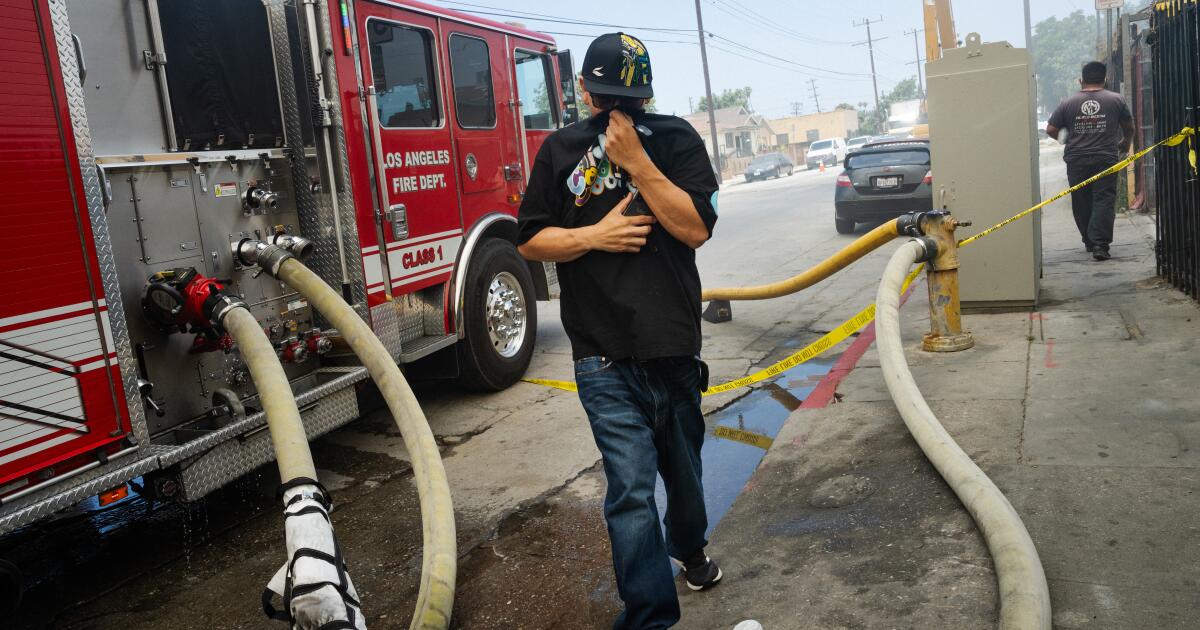
Los Angeles — Residents across parts of Los Angeles woke up to another day of hazy skies, drifting smoke, and unpleasant chemical-like odors Sunday as firefighters continued battling a stubborn warehouse blaze in Boyle Heights that has now burned for five days.
The ongoing fire at a large cold-storage facility has triggered widespread air quality concerns, prompted emergency declarations from city and state leaders, and left many Angelenos with questions about safety and long-term health effects.
What Happened?
The fire erupted June 17 at a roughly 500,000-square-foot Lineage Logistics cold-storage warehouse in Boyle Heights that stores approximately 85 million pounds of frozen food. The blaze quickly spread to the building’s rooftop solar panels and was complicated by an ammonia leak that initially prompted shelter-in-place orders in nearby areas.
Firefighters have faced challenging conditions, including poor visibility, risks of structural collapse, and energized solar panels. Crews have largely shifted to defensive tactics, using heavy water flows to cool hotspots and prevent further spread while contending with repeated flare-ups.
As of Sunday, the Los Angeles Fire Department reported making progress but described the fire as stubborn, with smoke continuing to affect air quality well beyond the immediate neighborhood.
Key Facts and Details
- Location and Scale: Large commercial cold-storage warehouse in Boyle Heights operated by Lineage Logistics.
- Duration: Burning since June 17; entered its fifth day on June 21.
- Complications: Rooftop solar panels, ammonia release, difficult access and visibility for crews.
- Official Response: Mayor Karen Bass declared a local emergency. Gov. Gavin Newsom issued a countywide state of emergency and directed distribution of millions of N95 masks.
- Air Quality Impact: Smoke advisories and “very unhealthy” air quality alerts issued for large portions of Los Angeles County. Affected areas have included the San Fernando Valley, Hollywood Hills, downtown Los Angeles, and parts of the Inland Empire depending on wind patterns.
- Odors: Residents describe smells resembling burnt plastic, chemicals, and soot. Many reported the odor persisting indoors.
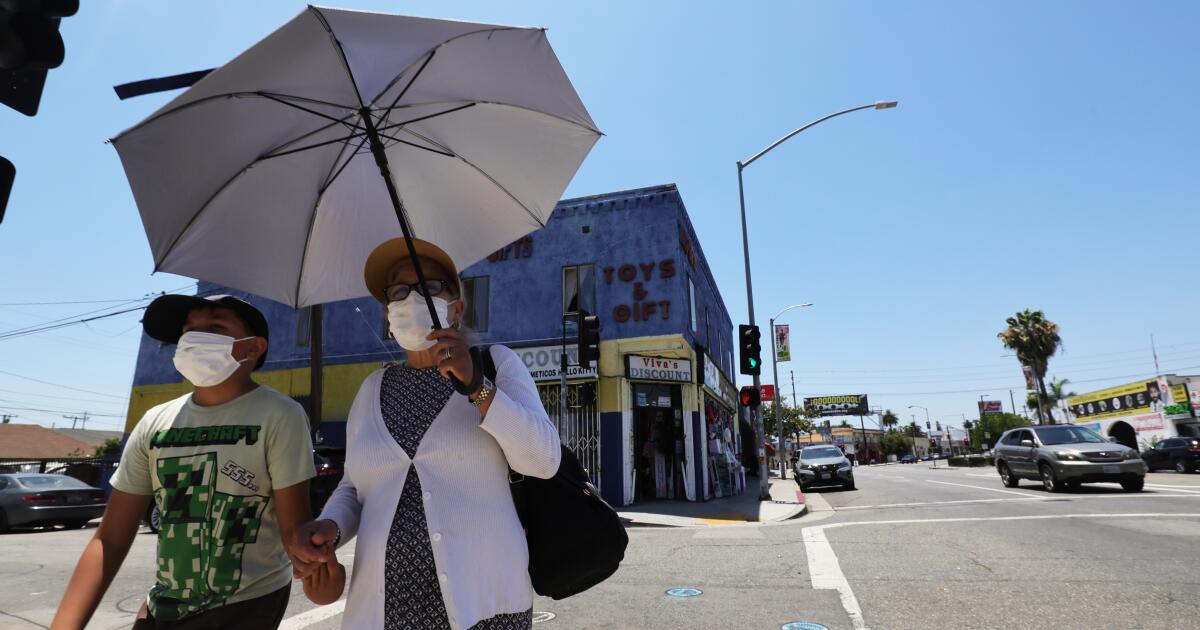
- Health Guidance: Los Angeles County health officials warn that fine particulate matter can irritate eyes, nose, throat, and lungs and worsen existing heart and lung conditions. Sensitive groups are urged to limit outdoor exposure and wear well-fitting N95 or P100 masks.
Why This Matters
Persistent smoke from industrial fires can travel far and linger, affecting air quality for hundreds of thousands of people even when the fire itself is contained to one site. In a dense urban area like Los Angeles, where many residents already deal with baseline pollution, additional smoke events raise immediate health risks and fuel public anxiety about what exactly is in the air.
The combination of burning building materials, plastics, food products, and potential chemicals from refrigeration systems creates a complex mix that is difficult for residents to assess on their own. Questions about transparency, real-time air monitoring, and when normal outdoor activity can safely resume remain top of mind for many.
Public Reaction
Across social media and local reporting, Angelenos described waking up to smoky air and strong odors in neighborhoods far from Boyle Heights, including the San Fernando Valley, Silver Lake, Echo Park, and Hollywood. Some reported dry mouths, difficulty breathing, and nausea. Parents expressed particular concern for children and elderly family members.
Many voiced frustration over the duration of the incident and uncertainty about what substances are being released. Officials have emphasized that the primary public health concern remains fine particles and irritants rather than acute toxic exposure for most people, but that message has not fully eased community worries.
What Happens Next?
Firefighters will continue defensive operations to fully extinguish remaining hotspots. Air quality will be closely monitored by the South Coast Air Quality Management District, with advisories expected to remain in place as long as significant smoke is generated.
Los Angeles County Public Health continues to recommend that residents — especially those with respiratory or cardiac conditions — stay indoors when possible, use air purifiers if available, and wear high-quality masks outdoors. Officials are distributing N95 masks and urging people to sign up for emergency alerts.
Investigations into the cause of the fire and any potential environmental or safety lapses at the facility are likely to follow once the blaze is fully contained. For now, the focus remains on protecting public health and bringing the fire under complete control.
Conclusion
The Boyle Heights warehouse fire has delivered multiple days of smoky skies, chemical-like odors, and uncertainty to large swaths of Los Angeles. While officials report steady progress and no serious injuries so far, the incident underscores how a single large industrial fire can disrupt daily life and raise legitimate health questions across a major metropolitan area. Residents are advised to follow official guidance on masks and outdoor activity until air quality improves.
FAQs
What is causing the smoky air and bad smells in Los Angeles?
Smoke and odors are coming from a large cold-storage warehouse fire in Boyle Heights that has been burning since June 17. The fire has involved building materials, rooftop solar panels, and refrigeration systems.
Is the air safe to breathe?
Air quality has reached “very unhealthy” levels in parts of the region. Officials recommend limiting outdoor time, especially for sensitive groups, and wearing N95 or better masks when outside. Fine particles in the smoke can irritate lungs and worsen heart and lung conditions.
What should residents do to protect themselves?
Stay indoors when possible, close windows, use air purifiers, and wear well-fitting N95 or P100 masks if you must go outside. People with respiratory issues, children, and the elderly should take extra precautions.
How long will the smoke and smells last?
It depends on firefighting progress and wind patterns. Advisories remain in effect while significant smoke is being produced. Conditions can change daily with weather.
Has anyone been injured?
No serious injuries have been reported from the fire or related smoke exposure as of the latest updates.
Source: RealNewsHub.com
Editorial Team
RealNewsHub.com