Venezuela crisis 2026 erupts as US military strikes Caracas, Nicolas Maduro capture, regime change Venezuela, Trump Venezuela intervention, and congressional briefing controversy dominate headlines, with Democratic lawmakers claiming they were repeatedly misled about the administration’s intentions in the South American nation.
In a stunning overnight operation on January 3, 2026, U.S. forces launched large-scale strikes on Venezuelan targets and captured longtime President Nicolás Maduro, flying him and his wife out of the country. President Donald Trump announced the action, stating the U.S. would temporarily “run” Venezuela while promising billions in investments for American oil companies.

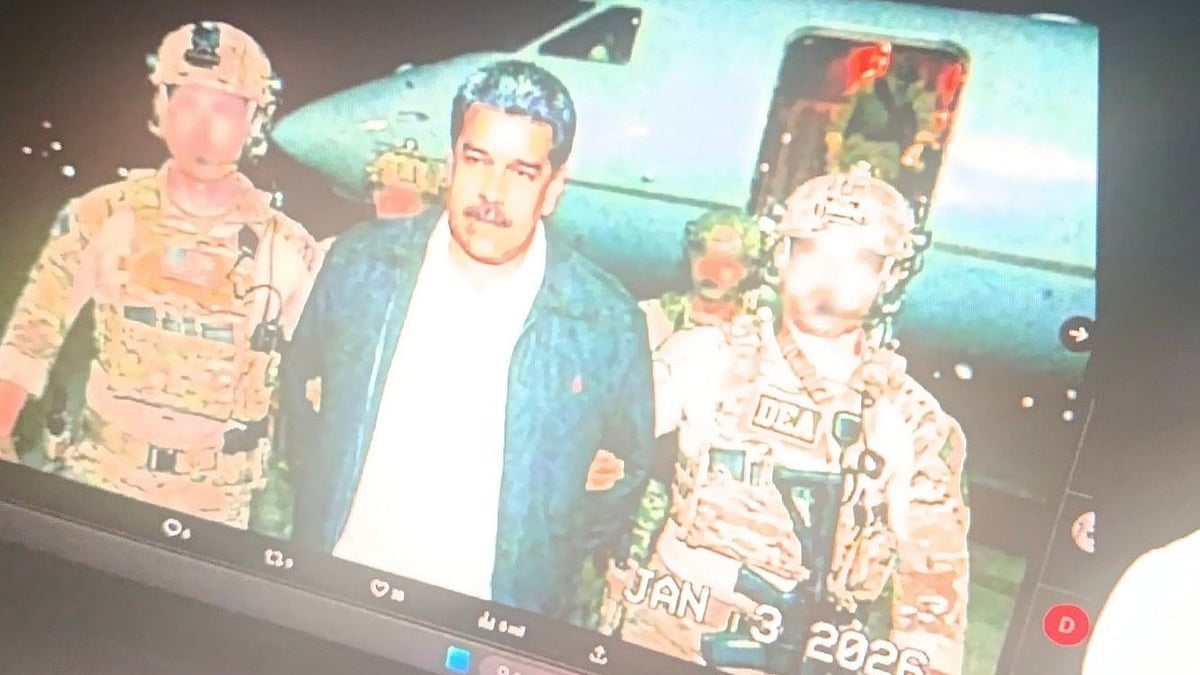
The operation, described by the White House as executing a valid Justice Department warrant tied to drug trafficking charges against Maduro, marks the most direct U.S. intervention in Latin America since the 1989 Panama invasion. Explosions rocked Caracas, with smoke visible near military sites, though details on casualties remain unclear.
Democratic lawmakers reacted with fury, accusing the Trump administration of deception. Rep. Seth Moulton (D-Mass.) told CNN that in recent briefings, officials including Secretary of State Marco Rubio and Defense Secretary Pete Hegseth repeatedly denied plans for invasion, ground troops, or regime change. “We’ve just been completely lied to,” Moulton said.
Sen. Jeanne Shaheen (D-N.H.), top Democrat on the Senate Foreign Relations Committee, issued a scathing statement: The administration “consistently misled the American people and their elected representatives” by denying regime change intentions, leaving Congress without insight into risks or long-term strategy.
Other Democrats, like Rep. Don Beyer (D-Va.), called it an “illegal war for regime change and oil.” Top congressional leaders, including the “Gang of 8,” received no advance briefing, with Trump citing leak concerns.

Republicans largely praised the move. House Speaker Mike Johnson called it “decisive and justified,” while Senate Majority Leader John Thune framed it as enforcing a DOJ warrant. Some GOP voices, however, questioned the lack of post-operation planning.
The action follows months of escalating U.S. pressure, including strikes on alleged drug-smuggling boats linked to Venezuela’s Tren de Aragua gang—claims disputed by intelligence agencies as lacking evidence of direct Maduro control.
For U.S. readers, the Venezuela crisis 2026 raises profound questions about foreign policy, energy security, and immigration. Maduro’s indictment involves narcotics trafficking, tying into domestic debates on border security and fentanyl flows. American oil firms stand to gain from reopened Venezuelan fields, potentially lowering gas prices amid economic pressures.
Public reactions split sharply: Venezuelan diaspora communities in Florida and Texas celebrated in streets, while anti-intervention protests erupted outside the White House. Internationally, allies like Spain condemned the move as unlawful, and Latin American nations voiced mixed applause and outrage.
Trump signaled openness to further actions, even mentioning Cuba, as he vowed to make Venezuela “great again” through U.S. oversight.
The fallout continues to unfold, with calls for congressional hearings mounting. As details emerge, the operation’s legality—without explicit authorization—promises heated debate in Washington.
In summary, the bold U.S. move ends Maduro’s rule but ignites fierce controversy over executive power and transparency. Venezuela crisis 2026, Nicolas Maduro capture, regime change Venezuela, Trump Venezuela intervention, and congressional briefing controversy will shape U.S. politics and global relations for months ahead.
By Mark Smith
Follow us on X @realnewshubs and subscribe for push notifications to stay locked on every US judge orders Kilmar Abrego Garcia’s release from ICE custody development!
Follow and subscribe to us for more updates – enable push notifications to never miss a story!