DOJ Finds California Women’s Prisons Failed to Protect Inmates From Systemic Sexual Abuse by Staff
The U.S. Department of Justice announced on August 13, 2026, that it has reasonable cause to believe the California Department of Corrections and Rehabilitation (CDCR) and two of its women’s prisons violate the U.S. Constitution by failing to protect female prisoners from sexual abuse and harassment by staff.
The findings follow a nearly two-year investigation into the Central California Women’s Facility (CCWF) in Chowchilla and the California Institution for Women (CIW) in Chino. Investigators concluded that longstanding systemic deficiencies amount to a pattern or practice of violating prisoners’ Eighth and Fourteenth Amendment rights. The department also found that the facilities failed to adequately implement the Prison Rape Elimination Act (PREA).
What Happened
The Justice Department’s Civil Rights Division and the U.S. Attorneys’ Offices for the Eastern and Central Districts of California opened the investigation in September 2024 under the Civil Rights of Institutionalized Persons Act (CRIPA). The probe examined conditions at the two facilities, which together house thousands of women.
Investigators documented a sustained pattern of staff sexual misconduct, inadequate safeguards against abuse, failures in confidential reporting systems, flawed investigative practices, and insufficient accountability for staff. The department determined that CDCR and the prisons “knowingly expose” incarcerated women to the risk of sexual assault by failing to detect and prevent abuse, provide confidential reporting channels independent of the prison system, properly investigate complaints, and hold perpetrators accountable. Officials said the department has been aware of sexual assault complaints dating back as far as 2000.
Specific examples cited in public statements included a sergeant at CIW who provided contraband in exchange for sexual favors and was recorded caressing a prisoner’s breast while turning off a body-worn camera. An officer at CCWF was convicted of sexual misconduct spanning roughly a decade. A sergeant responsible for investigating staff sexual misconduct allegations was himself sentenced to 15 years in prison after pleading guilty to receiving child pornography while on the job.
Key Details
- The DOJ found violations of the Eighth Amendment (prohibition on cruel and unusual punishment) and Fourteenth Amendment.
- California records documented more than 375 staff sexual abuse allegations at the prisons between 2023 and mid-2025; investigators reviewed hundreds of claims, and hundreds of private lawsuits have been filed against the department or facilities in recent years.
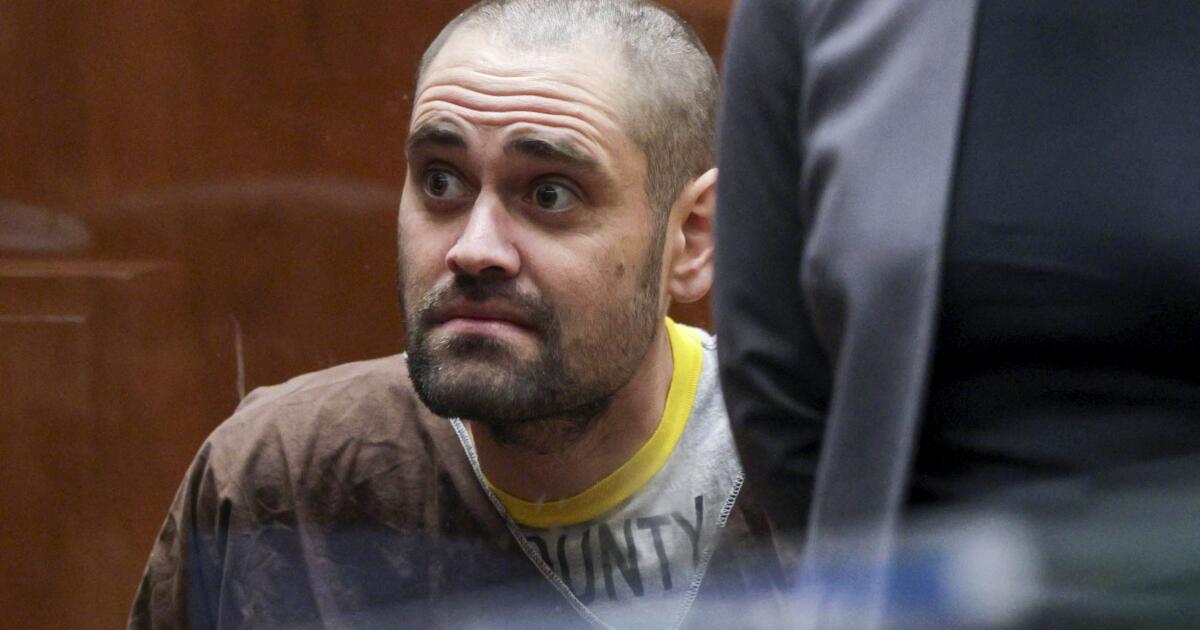
- One high-profile case involved former correctional officer Gregory Rodriguez, convicted on dozens of counts involving multiple victims and sentenced to more than 200 years in prison.
- Reporting systems were found inadequate: prisoners were often directed to use internal online systems accessible to accused staff, raising retaliation risks.
- The department outlined minimum remedial measures, including expanded fixed and body-worn camera coverage, enhanced independent confidential reporting channels, stronger investigative protocols, improved staff training and monitoring, and full PREA-compliant safeguards.
The state has 49 days from the August 13 notice to address the identified conditions satisfactorily. If it fails to do so, the Attorney General may file a lawsuit under CRIPA to compel reforms.
Why It Matters
Sexual abuse of incarcerated people by staff is a serious constitutional violation. The findings highlight long-recognized problems in California’s women’s prisons that have generated hundreds of civil lawsuits, criminal prosecutions of officers, and advocacy reports over many years. Advocates and attorneys representing survivors described the DOJ conclusions as corroborating persistent failures in detection, reporting, investigation, and accountability.
The report places California under a formal federal timeline to implement concrete changes or face potential court-ordered oversight.
Official Response
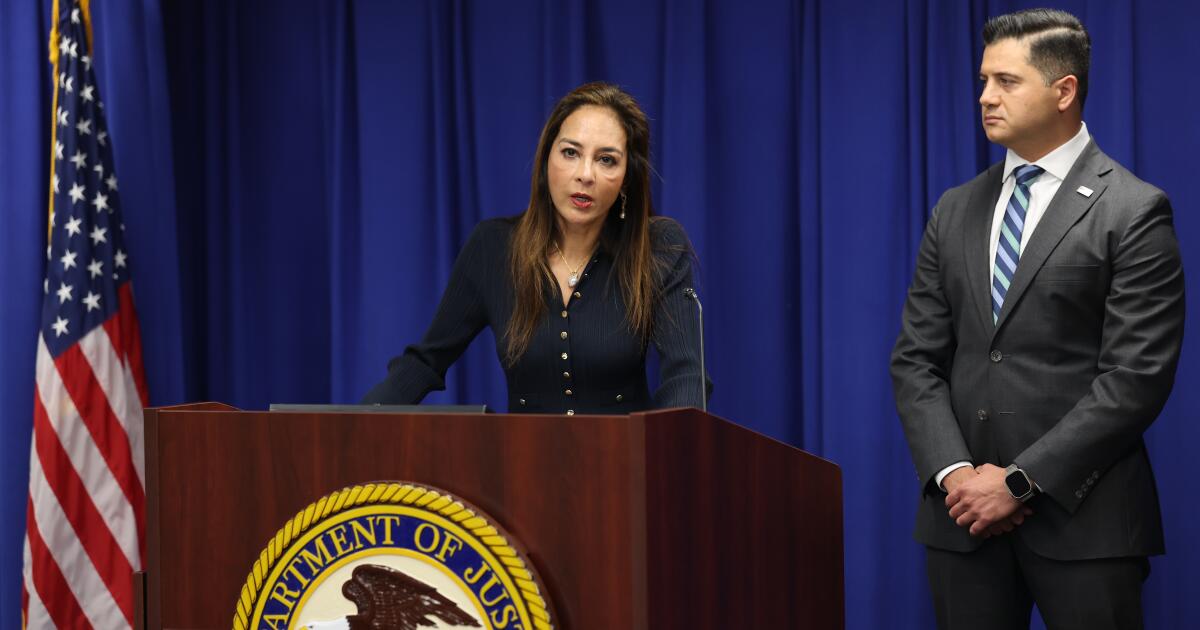
Assistant Attorney General Harmeet K. Dhillon of the Civil Rights Division stated: “Female prisoners have the constitutional right to be free from sexual assault and harassment by prison staff. The Department of Justice’s investigation revealed that California’s Department of Corrections and Rehabilitation knew of repeated incidents of sexual assault and harassment against female prisoners, and failed to protect them. This deliberate indifference to the suffering of female prisoners at the hands of prison staff is illegal…”
First Assistant U.S. Attorney Bill Essayli for the Central District of California called the findings “unacceptable” and “unconscionable,” saying they should serve as a turning point for how California handles such allegations.
CDCR did not immediately issue a detailed public response in initial coverage of the announcement. The Justice Department said it looks forward to working cooperatively with the state to remedy the alleged violations.
What Happens Next
California has 49 days to implement the required remedial measures. Failure to do so satisfactorily may lead to a federal lawsuit seeking court-ordered reforms. The DOJ continues to accept relevant information from the public at a dedicated tip line and email address. Ongoing civil litigation by survivors and any related criminal cases against individual staff members proceed separately.
What Readers Should Know
The Prison Rape Elimination Act sets national standards aimed at preventing, detecting, and responding to sexual abuse in confinement facilities. CRIPA gives the Justice Department authority to investigate and sue over patterns or practices that violate the constitutional rights of people in state or local institutions. Survivors of prison sexual abuse may have civil remedies and, in some cases, criminal avenues available; confidential reporting options outside internal prison systems are a key focus of the required reforms.
Conclusion
The Justice Department has concluded that California’s two main women’s prisons and the state corrections department systematically failed to protect incarcerated women from sexual abuse and harassment by staff, in violation of the Constitution. The state now faces a 49-day deadline to begin correcting the deficiencies or risk federal litigation. The findings cap a multi-year investigation that documented longstanding problems in reporting, investigation, and accountability.