General Motors is expanding its use of Nvidia’s artificial intelligence chips and software to develop next-generation autonomous vehicles and transform its manufacturing operations. The automaker announced a deeper collaboration with Nvidia to integrate advanced AI systems across both its vehicle lineup and factory floors.
The partnership builds on previous work between the two companies and focuses on using Nvidia’s accelerated computing platforms for both in-vehicle intelligence and industrial automation. GM aims to speed up the development of advanced driver-assistance systems while using AI to optimize production processes at its plants.
AI for Autonomous Driving
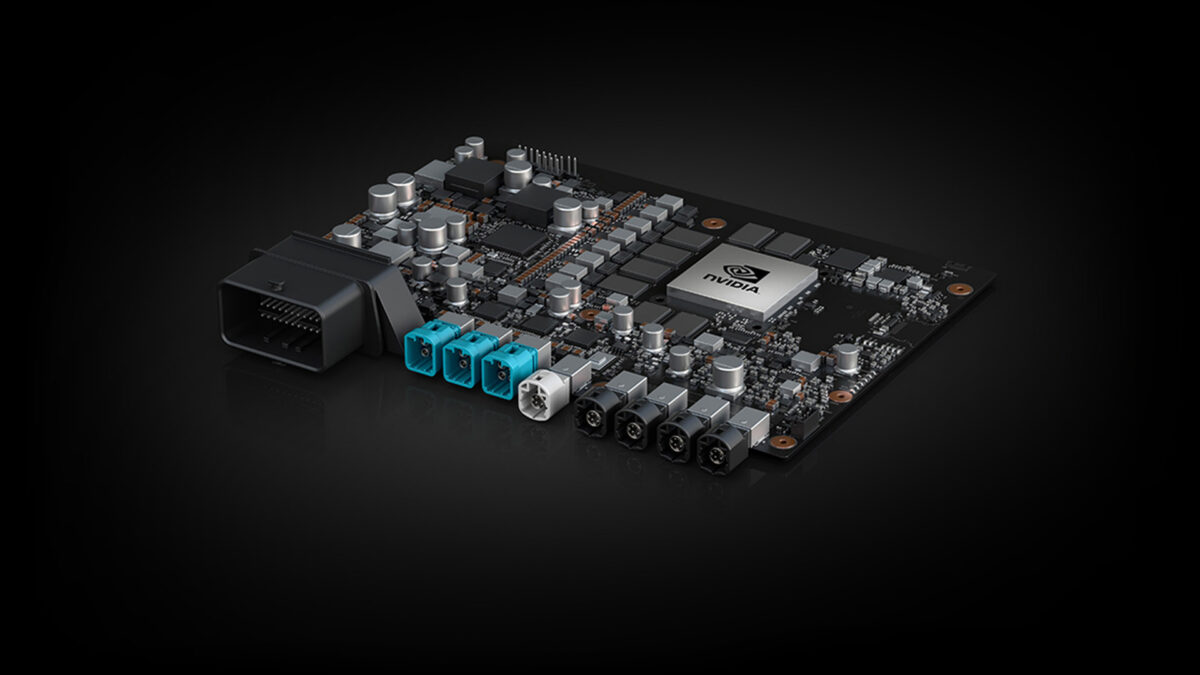
GM will deploy Nvidia’s DRIVE AGX platform as the hardware foundation for future advanced driver-assistance systems and autonomous driving capabilities. The technology is designed to handle the massive computing demands required for real-time perception, decision-making, and safety systems in vehicles.
This move comes as GM continues to advance its autonomous driving ambitions following earlier challenges with its Cruise robotaxi unit. By leveraging Nvidia’s proven AI infrastructure, GM is looking to strengthen its position in the competitive race toward higher levels of vehicle automation.
Nvidia CEO Jensen Huang highlighted the significance of the partnership during a recent keynote, noting that the time for autonomous vehicles has arrived and emphasizing the role of AI across vehicles, factories, and robotics.
Transforming Manufacturing with Digital Twins
Beyond vehicles, GM is applying Nvidia’s technology to its factories. The company will use Nvidia Omniverse and Cosmos platforms to create digital twins of its assembly lines. These virtual replicas allow engineers to simulate production changes, test new processes, and optimize robotics before making physical changes on the factory floor.
GM expects this approach to reduce downtime, improve efficiency, and accelerate the rollout of new vehicle models. The use of AI-driven simulation is becoming increasingly important as automakers navigate the complex transition to electric vehicles and more flexible manufacturing systems.
By building custom AI models for manufacturing, GM aims to better predict maintenance needs, optimize supply chains, and improve overall plant performance using real-time data.
Strategic Importance for GM
The expanded Nvidia partnership reflects GM’s broader push to embed artificial intelligence deeper into its operations. While the company has faced setbacks in its autonomous vehicle efforts in recent years, leadership continues to view AI as a critical technology for both product development and operational efficiency.
GM CEO Mary Barra has previously spoken about the importance of using AI across the business, from vehicle design to factory operations. The new collaboration with Nvidia provides GM with access to one of the most advanced AI computing ecosystems currently available.
For Nvidia, the deal strengthens its position in the automotive sector, where demand for high-performance AI chips is growing rapidly as more manufacturers pursue autonomous driving and smart factory initiatives.
What This Means for the Industry
The GM-Nvidia partnership highlights a larger industry trend: traditional automakers are increasingly turning to specialized AI companies to close the technology gap with newer entrants like Tesla. High-performance computing is now seen as essential for both vehicle intelligence and modern manufacturing.
For American consumers and workers, the development could eventually translate into more capable driver-assistance features in GM vehicles and more efficient, higher-quality production at U.S. plants. However, widespread deployment of advanced autonomous systems still faces significant regulatory, technical, and safety hurdles.
As GM integrates Nvidia’s technology across both its vehicles and factories, the partnership represents one of the most significant AI collaborations between a major U.S. automaker and a leading chipmaker to date. The results of this deeper integration are expected to become more visible in coming model years and factory upgrades.
Follow us on X @realnewshubs and subscribe for push notifications