
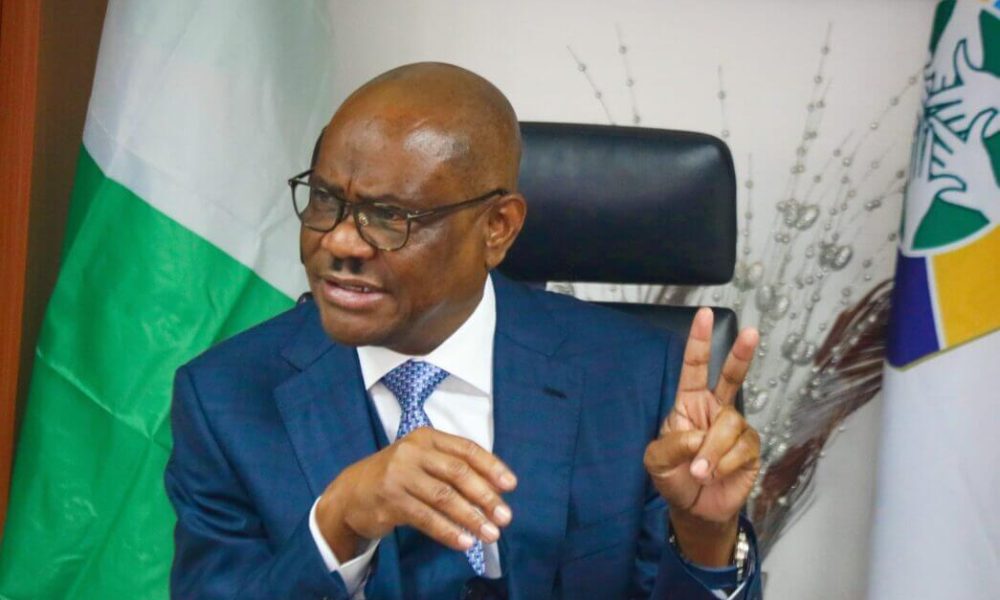
Nyesom Wike’s fiery rejection of a PDP expulsion bid has thrust Nigeria’s opposition politics into fresh turmoil, with the powerful FCT Minister vowing to fight back against party rivals he accuses of betrayal. As Wike PDP expulsion threats dominate headlines, the former Rivers governor’s unyielding stance at a high-stakes PDP meeting underscores deepening fractures that could reshape the 2027 elections.
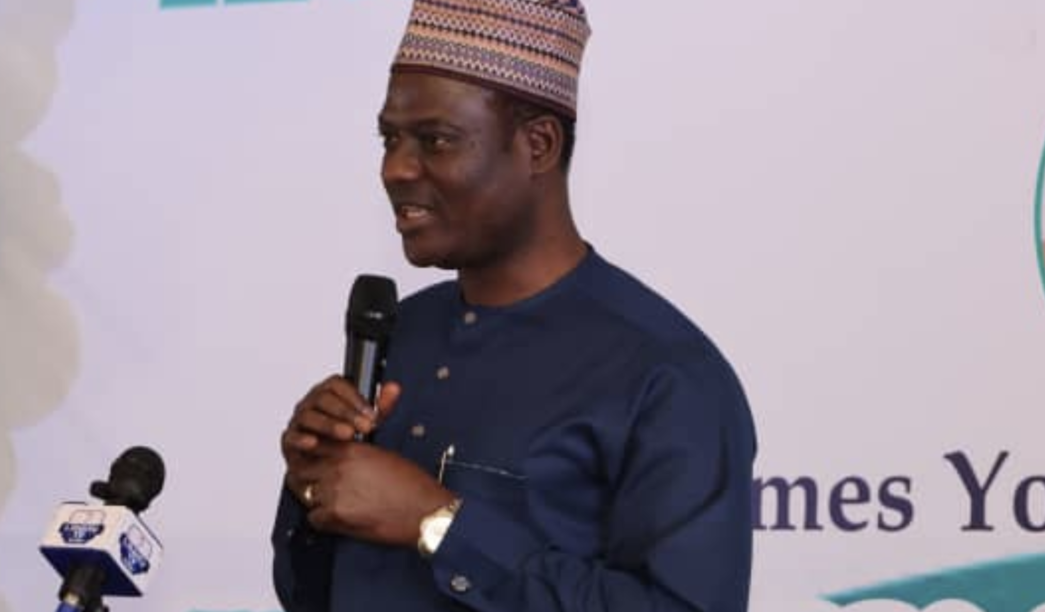
Speaking at an emergency gathering of the People’s Democratic Party’s Board of Trustees (BoT) and National Executive Committee (NEC) in Abuja on December 7, 2025, Wike dismissed the expulsion notice from a rival faction as illegitimate and personal. “How can those who met me in my house now drag me out? I will never allow it,” he declared, drawing applause from allies including former Abia Governor Okezie Ikpeazu and Acting National Chairman Abdulrahman Mohammed. Wike, a PDP founding member since 1998, lambasted Bauchi Governor Bala Mohammed and Oyo Governor Seyi Makinde—leaders of the anti-Wike bloc—for spearheading the ouster attempt. “Ask Bala Mohammed which party he ran under as a senator,” Wike shot back, highlighting what he called ingratitude from latecomers to the party.
The clash stems from Wike’s controversial alliance with President Bola Tinubu’s All Progressives Congress (APC) during the 2023 presidential race, where he backed the APC candidate despite being PDP’s vice-presidential nominee Atiku Abubakar’s running mate contender. That decision triggered a cascade of PDP infighting, including the impeachment saga of Wike’s successor in Rivers State, Governor Siminalayi Fubara. Last week, 17 Rivers assembly members loyal to Wike defected to the APC, fueling speculation that Fubara—locked in a bitter feud with his mentor—might follow suit, potentially handing the oil-rich state fully to the ruling party.
PDP’s woes run deeper: Since its 2023 election drubbing, the party has hemorrhaged talent, with governors from Delta, Akwa Ibom, and Bayelsa jumping ship to the APC, and Osun’s Ademola Adeleke resigning amid similar pressures. The BoT, chaired by Senator Mao Ohuabunwa, urged unity at the meeting, announcing progress on caretaker committees for stalled state congresses to stabilize the party ahead of primaries. Yet Wike warned that “those who did not mean well for the party were on their way out,” positioning himself as the guardian of PDP’s founding ethos.
Legal salvos are flying too. A Wike-aligned faction sued PDP leadership, prompting the Turaki-led National Working Committee to seek a judge’s recusal in a bid to quash the case—signaling courts may soon referee the chaos. PDP chieftain Ogbonna Nwuke, commenting on the Rivers defections, captured the mood: “When a party is bedevilled by crisis, people will naturally look for alternatives.” Fubara’s camp, meanwhile, downplays defection rumors, with a senior aide insisting the governor remains PDP-loyal and dismissing the assembly switch as unfulfilled—lacking ward registrations per Supreme Court rules.
Social media is ablaze with reactions, amplifying the drama. On X, PDP Republic crowed about dispatching “expulsion letters via courier” to Wike and nine allies, racking up 244 likes and cheers from party faithful. Critics like @princetonishere mocked the move as “eviction notice in broad daylight,” likening Wike to a “political landlord turned tenant” in a post viewed hundreds of times. Supporters rallied behind Wike, with @iamAhmadOlolu hailing his “bold” truth-telling: “Expelled or not, you can’t silence someone who actually speaks truth to power.” Channels Television’s update on Wike’s defiance drew 69 likes and heated debates, underscoring how the feud captivates Nigeria’s online polity.
For U.S. readers, this PDP implosion carries ripples across the Atlantic. Nigeria, Africa’s largest oil producer, supplies about 10% of U.S. crude imports—fluctuations in Rivers State’s politics could spike energy prices amid global tensions. Economically, it threatens U.S. investments in Lagos tech hubs and Abuja infrastructure, where Wike oversees $2 billion in FCT projects drawing American firms like ExxonMobil. Politically, the chaos bolsters Tinubu’s grip, echoing U.S. concerns over democratic backsliding in key African partners—vital for countering Chinese influence. For the 400,000-strong Nigerian diaspora in states like Texas and New York, it’s personal: remittances totaling $25 billion annually hang on stable governance, with community leaders in Houston voicing fears of electoral violence ahead of 2027.
Analysts like Ezenwa Nwagwu, a Lagos-based political consultant, warn of a “party apocalypse” if unresolved. “Wike’s defiance isn’t just ego—it’s a power play to force PDP’s reinvention or trigger mass defections,” Nwagwu told local media, predicting the APC could absorb 20% more PDP defectors by mid-2026. On X, @official_vyk echoed the sentiment: “My joy to see Wike expelled. Man truly slapped the PDP on the face.”
As PDP’s NEC reconvenes this week, whispers of a unity summit grow, but Wike’s house metaphor lingers—a founder’s fortress against intruders. With court dates looming and defections mounting, Nigeria’s opposition teeters: reform or rupture? The stakes couldn’t be higher for Africa’s most populous democracy.
By Mark Smith
Follow and subscribe to us today for push notifications on African politics and global diaspora stories—stay connected to the pulse of change!








![Best Apple Watch Series 11 [Gps 42Mm] Smartwatch With Rose Gold A… 2026](https://www.realnewshub.com/wp-content/uploads/2026/03/Best-Apple-Watch-Series-11-GPS-42mm-Smartwatch-with-Rose.jpg "Best Apple Watch Series 11 [Gps 42Mm] Smartwatch With Rose Gold A… 2026")