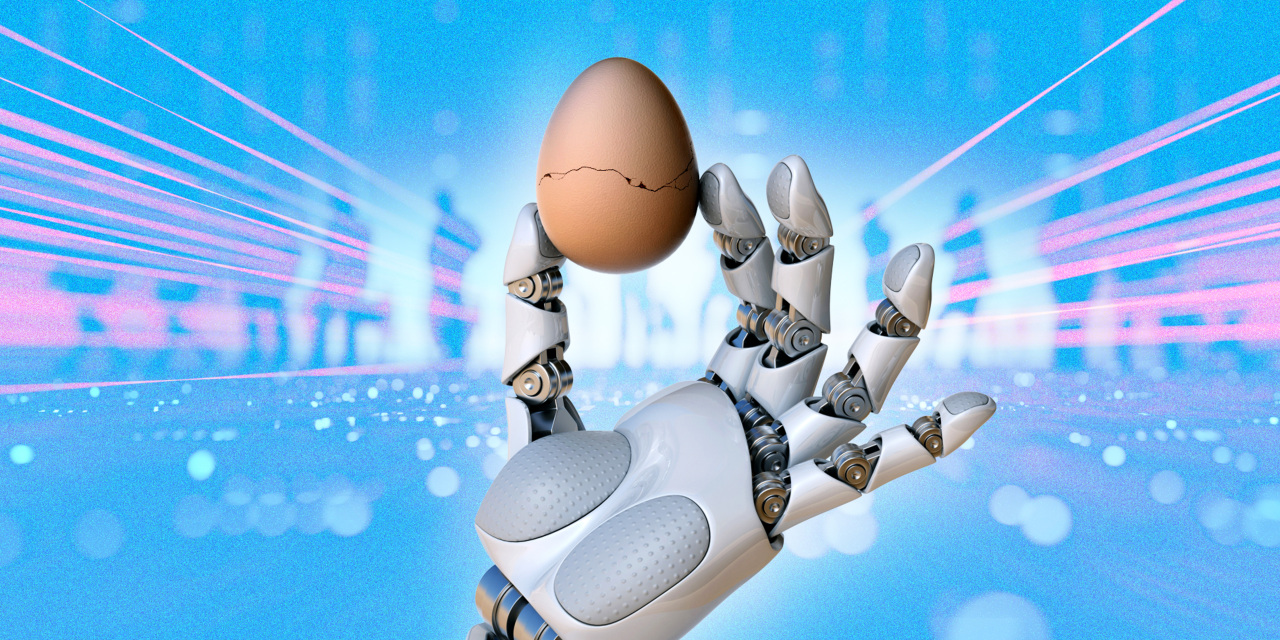
# Humanoid Robot Revolution: Exciting Progress, But Don’t Expect It Overnight – Here’s Why It Will Take Time
The idea of humanoid robots transforming daily life is captivating—visions of robots folding laundry, assisting in factories, or even becoming household helpers. In 2025, we’ve seen impressive demos from leaders like **Tesla’s Optimus**, **Figure’s 02**, **Boston Dynamics’ electric Atlas**, and **Agility Robotics’ Digit**. These machines are walking more naturally, manipulating objects, and integrating AI for basic tasks.
Yet experts agree: a true “revolution”—widespread adoption in homes, workplaces, and society—remains years or decades away. Hype is high (fueled by billions in investments), but real-world challenges persist. Here’s a balanced look at why progress is steady but slow.
### Current Breakthroughs Driving Excitement
– **AI Integration**: Large language models and vision systems enable better navigation, object recognition, and task learning.
– **Hardware Advances**: Electric actuators (vs. older hydraulics) make robots lighter and more efficient, as seen in the new electric Atlas.
– **Pilot Deployments**: Limited trials in factories (e.g., BMW with Figure, Amazon with Digit) show promise for repetitive tasks.
– **Cost Reductions**: Projections aim for $20,000–$30,000 per unit in mass production, down from hundreds of thousands today.
Market forecasts reflect optimism: From a tiny base in 2025 (~$2–9 billion globally), growth could hit $30–50 billion by 2035, with some bullish views reaching trillions by 2050 if adoption explodes.
### Key Challenges Slowing the Revolution
Despite demos, experts highlight persistent barriers:
1. **Technical Limitations**:
– Dexterity and manipulation lag—grasping varied objects reliably in unstructured environments is hard.
– Balance and mobility: Falling risks remain; full agility in real-world settings (stairs, uneven terrain) is inconsistent.
– Battery life: Most last hours, not full shifts, limiting practical use.
2. **High Costs and Scalability**:
– Units cost $50,000–$150,000+ now; mass production needed for affordability.
– Supply chain and manufacturing hurdles delay volume.
3. **Safety and Reliability**:
– Operating near humans requires flawless safety; regulations (e.g., new ISO standards) are evolving.
– Real-world uptime: Pilots are controlled; broad deployment needs proven robustness.
4. **AI and Software Gaps**:
– General intelligence for unpredictable tasks is nascent; many demos use teleoperation or scripting.
– Ethical issues: Job displacement, privacy, bias in decision-making.
5. **Adoption Barriers**:
– Narrow use cases first (factories, warehouses); homes/healthcare farther out.
– Societal acceptance: “Uncanny valley” creepiness and trust issues.
Projections vary: Early industrial pilots 2025–2027, scale-up late 2020s–2030s, consumer/home use 2030s+. Skeptics note past hype cycles in robotics often overpromised.
### Impact on U.S. Readers
This tech could boost productivity in manufacturing/logistics, address labor shortages (e.g., aging populations), and drive innovation/jobs in AI/robotics. But rushed adoption risks safety/economic disruption. For now, it’s more evolution than revolution—exciting to watch, but grounded expectations avoid disappointment.
The humanoid era is coming, powered by steady advances—just not as fast as viral videos suggest. As 2025 closes with hype tempered by reality, 2026 may bring more pilots proving practical value.
SEO tags: humanoid robots 2025 progress, Tesla Optimus challenges, Figure 02 Boston Dynamics Atlas, humanoid robot adoption delays, why humanoid revolution slow, robotics market projections 2035, AI humanoid barriers, electric Atlas Optimus comparison, humanoid robot hype vs reality, future of humanoid robotics