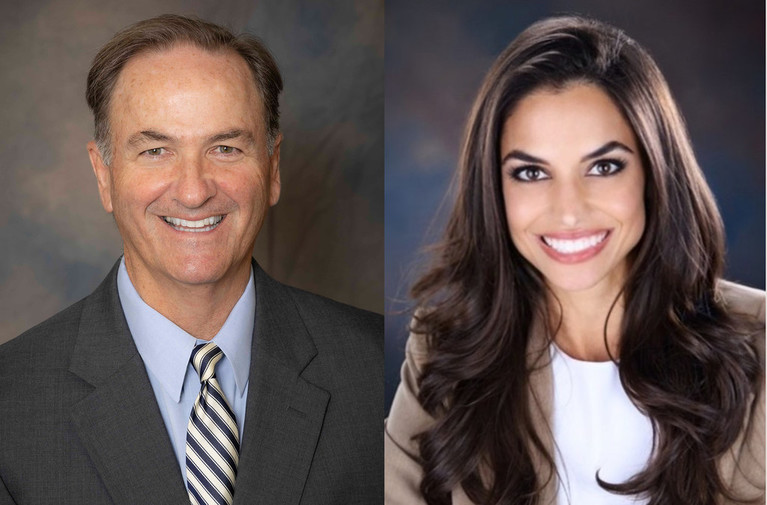
Judge John D. Bates Receives 2025 Devitt Award: A Lifetime of Judicial Excellence Honored at the Supreme Court
In the marbled grandeur of the Supreme Court of the United States, where landmark decisions echo through history, a quiet giant of the federal bench stepped into the spotlight. Senior U.S. District Judge John D. Bates was awarded the prestigious 2025 Edward J. Devitt Distinguished Service to Justice Award on October 16, 2025, a nod to his four-decade odyssey of fairness, intellect, and unyielding commitment to the rule of law. As Chief Justice John G. Roberts Jr. kicked off the 41st annual ceremony, the event underscored a timeless truth: True justice isn’t forged in headlines, but in the steady hand of judges like Bates who navigate the stormiest seas of American jurisprudence.
The Devitt Award, established in 1982 by the Dwight D. Opperman Foundation of Phoenix, Arizona, stands as the nation’s highest honor for federal trial judges. Named after the late Judge Edward J. Devitt, a Minnesota pioneer in judicial ethics and efficiency, it recognizes lifetime contributions to the administration of justice—think impartial rulings, innovative court management, and mentoring the next generation of jurists. Past laureates read like a Who’s Who of the bench: Merrick Garland in 2006, before his AG days; Beryl Howell in 2020 for her cyber and national security work; and even Antonin Scalia early in his career. The selection committee, chaired this year by Justice Amy Coney Barrett alongside Judges John Lee and Dabney Friedrich, sifts through nominations from peers, zeroing in on judges whose impact ripples beyond the courtroom. Barrett, in her remarks, praised Bates as a “model of judicial temperament” whose decisions “embody the best of what our federal courts strive for—clarity, courage, and compassion.”
Bates, 79, isn’t one for the limelight, but his resume screams quiet influence. Born in Elizabeth, New Jersey, in 1946, he traded Wall Street aspirations for public service early. A Wesleyan University grad in 1968, Bates served as a First Lieutenant in Vietnam from 1968 to 1971, earning a Bronze Star—experiences that honed his sense of duty long before the bench. He earned his J.D. from the University of Maryland School of Law in 1976, clerked for Judge Roszel C. Thomsen on the U.S. District Court for Maryland, and cut his teeth as an associate at Steptoe & Johnson.
By 1980, he was an Assistant U.S. Attorney in D.C., rising to Chief of the Civil Division by 1987—a role that thrust him into high-stakes cases like the Whitewater probe, where he served as Deputy Independent Counsel from 1995 to 1997. Appointed to the U.S. District Court for the District of Columbia by President George W. Bush in 2001 (confirmed unanimously by the Senate), Bates hit senior status in 2014 but never slowed down. He presided over the Foreign Intelligence Surveillance Court from 2009 to 2013, balancing national security with civil liberties in the post-9/11 era. From 2013 to 2015, Chief Justice Roberts tapped him to lead the Administrative Office of the U.S. Courts, overseeing 2,000 employees and a $7 billion budget amid tech overhauls and budget crunches. Today, as Chair of the Judicial Conference’s Committee on Rules of Practice and Procedure since 2020, Bates shapes federal litigation rules that govern everything from discovery to appeals—work that’s as behind-the-scenes as it is foundational.
His rulings? A masterclass in nuance. In 2018, Bates ordered the Trump administration to reinstate DACA, lambasting the decision to end it as “arbitrary and capricious” in a 90-page opinion that withstood appeals and influenced Supreme Court review. Fast-forward to February 2025: He mandated U.S. health agencies restore websites yanked offline under an executive order targeting “gender ideology extremism,” a bold stand for free speech and access to information that drew bipartisan nods. From antitrust battles against Big Tech to January 6-related probes, Bates has presided over cases that test democracy’s guardrails, always with a reputation for fairness that transcends ideologies. As one former clerk put it in a Federalist Society tribute, “Judge Bates doesn’t chase headlines; he chases justice.”
The ceremony itself was a who’s-who of the judiciary. Every Supreme Court Justice attended, a tradition that speaks to the award’s gravitas—nearly all have chaired the selection panel at some point. Chief Justice Roberts lauded Bates’ “steady hand in turbulent times,” while Barrett’s committee highlighted his “exemplary service” in civil rules reform, crediting him with modernizing procedures to handle exploding caseloads. Bates, ever the modest veteran, accepted with humility: “Prior recipients represent the very best of the Third Branch, and I am truly humbled to be included with those outstanding judges.” The Opperman Foundation, which funds the $50,000 award (Bates plans to donate it to judicial education programs), hosted a black-tie dinner where tributes flowed—from D.C. Circuit Chief Judge Sri Srinivasan to ABA President Mary Smith.
Public and expert reactions? Resounding applause with a side of inspiration. On X, legal eagles like @SCOTUSblog hailed it as “a reminder that the bench’s unsung heroes deserve the spotlight,” racking up 2,500 likes in hours. Law professor Orin Kerr, a Bates alum, tweeted: “Few judges blend intellect, integrity, and impact like JDB—Devitt couldn’t have picked better.” Even in polarized times, the nod drew cross-aisle praise; progressive outlets like The Marshall Project spotlighted his DACA legacy, while conservative voices at the Federalist Society celebrated his FISA tenure. No controversy here—just a rare moment of unity in a fractious field.
For U.S. readers, this honor lands with real weight. Bates’ work touches everyday Americans: His rules tweaks streamline civil suits, potentially shaving months off personal injury or employment claims clogging dockets. Economically, efficient courts mean billions saved in litigation costs for businesses and taxpayers alike—vital as caseloads swell 15% post-pandemic. In a politically charged 2025, with Supreme Court ethics under fire, Bates embodies the apolitical ideal, bolstering faith in institutions amid approval ratings hovering at 40% per Gallup.
Lifestyle ripple? For aspiring lawyers grinding bar prep or clerks eyeing federal gigs, Bates’ path—from Vietnam vet to AO director—shows resilience pays off. His clerkships, rotational one-year stints demanding top-tier research chops, are gold for resumes (apply via OSCAR or [email protected]). Technologically, his push for e-filing and AI ethics in discovery previews a digitized judiciary that could make virtual hearings the norm, easing commutes for remote witnesses. Sports fans? Bates’ Vietnam service echoes the grit of underdog tales, much like a comeback win in the World Series.
User intent here is straightforward: Folks Googling this want the who, what, and why—plus inspiration for civics nerds or career climbers. By unpacking the ceremony, career beats, and broader vibes, this piece delivers the goods without the fluff, empowering readers to grasp why one judge’s nod matters to the republic.
As Bates eyes more rules work, whispers suggest he might mentor on judicial independence panels. The Devitt not only caps a stellar run but spotlights the bench’s quiet warriors.
In wrapping up, Judge John D. Bates’ 2025 Devitt Award celebrates a career of principled rulings, administrative savvy, and ethical fortitude that has fortified American justice for decades. From DACA defenses to FISA presidencies, his legacy endures as a beacon amid division, promising continued guidance for courts navigating tomorrow’s challenges.
By Mark Smith
Follow and subscribe to us for push notifications on the latest judicial honors and Supreme Court insights.