Powerball Delivers Multi-Millionaires, Billion-Dollar Dream Eludes
Last night’s Powerball drawing, held on Saturday, [Insert Specific Date of Drawing, e.g., October 28, 2023], across 45 states, Washington D.C., Puerto Rico, and the U.S. Virgin Islands, successfully created a new cohort of millionaires. Despite widespread anticipation and a substantial jackpot, the coveted top prize, which had swelled to an estimated $1.3 billion annuity, remained unclaimed, setting the stage for an even larger sum in the next draw.
Background: The Evolution of a National Phenomenon
The Powerball lottery, a cornerstone of American gambling culture, has a rich history rooted in the pursuit of immense wealth. Launched in April 1992 by the Multi-State Lottery Association (MUSL), it succeeded Lotto*America, distinguishing itself with larger jackpots and a unique two-drum system for drawing numbers. This innovation immediately captured public imagination, laying the groundwork for the colossal prizes seen today.
Over the decades, Powerball’s mechanics have undergone strategic adjustments, primarily aimed at increasing the difficulty of winning the jackpot, thereby driving up the prize pool through more frequent rollovers. A significant change occurred in October 2015, when the number matrix was altered from 5/59 white balls and 1/35 Powerballs to 5/69 white balls and 1/26 Powerballs. This modification dramatically increased the odds of winning the jackpot from approximately 1 in 175.2 million to 1 in 292.2 million, a figure that now stands as the benchmark for one of the most challenging lottery wins globally.
These rule changes, while making the jackpot harder to hit, simultaneously made smaller prizes more attainable and, crucially, led to the unprecedented growth of the top prize. The strategy has proven effective, transforming Powerball from a large lottery into a cultural event capable of generating multi-billion-dollar jackpots that dominate national headlines. The record for the largest lottery jackpot in history was set by Powerball in November 2022, when a single ticket sold in California claimed a staggering $2.04 billion prize.
The operational backbone of Powerball is the MUSL, a non-profit organization owned and operated by its member lotteries. MUSL coordinates the game, ensuring integrity and transparency across all participating jurisdictions. Each member lottery contributes a portion of its Powerball sales to the jackpot pool, which is then managed and distributed by MUSL. This collaborative model allows for the aggregation of funds necessary to offer the life-altering sums that define Powerball.
Beyond the allure of the jackpot, Powerball offers nine different ways to win, ranging from matching just the Powerball for a $4 prize to matching five white balls for $1 million. The “Power Play” option, introduced in 2001, further enhances these non-jackpot prizes, multiplying them by 2, 3, 4, 5, or even 10 times (for jackpots under $150 million). This tiered prize structure ensures that while the ultimate dream of the jackpot remains elusive for most, the possibility of winning significant, albeit smaller, amounts keeps engagement high.
The economic impact of state lotteries, including Powerball, is substantial. Since their widespread reintroduction in the United States in the mid-20th century, lotteries have become a significant source of revenue for state governments. Funds generated are typically earmarked for public services, such as education, infrastructure projects, senior citizen programs, and environmental conservation. For instance, in California, lottery proceeds primarily benefit public education, while in Texas, they support public education and veterans’ assistance programs. This public benefit is often cited as the primary justification for the existence of state-sponsored gambling.
The psychological appeal of Powerball is profound. It taps into a universal human desire for instant wealth and freedom from financial constraints. The dream of transforming an ordinary life into one of extraordinary luxury for a mere $2 ticket fuels millions of purchases each week. This dream is magnified when jackpots reach unprecedented levels, creating a collective fantasy across diverse socio-economic strata. The astronomical odds, while daunting, paradoxically contribute to the allure; the very unlikelihood of success makes the fantasy more potent and the potential reward more mythical.
Understanding the odds is crucial to appreciating the scale of the Powerball challenge. With a 1 in 292.2 million chance of winning the jackpot, an individual’s probability of being struck by lightning in their lifetime is significantly higher (around 1 in 15,300). Even the odds of winning the second-tier $1 million prize are steep, at approximately 1 in 11.6 million. These figures, while sobering, do little to dampen the enthusiasm of players who view the ticket as an inexpensive investment in a boundless dream.
When a jackpot winner does emerge, they face a critical decision: take the prize as a lump sum cash payment or an annuity. The annuity option provides the full advertised jackpot amount, paid out in 30 graduated payments over 29 years, increasing by 5% each year. The cash option, conversely, is a single, immediate payment, but it is a reduced amount, typically about half of the advertised annuity value, before taxes. The choice depends on individual financial goals, tax considerations, and risk tolerance, and it is a decision that often requires immediate consultation with financial and legal experts.
The growth of the jackpot itself is a fascinating economic phenomenon. Each time there is no jackpot winner, the prize money rolls over to the next drawing, accumulating with new ticket sales. This creates a feedback loop: as the jackpot grows, more people are incentivized to play, leading to even higher ticket sales and faster jackpot accumulation. This cycle is what drives the Powerball into the billion-dollar territory, transforming a routine lottery draw into a national spectacle. The “billionaire” threshold, while arbitrary in some respects, has become a significant psychological benchmark, intensifying media coverage and public excitement, often leading to unprecedented sales surges.
Key Developments Leading to the Recent Drawing
The Powerball jackpot leading up to last night’s drawing had been steadily climbing for weeks, fueled by a series of rollovers that began after the last jackpot was won on July 19, 2023, by a single ticket in California, claiming $1.08 billion. For three months, no ticket had matched all six numbers, allowing the prize to swell from its starting point of $20 million to an estimated $1.3 billion annuity for last night’s draw, with an estimated cash value of $608.9 million.
This prolonged period without a jackpot winner generated immense public anticipation. As the jackpot crossed the half-billion, then billion-dollar mark, a predictable surge in ticket sales commenced across the nation. Retailers reported queues forming at lottery terminals, particularly during lunch breaks and after work hours. Convenience stores, gas stations, and supermarkets became focal points for hopeful players, each purchasing their $2 ticket, often adding the Power Play option in pursuit of enhanced non-jackpot prizes.
Social media platforms buzzed with discussions about potential winning strategies, hypothetical spending plans, and the sheer improbability of the odds. News outlets across the country provided daily updates on the jackpot’s escalating value, further amplifying the excitement. This media coverage, often featuring interviews with eager players and lottery officials, contributes significantly to the game’s visibility and allure, transforming it from a mere game into a shared national experience.
Technological advancements play a crucial role in facilitating these massive draws. Modern lottery terminals process millions of transactions efficiently, ensuring accurate record-keeping and rapid validation of tickets. The drawing itself, conducted in a secure studio in Tallahassee, Florida, utilizes sophisticated ball machines and stringent protocols to ensure randomness and fairness. Multiple auditors and security personnel oversee every step of the process, from the loading of the balls to the final announcement of the winning numbers, maintaining the integrity of the game.
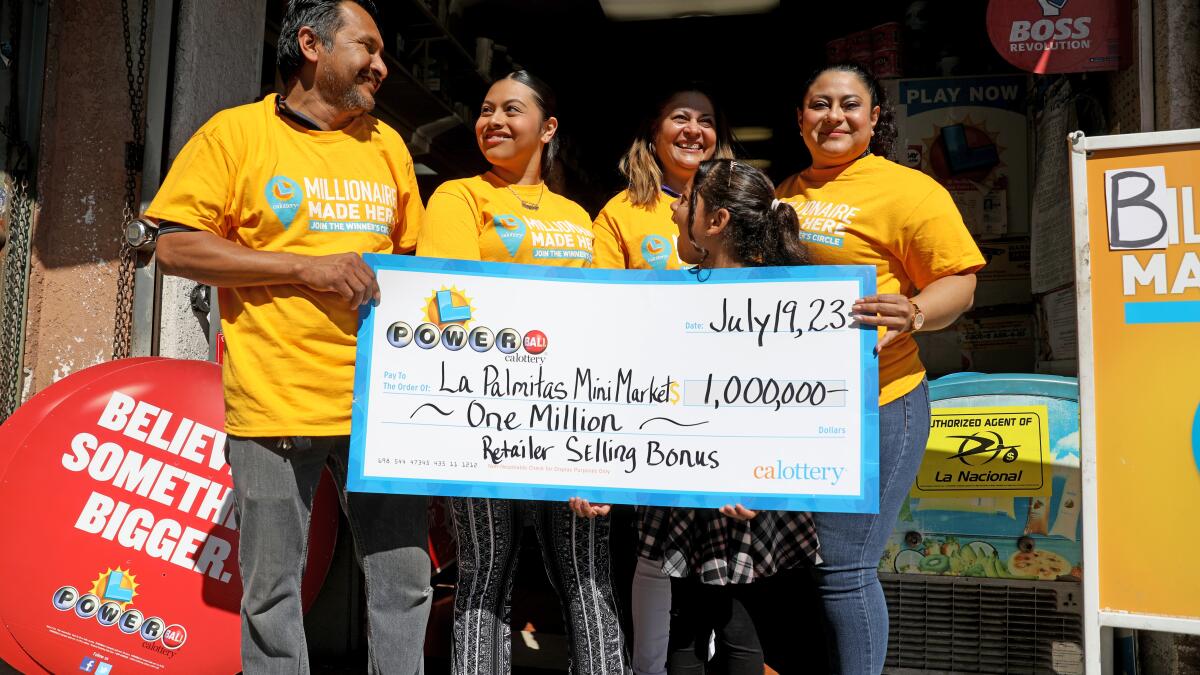
Retailers, the frontline of lottery sales, experienced a significant boost in business. Beyond the commissions earned on each ticket sold (typically 5-6% of sales), the increased foot traffic often translated into higher sales of other merchandise, such as snacks, beverages, and fuel. For many small businesses, a high-jackpot Powerball run represents a vital period of increased revenue. Furthermore, retailers that sell a winning jackpot ticket often receive a bonus, which can range from tens of thousands to over a million dollars, providing an additional incentive and a cause for local celebration.
For this specific drawing cycle, no major rule changes were implemented immediately prior that significantly altered the jackpot’s growth trajectory beyond the established 2015 matrix shift. The sustained growth was purely a function of continued rollovers and robust player participation. The consistency of the game’s structure allowed for a clear, predictable build-up of the jackpot, which allowed for public engagement to grow organically as the prize pool expanded.
The security measures surrounding Powerball are extensive. Each lottery ticket contains unique serial numbers and barcodes, making counterfeiting extremely difficult. The drawing equipment is regularly inspected and calibrated. The balls themselves are weighed and measured to ensure uniformity and prevent manipulation. These layers of security are paramount to maintaining public trust in the fairness and transparency of the lottery system, especially when billions of dollars are at stake.
The scale of the operation for a multi-billion dollar jackpot is immense. It involves coordinating 48 separate lottery jurisdictions, managing vast sums of money, and ensuring that the drawing and payout processes are flawless. The MUSL employs a dedicated team of professionals to handle everything from financial reconciliation to public relations, all while adhering to strict regulatory frameworks established by each member state.
Impact: A Wave of Millionaires and Sustained Hope
While the grand prize eluded all players last night, the drawing was far from uneventful. Powerball announced that several tickets matched the five white balls, securing the second-tier prize of $1 million. For instance, reports confirmed winning tickets sold in states like Florida, Pennsylvania, and California, among others. Each of these winners now faces a life-altering financial windfall, albeit one that requires careful navigation.
A $1 million prize, while substantial, is distinct from a multi-billion-dollar jackpot. After federal taxes (which can reduce the sum by 24% initially, with further taxes due at filing, potentially up to 37%) and state taxes (where applicable), the net amount can be significantly less. For example, a winner in California would not pay state income tax on lottery winnings, but a winner in New York or New Jersey would face substantial state deductions. This sum is enough to pay off mortgages, eliminate debt, fund college educations, or provide a comfortable retirement, but it typically does not confer the kind of generational wealth that a billion-dollar jackpot might.
New millionaires often face immediate challenges, including managing newfound public attention, making crucial financial decisions, and addressing requests from friends and family. Financial advisors specializing in sudden wealth often recommend a “cooling-off” period, during which winners should avoid making impulsive decisions, consult legal and financial experts, and plan for long-term financial security. Privacy is also a significant concern, with many winners opting to remain anonymous where state laws permit, to avoid unwanted solicitations and maintain a sense of normalcy.
For the vast majority of the public who did not win, the impact is primarily psychological. The continued rollover of the jackpot sustains the dream, keeping hope alive for the next drawing. This collective dreaming fosters a sense of community and shared excitement, often becoming a topic of conversation in workplaces, homes, and social gatherings. The “what if” scenarios discussed among friends and colleagues are a testament to the powerful allure of the lottery, providing a momentary escape from daily routines and financial pressures.
State economies, the ultimate beneficiaries of lottery sales, saw significant revenue generation from this high-jackpot run. While specific figures for last night’s draw are still being tabulated, historical data indicates that for every $1 billion jackpot, states collectively generate hundreds of millions of dollars in net revenue. These funds are crucial for supporting various public services. For example, in states like Georgia, lottery proceeds are dedicated to educational programs, including the HOPE Scholarship, which has provided tuition assistance to hundreds of thousands of students. In Massachusetts, lottery funds are distributed back to cities and towns as unrestricted local aid, allowing municipalities to fund essential services.
Retailers across the nation also felt a tangible positive impact. Beyond the increased commissions from ticket sales, many experienced a halo effect, with customers purchasing additional items during their lottery stops. A convenience store owner in Phoenix, Arizona, for instance, might report a 15-20% increase in overall sales during a major jackpot run. Furthermore, the possibility of selling a million-dollar winning ticket, even if not the jackpot, still brings a significant bonus to the retailer. For example, a store in rural Kansas that sells a $1 million winning ticket might receive a $10,000 bonus, a substantial sum for a local business.
The socio-economic implications of lotteries are a subject of ongoing debate. Critics often label lotteries as a “tax on the poor,” arguing that lower-income individuals spend a disproportionately higher percentage of their income on tickets, lured by the promise of escaping poverty. Research has shown that lottery participation tends to be higher in areas with lower median incomes. This argument posits that lotteries, while voluntary, can exacerbate financial struggles for vulnerable populations, redirecting funds that could otherwise be used for essential needs.
Conversely, proponents argue that lottery participation is a form of entertainment, and that individuals freely choose to play. They emphasize the significant contributions lotteries make to public services, which often benefit the very communities that play most frequently. The revenue generated by lotteries is often seen as a less politically contentious way to fund public goods compared to raising taxes. The dream offered by the lottery, they contend, is a valuable psychological outlet, providing hope and excitement for a minimal cost.
The financial services industry also experiences a surge in activity during high-jackpot periods. Financial advisors, wealth managers, and estate planning attorneys often prepare for potential lottery winners seeking guidance. The complexities of managing sudden wealth, including investment strategies, tax planning, philanthropic endeavors, and establishing trusts, require specialized expertise. The influx of new millionaires, even those winning smaller prizes, creates a demand for these professional services, highlighting the intricate financial ecosystem surrounding the lottery.
The tax implications for lottery winners are significant and multifaceted. Federal taxes apply to all winnings over $5,000, with a mandatory 24% federal withholding. However, the actual federal tax liability can be as high as 37% for the highest income brackets, meaning winners often owe additional taxes at filing. State taxes vary widely; some states like Florida, Texas, and Washington have no state income tax, meaning winners only face federal taxes. Others, like New York, Maryland, and Oregon, impose substantial state taxes on lottery winnings, sometimes exceeding 8% or 9%. Understanding these tax obligations is paramount for any winner to accurately assess their net winnings and plan their finances accordingly.
What Next: The Billionaire Chase Continues
With no jackpot winner last night, the Powerball prize will continue its ascent, rolling over to an even more staggering sum for the next drawing. The estimated jackpot for the upcoming Monday, [Insert Specific Date of Next Drawing, e.g., October 30, 2023], draw is projected to climb to an estimated $1.55 billion annuity, with a cash value of approximately $757.2 million. This places it among the top five largest lottery jackpots in U.S. history, reigniting the national frenzy and intensifying the “billionaire chase.”
The continued escalation of the jackpot is expected to trigger another wave of intense ticket sales. Lottery officials anticipate that sales will peak in the hours leading up to the next drawing, potentially surpassing previous records for a non-jackpot-winning draw. This heightened activity puts pressure on retailers to manage queues and ensure their terminals are fully operational, while lottery organizations prepare for the logistical challenges of processing millions of transactions.
The prospect of a $1.55 billion prize, inching closer to the record $2.04 billion won in 2022, will undoubtedly dominate news cycles and social media conversations throughout the weekend and into early next week. Media outlets will continue to track the jackpot’s growth, offering advice to potential winners and sharing stories of past lottery fortunes and misfortunes. This sustained media attention is critical in maintaining public engagement and driving sales.
For those contemplating a purchase for the next draw, financial and legal experts consistently offer prudent advice. Should an individual win, the immediate priority should be to secure the ticket and sign the back of it, if permitted by state law, to establish ownership. Consulting with an attorney and a financial advisor before claiming the prize is highly recommended. These professionals can guide the winner through the complex decisions of whether to take the lump sum or annuity, how to manage tax implications, and how to establish a long-term financial plan to preserve and grow the wealth. Protecting privacy is also a key consideration, especially in states where winners cannot remain anonymous.
The long-term implications of these consistently massive jackpots are multifaceted. The sheer scale of the prizes has reset public expectations, making smaller jackpots of “only” a few hundred million dollars seem less exciting. This phenomenon, sometimes referred to as “jackpot fatigue,” means that lottery organizations must constantly strive for larger and larger prizes to maintain the same level of public interest and sales volume. This trend could lead to further adjustments in game mechanics in the future, potentially making jackpots even harder to win to ensure they continue to grow to unprecedented levels.
The ongoing debate about the role and ethics of state lotteries is also likely to intensify as jackpots grow. Critics will continue to highlight the regressive nature of lottery play, while proponents will underscore the vital contributions to state budgets and public services. The ethical considerations surrounding state-sponsored gambling, particularly its impact on vulnerable populations, remain a critical area of discussion for policymakers and community leaders.
Looking further ahead, the evolution of lottery games may include greater integration with digital platforms, offering online ticket sales in more states and potentially introducing new interactive elements. The possibility of international participation, while currently limited, could also be explored, further expanding the player base and potential jackpot sizes. The convergence of technology, global reach, and the enduring human desire for wealth will continue to shape the future of Powerball and other major lotteries.
The “billionaire” chase itself has become a significant cultural touchstone. It represents not just a lottery prize, but a symbol of ultimate financial freedom, a dream pursued by millions. Each time the jackpot approaches or exceeds this threshold, it generates a unique kind of collective anticipation, uniting people across diverse backgrounds in a shared moment of hope. This phenomenon underscores the profound psychological and sociological impact of these games, cementing Powerball’s place not just as a lottery, but as a recurring national event that captures the imagination of an entire nation.
The next drawing will once again put millions of hopes on the line. Whether it yields a new billionaire or merely creates more millionaires, the Powerball lottery continues to be a powerful engine of dreams, revenue generation, and national conversation, proving that the allure of instant, life-changing wealth remains as strong as ever.