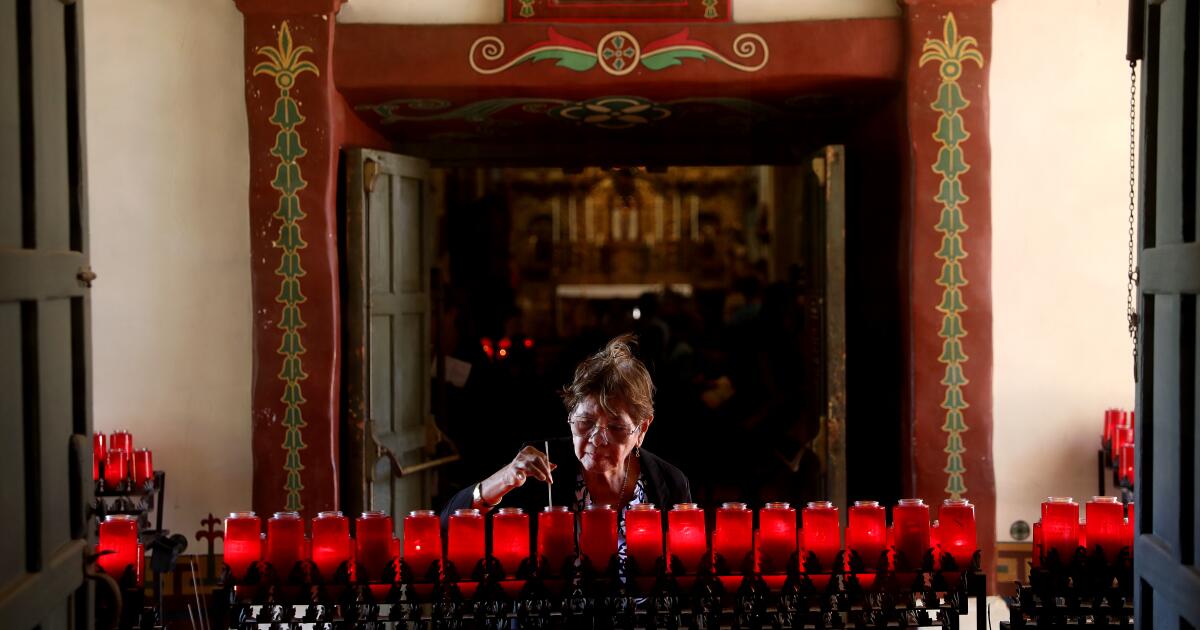
Mission San Juan Capistrano Turns 250 — And Its Story Holds Important Lessons for America
As the United States prepares to mark its own 250th anniversary in 2026, another historic milestone is unfolding quietly in Southern California. Mission San Juan Capistrano, founded in 1776, is also turning 250 this year. Its long journey offers Americans a powerful set of lessons about resilience, heritage, community, and the complicated threads that weave together the national story.
The mission was permanently established on November 1, 1776, by Franciscan missionary Father Junípero Serra as the seventh in a chain of 21 Spanish missions stretching along the California coast. It quickly became known as the “Jewel of the Missions” for its beauty and significance. Today it stands as the birthplace of Orange County and one of the most visited historic sites in the state. Its Serra Chapel, completed in 1782, remains the oldest building still in use in California and the only surviving structure where Serra is documented to have celebrated Mass.
A Story of Endurance Through Upheaval
Few places in California have witnessed as many transformations as Mission San Juan Capistrano. The Great Stone Church, a grand structure begun in the late 1790s, stood for only a few years before the devastating earthquake of December 1812 brought it crashing down in seconds. The four surviving bells now hang in the iconic bell wall that has become one of the mission’s most recognizable features.
The site later endured secularization under Mexican rule in the 1830s, periods of neglect, and eventual restoration efforts that gained momentum in the early 20th century. Through changes in sovereignty, natural disasters, and shifting cultural landscapes, the mission has endured. That staying power carries a clear message for modern America: institutions and communities that adapt without losing their core identity can survive and even thrive across centuries.
Preserving What Connects Us to the Past
In an age of rapid development and constant change, Mission San Juan Capistrano demonstrates the value of deliberate historic preservation. The city around it has grown dramatically, yet the mission remains a protected anchor. Its gardens, adobe structures, and museum collections continue to educate visitors about California’s layered past — indigenous Acjachemen roots, Spanish colonial ambitions, Mexican governance, and eventual American incorporation.
This commitment to memory offers a timely lesson. As the country reflects on 250 years of independence, places like the mission remind us that national identity is not built only in one region or one era. California’s story is an essential chapter in the larger American narrative, and protecting these physical links to the past helps keep that full story alive for future generations.
Community, Collaboration, and Honest History
The current 250th anniversary celebrations highlight another strength. A broad coalition — including the Mission itself, the City of San Juan Capistrano, the local historical society, the Juaneño Band of Mission Indians (Acjachemen Nation), and other community groups — has organized a year of events. From exhibits and educational programs to a major gala and public commemorations on November 1, 2026, the effort emphasizes shared ownership of history rather than top-down storytelling.
That inclusive approach carries weight. America’s own semiquincentennial will succeed best when it makes room for honest conversation about both achievements and shortcomings. The mission’s example shows that communities can honor their origins while acknowledging the full human cost and contribution of every group that shaped them.
A Place of Renewal and Reflection
Visitors today encounter more than ruins and artifacts. The active chapel still hosts worship, the grounds offer quiet spaces for reflection, and longstanding traditions — such as the annual Return of the Swallows celebration — continue to draw families. The site has evolved from a frontier outpost into a living landmark that serves education, tourism, faith, and civic pride all at once.
For American families planning visits or simply reflecting during this milestone year, the mission provides a tangible reminder that continuity matters. Nations, like historic buildings, require ongoing care. They must be repaired after storms, restored after neglect, and reimagined for new generations without erasing what came before.
Mission San Juan Capistrano’s 250th year arrives at a meaningful moment. As the United States looks back on its founding and forward to its future, this California landmark quietly demonstrates that resilience, preservation, collaboration, and honest memory are not just historical virtues — they remain practical tools for building a stronger country.
By Sam Michael
Follow us on X @realnewshubs and subscribe for push notifications