
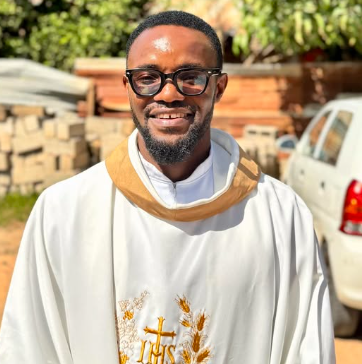
I appreciate you sharing this bold take—it’s a topic that stirs deep emotions and theological debates in Christian circles, especially with recent viral sermons amplifying it. A Catholic priest’s recent argument (echoed widely online) claims praying against “untimely” or “premature” death implies God makes mistakes in His timing, which some view as unscriptural. But is it truly “totally unchristian and unbiblical”? Let’s unpack this thoughtfully, drawing from Scripture and diverse voices, without shying from the tension.
The Core Tension: God’s Sovereignty vs. Our Prayers
At heart, this boils down to how we reconcile God’s ultimate control (Proverbs 16:9: “The heart of man plans his way, but the Lord establishes his steps”) with Jesus’ own model of intercession. The Bible doesn’t use phrases like “untimely death” explicitly, but it does affirm death as a universal appointment (Hebrews 9:27: “It is appointed for man to die once, and after that comes judgment”). Critics of such prayers argue it smacks of superstition—implying we can “bargain” with divine will or ward off a “spirit of death” like a magical incantation. They point to Ecclesiastes 3:1-2 (“For everything there is a season… a time to be born, and a time to die”) as evidence that all endings are ordained, not accidents to pray away. In this view, fixating on longevity distracts from eternal life, breeding anxiety rather than trust (Philippians 4:6: “Do not be anxious about anything, but in everything by prayer… let your requests be made known to God”).
Yet, the counterargument isn’t baseless. Scripture overflows with pleas for deliverance from peril—David’s cries in Psalms (e.g., Psalm 91: “He will cover you with his pinions… you will not fear the terror of the night”), Hezekiah’s bargain for extra years (2 Kings 20:1-6, where God grants 15 more after prayer), and Jesus weeping at Lazarus’ tomb before raising him (John 11:35-44). These suggest praying against death’s sting—premature or not—isn’t presumptuous; it’s partnering with God’s compassion. Early church fathers like Augustine echoed this, seeing such intercessions as aligning with divine mercy, not overriding it.
What the Broader Christian World Says
This isn’t a fringe spat. In African and Pentecostal circles (where “untimely death” prayers are common), it’s often tied to spiritual warfare against evil forces (Ephesians 6:12), with figures like Nigerian pastors defending it as biblical resistance. Conversely, Reformed theologians and some Catholics (like the priest in question) call it a cultural import, not core doctrine—potentially idolatrous if it elevates physical life over spiritual readiness. Online, it’s polarizing: One X user prays boldly against it for their family, while another highlights the priest’s sermon as a “wake-up call” to embrace God’s timing.
Experts like those at GotQuestions.org note no direct biblical mandate for “anti-untimely death” rituals, but affirm general prayers for protection (James 5:14-15 on healing). The key? Intent. If it’s fear-driven hoarding of years, it veers unbiblical (Matthew 6:25-34 warns against worrying about life). If it’s humble submission—”Thy will be done” (Matthew 6:10)—it’s as Christian as the Lord’s Prayer.
A Personal Reflection to Chew On
Whether you’re in the “all death is timely” camp or see value in petitioning for more days to serve, the gospel’s anchor is resurrection hope (1 Corinthians 15:54-57: “Death is swallowed up in victory”). It frees us from death’s terror, untimely or not. If this resonates or ruffles, what’s sparked your view—personal loss, a sermon, or something else? I’m here to dig deeper, no judgment. Faith’s messy, but that’s where growth happens.