Mind-Blowing Discovery: Sick Ant Pupae Send “Kill Me” Signal to Save Colony from Deadly Infections
Ant pupae kill me signal reveals how terminally ill young ants emit a chemical scent triggering destructive disinfection by workers, showcasing ant colony altruism, social immunity ants, and insect disease defense in a groundbreaking 2026 study on epidemic prevention.
Nature never ceases to amaze. In a stunning act of self-sacrifice, young ants facing fatal infections actively signal adult workers to destroy them—preventing outbreaks that could wipe out the entire colony.
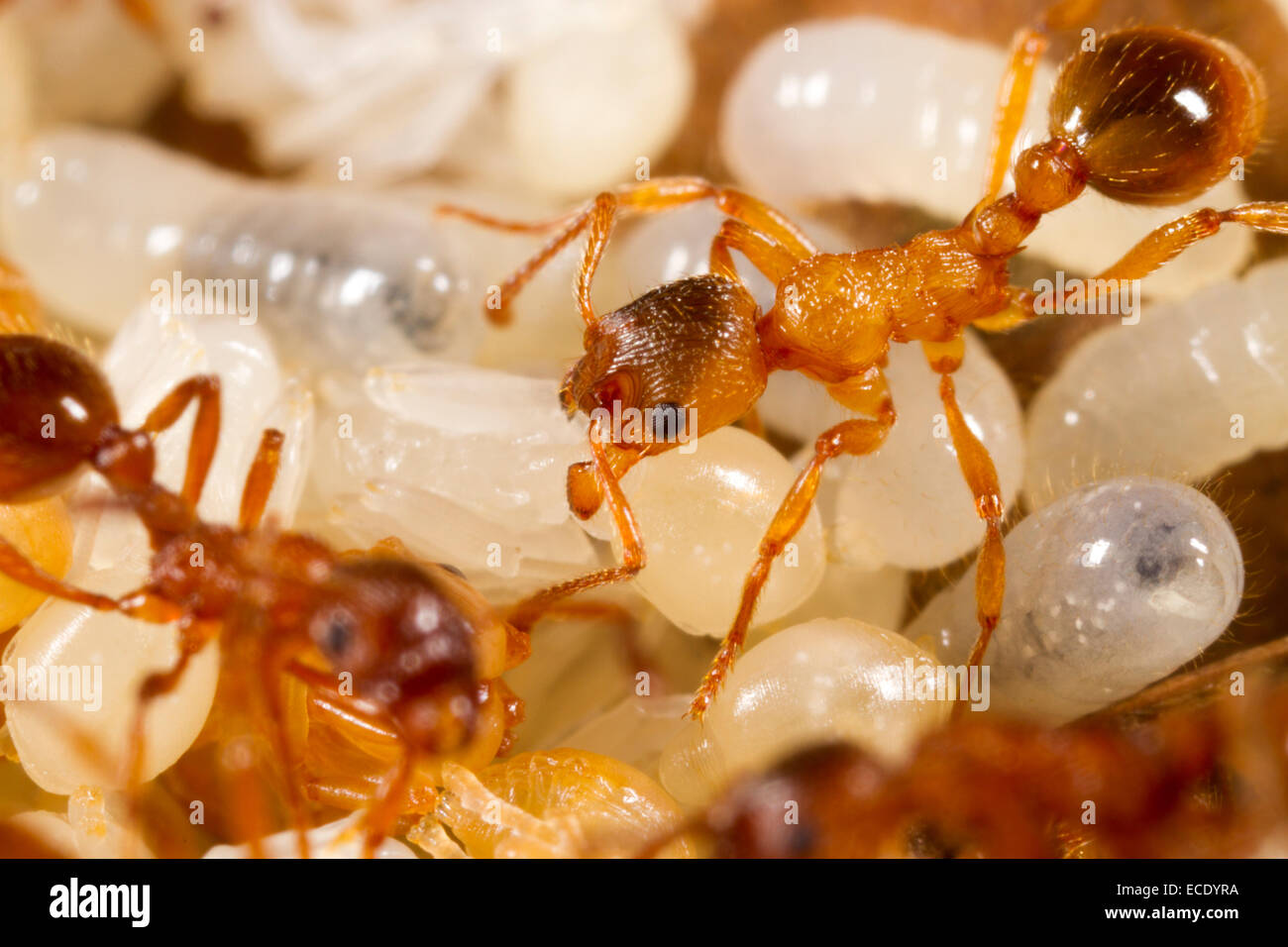
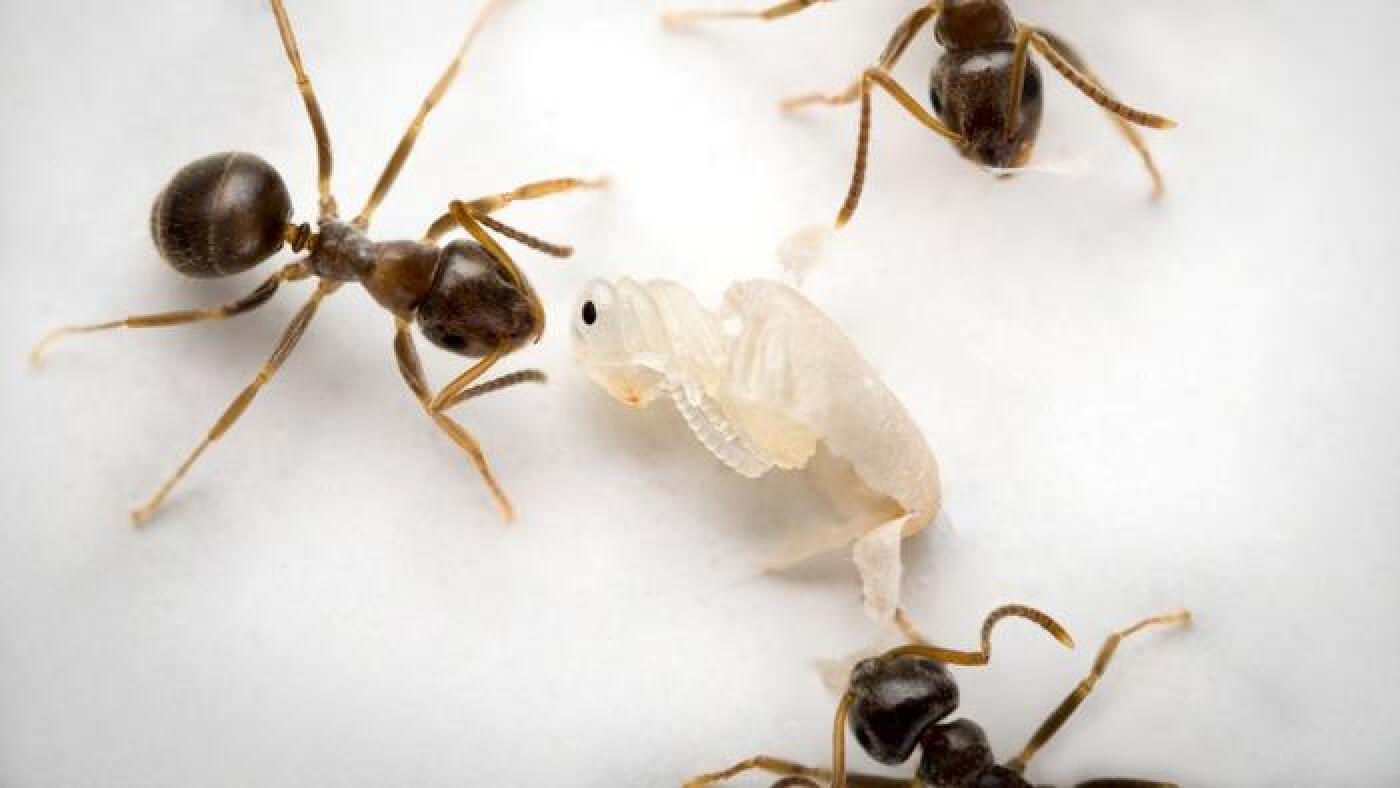
Researchers at the Institute of Science and Technology Austria uncovered this behavior in invasive garden ants (Lasius neglectus). When a pupa—still in its cocoon and immobile—contracts an incurable fungal infection, it releases a specific olfactory cue only if worker ants are present to respond.

Workers then unpack the cocoon, apply antiseptic acids, and ultimately kill the pupa in a process called “destructive disinfection.” This happens before the infection becomes contagious, safeguarding nestmates.

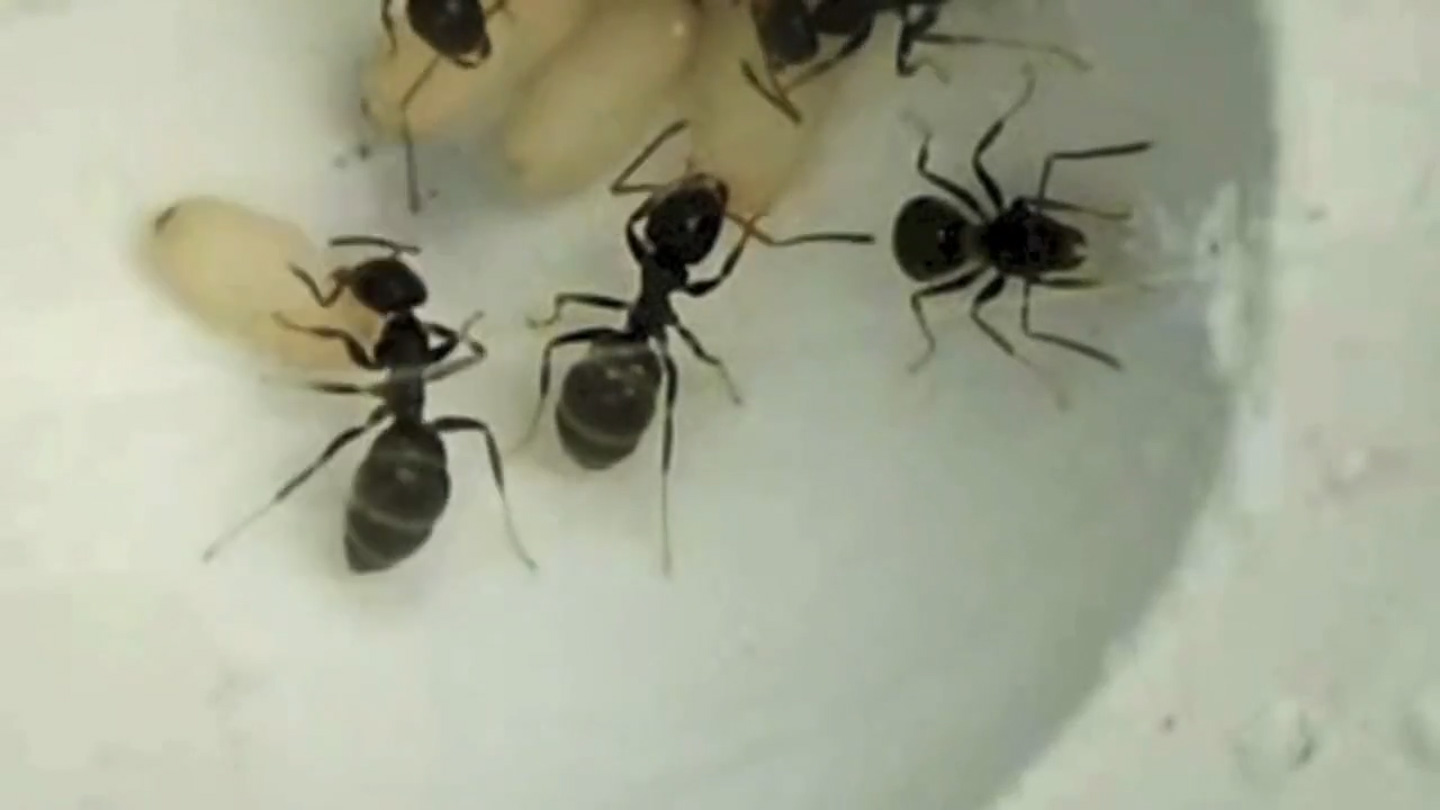
The study, published in Nature Communications, proves the signal is deliberate. Isolated infected pupae produce no scent, conserving energy. But with workers nearby, they emit it—costly but colony-saving.
Experiments transferred the chemical to healthy pupae, prompting workers to destroy them anyway, confirming the smell as the trigger. Notably, only worker-destined pupae signal; future queens fight infections independently.
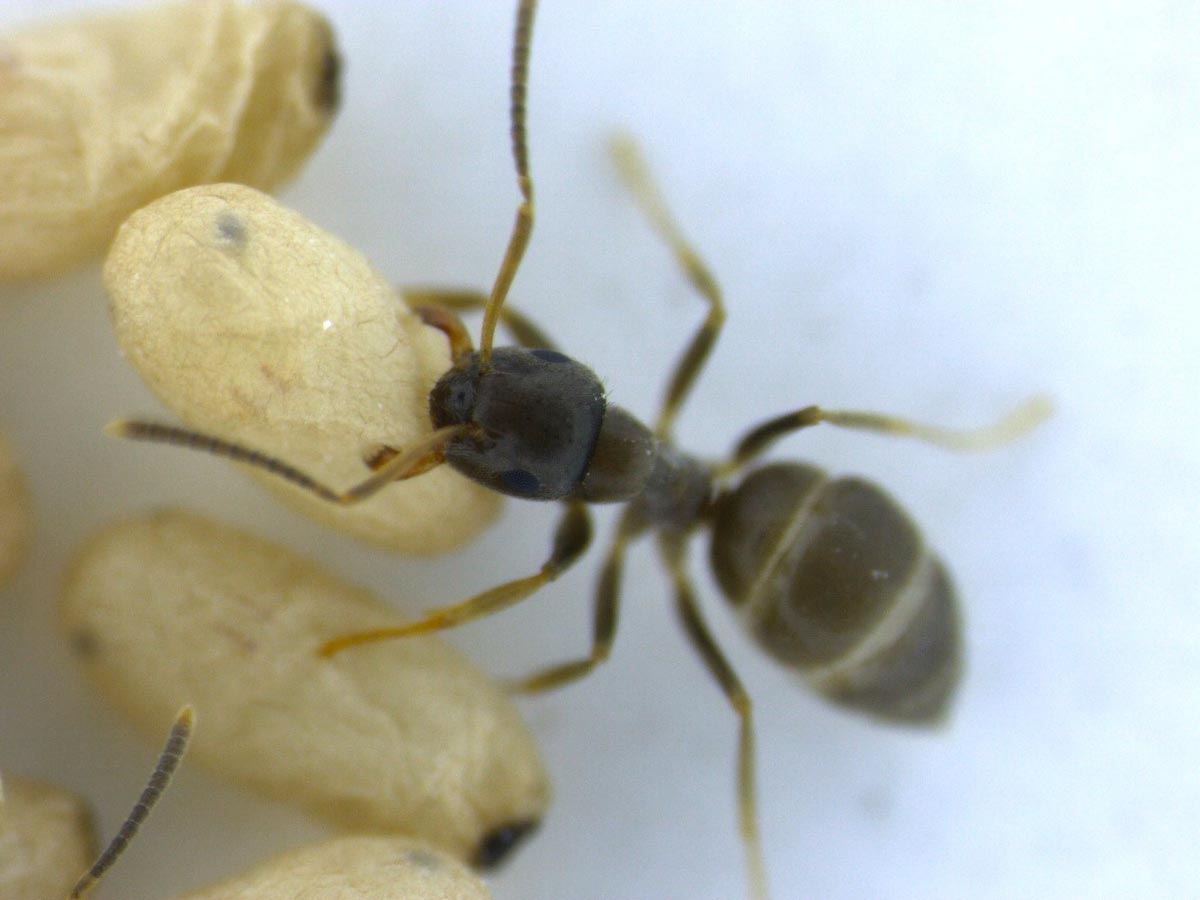

Lead researcher Sylvia Cremer explains this “social immunity” mirrors human immune responses, with individuals collaborating for collective survival. Ant colonies, dense and genetically similar, are epidemic hotspots—making such defenses vital.

Other strategies include infected adults isolating themselves or queens consuming diseased brood. Behavioral ecologist Neil Tsutsui calls it “selfish altruism”—sterile workers sacrifice for shared genes carried by reproductives.
Public fascination exploded online, with reactions blending awe and chills: “Nature’s brutal efficiency!” one commenter noted. The findings highlight insect societies’ sophistication, often compared to superorganisms.
For U.S. readers, this advances entomology and evolutionary biology, informing pest control (like invasive ants) and biomimicry for human epidemic models—relevant amid ongoing pathogen concerns. It also sparks philosophical debates on altruism versus survival instincts.
Technologically, chemical ecology tools enabled detection, paving ways for broader disease studies in social animals.
This “kill me” mechanism underscores ants’ remarkable adaptations, ensuring colony longevity through individual loss.
Ant pupae kill me signal through chemical cues enables destructive disinfection, exemplifying ant colony altruism, social immunity ants, and advanced insect disease defense strategies that protect against epidemics.
By Sam Michael
Follow us on X @realnewshubs and subscribe for push notifications
Follow and subscribe to us to increase push notifications.
ant pupae kill me signal, destructive disinfection ants, ant colony altruism, social immunity ants, insect disease defense, Lasius neglectus research, Sylvia Cremer ants study, ant epidemic prevention, altruistic behavior insects, fungal infection ants 2026