Hey there! We’ve all seen those warning labels on medication bottles about avoiding alcohol, but it’s easy to brush them off—especially during the holidays or social gatherings. The truth is, mixing alcohol with certain common medications can lead to serious, even life-threatening issues like extreme drowsiness, breathing problems, liver damage, or internal bleeding. Alcohol acts as a central nervous system depressant, and when combined with meds that have similar effects, it amplifies the risks dramatically.
According to experts from sources like the National Institute on Alcohol Abuse and Alcoholism (NIAAA) and recent health reports, here are six common medication types you should never mix with alcohol. I’ll explain why for each, with real risks backed by medical insights.
1. Opioid Painkillers (e.g., Oxycodone, Hydrocodone, Codeine)
These are prescribed for moderate to severe pain, like after surgery or for chronic conditions.
Why it’s dangerous: Both alcohol and opioids slow down your breathing and brain activity. Together, they can cause severe respiratory depression—meaning your breathing could slow or stop altogether—leading to coma, overdose, or death. Even moderate drinking heightens this risk significantly.
This combo is one of the most deadly, contributing to many accidental overdoses.

2. Benzodiazepines and Anxiety/Sleep Meds (e.g., Xanax, Valium, Ambien)
Common for anxiety, insomnia, or panic attacks (benzos like alprazolam; sleep aids like zolpidem).
Why it’s dangerous: These are sedatives that relax your central nervous system, just like alcohol. Mixing them causes extreme drowsiness, dizziness, impaired coordination, memory blackouts, and dangerously slowed breathing. It can lead to falls, accidents, or fatal overdose.
Doctors stress complete avoidance—it’s often called the “most deadly combination” due to the additive sedation.
3. Acetaminophen (Tylenol or Paracetamol)
The go-to over-the-counter pain reliever and fever reducer, found in many cold meds too.
Why it’s dangerous: Alcohol and acetaminophen are both processed by the liver, and combining them (especially with heavy or chronic drinking) produces toxic byproducts that can cause severe liver damage or acute liver failure. Even a “pre-emptive” Tylenol after drinking can be risky.
This is one of the leading causes of liver transplants in some cases.
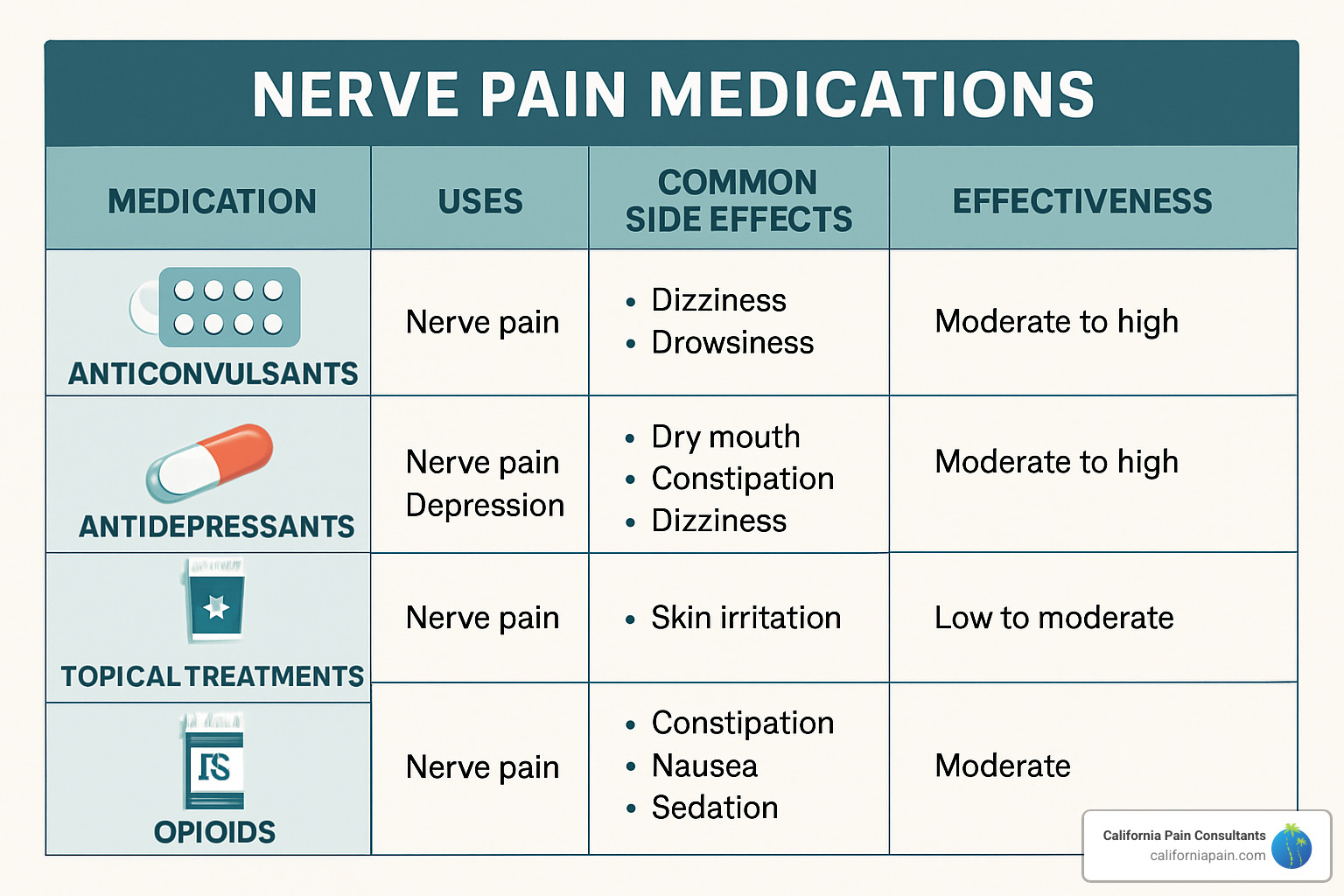
4. Antidepressants (Especially Certain Types like SSRIs or MAOIs)
Medications like sertraline (Zoloft), fluoxetine (Prozac), or older MAOIs.
Why it’s dangerous: Alcohol can worsen depression symptoms and counteract the med’s benefits. It intensifies side effects like drowsiness, dizziness, and impaired thinking. With MAOIs, it can cause dangerous blood pressure spikes. Overall, it increases risks of suicidal thoughts or serotonin syndrome in some cases.
Many antidepressants carry explicit warnings against alcohol.
5. NSAIDs (e.g., Ibuprofen, Naproxen like Advil or Aleve)
Common OTC anti-inflammatory pain relievers for headaches, arthritis, or muscle aches.
Why it’s dangerous: Alcohol irritates the stomach lining, and NSAIDs do too—increasing the risk of gastrointestinal bleeding, ulcers, or stomach perforation. Chronic use or heavy drinking makes this far worse.
It’s especially risky if you take them regularly.
6. Certain Antibiotics (e.g., Metronidazole, Tinidazole)
Prescribed for infections like bacterial vaginosis or dental issues.
Why it’s dangerous: These cause a severe “disulfiram-like” reaction: flushing, intense nausea, vomiting, rapid heartbeat, headaches, and low blood pressure. It can make you violently ill and, in rare cases, lead to heart problems.
Not all antibiotics interact this way, but these specific ones do—avoid alcohol entirely during treatment and for a few days after.
Quick Tips to Stay Safe
- Always read labels and ask your pharmacist or doctor.
- If a med causes drowsiness, assume alcohol will worsen it.
- Older adults are at higher risk due to slower metabolism.
- Even one drink can interact—better safe than sorry.
This isn’t an exhaustive list (others like blood thinners or allergy meds can also be problematic), but these are among the most common and dangerous. If you’re on any medication and enjoy the occasional drink, chat with your healthcare provider—they can guide you personally.
Stay healthy and enjoy responsibly! If you have questions about a specific med, feel free to ask. ?