Introduction
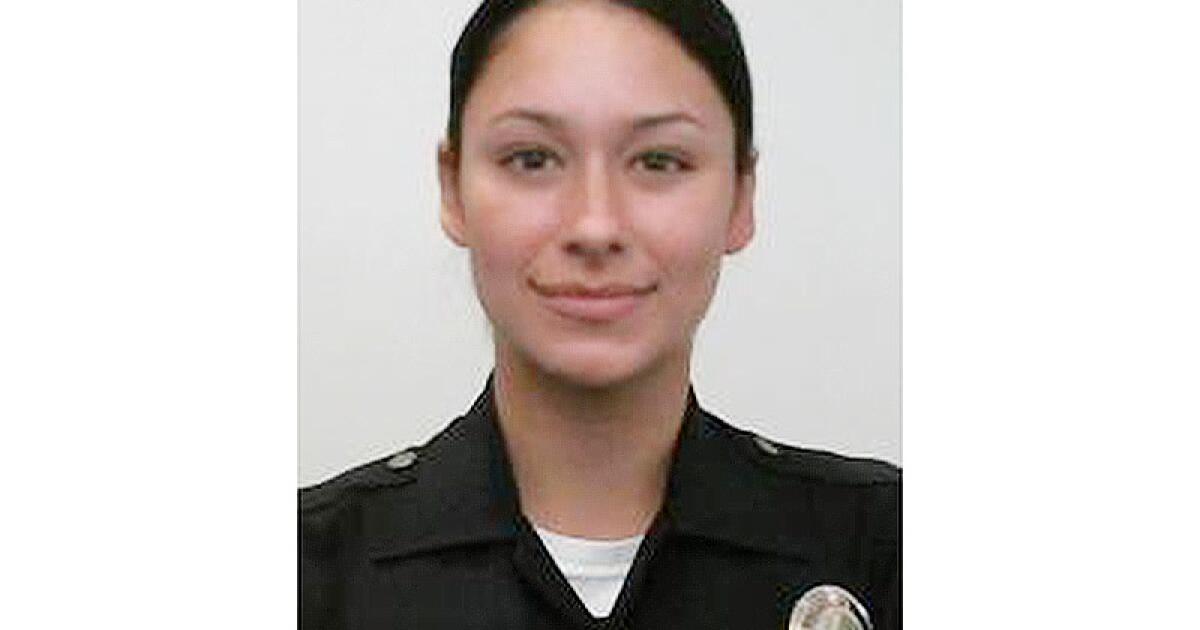
In a brief order issued Monday without comment, the U.S. Supreme Court declined to block an excessive force lawsuit against former Los Angeles Police Department officer Toni McBride. The decision clears the way for the case to proceed in lower courts, nearly six years after McBride fatally shot 38-year-old Daniel Hernandez during a street encounter in South Los Angeles.
The ruling comes over objections from Justices Clarence Thomas and Samuel Alito Jr. It leaves in place a divided 2025 decision by the 9th U.S. Circuit Court of Appeals that revived key parts of the lawsuit brought by Hernandez’s family.
What Happened
On April 22, 2020, LAPD officers responded to a multi-vehicle crash near downtown Los Angeles. Daniel Hernandez had driven a pickup truck into several cars at high speed before exiting the vehicle. Witnesses and 911 callers reported that Hernandez appeared to be in distress, possibly under the influence of methamphetamine, and was armed with a box cutter.
Body camera footage shows Hernandez walking toward Officer McBride and her partner while holding the blade. McBride repeatedly ordered him to drop the knife. Hernandez continued advancing despite the commands. McBride then fired six shots in roughly six seconds. Hernandez fell to the ground during the sequence and was struck by the final shots while on the ground, curled with his knees toward his chest and rolling slightly. He died from his injuries at the scene.
Key Details
Lower courts have drawn distinctions between the shots. A federal district court determined that McBride had reason to fire the first four shots while Hernandez was advancing and posed an immediate threat. However, the court and later the 9th Circuit focused on the final two shots, fired after a roughly one-second pause once Hernandez was down.
In a 6-5 ruling in 2025, the 9th Circuit held that a reasonable jury could find the last two shots excessive. The majority noted that McBride had a brief window to reassess whether Hernandez still presented a continuing threat after he fell. The court stated it has been clearly established for more than a decade that officers generally may not continue shooting a wounded suspect who has fallen to the ground absent some indication of ongoing danger.
The 9th Circuit reversed an earlier grant of qualified immunity on those shots, allowing the excessive force claim to move forward. Dissenting judges argued the entire encounter unfolded in seconds under chaotic conditions and warned against judging officers’ split-second decisions through frame-by-frame video analysis years later.
Why It Matters
The case highlights ongoing tensions in police accountability law, particularly around qualified immunity. This doctrine generally protects officers from civil liability unless they violate clearly established constitutional rights. Supporters say it allows officers to act decisively without fear of constant lawsuits. Critics contend it often shields even questionable uses of force from meaningful review.
The Supreme Court’s decision not to intervene means the 9th Circuit’s approach—requiring consideration of whether an officer had time to reassess after a suspect is down—will govern this case. It adds to a series of recent rulings examining how courts should evaluate the full context of rapidly unfolding police encounters under the Fourth Amendment.
Expert Analysis
UC Berkeley Law Dean Erwin Chemerinsky, who filed a response urging the Supreme Court to let the lawsuit proceed, said the 9th Circuit correctly left the factual dispute for a jury to resolve. Legal observers note that body camera footage has changed how courts review these incidents, providing a detailed record but also inviting hindsight analysis that officers on the scene did not have.
The divided 9th Circuit opinion reflects broader debates: how much time is reasonable for reassessment in a six-second encounter, and whether clearly established law gives sufficient notice to officers in fast-moving, high-stress situations.
Public or Market Reaction
Public reaction to the Supreme Court’s procedural order has been limited so far. The underlying case, however, has long drawn interest from civil rights advocates seeking greater accountability and from law enforcement groups concerned about the erosion of qualified immunity protections.
McBride, who retired from the LAPD on medical grounds after the incident, has maintained through legal filings that her actions were justified self-defense against an armed suspect who had caused a serious crash and refused to comply with commands. Hernandez’s family has sought justice through the courts, arguing that continued gunfire after he was on the ground was unnecessary and unconstitutional.
What’s Next
The case returns to the U.S. District Court in California for further proceedings. A jury may ultimately decide whether the final shots violated the Fourth Amendment and whether qualified immunity applies. The City of Los Angeles and the LAPD also remain defendants on certain claims. Settlement talks remain possible, though both sides have shown resolve through years of litigation.
Conclusion
The Supreme Court’s decision allows the legal process to continue for the family of Daniel Hernandez and former Officer Toni McBride. It underscores the difficult balance courts must strike between protecting officers who make life-or-death decisions in seconds and ensuring that claims of excessive force receive full and fair consideration when body camera evidence raises legitimate questions about the sequence of events.
Source: RealNewsHub.com
Written for American audiences by the RealNewsHub Editorial Team.