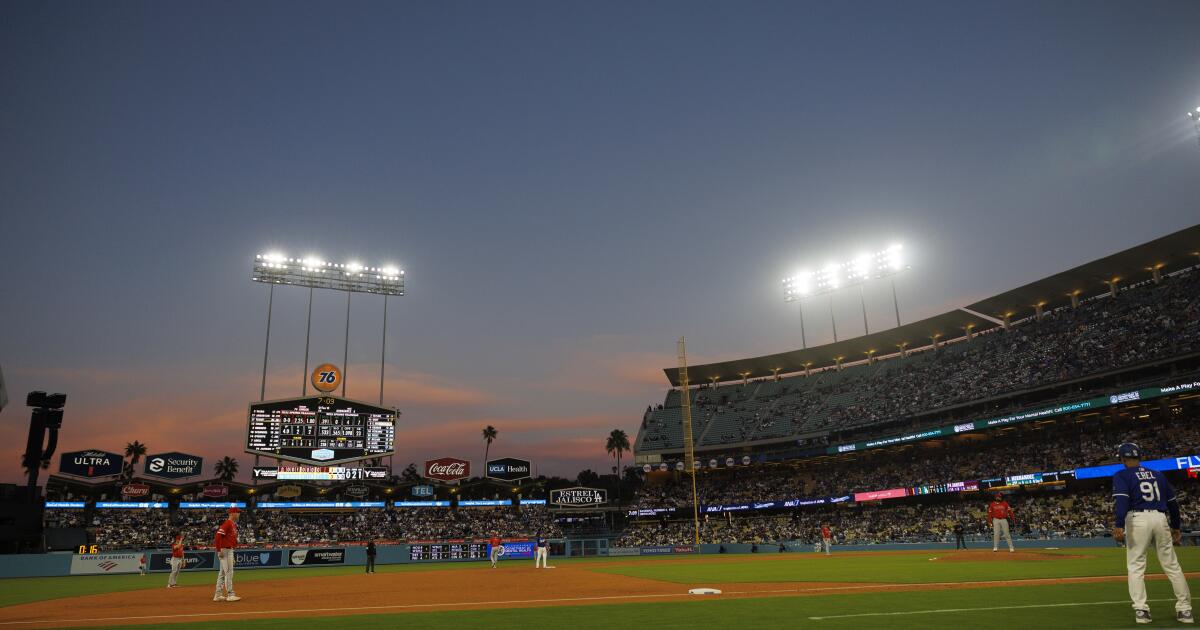
There Might Be One Advantage to Climate Change: More Home Runs at Dodger Stadium
Los Angeles, June 19, 2026 — While climate change brings serious challenges, baseball fans at Dodger Stadium may be seeing one unexpected side effect: more home runs flying out of the park.
A growing body of scientific research suggests that rising temperatures are making the air less dense, allowing baseballs to travel farther. This effect is particularly noticeable at outdoor stadiums like Dodger Stadium, which has recorded some of the highest home run totals in recent seasons.
The Science Behind the Surge
Warmer air holds more moisture and becomes less dense. When a baseball is hit, it encounters less air resistance in thinner air, allowing it to carry farther. Studies have quantified this effect:
- A 1°C (1.8°F) increase in game-day high temperature leads to roughly 1.7% to 2% more home runs per game in outdoor stadiums.
- According to a major 2023 study from Dartmouth College, climate change was responsible for approximately 58 extra home runs per season across MLB between 2010 and 2019 — totaling around 577 additional home runs during that decade.
Researchers project that if global warming continues at current rates, climate change could account for 10% or more of all MLB home runs by the end of the century.
Why Dodger Stadium Stands Out
Dodger Stadium has consistently ranked among the top parks for home runs in recent years. Several factors contribute, including the ballpark’s elevation, wind patterns, and — increasingly — warmer temperatures in Southern California.
The combination of these elements has created conditions where fly balls that might have been caught in previous decades are now clearing the fences more frequently. Both the Dodgers and visiting teams have benefited from (or been hurt by) this trend, depending on which side of the ball they’re on.
Broader Impact Across MLB
The phenomenon isn’t limited to Los Angeles. Across Major League Baseball, warmer game days have contributed to the long-term increase in home runs that began accelerating in the mid-2010s.
While other factors — such as changes in baseball construction, launch angle analytics, and player training — have played larger roles, climate change has emerged as a measurable and growing contributor.
A Silver Lining With a Caveat
For fans who enjoy the excitement of long home runs and high-scoring games, this trend offers a quirky upside to rising global temperatures. However, scientists and environmental experts are quick to point out that any “benefit” to baseball is vastly outweighed by the broader negative impacts of climate change on weather patterns, sea levels, and extreme events.
As temperatures continue to climb, baseball statisticians and analysts will likely keep a closer eye on how environmental factors influence the game — from home run rates to pitching performance and even game scheduling.
For now, though, Dodger Stadium fans might have one more reason to cheer when the ball leaves the yard: it could be climate change helping it on its way.
Mark Smith
Follow us on X @realnewshubs and subscribe for push notifications