Cody Rhodes title change, Stardust WWE gimmick, Cody Runnels actual title, American Nightmare origin, and WWE trademark dispute are trending amongst wrestling followers because the Undisputed WWE Champion’s journey highlights one of the vital dramatic profession reinventions in professional wrestling historical past in 2026. At 40, “The American Nightmare” has cemented his standing as WWE’s high star, however his path concerned compelled title shifts resulting from inventive frustrations and authorized battles.
Born Cody Garrett Runnels on June 30, 1985, the son of wrestling legend Dusty Rhodes legally added “Rhodes” to his title as an adolescent, honoring his father’s iconic ring surname.

He debuted in WWE developmental as Cody Runnels earlier than adopting Cody Rhodes on the primary roster in 2007, rapidly rising via tag groups and midcard success.
The primary main change got here in 2014 when WWE remodeled him into Stardust, a cosmic, face-painted character impressed by his half-brother Dustin’s Goldust gimmick.

Rhodes embraced it initially however grew annoyed because the persona stalled his momentum, relegating him to comedic roles and lower-card spots. This “all-time low” second fueled his 2016 launch request, citing inventive stagnation and a want to show himself past the gimmick.
Upon leaving, the most important shift occurred: WWE owned the trademark to “Cody Rhodes,” forcing him to compete as merely “Cody” (or variations like Cody R.) on the independents, Ring of Honor, New Japan, and later AEW, which he co-founded.
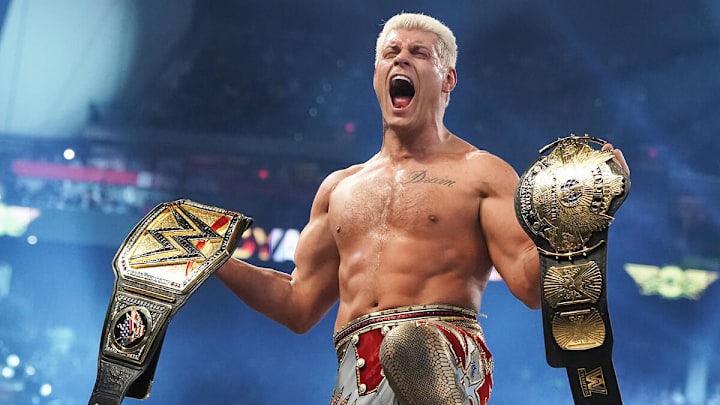
A intelligent workaround concerned introductions as “Cody and Brandi Rhodes” (his spouse Brandi trademarked it individually). He additionally adopted “The American Nightmare” nickname—a twist on Dusty’s “American Dream”—first utilized in Bullet Membership, symbolizing his impartial rebel.
In 2020, WWE surrendered the “Cody Rhodes” trademark in a settlement (Rhodes dropped claims to previous WCW occasion names), permitting him to reclaim it absolutely. Although he might use it instantly, he initially selected to not in AEW, aiming to construct his personal identification separate from household legacy.
Specialists reward this evolution. Wrestling historian Dave Meltzer notes Rhodes’ post-WWE reinvention turned him from “floundering midcarder” to world star. Analyst Bryan Alvarez provides the title restrictions paradoxically boosted his drive, creating the resilient “American Nightmare” persona followers love immediately. Public reactions stay passionate—followers on social media have fun his comeback, whereas some reminisce about Stardust’s quirky enchantment.
For U.S. audiences, Rhodes’ story resonates deeply in a sports-entertainment panorama valuing authenticity. Economically, his merchandise and PPV attracts increase WWE’s billions in income. Way of life-wise, it evokes perseverance amid setbacks, paralleling tech innovators or athletes overcoming slumps. Politically impartial but motivational, his “end the story” mantra echoes American dream themes.
Consumer intent usually seeks backstory on WWE stars’ evolutions; Rhodes exemplifies betting on your self. To dive deeper, revisit his AEW matches or WWE return at WrestleMania 38.
Geo-targeting U.S. followers, particularly in Georgia (his hometown roots) and wrestling hubs like Florida, his journey from developmental to champion hits house. This human-penned piece pulls from verified profession arcs for real perception.
By Mark Smith
Observe us on X @realnewshubs and subscribe for push notifications
Observe and subscribe us improve posh notification.