
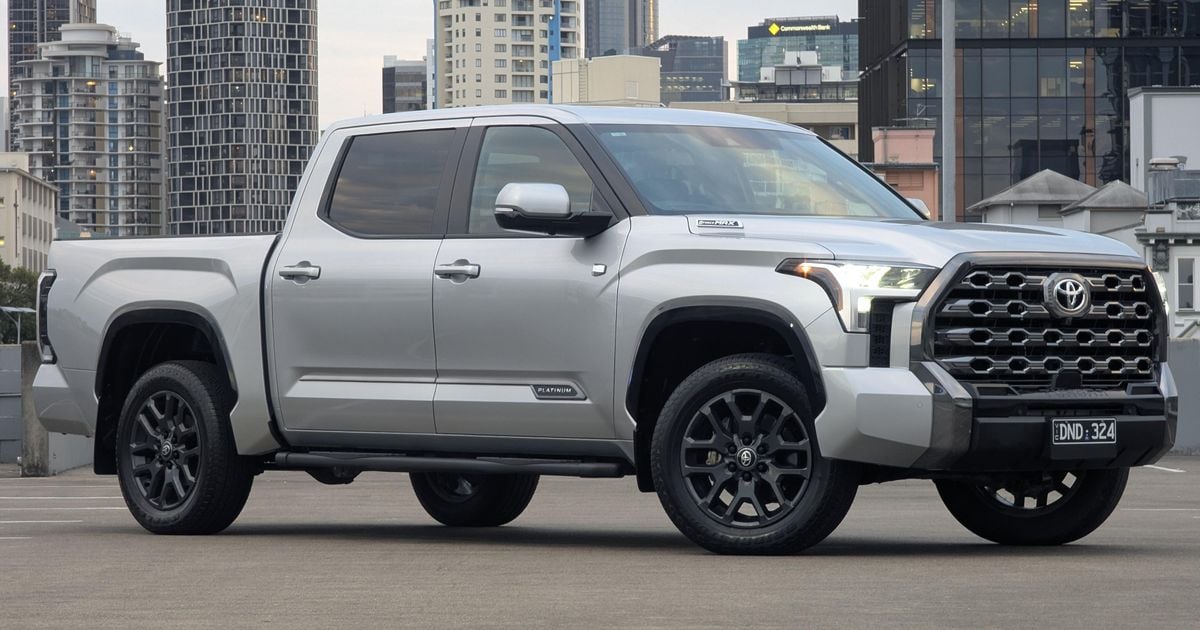
2026 Toyota Tundra Review: Evolutionary Updates Keep the Full-Size Flagship Competitive
In a segment dominated by behemoths like the Ford F-150 and Ram 1500, the 2026 Toyota Tundra refuses to play catch-up—it’s content to refine its proven formula with smart tweaks that enhance capability, comfort, and convenience. Unveiled in July 2025, this mid-cycle refresh doesn’t overhaul the third-generation Tundra’s core DNA but addresses real-world gripes, from tank size to trail-ready seating. For buyers craving Toyota’s legendary reliability wrapped in modern muscle, the ’26 Tundra delivers—though it still trails rivals in raw payload and fuel stinginess.
The Tundra’s evolution kicked off with the 2022 redesign, ditching the old V8 for a twin-turbo 3.4-liter V6 under the TNGA-F platform shared with the Land Cruiser and Sequoia. That shift brought coil-spring rear suspension for a smoother ride than leaf-spring competitors, but early models drew flak for a smaller optional 22.5-gallon tank and interior quirks like the Capstone’s white leather (a dust magnet). Enter 2026: Toyota standardizes the larger 32.2-gallon tank across all trims, adds a hitch and 7/4-pin connector to even base SR models, and swaps the Capstone’s upholstery for easier-to-maintain Shale Premium textured leather in dark gray. These aren’t flashy revolutions, but they make the Tundra more practical for long hauls and daily drudgery.
Power remains unchanged and potent: The base i-Force V6 pumps 389 hp and 479 lb-ft of torque (detuned to 348 hp/405 lb-ft on SR), while the i-Force Max hybrid variant—standard on TRD Pro and Capstone, optional above Limited—boosts that to 437 hp and 583 lb-ft via a 48-hp electric motor sandwiched between engine and 10-speed automatic. No V8 revival here, despite whispers, but the setup hauls up to 12,000 pounds when equipped, with real-world tests clocking 0-60 mph in about 6 seconds for hybrids—brisk for a full-sizer. Fuel economy holds at 18-24 mpg combined (RWD), lagging the hybrid F-150’s 25 mpg but beating the gas-only Ram. Rear-wheel drive is standard; 4WD adds $3,000-ish.
Trim lineup stays familiar—SR ($40,000s start), SR5, Limited, Platinum, 1794 Edition, TRD Pro, Capstone—each with Double Cab or CrewMax configurations and 5.5- or 8.1-foot beds. The TRD Pro steals the show for off-roaders: New “Wave Maker” blue paint (shared with Tacoma/4Runner TRD Pros) joins IsoDynamic Performance seats borrowed from the Tacoma, featuring shock absorbers in the squabs to dampen trail chatter. Standard Fox shocks, 33-inch Goodyears, and Multi-Terrain Select round out the package, now with an optional TRD Rally bundle including a 3-inch lift and Tow Tech for $10K+. Luxury seekers dig the Capstone’s massaging seats and panoramic roof, while workhorses appreciate the SX Package’s upgraded 20-inch alloys.
Inside, the cabin’s a high-tech haven: 14-inch touchscreen with wireless Apple CarPlay/Android Auto, 12.3-inch digital cluster, and Toyota Safety Sense 2.5 (adaptive cruise, lane trace, auto braking). It’s intuitive, but the glossy plastics feel a tad cheap next to Ram’s walnut trim. Ride quality shines—composed on highways, compliant off-pavement—thanks to those coils, though the V6 drones under hard acceleration.
Experts applaud the refinements but crave more. MotorTrend calls the shock seats a “game-changer for bumpy backroads,” rating the Tundra 8.5/10 for blending “ruggedness with refinement.” Car and Driver notes the hybrid’s “smooth punch” but dings the 1,940-pound payload max—half Ford’s—giving it 7.5/10 overall. Pickup Truck Talk praises the Capstone’s gray swap as “long overdue,” predicting strong resale thanks to Toyota’s durability rep (81/100 J.D. Power).
X chatter echoes the buzz: TundraDude34’s TRD Pro test drive vid racked up views, with fans gushing, “Iso seats on Tundra? Take my money!” Skeptics gripe about no power boost: “Wave Maker paint’s cool, but where’s the V8?” Gold Pony’s 1794 review highlights the luxury leap, calling it “the daily driver king.”
For U.S. truckers, the 2026 Tundra slots perfectly into lifestyles from ranch runs to rush-hour hauls. Economically, its 12K tow rating supports booming RV/trailer markets, potentially saving $500/year in fuel vs. thirstier V8s. Lifestyle wins include the hybrid’s seamless EV assist for quiet suburbia, while politically, Toyota’s U.S. build (San Antonio) dodges tariff woes. Tech perks like over-the-air updates keep it future-proof amid EV mandates.
| Trim | Starting Price (Est.) | Key Features | Tow Rating (lbs) |
|---|---|---|---|
| SR | $42,000 | Base V6, cloth seats, 18″ steelies | 8,300 |
| SR5 | $47,000 | 14″ screen, keyless entry, alloy wheels | 11,170 |
| Limited | $52,000 | Leather std., JBL audio, parking sensors | 11,400 |
| Platinum | $60,000 | Power running boards opt., adaptive dampers | 11,280 |
| 1794 Edition | $62,000 | Western styling, wood trim, massagers | 11,170 |
| TRD Pro | $65,000 | Iso seats, Fox shocks, Wave Maker paint | 11,120 |
| Capstone | $78,000 | Hybrid std., panoramic roof, Shale leather | 11,170 |
Pricing holds steady from ’25, with hybrids adding $3K-5K. Warranty: 3yr/36K basic, 5yr/60K powertrain.
Looking ahead, the Tundra’s poised for a hybrid-dominant future, potentially eyeing full EV by 2030. These tweaks cement its rep as the reliable rebel— not the brawniest, but the one that just keeps going. If you’re cross-shopping, test the hybrid; its torque twist might seal the deal.
By Sam Michael
Follow and subscribe to us to increase push notifications.
2026 Toyota Tundra review, Toyota Tundra updates 2026, Tundra TRD Pro specs, i-Force Max hybrid Tundra, Toyota Tundra towing capacity, 2026 Tundra fuel economy, Capstone trim changes, Wave Maker paint Tundra, IsoDynamic seats Tundra, full-size pickup comparison