1. The Golden Eras of Munich
BMW’s contemporary lineup prioritizes digitized luxury and electric crossovers. For the purist, this creates a profound nostalgia for a time when mechanical feedback, analog steering, and high-revving naturally aspirated engines defined the brand. The “Ultimate Driving Machine” wasn’t a marketing slogan; it was an engineering mandate. The ten models listed below represent the absolute zeniths of BMW’s engineering, stretching from mid-century artwork to motorsport homologation specials.
2. The Definitive 10 Dream Bimmers
Every enthusiast secretly (or openly) covets these ten specific machines for their historical significance and unmatched driving dynamics:
- BMW 507 Roadster (1956–1959): A breathtakingly beautiful V8-powered icon. With only 252 ever built, it is the holy grail of collector BMWs.
- BMW M1 E26 (1978–1981): BMW’s only true mid-engined supercar. Its wedge-shaped Giugiaro design paired with the legendary M88 inline-six cemented the M Division’s legacy.
- BMW E9 3.0 CSL “Batmobile” (1973–1975): A radical, winged homologation special built to dominate European touring cars.
- BMW E30 M3 Sport Evolution (1990): The absolute peak of the original M3. It featured a larger 2.5-liter four-cylinder engine and adjustable track-ready splitters.
- BMW E39 M5 (1998–2003): Universally praised as the greatest sports sedan ever built. It perfectly balanced a 394-hp analog V8 with stealthy, timeless executive styling.
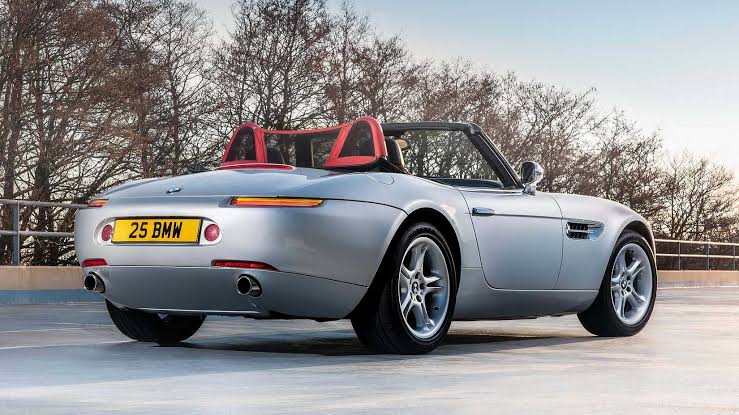
- BMW Z8 (2000–2003): A neon-retro masterpiece penned by Henrik Fisker, packing the E39 M5’s V8 into an all-aluminum, manual-only roadster body.
- BMW E31 850CSi (1992–1996): The true manual, V12-powered flagship grand tourer developed by BMW Motorsport.
- BMW E46 M3 CSL (2003): A stripped-out, carbon-fiber-clad precision instrument featuring the legendary S54 inline-six crying at 8,000 RPM.
- BMW E60 M5 (2005–2010): Infamous and revered for its Formula 1-derived, 5.0-liter S85 V10 engine that screamed all the way to an 8,250 RPM redline.
- BMW 2002tii (1971–1975): The nimble, fuel-injected grandfather of the modern sports sedan that put BMW on the global map.
3. Evaluating the Dream
If you are looking to hunt down one of these icons, look past the aesthetic appeal and analyze the driving architecture. The collection splits into two distinct categories: Pure Motorsport Homologation (E30 M3, E9 CSL, M1) and Peak Analog Grand Touring (E39 M5, Z8, 850CSi). For dynamic purity, the lightweight E46 CSL and E30 M3 offer unparalleled chassis communication. For pure theatrical value, nothing beats the mechanical symphony of the E60’s V10 or the E31’s V12.
4. The Reality Check
Owning a dream car demands a realistic view of its compromises:
The Enthusiast’s Paradox: The very traits that make these cars legendary—bespoke components, high-revving naturally aspirated engines, and complex mechanical setups—make them notoriously temperamental to maintain today.
The E60 M5’s rod bearings and SMG transmissions require deep pockets, while sourcing body panels for an E9 “Batmobile” or an M1 requires global detective work. Furthermore, clean examples of these cars have dramatically outpaced standard inflation, transitioning from used sports cars into high-value museum pieces.
5. Why We Still Want Them
Ultimately, these ten BMWs represent an unrepeatable chapter in automotive history. They remind us of an era when driving required skill, cars communicated through the steering rack instead of digital screens, and engineering was dictated by the racetrack rather than emissions boards. They remain the ultimate dream because they capture the pure, unfiltered soul of driving.