
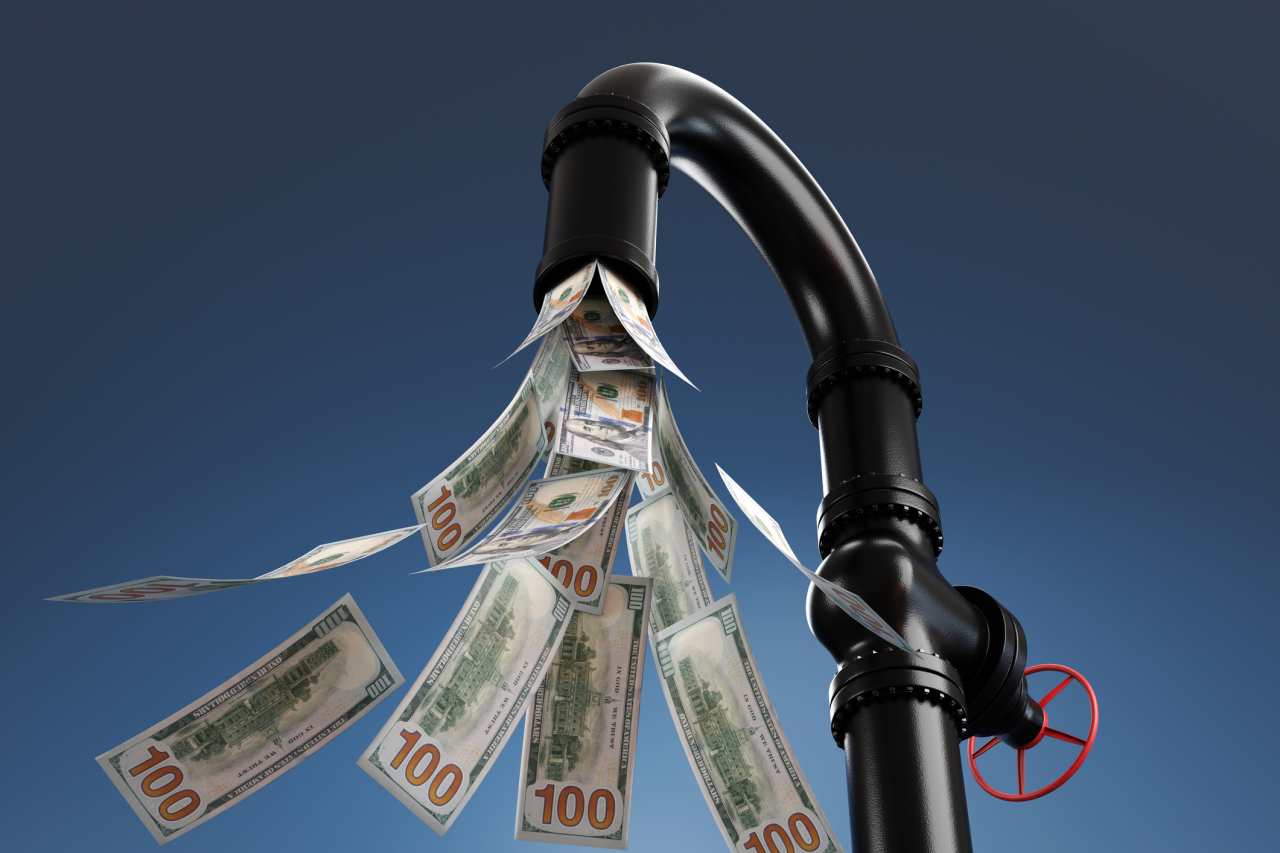
Upcoming Tax Refund Surge: JPMorgan Forecasts Economic ‘Sugar Rush’ and Market Turbulence
By Financial Insights Desk, New York, August 26, 2025 – A massive wave of tax refund is poised to hit American households in early 2026, potentially injecting billions into the economy and reshaping financial markets, according to a new analysis from JPMorgan Chase & Co. The surge, stemming from recent tax legislation, could act like a fresh round of stimulus checks, boosting consumer spending but also stoking inflation concerns.
JPMorgan Predicts Economic and Market Shifts
August 30, 2025 – A significant tax refund surge is anticipated in early 2026, according to JPMorgan Asset Management’s chief global strategist, David Kelly. This follows the IRS’s decision to maintain current withholding schedules for 2025, meaning taxpayers will likely receive larger refunds or lower tax payments when filing next year due to retroactive tax breaks from the One Big Beautiful Bill Act (OBBBA).
JPMorgan estimates the IRS will process 110 million refunds, averaging $3,743 each, totaling roughly $107 billion in payouts. Unlike pandemic-era stimulus, these refunds will primarily benefit upper-middle-income households, who tend to save more, potentially leading to a milder consumer spending boost focused on discretionary items rather than essentials. This could influence holiday season spending, with a modest economic lift expected.
However, the influx of refunds may complicate Federal Reserve policy. With inflation risks rising, the Fed might delay planned interest rate cuts, potentially steepening the yield curve, weakening the dollar, and pressuring stock prices. Kelly advises investors to diversify into international assets and alternative investments to mitigate risks.
The catalyst for this refund bonanza is the One Big Beautiful Bill Act (OBBBA), a sweeping tax reform package signed into law earlier this year and made retroactive to January 1, 2025. On August 7, 2025, the Internal Revenue Service (IRS) announced it would not update W-2 and 1099 withholding forms
[articlepage]
for the remainder of 2025, meaning workers’ paychecks will continue to reflect pre-OBBBA tax rates. This deliberate over-withholding is expected to result in significantly larger refunds or reduced tax bills when Americans file their 2025 returns next spring.
Key Tax Breaks Driving the Surge
The OBBBA introduces several taxpayer-friendly provisions not accounted for in current withholdings, effectively creating a deferred windfall:
- Exemptions on Specific Income: Elimination of federal income taxes on tips, overtime pay, and interest from auto loans.
- Senior Benefits: A new bonus deduction for individuals aged 65 and older.
- Enhanced Deductions: Increases in the state and local tax (SALT) deduction cap, along with permanent hikes to the standard deduction and child tax credit.
JPMorgan estimates these changes will cost the U.S. Treasury approximately $107 billion for the 2025 calendar year alone. This could translate to refunds for about 110 million taxpayers, with an average payout of $3,743—up from the current year’s 104 million refunds averaging $3,278. Notably, these tax breaks are temporary, set to phase out between 2028 and 2030, adding urgency to their short-term economic punch.
Economic Impacts: A Stimulus-Like Boost
JPMorgan analysts liken the refund surge to the pandemic-era stimulus payments, predicting it will supercharge consumer activity and provide a temporary lift to growth. Upper-middle-income families—those in the 50th to 90th income percentiles—are expected to reap the largest benefits, channeling funds into discretionary purchases rather than essentials. Wealthier households, however, may opt to save more of their windfalls.
If 80% of the refunds are spent, the influx could add roughly 0.27% to gross domestic product (GDP), with the bulk concentrated in the first half of 2026. This might propel annualized real GDP growth by more than 0.5% in the first quarter alone. Anticipation of the payouts could even spur preemptive spending, such as increased credit card usage during the 2025 holiday season.
Yet, the bank warns of a fleeting “economic sugar rush.” By the third quarter of 2026, spending momentum may wane, potentially leading to a slowdown or slump in the fourth quarter. Combined with other policy headwinds like higher tariffs and reduced immigration, this could necessitate additional government stimulus ahead of the 2026 midterm elections.
The overall effect? Sustained growth into 2026, but at the risk of reigniting inflation, which could challenge the Federal Reserve’s efforts to maintain price stability.
Market Shifts and Investor Strategies
The refund-driven stimulus may complicate the Fed’s monetary policy path. With inflation potentially ticking above target, the central bank might hesitate on further interest rate cuts following an anticipated 0.25% reduction on September 17, 2025. If cuts proceed in October and December amid rising prices, markets could doubt the Fed’s resolve, leading to volatility.
JPMorgan anticipates several market reactions:
- A steeper Treasury yield curve as short-term rates fall slower than expected.
- A softer U.S. dollar due to prolonged higher inflation.
- Pressure on stock prices, particularly in sectors sensitive to interest rates.
To mitigate risks, the bank advises investors to diversify beyond U.S. assets. Recommendations include boosting exposure to international equities and bonds denominated in foreign currencies, as well as alternative investments like commodities or real estate that exhibit lower correlation to domestic stocks and bonds. With limited scope for further declines in long-term rates, such strategies could provide a hedge against uncertainty.
As the OBBBA’s effects unfold, economists and investors will closely monitor consumer behavior and Fed signals. While the refund surge promises a welcome boost for many Americans, its broader implications underscore the delicate balance between fiscal stimulus and economic stability.
Server 1
Disclaimer: realnewsub.com does not promote any illegal activity. All the information given here is for educational purposes. We request all our users to please stop using illegal websites. If you are found guilty of uploading illegal content on such a platform, severe action will be taken by the government as per anti-piracy law.