
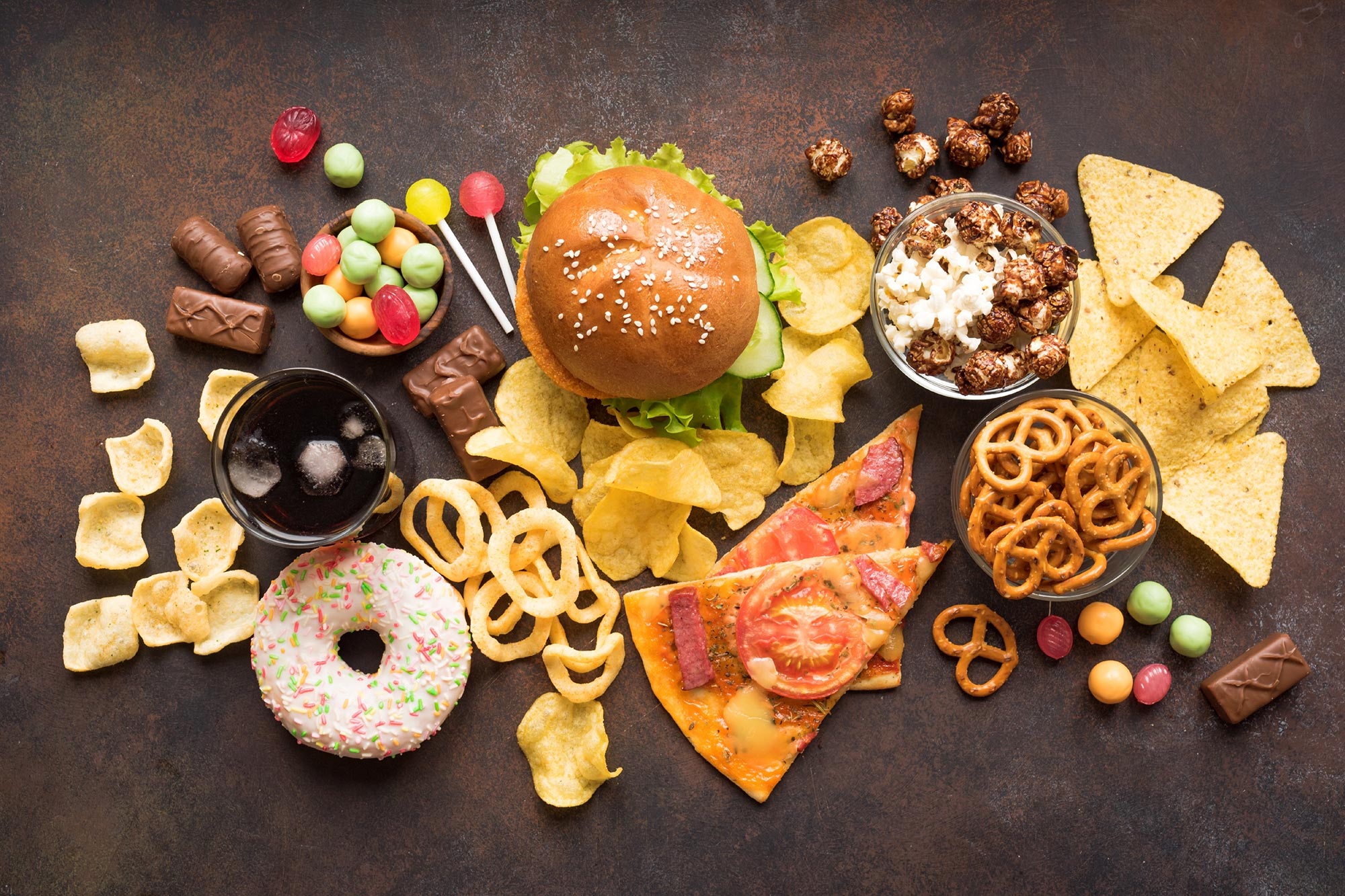
Ultra-processed foods (UPFs) have become a staple in modern diets, from sugary cereals and instant noodles to packaged snacks and ready meals. But amid growing concerns about their role in rising obesity rates and chronic diseases, a body of scientific research suggests that regular consumption of these convenient items may indeed pose significant health risks. While not all studies are conclusive, and some experts argue that not every UPF is equally harmful, the evidence points to associations with obesity, heart disease, diabetes, and even premature death. This article delves into what defines UPFs, the key scientific findings on their impacts, and practical takeaways for consumers in 2025’s fast-paced world.
What Are Ultra-Processed Foods?
To understand the debate, it’s essential to define UPFs using the NOVA classification system, developed by researchers at the University of São Paulo and widely adopted in studies. UPFs are industrial formulations made from substances extracted from foods (like oils, fats, sugars, and starches) or synthesized in labs, combined with additives such as preservatives, emulsifiers, artificial flavors, and colors. These products are designed to be hyper-palatable, long-lasting, and convenient, often with little resemblance to whole foods.
Common examples include:
- Soft drinks and energy drinks
- Packaged snacks like chips and cookies
- Instant soups, frozen pizzas, and ready-to-eat meals
- Processed meats such as hot dogs and bacon
- Sweetened yogurts, cereals, and baked goods
In contrast, minimally processed foods (like fresh fruits, vegetables, or plain yogurt) retain their natural properties. The issue with UPFs isn’t just their ingredients but how processing alters nutritional profiles – often stripping fiber and nutrients while adding excess salt, sugar, and unhealthy fats, making them calorie-dense and easy to overconsume.
Globally, UPFs now make up over 50% of calories in many Western diets, including in the U.S. and UK, a rise driven by convenience and marketing. In developing countries like Nigeria or India, their consumption is surging as urbanization increases.
What Does the Science Say About Health Risks?
The scientific consensus, based on observational studies and meta-analyses, links high UPF intake to several adverse health outcomes, though causation isn’t fully established due to study limitations like self-reported diets and confounding factors (e.g., lifestyle). Here’s a breakdown of key findings:
- Obesity and Weight Gain: Multiple studies associate UPFs with higher body mass index (BMI) and obesity risk. A 2019 randomized controlled trial in the Cell Metabolism journal (cited in reviews) found participants on a UPF diet consumed 500 more calories daily and gained weight, compared to a whole-food diet, due to faster eating rates and lower satiety. A 2024 umbrella review in The BMJ confirmed a 31% higher mortality risk for high UPF consumers, partly tied to obesity.
- Cardiovascular Disease: UPFs are linked to a 4% higher risk of all-cause mortality and specific heart issues. A 2024 BMJ study of over 100,000 participants found greater UPF exposure associated with cardiometabolic risks like hypertension and dyslipidemia. Processed meats and sugary drinks, common UPFs, contribute to inflammation and poor cholesterol profiles.
- Diabetes and Metabolic Syndrome: High UPF diets correlate with a 26% increased risk of type 2 diabetes, per a 2024 Nutrients narrative review. The added sugars and refined carbs disrupt blood sugar regulation, leading to insulin resistance.
- Cancer and Other Diseases: Evidence suggests links to colorectal and breast cancers, with a 2023 The Lancet study noting higher risks from emulsifiers and preservatives in UPFs. Mental health impacts include common disorders like depression, tied to gut microbiome changes from additives.
A 2024 Harvard Health Publishing blog summarized: “Dozens of scientific studies have found links between the consumption of foods often considered ultra-processed with numerous adverse health outcomes.” However, not all UPFs are equal – fortified cereals or plant-based milks may offer benefits, per a 2024 AMA Journal review. Limitations include observational data’s inability to prove cause, and varying UPF definitions across studies.
Background: Why the Concern Now?
UPFs emerged post-World War II with food industrialization, but their health scrutiny intensified in the 2010s via the NOVA system. The COVID-19 pandemic amplified consumption, with lockdowns boosting processed food sales by 15% globally (Nielsen data). In 2025, amid economic pressures like 2.9% U.S. inflation, affordability drives UPF reliance – they’re cheap and shelf-stable but nutrient-poor. Governments respond: The UK taxes sugary drinks, while the U.S. FDA proposes front-of-pack labeling for UPFs by 2026.
The Impact: Broader Societal and Economic Ramifications
Beyond individual health, UPF-heavy diets contribute to global burdens: The WHO estimates obesity affects 1 in 8 people, costing $2 trillion annually in healthcare. In the U.S., UPFs link to $1 trillion in annual chronic disease costs. Environmentally, UPF production drives deforestation and emissions, per a 2023 Nature study. Next steps include more randomized trials and policy reforms, like Brazil’s NOVA-based food guidelines.
Conclusion: A Balanced Approach to UPFs
Science increasingly indicates that ultra-processed foods are unhealthy when consumed in excess, linked to weight gain, heart disease, and more, though not all are villains, and more research is needed for causality. The key takeaway: Prioritize whole foods like fruits, veggies, and grains for better health – small swaps, like homemade meals over packaged ones, can make a big difference in mitigating risks.