
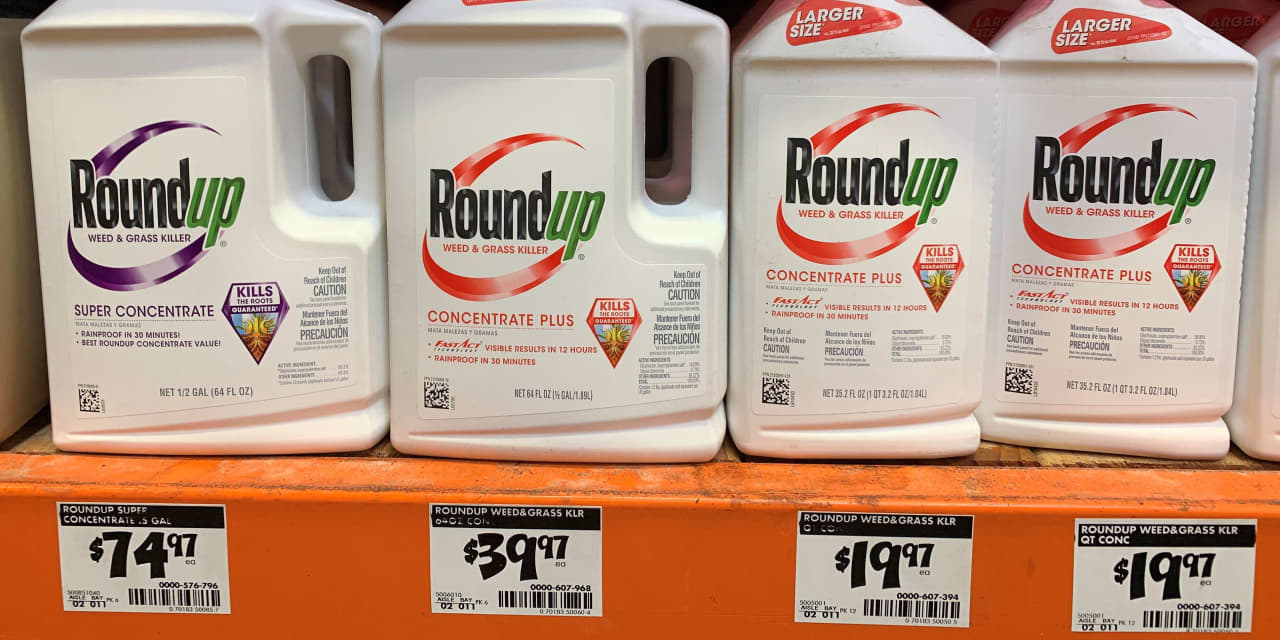
Bayer Stock Surges 13% in Best Day Since 2008 on Trump Administration’s Backing in Roundup Litigation
Frankfurt, Germany – December 2, 2025 – Bayer AG shares rocketed more than 13% in early European trading Tuesday, marking the company’s strongest single-day gain in 17 years, after the Trump administration threw its weight behind the German pharmaceutical giant’s long-fought battle to limit thousands of U.S. lawsuits over its Roundup weedkiller. The explosive rally, which pushed Bayer’s stock to its highest level since early 2024, was ignited by a Supreme Court brief from U.S. Solicitor General D. John Sauer urging justices to review a key case that could shield the company from billions in potential liabilities.
The news landed like a lifeline for Bayer, which has been battered by litigation costs stemming from its $63 billion acquisition of Monsanto in 2018—a deal that saddled the company with Roundup’s controversial glyphosate-based formula. Shares, trading around €34 on Tradegate by mid-morning, added over €4 in value, erasing months of stagnation and boosting Bayer’s market cap by roughly €14 billion in hours. On X, the platform formerly known as Twitter, the headline rippled through financial circles, with MarketWatch’s post on the surge drawing over 1,600 views and quick shares from traders hailing it as a “game-changer.”
The Spark: Solicitor General’s Brief Tips the Scales
At the heart of the rally is a 28-page amicus brief filed Monday by Sauer, the administration’s top appellate advocate, supporting Bayer’s petition for Supreme Court review in the case of Bayer v. Durnell. The Missouri jury verdict at issue awarded $1.25 million to plaintiff John Durnell, who claimed decades of Roundup exposure led to his non-Hodgkin lymphoma diagnosis. Bayer argues that the Federal Insecticide, Fungicide, and Rodenticide Act (FIFRA) preempts such state-law failure-to-warn claims, as the Environmental Protection Agency (EPA) already approved the product’s labeling.
Sauer agreed, writing that conflicting rulings from federal appeals courts—some upholding preemption, others rejecting it—create a “circuit split” demanding high-court resolution. “The government believes the petition should be granted,” he stated, noting that allowing state claims to proceed could undermine federal pesticide regulations nationwide. Bayer’s legal team petitioned in September, and with the solicitor general’s nod, acceptance now seems all but assured—likely by January, with a ruling possible by June 2026.
This isn’t just procedural theater. Bayer faces over 67,000 similar suits in U.S. courts, with verdicts swinging wildly: wins in some trials, but punishing losses like a $2.1 billion award in Georgia earlier this year (later settled). The company has shelled out about $10 billion in settlements since 2020, primarily for pre-existing claims, but ongoing cases threaten another $6 billion or more, per analyst estimates. CEO Bill Anderson hailed the development in a statement: “This support is an important step and good news for U.S. farmers, who need regulatory clarity. The stakes could not be higher.”
A Litigation Albatross: Roundup’s Shadow Over Bayer
The Roundup saga traces back to a 2015 World Health Organization classification of glyphosate as “probably carcinogenic,” sparking a flood of personal injury claims. Monsanto, Roundup’s maker, maintained the science showed no cancer link at typical exposure levels—a stance backed by the EPA, which has repeatedly deemed it safe. Post-acquisition, Bayer inherited the mess, leading to a 50%-plus stock plunge from 2018 peaks and repeated dividend cuts to fund defenses.
Bayer’s “four pillars” strategy—settlements, legislative pushes, regulatory appeals, and court wins—has yielded mixed results. It replaced glyphosate in U.S. consumer Roundup products last year, but professional formulations remain on shelves. Even threats to pull the product entirely haven’t stemmed the tide of suits from gardeners, farmers, and groundskeepers alleging lymphomas and other cancers.
Analysts at Jefferies called the solicitor general’s brief a “positive step forward,” potentially capping Bayer’s glyphosate exposure by 2026’s end and freeing capital for its pharma pipeline, including blockbuster drugs like Xarelto. Still, skeptics note the Supreme Court grants certiorari in only about 1% of cases, though government backing boosts odds to near-certainty here.
Market Ripples and Broader Implications
The pop wasn’t isolated—European pharma peers like Sanofi and Novartis edged up 1-2%, buoyed by reduced sector risk, while the Stoxx 600 dipped 0.1% on broader caution ahead of the Fed’s December meeting. In New York premarket, Bayer’s OTC shares (BAYRY) mirrored the surge, up 12.5%, reflecting U.S. investor relief.
For American consumers and farmers, the stakes are tangible. Roundup dominates U.S. weed control, used on 80% of corn and soy acres. A pro-Bayer ruling could stabilize supply chains, keeping costs down amid Trump’s tariff threats on imports. But plaintiffs’ advocates, including the Environmental Working Group, decried the administration’s stance as “corporate capture,” warning it prioritizes agribusiness over public health. On X, reactions split: One user quipped, “Trump saving Bayer? MAGA for Monsanto,” while another blasted, “Government siding with poison pushers—cancer patients be damned.”
Economically, it’s a win for Bayer’s balance sheet—potentially unlocking €5-10 billion in litigation reserves for R&D or buybacks—but it spotlights regulatory tensions under Trump 2.0. With the administration already eyeing EPA rollbacks, this brief signals a friendlier terrain for chemical giants, contrasting Biden-era scrutiny.
As the Supreme Court docket fills, Bayer’s windfall underscores how U.S. policy can jolt global markets overnight. Investors will watch closely: A favorable ruling could propel shares toward €40 by mid-2026, analysts say, while rejection might reignite the bleed. For now, Tuesday’s triumph offers Bayer—and its beleaguered shareholders—a rare breather in a decade-long storm.
By Mark Smith
Mark Smith covers global markets and corporate legal battles for [Your News Site]. Reach him at mark.smith@newsite.com.
Follow and subscribe to us for push notifications on the latest stock surges, Trump policy impacts, and agribusiness news—catch every market mover!