
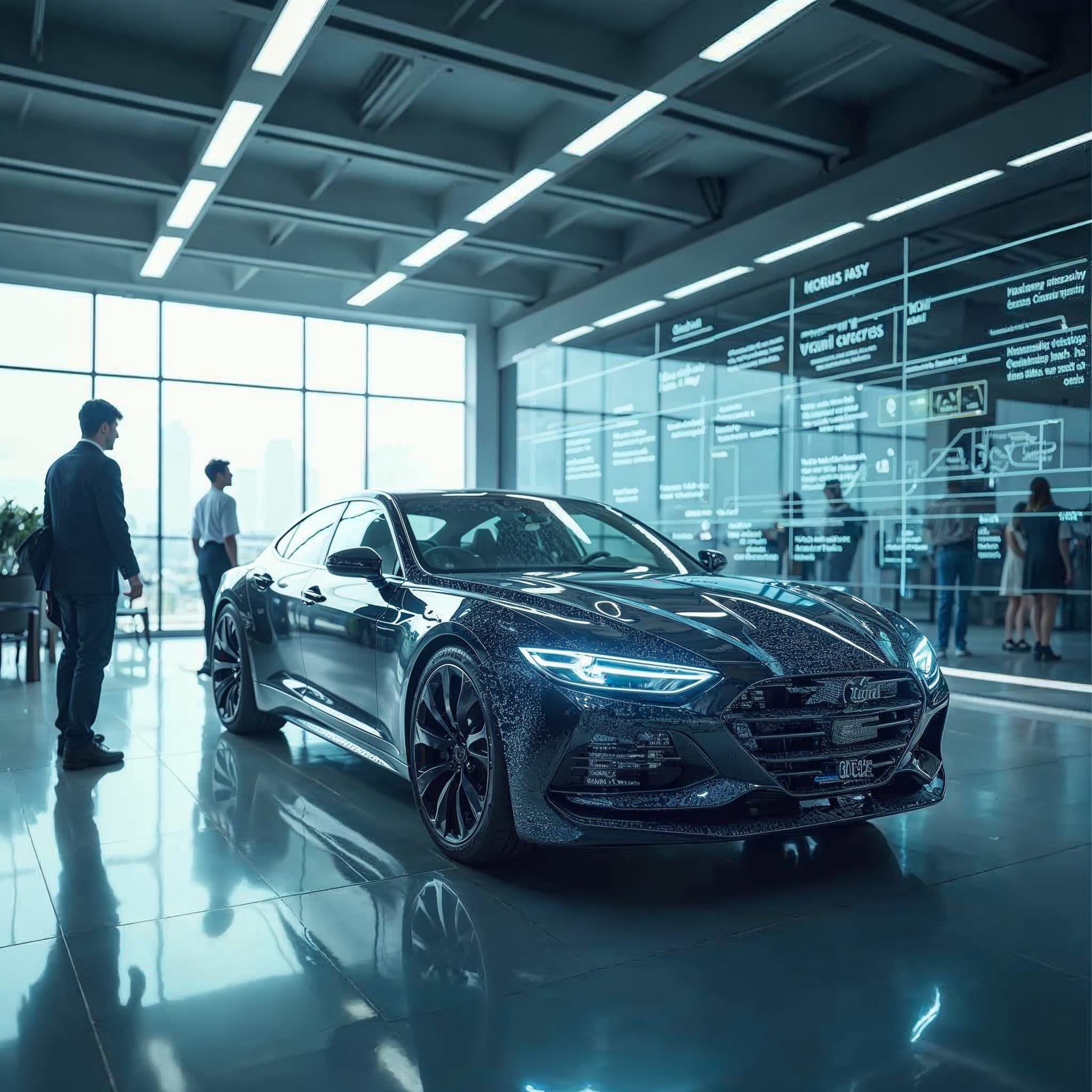
For many years, the primary conversation around hybrid vehicles revolved almost exclusively around their impressive fuel economy figures. Drivers were told that hybrids would save them money at the pump, reduce their carbon footprint, and be a sensible choice for urban commuting. While these benefits are undeniably true and remain a significant draw, focusing solely on miles per gallon (MPG) paints an incomplete picture of what modern hybrid technology genuinely offers. Today’s hybrid vehicles are far more sophisticated, delivering a multifaceted driving experience that extends well beyond mere efficiency. They offer a compelling blend of performance, environmental responsibility, driving comfort, and long-term value that often goes unappreciated. This comprehensive guide aims to peel back the layers of hybrid technology, revealing the full spectrum of advantages that make these vehicles an intelligent choice for a diverse range of drivers in today’s evolving automotive landscape. We will delve into the intricacies of different hybrid types, explore how they enhance the driving experience, discuss their profound environmental impact, and uncover the practical benefits that extend far beyond simply saving a few dollars on petrol or diesel.
Understanding the Core of Hybrid Technology
At its heart, hybrid technology represents a clever synergy between two distinct power sources: an internal combustion engine (ICE) and one or more electric motors, often complemented by a battery pack. The brilliance of this design lies in its ability to leverage the strengths of each component while mitigating their weaknesses. The ICE is highly efficient at sustained speeds on highways, delivering consistent power. Electric motors, on the other hand, excel at providing instant torque from a standstill, operating silently, and being incredibly efficient at low speeds and during stop-and-go traffic. By intelligently combining these powerplants, hybrid vehicles can optimize energy use across various driving conditions, leading to superior overall efficiency. This integration is managed by a sophisticated control unit that seamlessly switches between electric power, gasoline power, or a combination of both, often imperceptibly to the driver. This foundational concept allows hybrids to offer a unique set of advantages that neither traditional gasoline-powered cars nor pure electric vehicles can fully match on their own in every scenario. The continuous innovation in battery technology, electric motor design, and control software further refines this synergy, making newer hybrid models more capable, more efficient, and more enjoyable to drive than ever before. Understanding this fundamental principle is crucial to appreciating the broader benefits that hybrid technology brings to the table.
The Spectrum of Hybrid Vehicle Technologies
Hybrid technology is not a monolithic concept; it encompasses a diverse range of architectures, each designed to achieve specific goals and cater to different driving needs. From subtle electrical assistance to significant all-electric ranges, the spectrum of hybrid vehicles offers a solution for nearly every driver seeking a balance between traditional internal combustion and pure electric propulsion. Understanding these distinctions is key to appreciating the varying levels of benefits each type delivers.
Mild Hybrid Electric Vehicles (MHEV)
Mild hybrids represent the simplest form of hybridisation, offering a lighter touch of electric assistance. Instead of a large electric motor capable of powering the car independently, MHEVs typically feature a smaller electric motor or an integrated starter generator (ISG) paired with a 48-volt battery system. This system primarily assists the gasoline engine during acceleration, allowing it to work less strenuously, and enables advanced start-stop functionality where the engine can shut off more smoothly and for longer periods, even while coasting. The electric motor also handles the regenerative braking process, recovering energy that would otherwise be lost during deceleration and feeding it back into the battery. While MHEVs cannot drive solely on electric power, they provide a noticeable boost in fuel efficiency (typically 5-15%), a smoother engine restart, and sometimes a slight improvement in acceleration responsiveness. They are often less expensive than full hybrids and serve as a stepping stone towards more advanced electrification.
Full Hybrid Electric Vehicles (FHEV)
Full hybrids, sometimes referred to as “self-charging hybrids,” represent a significant leap in hybrid capability. Unlike mild hybrids, FHEVs feature a more powerful electric motor and a larger battery pack, enabling them to drive purely on electric power for short distances and at low speeds, typically up to 30-40 mph. The system intelligently combines electric and gasoline power for optimal efficiency and performance, often using an advanced power-split device (like Toyota’s Hybrid Synergy Drive). They recharge their batteries entirely through regenerative braking and the gasoline engine, without needing to be plugged in. Full hybrids are particularly effective in stop-and-go city traffic, where they can frequently switch to electric mode, significantly reducing fuel consumption and emissions. They are also known for their seamless transitions between power sources and their robust, proven reliability.
Parallel Hybrids
In a parallel hybrid system, both the electric motor and the internal combustion engine can directly drive the wheels, either independently or together. They are connected in parallel, often through a conventional transmission. This setup allows for flexible power delivery, where the electric motor can provide a boost to the engine during acceleration, or the car can cruise on electric power alone for short durations. When the electric motor and engine work together, they can deliver combined peak power, enhancing overall performance. Examples include some Honda hybrids and certain Ford models. This configuration is often favored for its ability to maintain a more traditional driving feel while still offering considerable fuel efficiency gains.
Series Hybrids
Series hybrids operate on a different principle: only the electric motor drives the wheels. The internal combustion engine’s sole purpose is to act as a generator, charging the battery or providing electricity directly to the electric motor when needed. The engine does not directly connect to the wheels. This design provides a very smooth, EV-like driving experience, as the power delivery is consistently from the electric motor. It is highly efficient in city driving where the electric motor is most effective. While less common for everyday passenger cars today, this architecture can be found in some extended-range electric vehicles (EREVs) where the gasoline engine only kicks in once the battery is depleted, effectively extending the electric range. The advantage here is that the engine can operate at its most efficient RPM range, independent of the vehicle’s speed.
Series-Parallel (Power-Split) Hybrids
Also known as “complex hybrids” or “power-split hybrids,” this architecture is arguably the most sophisticated and widely adopted, notably by Toyota. It combines elements of both series and parallel systems, allowing the engine and electric motors to drive the wheels independently or together, and also enabling the engine to act as a generator. A planetary gear set acts as a power-split device, intelligently distributing power from the engine and electric motors to the wheels and generator. This allows the system to operate in numerous modes, continuously optimizing for fuel efficiency and performance. It can be a pure EV, pure ICE, parallel hybrid, or series hybrid as needed. This flexibility is a key reason for its high efficiency and seamless operation across diverse driving conditions, from city traffic to highway cruising. Modern iterations of this system have become incredibly refined, offering both brisk acceleration and impressive fuel economy.
Plug-in Hybrid Electric Vehicles (PHEV)
Plug-in hybrids represent the bridge between traditional hybrids and pure electric vehicles. They feature a larger battery pack than full hybrids and a more powerful electric motor, allowing them to travel significant distances (typically 20-50 miles or more) solely on electric power. Crucially, PHEVs can be recharged by plugging into an external power source, just like a pure EV. Once the electric range is depleted, the gasoline engine seamlessly takes over, functioning like a conventional full hybrid. This offers drivers the best of both worlds: the ability to commute emissions-free and fuel-free for daily errands, with the peace of mind of a gasoline engine for longer trips without range anxiety. PHEVs significantly reduce daily fuel consumption and tailpipe emissions for those who charge regularly, making them an excellent choice for drivers who can charge at home or work but still require the flexibility of gasoline power for extended journeys.
Unlocking Performance: More Than Just Efficiency
While fuel efficiency is a significant characteristic, modern hybrid vehicles offer a surprising and often overlooked benefit: enhanced performance. This isn’t just about raw speed, but rather a more responsive, refined, and often more powerful driving experience compared to their conventional gasoline-only counterparts. One of the most immediate advantages is the instant torque delivery from the electric motor. Unlike internal combustion engines, which need to rev up to generate peak torque, electric motors provide maximum twist from zero RPM. This translates into incredibly swift and satisfying acceleration off the line, making merging onto highways or darting through city traffic feel effortless and confidence-inspiring. Drivers experience a feeling of immediate power that can often surpass what a similarly sized gasoline engine alone could provide.
Furthermore, many hybrids, particularly full hybrids and PHEVs, leverage the electric motor to provide a significant “electric boost” during hard acceleration. When the driver demands maximum power, both the gasoline engine and the electric motor work in tandem, unleashing a combined output that can rival larger, less efficient engines. This synergy allows manufacturers to use smaller, more efficient gasoline engines without sacrificing performance, contributing to both better fuel economy and a lighter overall vehicle weight. For instance, a 4-cylinder hybrid often feels as responsive, if not more so, than a V6 gasoline engine, but with the fuel consumption of a much smaller motor.
Another performance advantage arises in vehicles with electric all-wheel drive (e-AWD) systems. In these configurations, an electric motor often powers the rear wheels independently of the front-mounted gasoline engine. This provides instantaneous and precise torque vectoring capabilities, improving traction, stability, and handling in various conditions, from slippery roads to spirited cornering. The electronic control can distribute power to individual wheels much faster and more accurately than traditional mechanical AWD systems, leading to a more composed and agile driving experience. This intelligent distribution of power not only enhances safety but also contributes to a more engaging drive, proving that hybrids can indeed be fun to drive, not just frugal.
The continuous evolution in hybrid powertrain control units also means that the integration of the two power sources is smoother than ever. The transition from electric to gasoline power, or the blending of both, is often imperceptible, leading to a refined and sophisticated driving experience. This seamless operation contributes to a sense of effortless power and control, redefining what drivers expect from an efficient vehicle. Ultimately, hybrids offer a compelling argument that you don’t have to sacrifice exhilarating performance for ecological responsibility and economical operation.
Environmental Stewardship: Beyond the Tailpipe
While reduced fuel consumption inherently leads to lower emissions, the environmental benefits of hybrid technology extend far beyond just the direct impact of burning less gasoline. Hybrids are engineered to minimize their ecological footprint in several nuanced ways, making them a cornerstone of sustainable transportation. One of the most significant advantages lies in their ability to operate solely on electric power during certain conditions, particularly in urban environments. In stop-and-go traffic or at low speeds, a full hybrid or PHEV can frequently shut off its internal combustion engine, relying entirely on the electric motor. This means zero tailpipe emissions at the point of use when operating in EV mode, directly contributing to cleaner urban air quality and reducing localized pollution that impacts respiratory health. Imagine a city where countless vehicles are silently moving through congested streets without emitting harmful greenhouse gases or particulate matter during their low-speed maneuvers – this is the promise that hybrids begin to fulfill.
Regenerative braking is another critical environmental feature. Every time a hybrid vehicle decelerates or brakes, the electric motor acts as a generator, converting kinetic energy (which would otherwise be wasted as heat in traditional friction brakes) back into electricity and storing it in the battery. This not only improves overall energy efficiency but also significantly reduces wear and tear on the conventional brake pads and rotors. Less brake dust means fewer harmful particulates released into the atmosphere, contributing to cleaner air. This closed-loop energy recovery system is a testament to the intelligent design of hybrid powertrains, ensuring that every bit of potential energy is captured and reused.
Furthermore, the gasoline engines in hybrids are often designed to be highly efficient Atkinson cycle engines. These engines, while sometimes less powerful on their own, are optimized for fuel efficiency and lower emissions, especially when paired with an electric motor that can compensate for their power characteristics. This synergy results in a more complete combustion process and fewer harmful byproducts. The smaller engine displacement and optimized operating temperatures also mean less oil consumption and less waste generation over the vehicle’s lifespan.
For Plug-in Hybrid Electric Vehicles (PHEVs), the environmental impact can be even more substantial. By enabling drivers to complete daily commutes and errands entirely on electric power, charged from potentially renewable sources at home, PHEVs can dramatically reduce an individual’s reliance on fossil fuels. This shift from tailpipe emissions to potentially zero-emission electricity generation (depending on the grid’s energy mix) represents a significant step towards decarbonizing personal transportation. The broader adoption of hybrids, therefore, contributes to a global reduction in greenhouse gas emissions, helping to combat climate change and fostering a healthier planet for future generations. It demonstrates a commitment to innovation that aligns with global sustainability goals, proving that environmentally conscious driving does not require an all-or-nothing approach but can be achieved through intelligent technological integration.
The Hybrid Driving Experience: Smooth, Quiet, and Responsive
Beyond the spreadsheets of fuel economy and emissions data, one of the most compelling aspects of hybrid technology is the fundamentally transformed driving experience it offers. Drivers often report a sense of refined sophistication and effortless control that sets hybrids apart from their purely gasoline-powered counterparts. The journey begins the moment you press the start button; in many full hybrids and PHEVs, there’s no roaring engine, just a silent readiness as the vehicle starts in electric mode. This immediate quietness and smoothness contribute significantly to a more relaxed and less fatiguing driving environment, especially in congested urban areas.
As you accelerate, the transition between electric power and the internal combustion engine is remarkably seamless, often imperceptible to the driver. Sophisticated electronic control units manage this power blending with precision, avoiding the jerky shifts or engine hesitation that can sometimes be present in conventional vehicles. This smooth, linear power delivery makes for a particularly pleasant drive, reducing driver stress and enhancing overall passenger comfort. Whether you are gently cruising through a neighborhood or accelerating onto a motorway, the integration of power sources feels natural and effortless. The absence of traditional gear shifts in many hybrid systems (using eCVT or direct drive) further contributes to this smooth acceleration profile, eliminating the subtle lurches associated with gear changes.
The quietness extends beyond the initial start-up. When operating in electric vehicle (EV) mode at low speeds, hybrids offer a serene cabin environment, free from engine noise and vibrations. This allows for clearer conversations, better enjoyment of audio systems, and a general sense of calm behind the wheel. Even when the gasoline engine does engage, it often does so subtly, operating at optimized RPMs for efficiency and noise reduction. This reduction in noise, vibration, and harshness (NVH) is a significant contributor to the premium feel many modern hybrids deliver.
Moreover, the responsiveness of a hybrid powertrain, thanks to the instant torque of the electric motor, contributes to a feeling of agility and control. The vehicle reacts immediately to throttle inputs, making it easy to maneuver in traffic, pass slower vehicles, or navigate tight parking spaces. This dynamic responsiveness, combined with the often balanced weight distribution (due to battery placement), can result in a surprisingly engaging and confident driving experience. In essence, the hybrid driving experience is characterized by a blend of tranquility, effortless power, and sophisticated technological integration, offering a compelling alternative that prioritizes comfort, responsiveness, and a superior overall feel on the road. It’s a testament to how intelligent engineering can transform the mundane act of driving into a genuinely pleasurable and less stressful activity.
Long-Term Value and Practicality
Beyond the immediate advantages of fuel savings and improved driving dynamics, hybrid vehicles often present a compelling case for long-term value and enhanced practicality. These benefits contribute to a more economical and hassle-free ownership experience over the lifetime of the vehicle, making them a smart financial decision for many drivers. One significant aspect is the potential for reduced wear and tear on critical components. The regenerative braking system, for instance, significantly reduces the workload on the conventional friction brakes. By converting kinetic energy back into electricity, the electric motor handles much of the deceleration, meaning brake pads and rotors typically last much longer in a hybrid compared to a traditional gasoline car. This translates directly into fewer maintenance costs and less frequent replacements, saving owners money over time.
Furthermore, the internal combustion engine in a hybrid often operates less frequently and at more optimized RPMs, especially in urban driving scenarios where the electric motor takes over. This reduced operational stress can lead to a longer lifespan for the engine itself, as it experiences fewer cold starts and less time spent at inefficient or high-stress conditions. While hybrid vehicle batteries are a common concern, modern hybrid batteries are designed to last the life of the vehicle, often coming with extensive warranties (typically 8 years/100,000 miles or more, in some cases 10 years/150,000 miles). Advancements in battery technology and sophisticated battery management systems ensure their longevity and reliability, meaning battery replacement is a rare occurrence for the vast majority of owners.
From a financial perspective, hybrid vehicles tend to hold their resale value remarkably well. As fuel prices fluctuate and environmental concerns grow, the demand for efficient and eco-friendly vehicles remains strong. This sustained demand helps hybrids retain a higher percentage of their original value compared to many conventional vehicles, offering a better return on investment when it’s time to sell or trade in. The perception of hybrids as advanced, reliable, and environmentally responsible also contributes to their desirability in the used car market.
PHEVs, in particular, offer a unique blend of electric-only capability with gasoline backup, essentially providing infrastructure independence. Drivers can enjoy the benefits of electric driving for daily commutes without the “range anxiety” associated with pure EVs on longer trips. The ability to simply refuel with gasoline when charging isn’t available makes them incredibly practical for diverse lifestyles, bridging the gap between current charging infrastructure limitations and the desire for zero-emission driving. This flexibility is a major practical advantage for those not ready to commit to a pure EV.
Finally, various government incentives, such as tax credits, rebates, or preferential parking/toll rates, can further enhance the long-term value proposition of hybrids, especially PHEVs, in many regions. These incentives reduce the upfront cost of ownership, making the overall financial equation even more attractive. In summary, the long-term practicality of hybrids, characterized by lower maintenance costs, strong resale value, and operational flexibility, positions them as a highly intelligent and economically sound choice for discerning drivers.
Debunking Common Hybrid Myths and Misconceptions
Despite their growing popularity and technological advancements, hybrid vehicles are still subject to several persistent myths and misconceptions that can deter potential buyers. Addressing these can help clarify the true benefits and practicalities of hybrid ownership. One of the most pervasive myths revolves around the longevity and cost of replacing the hybrid battery. Many believe that the expensive battery will inevitably fail after a few years, leading to prohibitive replacement costs. In reality, modern hybrid batteries are incredibly durable and designed to last the entire lifespan of the vehicle. Manufacturers typically offer extensive warranties on hybrid components, often 8 years or 100,000 miles, and in some cases, even longer (e.g., 10 years/150,000 miles in certain states for specific components). Real-world data from millions of hybrids on the road consistently shows that battery failures are rare, and many hybrid vehicles accumulate hundreds of thousands of miles on their original battery packs. When a replacement is eventually needed after many years, the cost has steadily decreased, and reputable third-party options have emerged, making it a less daunting prospect than commonly imagined.
Another common misconception is that hybrids are complex and therefore unreliable or difficult to maintain. While the technology inside a hybrid powertrain is undoubtedly sophisticated, this complexity is managed by highly advanced software and robust engineering designed for reliability. The seamless integration of the engine and electric motors is a testament to this precision. In terms of maintenance, hybrids often require less frequent servicing for certain components like brakes, thanks to regenerative braking, and spark plugs may last longer due to reduced engine operation. Standard maintenance items like oil changes and tire rotations are similar to conventional cars. Most certified technicians are now well-trained in servicing hybrids, and specialized tools are often limited to high-voltage system diagnostics, which are not part of routine maintenance. The notion of hybrids being inherently unreliable due to complexity is largely unfounded, with many models consistently ranking high in reliability surveys.
There’s also a belief that hybrids are underpowered and boring to drive. This myth harks back to earlier generations of hybrids that prioritized efficiency above all else. As discussed earlier, modern hybrids, especially full hybrids and PHEVs, leverage the instant torque of electric motors to provide brisk acceleration and a responsive driving experience. The combined power of the engine and electric motors often results in performance comparable to, or even exceeding, that of larger conventional engines, but with superior fuel economy. Many performance-oriented hybrids and luxury vehicles now incorporate hybrid technology not just for efficiency, but to enhance power delivery and dynamic handling. Driving a modern hybrid is typically a smooth, quiet, and surprisingly engaging experience, far from boring.
Finally, some people mistakenly think that hybrids are only beneficial in city driving and offer no advantage on the highway. While hybrids certainly excel in stop-and-go urban traffic due to frequent EV mode operation and regenerative braking, they still provide significant benefits on the highway. The electric motor can assist the gasoline engine during acceleration and cruising, allowing the engine to operate more efficiently. Regenerative braking is still active during deceleration, capturing energy. Furthermore, the overall aerodynamic design often optimized for hybrids contributes to better fuel economy at higher speeds. PHEVs, once their electric range is depleted, function as highly efficient full hybrids on the highway. Thus, hybrids offer a balanced advantage across a variety of driving conditions, not just limited to urban environments. Dispelling these myths allows drivers to make more informed decisions and fully appreciate the current capabilities and practicality of hybrid vehicles.
Hybrid Technology Comparison at a Glance
| Hybrid Type | Primary Operation | Electric Driving Capability | Battery Charging | Typical Fuel Economy Gain (vs. ICE) | Example Models |
|---|---|---|---|---|---|
| Mild Hybrid (MHEV) | Engine primarily drives wheels, electric motor assists. | No standalone EV mode. | Regenerative braking. | 5-15% | Audi A4 (certain trims), RAM 1500 eTorque, Kia Sportage (MHEV). |
| Full Hybrid (FHEV) | Engine and electric motor drive wheels independently or together. | Short distances, low speeds (up to 30-40 mph). | Regenerative braking, engine. | 20-40% | Toyota Prius, Honda CR-V Hybrid, Ford Maverick Hybrid. |
| Plug-in Hybrid (PHEV) | Significant electric-only range, then operates as FHEV. | Significant distances (20-50+ miles) at highway speeds. | Regenerative braking, engine, external charging (wall outlet, charger). | Highly variable; often 50-100+ MPGe (miles per gallon equivalent) when charged regularly. | Toyota RAV4 Prime, Ford Escape PHEV, Hyundai Santa Fe PHEV, Chrysler Pacifica Hybrid. |
Hybrid vs. Traditional ICE vs. EV: A Key Factor Comparison
| Feature/Factor | Traditional Internal Combustion Engine (ICE) | Hybrid Electric Vehicle (HEV/PHEV) | Battery Electric Vehicle (BEV) |
|---|---|---|---|
| Fuel Source | Gasoline/Diesel | Gasoline/Diesel + Electricity | Electricity |
| Environmental Impact (Tailpipe Emissions) | Significant, direct CO2 and pollutants. | Significantly reduced, zero in EV mode (PHEV when charged). | Zero (at point of use). |
| Refueling/Recharging Time | Quick (5-10 minutes). | Quick for gasoline (5-10 min); PHEV charging 2-8 hours (Level 2). | Variable: 30 min – several hours (fast charger to home L2). |
| Driving Range | Long (300-500+ miles), quick refueling. | Long (400-600+ miles combined), no range anxiety (PHEV electric range 20-50+ miles). | Variable (200-400+ miles), depends on battery size and charging availability. |
| Maintenance Complexity | Standard engine and transmission maintenance. | Similar to ICE, but potentially less brake wear; specific hybrid components (usually reliable). | No oil changes, fewer moving parts; specific EV components. |
| Initial Purchase Cost | Generally lowest. | Mid-range; often higher than ICE, lower than comparable BEV. | Generally highest. |
| Driving Experience | Familiar engine noise, gear shifts. | Smooth, quiet, responsive (especially at low speeds), seamless transitions. | Silent, instant torque, very smooth. |
| Infrastructure Dependency | Gas stations readily available. | Gas stations for FHEV; Gas stations + charging for PHEV. | Charging stations and home charging required. |
Real-World Scenarios: Where Hybrids Shine
Understanding the technical aspects of hybrid technology is one thing, but seeing how these benefits translate into real-world applications truly highlights their value. Hybrids are exceptionally versatile, proving their worth across a diverse array of driving needs and lifestyles.
The Urban Commuter
For the daily city driver, a full hybrid or plug-in hybrid is an absolute game-changer. Imagine navigating rush hour traffic: slow speeds, constant stopping and starting, and frequent idling. In a conventional car, this is where fuel efficiency plummets, and emissions soar. A hybrid, however, thrives in this environment. It frequently switches to silent, zero-emission electric mode, especially at low speeds and during traffic jams. Regenerative braking captures energy every time the driver decelerates, effectively recycling wasted motion back into usable power. This results in significantly lower fuel consumption, a quieter ride, and a much more relaxed commute. A PHEV commuter, if charged overnight, might complete their entire daily round trip without using a single drop of gasoline, significantly reducing their operating costs and local emissions impact, making the urban jungle feel a little less jarring and a lot cleaner.
The Weekend Adventurer
For those who love to escape the city limits on weekends, a hybrid SUV or truck can offer surprising advantages. Many hybrid SUVs now come with electric all-wheel drive systems, providing enhanced traction and control on unpaved roads or in adverse weather conditions, often with instant torque delivery that outperforms traditional mechanical systems. The increased fuel range from the hybrid powertrain means fewer stops at gas stations on long hauls to national parks or remote campsites, allowing for more uninterrupted journey time. Furthermore, some hybrids offer “power out” capabilities, allowing drivers to power external devices like camping equipment, small appliances, or tools directly from the vehicle’s battery, turning the car into a mobile power source—a truly practical benefit for any outdoor enthusiast.
The Family Road Tripper
Long family road trips often demand a balance of comfort, space, and economical travel. Hybrid minivans and larger SUVs fit this bill perfectly. Their quiet cabins in electric mode make for a more peaceful environment for passengers, especially young children, reducing road fatigue. The impressive combined range means fewer disruptions for refueling stops, keeping the journey flowing smoothly. With the ability to seamlessly transition between electric and gasoline power, these vehicles maintain efficiency even when loaded with luggage and passengers, ensuring that family adventures are both enjoyable and cost-effective. The added power from the electric motor also helps maintain cruising speed on inclines without straining the engine, contributing to a smoother and more confident drive.
The Environmentally Conscious Driver
For drivers whose primary motivation is to reduce their environmental footprint, hybrids offer a pragmatic and impactful solution. By significantly reducing fuel consumption and tailpipe emissions, hybrids contribute to cleaner air and a reduction in greenhouse gases. A PHEV takes this a step further by allowing for daily zero-emission driving, making it an excellent choice for those who want to maximize their use of renewable energy. The continuous advancements in hybrid battery technology and the push towards more sustainable manufacturing processes mean that the entire lifecycle impact of these vehicles is also steadily improving. Choosing a hybrid means actively participating in the transition towards a greener transportation future, without sacrificing practicality or driving enjoyment. It’s a tangible way for individuals to make a difference in their daily lives, demonstrating that eco-consciousness can go hand-in-hand with modern convenience and sophisticated engineering.
Frequently Asked Questions About Hybrid Vehicles
Q: What is the main difference between a mild hybrid and a full hybrid?
A: The primary difference lies in the extent of electric assistance and capability. A mild hybrid (MHEV) uses a smaller electric motor or integrated starter generator (ISG) and a 48-volt battery system primarily to assist the gasoline engine. It cannot drive solely on electric power but offers functions like advanced start-stop and a slight boost during acceleration, improving efficiency by about 5-15%. A full hybrid (FHEV), on the other hand, has a more powerful electric motor and a larger battery, allowing it to drive short distances at low speeds (typically up to 30-40 mph) purely on electric power, without the gasoline engine. FHEVs also have more sophisticated systems for blending power, resulting in greater fuel economy gains (20-40% or more) and a more pronounced electric driving experience. Full hybrids recharge their batteries automatically through regenerative braking and the engine, never needing to be plugged in.
Q: Do hybrid vehicles require special or more expensive maintenance?
A: Generally, no. Hybrid vehicles often require similar routine maintenance to conventional gasoline cars, such as oil changes, tire rotations, and fluid checks. In fact, some maintenance items, like brake pads, may last longer in hybrids due to regenerative braking, which uses the electric motor to slow the car down and recharge the battery, reducing wear on the traditional friction brakes. The hybrid system components, like the battery and electric motors, are designed for the life of the vehicle and are typically very reliable. Most certified technicians are now trained to service hybrids, and while high-voltage system diagnostics might require specialized tools, these are not part of routine owner maintenance. Overall, maintenance costs for hybrids are often comparable to, or even lower than, their conventional counterparts over the long term.
Q: How long do hybrid batteries last, and how much does a replacement cost?
A: Modern hybrid batteries are engineered for durability and are designed to last the entire lifespan of the vehicle. Manufacturers typically back them with extensive warranties, often 8 years or 100,000 miles, and sometimes even longer (e.g., 10 years or 150,000 miles in certain regions like California for specific components). Real-world data shows that many hybrid vehicles surpass 200,000 or even 300,000 miles on their original battery packs without issues. While eventual replacement is possible after many years, the cost has significantly decreased over time. Depending on the vehicle model and the type of battery, replacement costs can range from a few hundred to a few thousand dollars, but third-party refurbished options can also be more affordable. It’s a much less frequent and less costly concern than many perceive.
Q: Can a hybrid vehicle run out of battery power and leave me stranded?
A: No, a full hybrid (FHEV) or mild hybrid (MHEV) cannot “run out” of battery power in a way that would leave you stranded. These vehicles self-charge their batteries through regenerative braking and by using the gasoline engine as a generator. The hybrid system constantly manages the battery’s state of charge, ensuring there’s always enough power for the electric motor to assist or to start the engine. Even if the high-voltage hybrid battery were to fully deplete (which is highly unlikely in normal operation as the car’s computer would prevent this), the 12-volt battery would still power essential systems and allow the car to start. For a plug-in hybrid (PHEV), once its all-electric range is depleted, it seamlessly switches to operating as a highly efficient full hybrid, using its gasoline engine and self-charging capabilities, so you can continue driving without needing to find a charger.
Q: Are hybrid vehicles slower or less powerful than conventional cars?
A: This is a common misconception, but it’s largely untrue for modern hybrids. While early hybrids might have prioritized efficiency over performance, today’s hybrid vehicles offer a surprisingly responsive and often powerful driving experience. The electric motor provides instant torque from a standstill, leading to brisk acceleration and an effortless feeling off the line, often surpassing similarly sized gasoline-only engines. When maximum power is required, both the gasoline engine and electric motor work in tandem, delivering a combined output that can be quite impressive. Many performance-oriented and luxury vehicles now incorporate hybrid technology to enhance both power and efficiency, proving that you don’t have to sacrifice driving dynamics for environmental responsibility.
Q: Do hybrids offer any benefits on the highway, or are they only good for city driving?
A: Hybrids definitely offer benefits on the highway, although their most pronounced efficiency gains are typically seen in city driving (due to frequent EV mode use and regenerative braking). On the highway, the electric motor can still assist the gasoline engine, allowing the engine to operate more efficiently at optimal RPMs, especially during acceleration or when going uphill. Some hybrids can even cruise in electric mode at moderate highway speeds for short durations. The aerodynamic designs often employed in hybrids also contribute to better fuel economy at higher speeds. Plug-in hybrids, once their electric range is depleted, operate as efficient full hybrids on the highway. So, while city driving highlights their strengths, hybrids remain a fuel-efficient choice for highway travel as well.
Q: What is the environmental impact of manufacturing hybrid batteries and their disposal?
A: The manufacturing of any car, including its battery, has an environmental footprint. However, significant advancements have been made in reducing the impact of hybrid battery production, with manufacturers increasingly sourcing materials ethically and improving production processes. Regarding disposal, hybrid batteries are not simply thrown away. They are highly recyclable, and there are established programs for recycling, repurposing, and safely disposing of them. Companies are actively exploring “second-life” applications for used batteries, such as stationary energy storage for homes or businesses, before their materials are recycled. This extends their utility and reduces waste, making the overall lifecycle impact more sustainable than often assumed.
Q: Are plug-in hybrids (PHEVs) a good alternative if I’m not ready for a full electric vehicle (EV)?
A: Absolutely, PHEVs are an excellent bridge between traditional gasoline cars and pure electric vehicles. They offer the best of both worlds: the ability to drive purely on electricity for daily commutes and errands (often 20-50+ miles of electric range), significantly reducing or eliminating daily fuel consumption and tailpipe emissions. When the electric range is depleted, the gasoline engine seamlessly takes over, allowing for unlimited range on longer trips without any “range anxiety” or reliance on charging infrastructure. This flexibility means you can enjoy the benefits of electric driving while still having the convenience and peace of mind of a gasoline engine for extended journeys, making them ideal for those who can charge at home but also take frequent long trips.
Q: Are hybrids more expensive to insure?
A: The insurance cost for a hybrid vehicle can vary greatly depending on several factors, including the specific make and model, your location, driving record, and the insurance provider. Historically, some hybrids might have had slightly higher premiums due to their advanced technology and potentially higher repair costs for specialized components. However, as hybrids have become more common and repair processes have become standardized, many modern hybrids are insured at rates comparable to their gasoline-powered counterparts. Some insurers even offer discounts for eco-friendly vehicles. It’s always best to get quotes from multiple insurance providers to compare rates for the specific hybrid model you are considering.
Q: What’s the difference between a hybrid and an extended-range electric vehicle (EREV)?
A: While often categorized similarly, the key difference lies in the primary mode of propulsion. A full hybrid (FHEV) primarily uses both its gasoline engine and electric motor to drive the wheels, optimizing between the two for efficiency. A plug-in hybrid (PHEV) can operate purely on electricity for a significant range, then the engine takes over to operate as an FHEV. An extended-range electric vehicle (EREV), like some versions of the Chevrolet Volt, functions primarily as an electric vehicle. Its wheels are *always* driven by the electric motor, and the gasoline engine acts solely as a generator to produce electricity when the battery is depleted, extending the electric range. The engine in an EREV never directly drives the wheels. This provides a more EV-like driving experience with the backup of a gasoline engine for range.
Key Takeaways: Why Hybrid Technology Matters
- Beyond Fuel Economy: Hybrid vehicles offer a holistic package of benefits that extend far beyond simply saving money at the pump, encompassing performance, environmental responsibility, and driving comfort.
- Diverse Technologies: From mild hybrids (MHEV) providing subtle assistance, to full hybrids (FHEV) offering limited EV driving, and plug-in hybrids (PHEV) with significant all-electric ranges, there’s a hybrid for every driver’s needs and preferences.
- Enhanced Performance: Thanks to the instant torque of electric motors and the combined power output of engine and electric motors, hybrids often deliver surprisingly brisk acceleration and a responsive, engaging driving experience.
- Significant Environmental Benefits: Hybrids reduce tailpipe emissions, especially in urban driving where they can operate in EV mode. Regenerative braking also reduces brake dust and captures energy, making them genuinely greener.
- Superior Driving Experience: Hybrids offer a quieter, smoother, and more refined ride due to seamless power transitions, silent electric operation, and reduced engine noise and vibration.
- Long-Term Value: Owners benefit from reduced maintenance (less brake wear), strong resale values, and potential government incentives, contributing to a lower total cost of ownership over the vehicle’s lifespan.
- Practicality and Flexibility: Hybrids, particularly PHEVs, provide the convenience of electric driving for daily commutes with the peace of mind of gasoline power for longer trips, offering infrastructure independence.
- Myth Busting: Modern hybrid batteries are long-lasting and reliable, maintenance costs are comparable to conventional cars, and performance is no longer a compromise.
- Real-World Applicability: Hybrids shine in diverse scenarios, from urban commuting to family road trips and outdoor adventures, offering tailored benefits for various lifestyles.
Conclusion: The Intelligent Choice for Modern Drivers
The journey beyond fuel economy reveals a rich tapestry of advantages that modern hybrid technology brings to the table. What started as a niche solution for hyper-milers has evolved into a sophisticated, versatile, and compelling option for a vast array of drivers. Hybrids are no longer just about those impressive MPG figures; they represent a harmonious blend of internal combustion engineering and electric propulsion that delivers a superior driving experience, robust performance, and significant environmental gains. From the smooth, quiet operation in city traffic to the instant torque that makes highway merging a breeze, and the peace of mind offered by reduced emissions, hybrids seamlessly integrate into modern life. They stand as a testament to intelligent design, offering a practical bridge to an electrified future without demanding a complete paradigm shift from drivers. For those seeking a vehicle that is economical, responsible, refined, and genuinely enjoyable to drive, looking beyond the conventional gasoline-powered options towards the diverse world of hybrid technology is not just a smart choice, but increasingly, the intelligent choice for the road ahead. Embrace the synergy, embrace the future of driving, and discover the true potential that hybrid vehicles offer.