
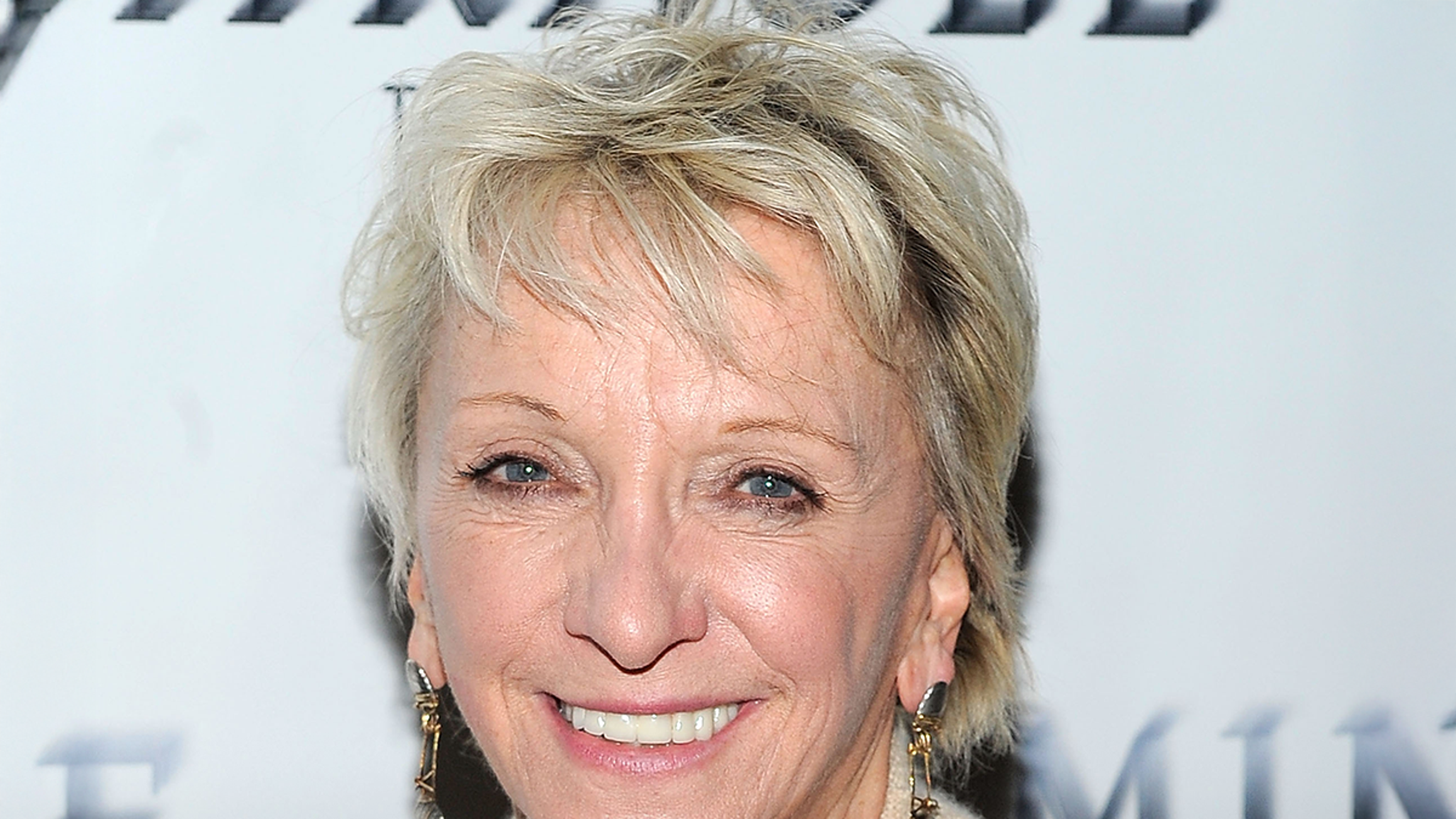
Broadway Star Elizabeth Franz Dead at 84: Tony Winner’s Legacy in Death of a Salesman Lives On
The curtain has fallen on a Broadway titan: Elizabeth Franz, the Tony Award-winning actress who breathed fierce life into Arthur Miller’s weary matriarchs, has died at 84, leaving fans and fellow performers mourning a voice that roared with quiet fury. Her passing on November 4 in Woodbury, Connecticut, from cancer and a brutal reaction to treatment, closes a chapter on American theater’s golden era.
Born Elizabeth Jean Frankovitch on June 18, 1941, in Akron, Ohio, Franz grew up in a household where emotions simmered unspoken. “Acting was my release,” she once shared in a 2004 interview, crediting the stage for unlocking what family life bottled up. After graduating from Copley High School in 1959, she toiled as a secretary at Ohio Edison, scraping together tuition for the American Academy of Dramatic Arts. A teacher there warned her bluntly: talent aside, roles might elude her until 40. Undeterred, she dove in, billing herself as Betty Frankovitch at Akron’s Weathervane Theater before honing her craft with the Repertory Theatre of St. Louis from 1968 to 1970.
Franz’s Broadway debut arrived in 1967 with Tom Stoppard’s Rosencrantz and Guildenstern Are Dead, a cerebral whirl that showcased her knack for sharp wit amid chaos. But it was Neil Simon’s autobiographical Eugene Trilogy that catapulted her into the spotlight. In 1983’s Brighton Beach Memoirs, she embodied the resilient Kate Jerome, earning a Tony nomination for featured actress in a play. Simon, impressed, tapped her to replace Linda Lavin as Kate in 1987’s Broadway Bound, the trilogy’s poignant sequel. Her turn as the sharp-tongued Brooklyn mom—juggling immigrant dreams and family fractures—drew raves for blending humor with heartache.
Off-Broadway, Franz unleashed her comedic bite in Christopher Durang’s 1981 satire Sister Mary Ignatius Explains It All for You, playing the unhinged nun with gleeful venom. The role, a cult hit that ran for years, highlighted her chameleon range: one moment a devout firebrand, the next a punchline in clerical drag. Critics called it “hilariously heretical,” cementing her as a go-to for Durang’s razor-edged absurdism.
Her crowning glory came in the 1999 revival of Arthur Miller’s Death of a Salesman, marking the play’s 50th anniversary. Paired with Brian Dennehy’s shattered Willy Loman, Franz reimagined Linda Loman not as the traditional passive wife, but a lioness in quiet rage—mending stockings and souls with unyielding protectiveness. Miller himself singled her out in The New York Times, praising how she unearthed “the basic underlying powerful protectiveness, which comes out as fury… simply washed out in every performance I know of.” The production snagged four Tonys; Franz’s for featured actress felt like vindication after auditioning for the role in the 1984 Dustin Hoffman version (which went to Kate Reid). She later toured opposite Hal Holbrook in 1996, refining the part before Broadway’s blaze.
That Linda traveled to screens in a 2000 Showtime adaptation, netting Franz an Emmy nomination alongside Dennehy’s. The Goodman Theatre in Chicago had hosted their trial run, proving the revival’s grit from the jump. Beyond Miller and Simon, Franz shone in Paul Osborn’s Morning’s at Seven (2002), a Tony-nominated gem of small-town meddling, and dipped into Sam Shepard’s Buried Child at London’s Royal National Theatre in 2004-05.
Television beckoned too, with Franz slipping seamlessly into soap suds and procedurals. She terrorized viewers as villainous Alma Rudder on Another World (1982-83), even while headlining Brighton Beach. Stints followed on As the World Turns (1994) as Helen Wendall, plus guest spots on Roseanne, Gilmore Girls, Law & Order, Cold Case, Dear John, and Judging Amy. Her TV Linda in Death of a Salesman earned that Emmy nod, bridging stage gravitas with small-screen intimacy.
In her personal life, Franz wed actor Edward Binns in 1983; he passed in 1990. She later married Christopher Pelham, who confirmed her death to The New York Times. No immediate survivors were detailed, but her work wove into countless family lore—immigrant tales echoing her own Serbo-Croatian roots via father Joe Frankovitch.
Tributes poured in swiftly, turning Elizabeth Franz obituary feeds into a virtual wake. On X, TMZ’s post drew 15,000 views in hours, with users sharing clips of her Linda railing against Willy’s delusions. “She made quiet women thunder—RIP to a force,” wrote one theater kid, sparking 200 replies of personal anecdotes. BroadwayWorld’s announcement tallied thousands of condolences, including from Durang’s estate: “Elizabeth weaponized faith into farce; she’ll scold us from the wings.” Neil Simon’s widow, Marsha Mason, posted a rare note: “Kate Jerome found her forever home in Liz—grateful for the laughs she lent our story.”
Experts and peers underscore her influence. Theater historian Robert Simonson, in Playbill, called Franz “the unsung architect of modern maternal roles—fierce, flawed, unforgettable.” Her Death of a Salesman fury, he noted, prefigured bolder Lindas in later revivals, like Marianne Leone’s 2012 take. Public reaction blends grief with gratitude: X threads dissect her Emmy-reel monologues, while Reddit’s r/Broadway erupts in watch parties. One viral clip—Franz’s nun eviscerating a heckler—hit 500,000 views, captioned “Liz out here preaching truth in 1981.”
For U.S. audiences, Franz’s echo ripples through cultural touchstones. Her Brighton Beach and Broadway Bound immortalized mid-20th-century Jewish-American striving, staples in high school lit classes from New York to L.A. Politically, Death of a Salesman‘s evisceration of the American Dream—amplified by her visceral Linda—fuels debates on economic despair, timely amid 2025’s gig-economy blues. Economically, her Tony boosted regional theaters like St. Louis Rep, sustaining jobs in a $2.5 billion industry.
Lifestyle-wise, Franz embodied the everymom: her Gilmore Girls guest spot as a quirky Stars Hollow elder charmed Netflix binges, while Roseanne arcs tackled blue-collar grit. Sports? Not her lane, but her Salesman parallels the fallen-hero arc of legends like Joe Namath—hype to heartbreak. Tech-savvy fans now remix her monologues into TikTok therapy sessions, turning “Attention must be paid!” into mental health mantras for stressed millennials.
As Elizabeth Franz death trends spike alongside Tony winner obituary searches and Death of a Salesman revival clips, her Broadway legacy endures in archives and auditions. The 1999 production’s script, annotated with her line reads, guides young actors at AADA. Future revivals—whispers of a 2026 Salesman with diverse casting—owe her the debt of depth. Pelham plans a memorial reading at the Eugene O’Neill Theatre, where her Linda last bowed. In the end, Franz didn’t just perform resilience; she forged it, ensuring her characters—and her fire—outlive the footlights.
By Sam Michael
Follow and subscribe for more iconic lives remembered—enable push notifications to catch every encore!
Elizabeth Franz death, Tony winner obituary, Death of a Salesman revival, Broadway actress 84, Elizabeth Franz Linda Loman, Neil Simon Brighton Beach, Sister Mary Ignatius, Arthur Miller praise