


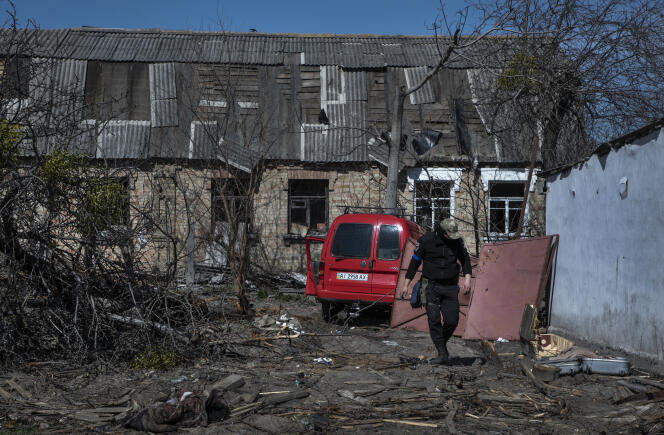

Controversial Rise: From Bucha Massacres to Organized Tours in Kyiv’s Rubble – Is ‘War Tourism’ Booming in Ukraine in 2026?
War tourism Ukraine, Bucha dark tours, Kyiv war damage visits, Irpin Hostomel excursions, and Ukraine dark tourism 2026 are sparking heated debates as foreigners flock to sites of Russia’s 2022 atrocities. What started as volunteer trips has evolved into guided excursions amid ongoing conflict, raising ethical questions for American audiences.
Witnessing history’s darkest chapters up close—foreign visitors are increasingly touring Ukraine’s war-scarred suburbs like Bucha and the rubble-strewn areas of Kyiv, turning tragedy into a niche travel experience.
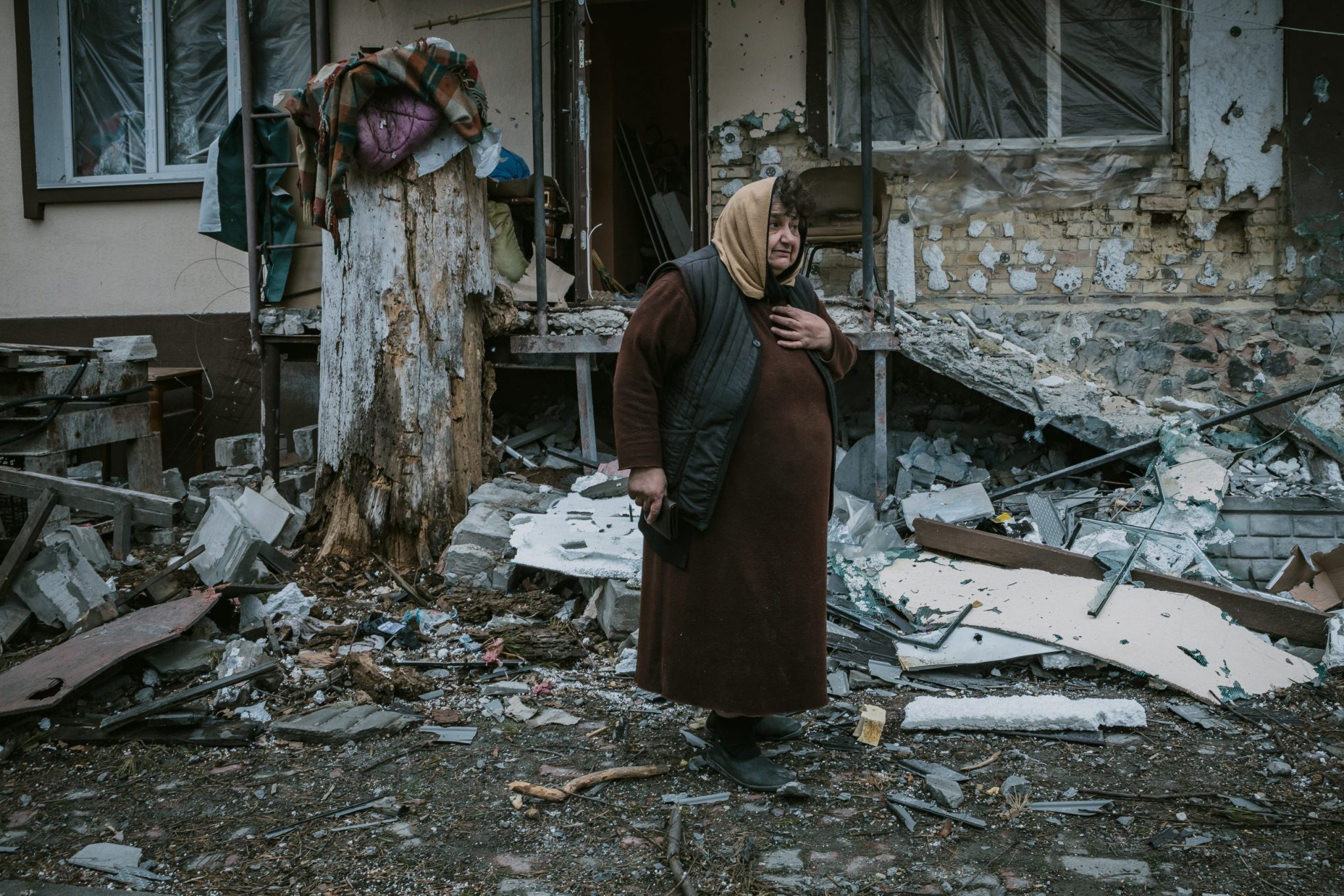
Known globally for the 2022 Bucha massacre, where hundreds of civilians were killed during Russian occupation, the town has become a focal point for “dark tourism.” Similar sites in Irpin, Hostomel, and Borodyanka draw small groups seeking to understand the human cost of the invasion.
Companies like Capital Tours, War Tours Ukraine, and others offer half-day or full-day packages, often priced at $120-$250. Guides share eyewitness accounts, visit mass graves, destroyed bridges, and tank-damaged roads. Many operators donate portions of proceeds to Ukraine’s military or reconstruction efforts.
One popular route covers the “Horrors of Russian Occupation,” highlighting fierce battles that halted Russia’s advance on Kyiv. Tourists view the iconic blown-up Irpin bridge, Hostomel airport ruins—where the massive Mriya plane was destroyed—and Bucha’s churchyard memorials.
Experts describe this as an extension of dark tourism, akin to visits to Auschwitz or Chernobyl, which Ukraine has long offered. The State Agency for Tourism Development has explored “memory routes” to preserve war history, though official promotion remains cautious due to safety risks.
Public reactions are divided. Some Ukrainians welcome visitors for raising awareness and economic support, with guides emphasizing education over sensationalism. Others criticize it as exploitative, calling profits “blood money” while locals still rebuild lives.
International visitors, mostly from Europe and North America, cite motivations like solidarity, journalism, or personal curiosity. Social media shares from these trips amplify Ukraine’s story globally, countering disinformation.
For U.S. readers, this trend intersects with ongoing aid debates and foreign policy. Americans have been among tourists, drawn by media coverage of atrocities. It highlights resilience—Kyiv’s cafes and streets bustle despite air alerts—while underscoring persistent dangers from missile strikes.
Safety remains paramount: Tours avoid active frontlines, but Ukraine’s airspace closure means land entry via Poland or Moldova. Travelers need war-risk insurance, and advisories warn of unpredictable attacks.
Reconstruction erases some scars quickly; Bucha and Irpin show new buildings amid remnants. Guides note emotional toll but see value in “shock therapy” to prevent future apathy toward aggression.
Young Pioneer Tours and others plan 2026 itineraries combining war sites with cultural spots like Lviv or the Carpathians, betting on post-conflict growth.
Ethical concerns persist: Is it too soon, or essential for remembrance? As one guide put it, these visits act as a “vaccine” against forgetting.
The phenomenon reflects broader dark tourism trends, boosted by social media and a desire for authentic experiences.
American interest ties into volunteerism; many combine tours with aid delivery. Politically, it reinforces calls for continued U.S. support amid war fatigue.
Technologically, apps track air raids, aiding safe navigation. Lifestyle-wise, it appeals to adventure seekers contrasting comfortable lives with wartime reality.
As 2026 approaches, expect more structured offerings, potentially linking to Chernobyl for comprehensive “resilience tours.”
War tourism Ukraine, Bucha dark tours, Kyiv war damage visits, Irpin Hostomel excursions, and Ukraine dark tourism 2026 continue evolving, balancing memory, ethics, and recovery in a nation still defending its freedom.
The future may see formalized sites, ensuring respectful commemoration while supporting local economies.


By Sam Michael
Follow us on X @realnewshubs and subscribe for push notifications