

Breaking: China Closing In on US Tech Dominance Despite Constraints, Top AI Researchers Warn
As China US AI gap narrowing, China closing in on US technology lead, Chinese AI innovation 2026, US sanctions AI impact, and advanced chipmaking constraints China surge in trending searches on January 10, 2026, leading Chinese AI experts have declared that the country is rapidly narrowing the technological gap with the United States, fueled by bold risk-taking, creative innovation, and adaptive strategies—even as U.S. export controls on advanced chips continue to pose major hurdles.
In a panel discussion at the AGI-Next Frontier Summit hosted by Tsinghua University’s Beijing Key Laboratory of Foundational Models, prominent voices from China’s AI sector painted an optimistic yet pragmatic picture. Yao Shunyu, a former senior researcher at OpenAI who now serves as Tencent’s chief AI scientist (appointed in December 2025), predicted a high likelihood that a Chinese firm could become the world’s leading AI company within the next three to five years. “The main technical hurdle remains the lack of advanced chipmaking machines,” he noted, highlighting how U.S. restrictions limit access to cutting-edge hardware.
.png "China Is Closing In On Us Technology Lead Despite Constraints, Ai Researchers Say 1")
The conversation spotlighted China’s “AI tiger” startups like MiniMax and Zhipu AI, which enjoyed blockbuster debuts on the Hong Kong Stock Exchange this week—signaling surging investor confidence and Beijing’s push to fast-track AI and semiconductor listings as domestic alternatives to U.S. tech giants.
Lin Junyang, technical lead for Alibaba’s flagship Qwen large language model, acknowledged the U.S. advantage in raw computing infrastructure—estimating it to be one to two orders of magnitude larger—but stressed that resource constraints have forced Chinese researchers to innovate smarter. “Our limited resources have spurred us to be more innovative, particularly through algorithm-hardware co-design,” he explained. This approach allows firms to run massive models efficiently on smaller, cheaper hardware, turning sanctions into a catalyst for efficiency gains.

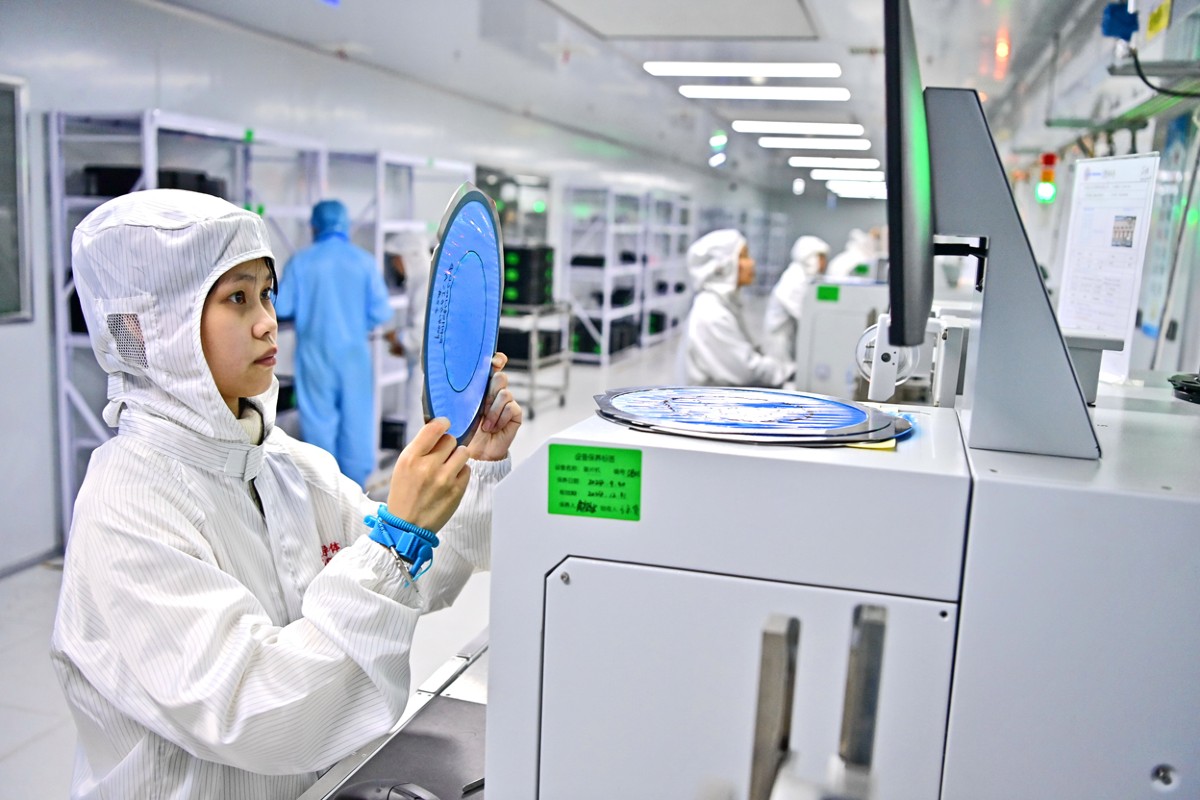
The Reuters report underscores a broader trend: despite years of U.S.-led sanctions on advanced semiconductors and manufacturing tools, Chinese companies have demonstrated remarkable resilience. Recent breakthroughs, like those from DeepSeek and others, show models approaching or matching top U.S. systems through clever optimization rather than brute-force compute power. Younger entrepreneurs in China exhibit a greater appetite for risk, accelerating progress in a high-stakes race.
For U.S. readers, this development raises critical questions about the long-term effectiveness of export controls. While they slow China’s access to frontier hardware, they appear to spur domestic ingenuity, talent retention, and open-source collaboration—areas where China has gained goodwill globally. Economically, continued narrowing could reshape global tech supply chains, boost Chinese stock markets (as seen with recent IPOs), and intensify competition in applications from autonomous driving to scientific discovery. Lifestyle-wise, it means faster, more efficient AI tools potentially reaching consumers worldwide sooner, regardless of origin.
Industry observers note that the U.S. still holds edges in investment scale, data centers, and next-generation research, but the gap is shrinking faster than many anticipated. As one expert put it, constraints have made Chinese teams “more creative” in ways that could pay off big in the coming years.
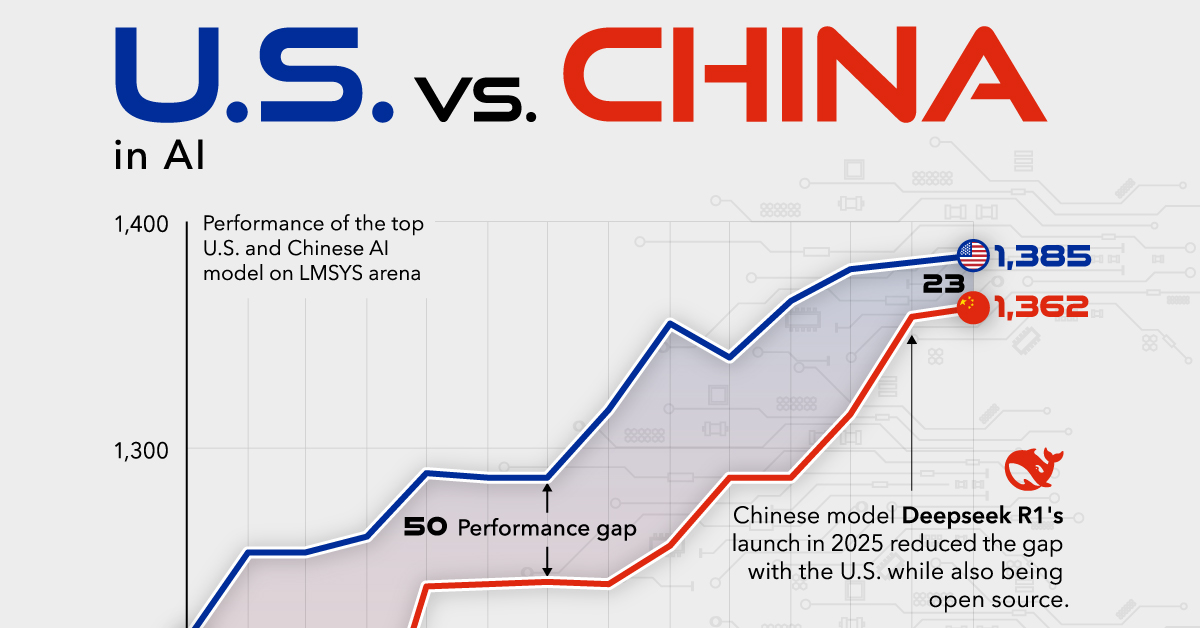
Visual comparisons of U.S. vs. Chinese AI model performance highlight the tightening race:
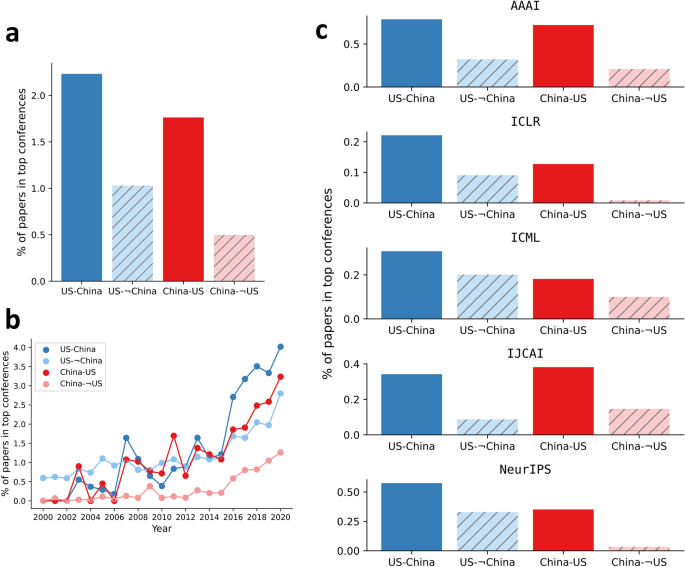
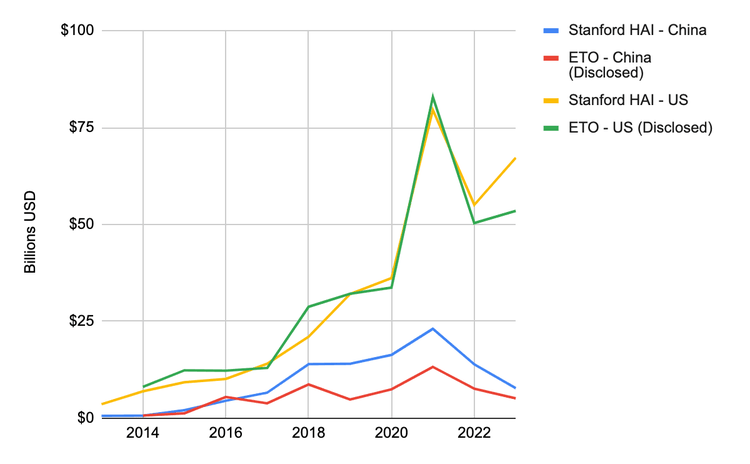
With China US AI gap narrowing accelerating, China closing in on US technology lead gaining traction, Chinese AI innovation 2026 booming, US sanctions AI impact debated, and advanced chipmaking constraints China driving ingenuity, the global AI landscape is evolving rapidly.
By Mark Smith
Follow us on X @realnewshubs and subscribe for push notifications