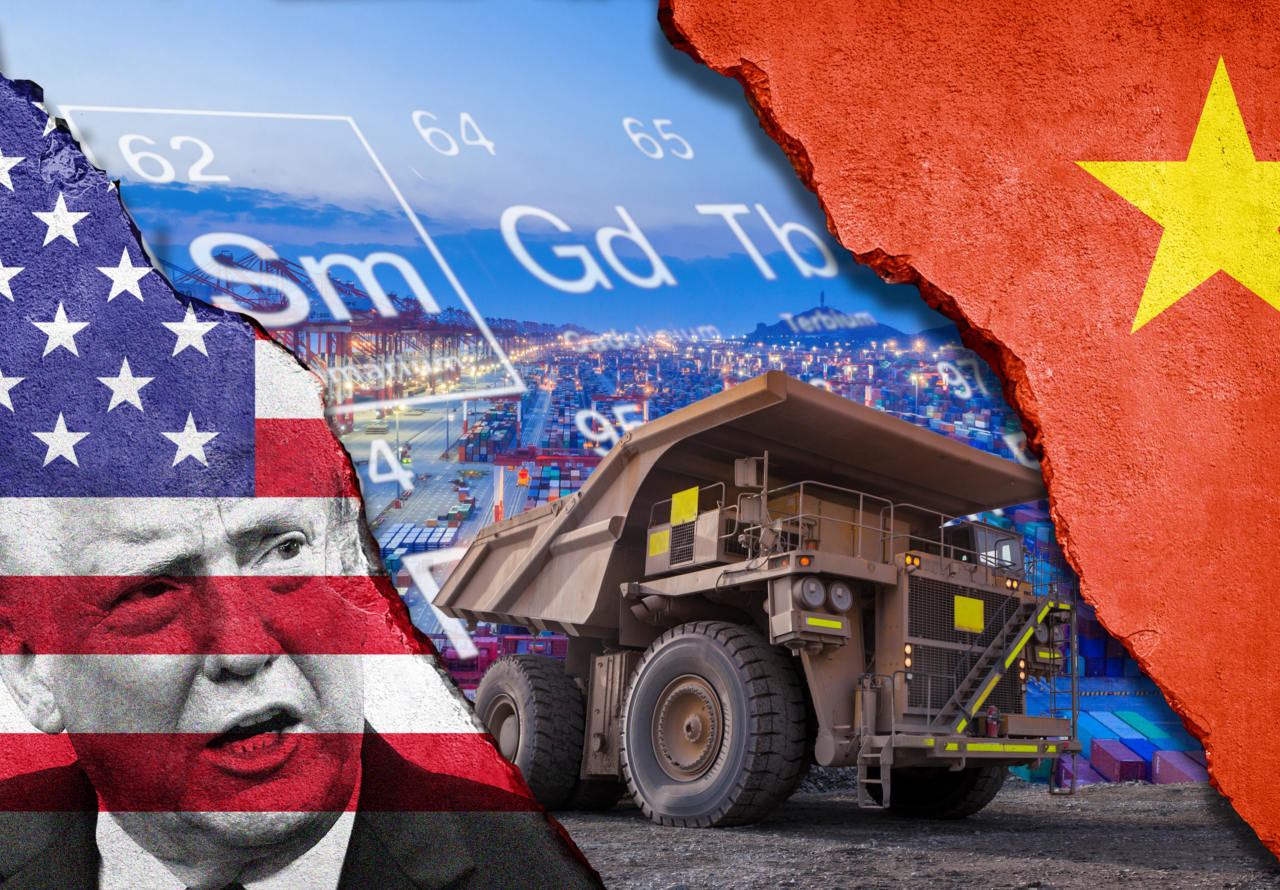
China’s Rare Earth Dominance Fuels Fresh US Trade War Fears
In a bold escalation of the China rare earths trade war, Beijing has unleashed sweeping export controls on these vital minerals, sending shockwaves through American defense contractors and tech giants alike. As President Trump vows 100% tariffs in retaliation, the U.S. faces a stark reminder of its vulnerability to China’s grip on critical minerals.
The latest move, announced by China’s Ministry of Commerce on October 9, 2025, via Announcement No. 61, imposes the strictest limits yet on rare earth processing and magnets—key components in everything from fighter jets to electric vehicles. This rare earths dominance in the China trade war underscores Beijing’s strategic edge, with export controls now explicitly barring shipments for foreign military use. U.S. tariffs loom large as Washington scrambles to counter what officials call a “direct threat” to national security. Critical minerals like these power the modern economy, and their weaponization highlights the high stakes in this renewed standoff.
Rare earth elements—17 metals essential for high-tech manufacturing—aren’t actually rare, but their extraction and refining are complex and polluting. China controls about 70% to 80% of global processing capacity, a position it has solidified over decades through aggressive investment and lax environmental rules. Back in 2010, Beijing briefly cut off supplies to Japan during a territorial spat, spiking prices worldwide and alerting the West to the risks. Fast-forward to today, and these elements are baked into U.S. innovation: neodymium in EV motors, dysprosium in smartphone screens, and yttrium in jet engine coatings.
The new restrictions hit hardest at America’s defense sector. Rare earth magnets drive systems in F-35 stealth fighters, Tomahawk missiles, and Predator drones—gear that’s non-negotiable for U.S. military superiority. Gracelin Baskaran, a critical minerals expert at the Center for Strategic and International Studies, calls this the “first restrictions specifically targeting the defense sector,” amplifying Beijing’s leverage ahead of a potential Trump-Xi summit later this month. “These controls could disrupt supply chains overnight,” she warned in a recent analysis.
Public reaction has been swift and sharp. Wall Street tumbled Friday, with the S&P 500 dropping over 2% as investors braced for tariff fallout. U.S. officials, including Commerce Secretary Gina Raimondo, blasted the move as “economic coercion,” urging allies to diversify away from China. On social media, hashtags like #RareEarthsCrisis trended, with users from tech enthusiasts to veterans voicing alarm over potential delays in everything from iPhone upgrades to missile production.
For everyday Americans, the ripple effects cut deep into wallets and way of life. Higher costs for critical minerals could jack up prices on electric cars—think an extra $1,000 per Tesla Model 3—as automakers like Ford and GM scramble for alternatives. In politics, this bolsters calls for the CHIPS Act expansion, funneling billions into domestic mining. Technologically, it slows the green energy push; wind turbines and solar panels rely on these elements, delaying Biden-era climate goals now under Trump’s review.
Economists like Robin Brooks of the Brookings Institution argue China isn’t invincible. “Their exporters are hurting from existing U.S. tariffs,” he noted, pointing to profit plunges in Beijing’s manufacturing hubs. Yet, Dimitar Gueorguiev, an associate professor at Syracuse University, sees it as a “signaling shot”—Beijing flexing without fully pulling the trigger, aimed at extracting concessions on chip exports. Michael Froman, former U.S. Trade Representative and now at the Council on Foreign Relations, adds a sobering twist: “China can make it vastly harder to build the chips and tech of tomorrow.”
The U.S. isn’t standing idle. Efforts to revive the Mountain Pass mine in California—once the world’s top rare earth site—have ramped up, backed by $200 million in federal grants. Partnerships with Australia and Canada aim to build alternative refineries, but experts like Lyle Trytten warn it could take five to seven years to match China’s scale. “We’re playing catch-up in a game they started decades ago,” Trytten said.
This China rare earths trade war exposes America’s overreliance on a single supplier, much like the 1970s oil shocks. As export controls tighten and U.S. tariffs threaten escalation, the path forward hinges on November’s Trump-Xi talks. Diversification offers hope, but short-term pain—from pricier gadgets to strained alliances—looms large. Stakeholders watch closely, knowing rare earths dominance could redefine global power for years.
In the end, this clash over critical minerals isn’t just about dirt in the ground; it’s a battle for tomorrow’s tech edge. With Beijing holding the cards, Washington must innovate fast or risk paying dearly.
By Sam Michael
Follow and subscribe to us for push notifications on breaking U.S. economic news—stay ahead of the curve!
china rare earths trade war, rare earths dominance, us tariffs china, export controls rare earths, critical minerals supply chain, trump xi trade talks, us defense rare earths, electric vehicles minerals, global supply chain risks