
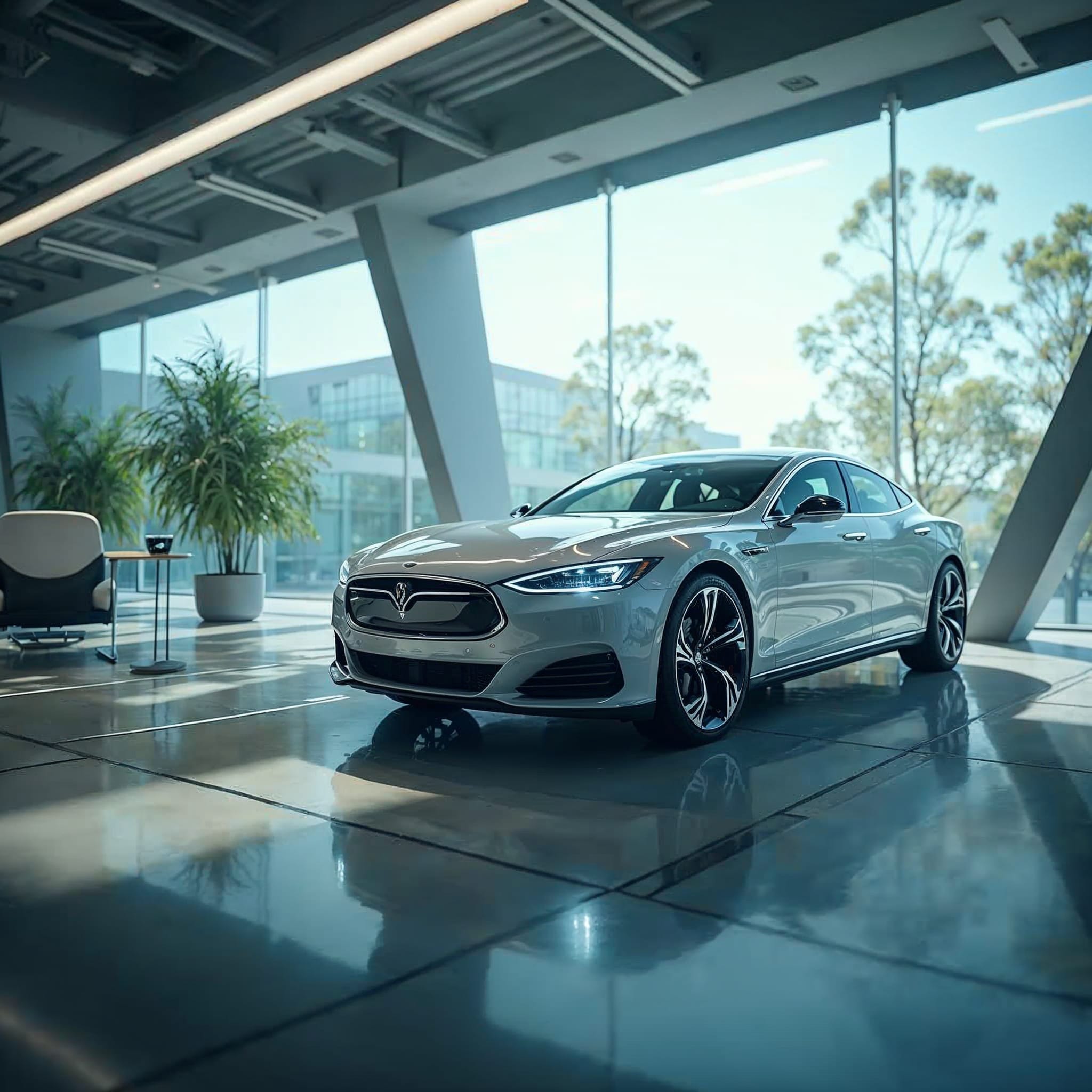
In an era increasingly defined by environmental consciousness and the urgent need to combat climate change, the way we move from one place to another has come under intense scrutiny. Roadway pollution, stemming primarily from the exhaust emissions of conventional internal combustion engine (ICE) vehicles, poses a significant threat to global air quality, human health, and ecological balance. From smog-filled urban centers to the subtle but pervasive impact of greenhouse gases contributing to global warming, the challenges are undeniable. However, amidst these concerns, innovative solutions are emerging, offering a path towards a cleaner, more sustainable future for transportation. Among these, hybrid electric vehicles (HEVs) stand out as a pivotal technology, acting as a crucial bridge between traditional fossil-fuel dependence and a fully electrified automotive landscape. This comprehensive guide delves deep into the mechanisms, benefits, and future potential of hybrid vehicles, illuminating how they are not just an alternative, but a leading force in the global effort to reduce roadway pollution and pave the way for a healthier planet.
Join us as we explore the intricate world of hybrid technology, dissecting its environmental advantages, understanding its economic implications, and looking ahead to its evolving role in the grand tapestry of clean transport solutions. Discover why embracing hybrid technology is not just a personal choice for a greener commute, but a collective step towards a sustainable transportation ecosystem. From sophisticated engineering that optimizes fuel consumption to tangible reductions in harmful emissions, hybrid vehicles offer a compelling narrative of progress, innovation, and practical environmental stewardship.
Understanding Roadway Pollution: A Pressing Global Challenge
To truly appreciate the solutions offered by hybrid vehicles, it is essential to first grasp the scope and severity of the problem they aim to address: roadway pollution. This pervasive issue is a complex cocktail of harmful substances released into our atmosphere primarily through the combustion of fossil fuels in vehicle engines. The consequences are far-reaching, affecting everything from the air we breathe to the stability of our global climate.
The Anatomy of Vehicle Emissions
Conventional gasoline and diesel engines, while marvels of engineering, are inherently inefficient, converting only a fraction of fuel’s energy into motion. The rest is lost as heat and, more critically, as exhaust gases that contain a range of pollutants:
- Carbon Dioxide (CO2): The most significant greenhouse gas, primarily responsible for trapping heat in the Earth’s atmosphere and driving global climate change. Vehicle emissions are a major contributor to rising atmospheric CO2 levels.
- Nitrogen Oxides (NOx): A group of highly reactive gases that contribute to the formation of ground-level ozone (smog), acid rain, and fine particulate matter. NOx can cause severe respiratory illnesses and damage ecosystems, including agricultural crops and forests.
- Particulate Matter (PM2.5 and PM10): Microscopic solid and liquid particles suspended in the air. These tiny particles, especially PM2.5, can penetrate deep into the lungs and even enter the bloodstream, leading to severe respiratory and cardiovascular diseases, including heart attacks and strokes. Diesel vehicles are particularly known for PM emissions.
- Volatile Organic Compounds (VOCs): Organic chemicals that readily evaporate. They react with NOx in the presence of sunlight to form ground-level ozone, another detrimental component of smog. Some VOCs are also known carcinogens or toxic air pollutants.
- Carbon Monoxide (CO): A colorless, odorless, poisonous gas formed when carbon in fuel does not burn completely. It reduces the oxygen-carrying capacity of blood, impacting health by impairing mental function and alertness, especially dangerous in enclosed spaces.
The Grave Impacts on Health and Environment
The cumulative effect of these pollutants is staggering and poses a serious public health crisis. On a human health level, chronic exposure to vehicle emissions is linked to a litany of ailments, making it one of the leading environmental causes of premature death globally:
- Respiratory Diseases: Exacerbation of asthma, development of chronic bronchitis, emphysema, and increased susceptibility to respiratory infections are common in areas with high traffic pollution. Children and the elderly are particularly vulnerable.
- Cardiovascular Issues: Fine particulate matter is strongly associated with an increased risk of heart attacks, strokes, arrhythmias, and other cardiovascular problems. It can also contribute to the development of atherosclerosis (hardening of the arteries).
- Neurological Effects: Emerging research suggests increasingly strong links between air pollution exposure and various neurological disorders, including cognitive decline, increased risk of dementia, and developmental issues in children.
- Cancers: Certain components of vehicle exhaust, such as benzene and polycyclic aromatic hydrocarbons (PAHs), are classified as known carcinogens, contributing to an elevated risk of lung cancer and other forms of cancer.
Environmentally, the impact is equally severe and contributes significantly to ecological degradation and climate instability:
- Climate Change: CO2 emissions from transportation are a primary driver of global warming, leading to a cascade of environmental crises including rising sea levels, more frequent and intense extreme weather events, disruption of ecosystems, and loss of biodiversity.
- Acid Rain: NOx and Sulfur Dioxide (SO2, though less from modern vehicles) react in the atmosphere to form acid rain, which acidifies soils and water bodies, severely damaging forests, aquatic life (e.g., lakes and rivers), and accelerating the corrosion of buildings and infrastructure.
- Smog Formation: Ground-level ozone, a major component of smog, reduces visibility and is harmful to plant life, leading to reduced crop yields and damage to sensitive vegetation. It also causes respiratory distress in humans and animals.
- Ecosystem Damage: Pollution can directly contaminate water bodies, harm biodiversity, and disrupt delicate ecological balances, affecting the health of entire food webs and natural habitats.
The urgency to find effective solutions cannot be overstated. As urban populations grow and global vehicle fleets expand, mitigating roadway pollution becomes an ever more critical component of public health strategy, environmental protection, and sustainable urban planning. This is precisely where hybrid vehicles step in, offering a tangible, immediate, and impactful reduction in the environmental footprint of our daily commutes.
The Dawn of Hybrid Technology: How it Works
Hybrid technology represents a clever and highly effective engineering solution to the complex challenges posed by traditional gasoline vehicles. At its core, a hybrid electric vehicle (HEV) ingeniously combines two distinct power sources: a conventional internal combustion engine (ICE) and an electric motor powered by a battery. This dual-power system is orchestrated by a sophisticated computer management unit that seamlessly switches between, or blends, these power sources to optimize efficiency and minimize emissions across various driving conditions.
The Fundamental Principle: Synergistic Power
The genius of hybrid technology lies in its ability to leverage the inherent strengths of both electric and gasoline power while simultaneously mitigating their individual weaknesses. Electric motors are exceptionally efficient at low speeds, during initial acceleration, and in stop-and-go traffic, producing zero tailpipe emissions during electric-only operation. Internal combustion engines, conversely, are typically more efficient at higher speeds and for sustained power delivery over long distances. A hybrid vehicle intelligently integrates these power units, typically allowing the electric motor to handle stop-and-go traffic and initial acceleration, while the gasoline engine takes over for cruising on the highway or when additional power is demanded, such as climbing a hill.
Key Components of a Hybrid System
- Internal Combustion Engine (ICE): This is usually a smaller, highly efficient gasoline engine, often designed to operate within its most optimal RPM range for maximum fuel economy and minimal emissions.
- Electric Motor/Generator: This versatile component performs multiple crucial roles. It propels the vehicle, assists the ICE during acceleration, and acts as a generator during regenerative braking to convert kinetic energy back into electricity, which is then stored in the battery.
- Battery Pack: This unit stores the electrical energy required for the electric motor’s operation. Modern hybrids typically employ durable and robust nickel-metal hydride (NiMH) or advanced lithium-ion (Li-ion) batteries, designed for thousands of charge/discharge cycles throughout the vehicle’s lifespan.
- Power Control Unit (PCU): Often referred to as the “brain” of the hybrid system, the PCU is a highly sophisticated computer. It intelligently manages and directs the flow of power between the engine, electric motor, and battery, deciding in real-time when to use electric power, gasoline power, or a combination, and when to regenerate and store energy in the battery.
- Transmission System: Hybrids often utilize a continuously variable transmission (CVT) or a specialized hybrid transmission system that efficiently routes power from either the engine, the electric motor, or both, to the drive wheels. This seamless power delivery is key to both efficiency and a smooth driving experience.
Types of Hybrid Vehicles: A Spectrum of Electrification
It is important to understand that not all hybrids are configured identically. The degree of electrification and the specific way the engine and motor interact define distinct types of hybrid systems, each offering different advantages:
- Mild Hybrid (MHEV): These systems feature a relatively small electric motor and battery, primarily designed to assist the gasoline engine during acceleration and to power auxiliary systems. While they typically do not offer electric-only propulsion, they significantly improve fuel efficiency through advanced start/stop systems (shutting off the engine when stationary) and regenerative braking. MHEVs are generally the least expensive and simplest hybrid variant to integrate.
- Full Hybrid (FHEV): Also commonly known as a “strong hybrid,” these vehicles possess a more powerful electric motor and a larger battery compared to mild hybrids. This enables them to operate on electric power alone for short distances and at low speeds (e.g., in parking lots or slow-moving traffic). They intelligently and autonomously switch between electric, gasoline, or combined power, and efficiently capture energy through regenerative braking. The iconic Toyota Prius is a classic and widely recognized example of a full hybrid.
- Plug-in Hybrid Electric Vehicle (PHEV): PHEVs represent a significant leap towards full electrification. They are equipped with a much larger battery than full hybrids, allowing them to travel considerable distances (typically 20-50 miles or more) exclusively on electric power. Crucially, their batteries can be recharged by plugging into an external power source, much like a pure electric vehicle (EV). Once the electric range is depleted, the gasoline engine seamlessly takes over, allowing the vehicle to function as a full hybrid. This provides the ideal flexibility of emission-free electric-only commuting combined with the peace of mind of a gasoline engine for longer journeys without relying on charging infrastructure.
- Series Hybrid: In a series hybrid configuration, the electric motor is the sole component that always drives the wheels. The gasoline engine’s only role is to act as a generator, producing electricity to power the electric motor or to recharge the battery pack. The engine never directly powers the wheels. This design can be very efficient for urban driving where the engine can operate at its most efficient RPM for power generation but can be less efficient at higher cruising speeds.
- Parallel Hybrid: This is one of the most common hybrid configurations. In a parallel hybrid, both the electric motor and the gasoline engine can directly power the wheels, either independently or simultaneously, depending on the driving conditions. This architecture offers significant flexibility in power delivery across various speed ranges.
- Series-Parallel Hybrid: Often considered the most sophisticated hybrid architecture, this system cleverly combines elements of both series and parallel designs, typically utilizing a planetary gear set. It allows the vehicle’s computer to operate as a series hybrid, a parallel hybrid, or a combination of both, providing optimal efficiency and performance across a wider range of speeds and loads. Most modern full hybrids and PHEVs utilize some form of a series-parallel architecture for maximum versatility.
The continuous evolution of hybrid technology showcases a profound commitment by the automotive industry to refining efficiency and drastically reducing environmental impact. These diverse hybrid types provide consumers with a versatile array of options, allowing them to choose a vehicle that best suits their driving needs while actively participating in the global transition to cleaner, more sustainable transportation.
Hybrid Vehicles and Their Role in Emissions Reduction
The foremost environmental advantage of hybrid vehicles lies in their profound ability to significantly reduce tailpipe emissions compared to their conventional gasoline counterparts. This reduction is not merely a theoretical claim; it is consistently demonstrated through robust real-world driving data and measurable decreases in various harmful pollutants, directly contributing to improved ambient air quality, a smaller carbon footprint, and enhanced public health.
Targeting Key Pollutants with Precision
Hybrid technology is specifically engineered to target and mitigate the emission of the major components of roadway pollution:
- Carbon Dioxide (CO2) Reduction: This is arguably the most impactful benefit. By burning substantially less gasoline due to their enhanced efficiency, hybrids emit significantly less CO2 per mile traveled. The intelligent synergy between the electric motor and the ICE allows the gasoline engine to operate more frequently in its most efficient RPM range, and, crucially, to shut off entirely during idling, deceleration, or low-speed electric-only driving. This intelligent operation leads to a typical 20-40% reduction in CO2 emissions for full hybrids, and even more substantial reductions for PHEVs when they are operated frequently on their electric-only range.
- Nitrogen Oxides (NOx) and Particulate Matter (PM) Reduction: While CO2 is a primary greenhouse gas contributing to climate change, NOx and PM are direct air pollutants that pose immediate and severe threats to human health. Hybrids significantly reduce the emission of these harmful substances through several mechanisms:
- Engine Off Periods: During periods of electric-only propulsion, such as in stop-and-go traffic or slow urban driving, absolutely no NOx or PM is emitted from the tailpipe. This is particularly beneficial for urban air quality.
- Optimal Engine Operation: When the gasoline engine is running, the hybrid system’s sophisticated computer management ensures it operates at its most efficient and cleanest points, thereby minimizing the formation and release of these pollutants.
- Faster Catalytic Converter Warm-up: The electric motor can take over propulsion during the engine warm-up phase. This allows the catalytic converter, which neutralizes harmful pollutants, to reach its optimal operating temperature more rapidly. A hot catalytic converter is much more effective at converting NOx, CO, and VOCs into less harmful substances.
- Carbon Monoxide (CO) and Volatile Organic Compounds (VOCs) Reduction: Similar to NOx and PM, the emissions of carbon monoxide and volatile organic compounds are significantly reduced in hybrid vehicles. This is attributed to the overall reduction in fuel combustion, more efficient and complete combustion when the engine is active, and the hybrid system’s inherent ability to limit unnecessary engine idling.
The Power of Regenerative Braking: Energy Reclaimed
One of the most elegant, effective, and often unsung features of hybrid vehicles is regenerative braking. In a conventional car, applying the brakes converts the vehicle’s kinetic energy into heat through friction, which is then wasted into the atmosphere. Hybrids, however, are designed to capture this kinetic energy during deceleration and braking, converting it back into electricity. This electricity is then efficiently stored in the battery pack. This innovative process not only actively recharges the battery, reducing the need for the gasoline engine to do so, but also significantly reduces the wear and tear on traditional friction brake pads and rotors. By recovering energy that would otherwise be lost and dissipated as heat, regenerative braking directly contributes to a substantial improvement in fuel economy and, consequently, lower emissions, particularly in driving conditions characterized by frequent braking, such as urban environments and hilly terrain.
Real-World Impact and Transformative Case Studies
The environmental benefits derived from hybrids are not confined to controlled laboratory tests or theoretical models. Major cities and commercial sectors around the world have seen demonstrable and measurable improvements in local air quality and reductions in fuel consumption with the widespread adoption of hybrid technologies:
- Taxi Fleets in Global Metropolises: Cities such as New York, London, Tokyo, and Singapore have witnessed a dramatic transition of their taxi fleets to hybrid models. Given the high mileage accumulation and constant stop-and-go urban driving cycles of taxis, the cumulative fuel savings and emissions reductions from hybrids are truly exponential. A single hybrid taxi can save hundreds of gallons of fuel and prevent multiple tons of CO2 from entering the atmosphere annually compared to its conventional gasoline or diesel counterpart, leading to cleaner air for millions of city dwellers.
- Ride-Sharing Services: Leading ride-sharing companies like Uber and Lyft actively incentivize or prioritize the use of hybrid vehicles among their drivers. This strategy acknowledges both the significant financial benefits of lower operating costs and the crucial environmental advantages of reduced emissions for their high-mileage drivers, aligning with corporate sustainability goals.
- Government and Corporate Fleets: Many government agencies and large corporations globally are actively incorporating hybrid vehicles into their administrative, utility, and even law enforcement fleets as an integral part of broader sustainability initiatives. This widespread adoption sets a powerful example for broader societal adoption and demonstrates a commitment to environmental stewardship on a larger scale.
These diverse real-world applications unequivocally underscore that hybrid vehicles are not merely a niche solution but a highly practical, scalable, and immediately impactful approach to tackling roadway pollution on a global scale. They represent a tangible, immediate, and effective step towards creating cleaner, healthier urban environments and making a significant contribution to mitigating the pervasive threat of climate change.
Beyond the Tailpipe: Lifecycle Emissions and Hybrid Advantages
While tailpipe emissions are undoubtedly a critical focus for assessing a vehicle’s environmental impact, a truly comprehensive and accurate assessment of any automotive technology must extend beyond just what comes out of the exhaust pipe. A thorough environmental evaluation necessitates considering its entire lifecycle, encompassing everything from the extraction of raw materials and the energy-intensive manufacturing process to the eventual end-of-life recycling and responsible disposal of components. This “well-to-wheel” or “cradle-to-grave” analysis provides a far more holistic and accurate view of a vehicle’s true environmental footprint. For hybrid vehicles, examining this broader perspective often reveals additional nuanced advantages and important considerations.
Manufacturing Footprint: Batteries and Materials
One common concern frequently raised about hybrids (and especially pure electric vehicles) relates to the environmental impact associated with battery production. Hybrid batteries, while considerably smaller than those found in pure EVs, still require energy and various resources for their manufacture. The extraction of critical raw materials such as lithium, nickel, cobalt, and rare earth elements can carry environmental and sometimes social costs. However, it is crucial to consider this impact within its proper context:
- Scale of Batteries: A significant differentiating factor is the size of the battery. Hybrid batteries are substantially smaller than the large packs required for pure EVs. For instance, a typical full hybrid battery might range from 1 to 2 kilowatt-hours (kWh), whereas a pure EV battery can range from 40 kWh to well over 100 kWh. This difference translates directly into a considerably smaller resource footprint per battery for hybrids.
- Improvements in Manufacturing: The automotive and battery industries are continually investing in research and development to make battery manufacturing processes significantly more efficient and less energy-intensive. Manufacturers are also increasingly focusing on responsible and ethical sourcing of raw materials, implementing stringent supply chain audits, and establishing advanced closed-loop recycling programs to reclaim valuable materials.
- Comparison to ICE Manufacturing: While battery production does have an environmental impact, it is also important to acknowledge that the manufacturing of a complex internal combustion engine, its sophisticated transmission, and numerous associated components also carries a significant environmental footprint, including the energy consumption and resource extraction involved in producing steel, aluminum, and plastics. This aspect is often inadvertently overlooked in comparisons solely focused on batteries.
Energy Source for Charging (for PHEVs)
For Plug-in Hybrid Electric Vehicles (PHEVs), the overall environmental benefit is inherently linked to the source of electricity used for charging. If a PHEV is consistently charged using electricity generated from clean, renewable sources (such as solar, wind, or hydroelectric power), its overall lifecycle emissions are dramatically lower, nearing those of a pure EV powered by green energy. Conversely, if a PHEV is primarily charged using electricity from a grid heavily reliant on fossil fuels (e.g., coal-fired power plants), the “upstream” emissions associated with power generation will be higher. Nevertheless, even when charged on a fossil-fuel-heavy grid, PHEVs typically still result in lower overall well-to-wheel emissions than comparable conventional gasoline vehicles, primarily due to the higher efficiency of centralized power generation compared to individual car engines, and the fact that the electric motor is much more efficient than an ICE.
Lifecycle Comparison: Hybrids vs. ICE vs. Pure EVs
A comprehensive lifecycle analysis often positions hybrids as an exceptionally well-balanced and effective middle-ground solution in the spectrum of automotive technologies:
- Conventional ICE Vehicles: These typically have a relatively lower manufacturing footprint (as they do not contain large, complex battery packs) but generate very high operational (tailpipe) emissions throughout their entire service life. Consequently, their total well-to-wheel emissions are generally the highest among the three categories.
- Pure Electric Vehicles (BEVs): BEVs typically have the highest initial manufacturing footprint, primarily due to the production of their large battery packs. However, they produce zero tailpipe emissions during operation. Their total well-to-wheel emissions are critically dependent on the cleanliness of the electricity grid from which they draw power. As electricity grids progressively transition to greener, renewable sources, BEVs become the cleanest option overall in terms of total lifecycle emissions.
- Hybrid Electric Vehicles (HEVs and PHEVs): Hybrids offer a distinctly balanced environmental profile. Their manufacturing footprint is higher than a conventional ICE vehicle but significantly lower than that of a pure EV, owing to their smaller battery sizes. Their operational emissions are substantially lower than ICE vehicles and can closely approach pure EV levels for PHEVs that are frequently charged and primarily operated on electric power from renewable energy sources. Hybrids provide an immediate, substantial, and practical reduction in total lifecycle emissions compared to conventional cars, making them a highly effective and accessible solution today, especially in regions where comprehensive EV charging infrastructure is still developing or where grid electricity is not yet fully green.
Recycling Initiatives for Hybrid Components
The automotive industry is increasingly and actively focusing on the principles of the circular economy, particularly concerning critical components like batteries. Major hybrid manufacturers have established and continue to expand robust recycling programs for end-of-life hybrid batteries. These forward-thinking programs aim to achieve several crucial objectives:
- Recover Valuable Materials: Essential and often scarce materials such as lithium, cobalt, nickel, and other precious metals can be efficiently extracted and subsequently reused in the production of new batteries or repurposed for other industries, significantly reducing the demand for virgin material extraction.
- Repurpose Batteries for “Second Life”: Batteries that no longer meet the rigorous performance demands for automotive use can often be repurposed for “second-life” applications. These can include stationary energy storage solutions for homes, commercial buildings, or grid support (e.g., storing solar or wind energy), thereby extending their useful lifespan before requiring full recycling.
- Reduce Waste and Environmental Contamination: By systematically preventing batteries from ending up in landfills, these recycling and repurposing initiatives minimize potential environmental contamination and significantly contribute to reducing overall resource depletion.
These comprehensive initiatives ensure that the environmental benefits of hybrids extend well beyond their operational phase, actively addressing concerns about resource consumption and waste management throughout their entire lifecycle. Hybrids, therefore, present a compelling and holistic case for both immediate and long-term environmental benefits, adeptly balancing manufacturing impact with profound operational emission reductions.
Economic and Practical Advantages for Consumers and Fleets
Beyond their undeniable environmental benefits, hybrid vehicles offer a compelling array of economic and practical advantages that hold significant appeal for both individual consumers and large commercial fleets. These tangible benefits often translate directly into significant cost savings and an enhanced ownership experience, making hybrids an increasingly sensible and attractive choice for a broader demographic of buyers.
Fuel Cost Savings: The Most Obvious and Immediate Benefit
The cornerstone of hybrid vehicle appeal, and often the primary motivator for purchase, is their superior fuel efficiency. By intelligently and seamlessly switching between electric and gasoline power, and by effectively leveraging regenerative braking to reclaim energy, hybrids consume significantly less fuel than comparable conventional gasoline vehicles. This directly translates into substantial and measurable savings at the gas pump over the vehicle’s entire lifetime. For drivers with long daily commutes, or those who spend a considerable amount of time navigating stop-and-go urban traffic (where hybrids are particularly adept at maximizing efficiency), these accumulated savings can quickly add up, often offsetting any initial price premium that a hybrid might have over a conventional car.
For Plug-in Hybrid Electric Vehicles (PHEVs), the potential for fuel savings is even greater, especially if the vehicle is frequently charged and primarily driven on its electric-only range. Electricity is typically much cheaper per mile to “fuel” than gasoline, particularly when charging at home during off-peak utility hours, further amplifying the economic benefits.
Lower Maintenance Costs in Key Areas
Surprisingly to some, hybrids often incur lower maintenance costs in specific, yet significant, areas compared to conventional cars, contributing to overall lower cost of ownership:
- Reduced Brake Wear: The regenerative braking system in hybrids handles a substantial portion of the vehicle’s stopping power. This means the traditional friction brakes (pads and rotors) are used less frequently and subjected to less intense wear. This dramatically extends the lifespan of brake components, leading to fewer replacements and the associated labor costs.
- Less Engine Strain: The electric motor provides crucial assistance to the gasoline engine, particularly during acceleration and demanding conditions. This reduces the overall load and stress placed on the internal combustion engine and its components, potentially contributing to a longer lifespan for the engine and a reduced frequency of major engine-related repairs.
- Extended Oil Change Intervals: Because the gasoline engine in full hybrids and PHEVs is not always running (as it can shut off during electric-only driving or idling), it accumulates fewer operating hours per mile traveled. This can sometimes lead to extended oil change intervals, although it is always paramount to strictly follow the manufacturer’s recommended service schedule.
Government Incentives and Tax Credits: Making Hybrids More Accessible
Many governments and local authorities worldwide actively recognize the significant environmental benefits offered by hybrids and often provide various incentives to encourage their adoption. These incentives can substantially reduce the effective purchase price or ongoing costs of ownership:
- Federal Tax Credits: Particularly for Plug-in Hybrid Electric Vehicles (PHEVs), federal governments (such as in the United States) may offer significant tax credits that can directly reduce the upfront purchase cost, making PHEVs more financially competitive.
- State and Local Rebates: Beyond federal programs, many states, provinces, and municipalities offer additional rebates, grants, or tax exemptions specifically for the purchase of hybrid and electric vehicles, further Sweetening the deal.
- HOV Lane Access: In some congested regions, hybrids (especially certain certified models) are granted access to High Occupancy Vehicle (HOV) lanes even with a single occupant, providing a valuable time-saving benefit for commuters.
- Reduced Registration Fees or Parking Rates: Some jurisdictions provide incentives in the form of reduced annual vehicle registration fees or preferential parking rates for eco-friendly vehicles, adding to the long-term savings.
These various incentives collectively enhance the economic attractiveness of hybrids, making them even more competitive against conventional vehicles and accelerating their adoption.
Mitigating Range Anxiety: The Best of Both Worlds
For many potential electric vehicle buyers, “range anxiety” – the lingering fear of running out of charge before reaching a destination or finding a suitable charging station – remains a significant psychological barrier. Hybrids, and particularly PHEVs, effectively and comprehensively eliminate this concern. A PHEV offers the quintessential “best of both worlds” scenario: drivers can enjoy the vast majority of their daily commuting on clean, quiet, and economical electric power, with the complete flexibility and peace of mind provided by a traditional gasoline engine for longer journeys or when charging is not readily available. This means drivers can enjoy the environmental and cost benefits of electric driving without any lingering worries about charging infrastructure availability on extended road trips.
Enhanced Resale Value: A Sound Investment
As global environmental awareness continues to grow and fuel prices remain subject to volatility, the demand for fuel-efficient and environmentally responsible vehicles often remains consistently strong. Hybrids, with their proven track record of reliability, exceptional efficiency, and lower emissions, tend to hold their resale value remarkably well over time. This can lead to a better return on investment when it eventually comes time to sell or trade in the vehicle, further solidifying their economic appeal.
In summary, hybrid vehicles present a compelling value proposition that extends far beyond their initial environmental credentials. They provide a practical, economically sound, and worry-free driving experience that expertly caters to the evolving needs of modern consumers and efficiently meets the operational demands of commercial fleets, cementing their status as an increasingly popular and indispensable choice for sustainable transportation.
Innovations and the Future of Hybrid Technology
The automotive industry is in a perpetual state of dynamic flux, relentlessly driven by rapid technological advancements, evolving regulatory pressures aimed at reducing emissions, and constantly shifting consumer demands. Hybrid technology, far from being a stagnant or transitional solution, is at the forefront of this innovation, continually pushing the boundaries of efficiency, performance, and seamless integration. Its future promises even greater sophistication, enhanced capabilities, and a continued pivotal role in the global transition to fully sustainable transport systems.
Advancements in Battery Technology
Battery technology is unquestionably at the very heart of the rapid evolution observed in both hybrid and electric vehicles. Future generations of hybrids are poised to significantly benefit from groundbreaking advancements in this critical area:
- Increased Energy Density: Pioneering developments in battery chemistries, such as emerging solid-state batteries, promise to pack significantly more energy into smaller, lighter, and more compact packages. For hybrids, this means the potential for even greater electric-only ranges (for PHEVs) or the ability to utilize even smaller, lighter battery packs for full hybrids, which will further reduce overall vehicle weight and substantially improve overall efficiency.
- Faster Charging Rates: While full hybrids do not typically plug in, Plug-in Hybrid Electric Vehicles (PHEVs) are set to see dramatic improvements in charging speed. This will make them even more convenient and practical for daily electric driving, aligning their charging times closer to that of conventional fueling.
- Enhanced Durability and Longevity: Ongoing intensive research is dedicated to making batteries last even longer, with minimal degradation over the entire lifespan of the vehicle. This directly addresses historical concerns about battery replacement costs and overall environmental impact, further solidifying consumer confidence.
- Improved Thermal Management: Advanced cooling and heating systems for battery packs will optimize their performance across extreme temperature ranges, preventing efficiency loss in very hot or cold climates, and significantly extending their operational lifespan.
Smarter Electric Motors and Power Electronics
The electric motors themselves, along with the sophisticated power control units (PCUs) that expertly manage their operation, are also undergoing continuous and rapid refinement:
- Higher Efficiency Motors: Next-generation electric motors will be designed to be even more efficient at converting electrical energy into mechanical energy, dramatically reducing energy loss and thereby extending the electric range and overall fuel economy.
- Smaller and Lighter Components: Significant advancements in materials science and innovative design methodologies will lead to the development of more compact and lighter motors and PCUs. This directly contributes to overall vehicle weight reduction, which is a fundamental factor in improving both fuel efficiency and dynamic performance.
- Seamless Integration and Control: Sophisticated software and hardware improvements will ensure that the transition between electric and gasoline power is even smoother and more imperceptible to the driver. This enhancement contributes to a superior and more refined driving experience, elevating comfort and responsiveness.
Integration with Smart City Infrastructure and V2X Technology
As cities globally evolve into “smart cities” characterized by interconnected infrastructure and intelligent systems, hybrids (especially PHEVs) are perfectly poised to integrate seamlessly with these advanced networks:
- Smart Charging: PHEVs will gain the capability to communicate intelligently with the electricity grid. This allows them to optimize charging schedules to occur during off-peak hours or when renewable energy generation (e.g., from solar farms or wind turbines) is abundant, thereby optimizing energy utilization and significantly reducing electricity costs.
- Vehicle-to-Grid (V2G) Technology: In the not-so-distant future, PHEVs could potentially feed stored electricity back into the grid during periods of peak demand. This innovative functionality would allow them to act as mobile energy storage units, helping to stabilize the grid, manage energy fluctuations, and support the integration of more renewable energy sources.
- Optimized Routing and Predictive Power Management: Vehicle-to-everything (V2X) communication technology could empower hybrids to intelligently optimize their power usage based on real-time and predictive road conditions, traffic patterns, upcoming terrain, and even dynamically adjust power delivery for ultra-efficient routes.
The Role of Hydrogen Fuel Cell Hybrids (FCEVs)
While often considered a distinct category, Fuel Cell Electric Vehicles (FCEVs) can also be conceptualized as a highly advanced form of hybrid. They combine a hydrogen fuel cell (which generates electricity from hydrogen) with a battery and an electric motor. These represent an ultimate zero-emission solution at the tailpipe, with only water vapor as the emission. While the infrastructure for hydrogen refueling is still in its nascent stages of development, continued advancements in fuel cell technology could lead to greater integration of hydrogen-powered range extenders or even primary power sources within future hybrid systems, particularly for larger vehicles or those requiring extremely long ranges and rapid refueling.
The Bridge to Full Electrification: A Continual Evolution
Perhaps the most significant and enduring aspect of hybrid technology’s future is its continued and vital role as an essential stepping stone towards a fully electric automotive world. For a vast segment of consumers, a hybrid (especially a PHEV) offers the perfect, reassuring blend of the electric driving experience with the convenient backup of a gasoline engine, effectively easing the transition away from pure fossil fuels. As battery technology continues its rapid advancement and charging infrastructure experiences widespread expansion, the all-electric range of PHEVs will undoubtedly increase, and the overall efficiency of full hybrids will continue to set new benchmarks. Hybrids are not merely a temporary fix; they are an evolving, dynamic technology that will continue to drive down emissions and improve fuel economy, providing a practical, accessible, and highly effective pathway to a cleaner automotive future for many years to come.
Addressing Common Misconceptions About Hybrids
Despite their growing popularity, proven benefits, and sophisticated engineering, hybrid vehicles are still occasionally subject to several pervasive misconceptions that can unfortunately deter potential buyers. Understanding and systematically debunking these myths is crucial for fostering a balanced, informed perspective on their true value, capabilities, and long-term viability.
Myth 1: Hybrid Batteries Don’t Last Long and Are Exorbitantly Expensive to Replace
Reality: This is arguably the most persistent and widely held myth. Modern hybrid batteries are meticulously designed and engineered to last for the entire operational lifetime of the vehicle. The vast majority of manufacturers offer extensive warranties on their hybrid battery packs, commonly ranging from 8 years or 100,000 miles, with some even extending to 10 years or 150,000 miles in specific states or regions (e.g., California). Real-world operational data from high-mileage hybrid taxis unequivocally demonstrates that these batteries regularly exceed 200,000 or even 300,000 miles with minimal, if any, discernible degradation. While a full battery pack replacement can indeed be costly if required out of warranty (though prices are steadily falling), it is, in fact, a remarkably rare occurrence. Furthermore, many batteries can be effectively reconditioned, or individual problematic cells replaced, which is a far less expensive alternative than a complete pack replacement.
Myth 2: Hybrids Are Inherently Slow and Significantly Lack Performance
Reality: The perception that hybrids inherently prioritize economy over performance, while possibly true for some very early models, is now largely outdated and inaccurate. Modern hybrids often provide a surprisingly agile and spirited driving experience. The immediate and robust torque delivered by the electric motor provides excellent off-the-line acceleration, frequently making hybrids feel quicker and more responsive than their conventional gasoline counterparts, particularly in urban driving conditions. Moreover, many performance-oriented vehicles, including luxury sedans, SUVs, and even sports cars, now strategically utilize hybrid powertrains not only to boost power and improve acceleration but also to enhance overall driving dynamics and fuel efficiency. For example, some high-performance vehicles leverage hybrid systems to achieve both impressively high horsepower ratings and respectable fuel economy figures, demonstrating a clear synergy between performance and efficiency.
Myth 3: Hybrid Technology Is Excessively Complex and Prohibitively Expensive to Maintain
Reality: While the underlying engineering of hybrid systems is undoubtedly sophisticated, they are also designed with extraordinary levels of reliability and durability. The seamless integration and orchestration of components are managed by highly advanced computer systems that are remarkably robust and rarely fail. As previously discussed, hybrids often incur lower maintenance costs for specific components such as brakes, precisely due to the functionality of regenerative braking. Most routine maintenance tasks, including oil changes, tire rotations, and general inspections, are identical to those performed on conventional vehicles. Specialized hybrid components like the electric motor and battery are generally very robust and designed for longevity. Furthermore, diagnostic tools and highly trained technicians specializing in hybrid systems are becoming increasingly widespread and accessible at both dealership service centers and independent repair shops.
Myth 4: Hybrids Aren’t “Green Enough” Compared to Pure Electric Vehicles (EVs)
Reality: While pure EVs do indeed offer zero tailpipe emissions, hybrids provide immediate and substantial environmental benefits without the need for a fully developed charging infrastructure. They often achieve a lower overall lifecycle carbon footprint than some EVs, depending critically on the energy mix used for battery manufacturing and the electricity sources powering the grid. Hybrids offer a practical, accessible, and confidence-inspiring step towards electrification for many consumers who may not be ready for a pure EV due to considerations like range anxiety, limitations in charging infrastructure, or upfront budget constraints. They deliver immediate and significant reductions in greenhouse gases and local air pollutants, making them a very “green” and highly effective choice, especially for individuals transitioning from conventional gasoline cars.
Myth 5: Hybrids Are Only Beneficial for City Driving and Not for Highways
Reality: It is true that hybrids exhibit exceptional efficiency in stop-and-go city traffic due to frequent opportunities for electric-only driving and the maximum utilization of regenerative braking. However, the notion that they are inefficient on the highway is a misconception. Modern hybrids are also highly efficient for highway cruising. Their gasoline engines are typically optimized to operate efficiently at consistent higher speeds, and the electric motor can still provide crucial assistance for acceleration or when climbing grades, allowing the internal combustion engine to operate within its most efficient range. Plug-in Hybrids (PHEVs), in particular, with their larger batteries and extended all-electric ranges, are incredibly versatile for both urban and highway driving, demonstrating impressive overall fuel economy across all driving cycles.
Myth 6: Hybrid Vehicles Are More Dangerous Due to High Voltage Electrical Systems
Reality: Hybrid vehicles are engineered with multiple, robust safety redundancies specifically designed to protect both occupants and first responders from high-voltage components. All high-voltage cables and connections are clearly marked with orange shielding and are often routed within specially protected channels to prevent accidental contact. In the unlikely event of an accident, sophisticated safety systems are meticulously designed to automatically de-energize the high-voltage battery and isolate the electrical system, eliminating any shock hazard. Numerous rigorous crash tests conducted by independent safety organizations and extensive real-world safety records consistently demonstrate that hybrids are just as safe, if not safer in some aspects, as conventional vehicles. Technicians who work on these vehicles receive specialized training and safety certifications.
By effectively dispelling these common misconceptions, it becomes unequivocally clear that hybrid vehicles represent a robust, highly reliable, and environmentally responsible choice. They offer a compelling and practical blend of efficiency, economy, and performance without the drawbacks often falsely attributed to them, making them a smart and sustainable option for today’s drivers.
Comparison Tables
To further illustrate the distinct advantages and characteristics of hybrid vehicles, let’s look at some comparative data. These tables provide a clear overview of how hybrids stack up against conventional gasoline vehicles and pure electric vehicles across various crucial metrics, offering a quantitative perspective on their differences and benefits.
Table 1: Vehicle Powertrain Comparison (Environmental & Performance Metrics)
| Feature | Conventional Gasoline Vehicle (ICE) | Full Hybrid Electric Vehicle (FHEV) | Plug-in Hybrid Electric Vehicle (PHEV) | Battery Electric Vehicle (BEV) |
|---|---|---|---|---|
| Primary Power Source | Gasoline Engine | Gasoline Engine + Electric Motor | Electric Motor (with Plug-in) + Gasoline Engine | Electric Motor (Battery only) |
| Fuel Economy (Avg. MPG) | 25-35 MPG | 40-55 MPG | 50-100+ MPGe (electric) + 35-50 MPG (gas) | 80-130 MPGe (electric) |
| Tailpipe CO2 Emissions (g/km) | 150-250 g/km | 90-140 g/km | 0-50 g/km (electric mode) + 100-150 g/km (gas mode) | 0 g/km |
| Electric-Only Range | 0 miles | 0-1 miles (at very low speeds) | 20-60+ miles | 150-400+ miles |
| Refueling/Recharging Time | 5-10 minutes (gas) | 5-10 minutes (gas) | 5-10 minutes (gas) / 2-8 hours (electric, Level 2) | 20-60 min (DC Fast Charge) / 6-12 hours (home Level 2) |
| Initial Purchase Cost (Relative) | Standard | Slightly Higher than ICE | Higher than FHEV | Highest (often eligible for substantial incentives) |
| Maintenance Complexity | Standard | Standard (often less brake wear) | Standard (less brake wear, more components) | Simpler (fewer moving parts, no oil changes) |
| Environmental Footprint (Well-to-Wheel) | Highest (operational emissions) | Significantly Lower than ICE | Lowest when primarily electric, varies with grid source | Lowest when grid is green, varies with manufacturing impact |
Note: MPG (Miles Per Gallon) refers to fuel efficiency for gasoline. MPGe (Miles Per Gallon equivalent) is a standardized measure for electric vehicles or plug-in hybrids, indicating how far a vehicle can travel on the amount of energy contained in one gallon of gasoline. All data provided is approximate and will vary significantly by specific model, driving conditions, and individual driving habits.
Table 2: Hybrid System Architectures and Their Characteristics
| Hybrid Type | How it Works | Key Benefits | Best Use Case | Common Examples |
|---|---|---|---|---|
| Mild Hybrid (MHEV) | Small electric motor assists ICE, enables advanced start/stop, provides regenerative braking. No electric-only propulsion. | Cost-effective fuel economy improvement, smoother engine restart, minor power boost, lower emissions. | Drivers seeking a modest fuel economy boost with minimal complexity and lower upfront cost. | Some Mercedes-Benz, Audi models; Ram 1500 (eTorque system). |
| Full Hybrid (FHEV) | Larger electric motor and battery allow short distances (1-2 miles) on electric power, strong regenerative braking, engine assist. | Significant fuel economy increase, noticeable emissions reduction, no external plug-in required. | Daily commuters, urban drivers, general purpose family cars, taxi fleets. | Toyota Prius, Honda Insight, Hyundai Elantra Hybrid, Lexus ES 300h. |
| Plug-in Hybrid (PHEV) | Largest battery among hybrids, offers 20-60+ miles electric range, rechargeable via external plug. Gasoline engine extends range after battery depletes. | Zero-emission electric commuting, long-range flexibility, substantial fuel savings, potential for incentives. | Commuters with consistent access to charging, desire for EV experience without range anxiety, diverse driving needs. | Toyota RAV4 Prime, Ford Escape PHEV, Chrysler Pacifica Hybrid, BMW 330e, Hyundai Santa Fe PHEV. |
| Series Hybrid (Less Common in Passenger Cars) | Engine acts solely as a generator for the electric motor; motor always drives the wheels. Engine never directly powers wheels. | Simpler driveline (mechanically), very efficient in urban stop-and-go cycles. | City buses, some concept cars, specialized applications where engine can run optimally. | BMW i3 Range Extender (series-dominant, but with clutch for highway direct drive). |
| Parallel Hybrid | Both the engine and the electric motor can directly power the wheels, either independently or simultaneously, depending on demand. | Flexible power delivery, often good highway efficiency, straightforward design. | Vehicles balancing performance and economy across diverse driving conditions. | Many early Honda hybrids (e.g., Honda Insight first gen), some modern systems. |
| Series-Parallel Hybrid | Combines the advantages of both series and parallel architectures, optimizing power delivery across a wide range of speeds and loads. | Highest overall efficiency and fuel economy, extremely smooth transitions between power sources, highly versatile. | Most modern full hybrids and plug-in hybrids utilize this sophisticated architecture. | Toyota Prius, many Lexus Hybrid models, Hyundai Sonata Hybrid, Kia Niro Hybrid. |
Note: This table provides a general overview of hybrid system architectures. Specific vehicle models may employ unique variations or highly integrated combinations of these architectures to achieve desired performance and efficiency characteristics.
Practical Examples: Real-World Use Cases and Scenarios
The true and profound impact of hybrid vehicles is best understood through their tangible application in a variety of real-world scenarios. From the daily commutes of individual drivers to the extensive operations of large-scale commercial fleets, hybrids are consistently proving their worth by providing immediate and measurable benefits every single day across diverse environments and driving demands.
The Urban Commuter: Navigating City Life with Unprecedented Ease
Consider Sarah, a dedicated resident of a bustling metropolitan area, who commutes 30 miles round trip to her workplace daily. Her route frequently involves navigating heavy, stop-and-go traffic, a notoriously inefficient driving condition for conventional vehicles. In her old gasoline-powered car, she was constantly burning precious fuel while idling at countless traffic lights and in slow-moving queues, directly contributing to local air pollution and enduring steadily climbing fuel costs. After making the switch to a Toyota Prius, a popular and efficient full hybrid, Sarah now experiences a dramatically different and far more pleasant commute. Her car frequently operates in quiet, electric-only mode at low speeds, during initial acceleration from traffic lights, and crucially, while waiting in congested traffic, emitting absolutely zero tailpipe emissions. The intelligent regenerative braking system diligently recharges her battery every time she slows down or coasts, maximizing energy efficiency. Her visits to the gas station are now significantly less frequent, and her personal contribution to the city’s ambient air quality is substantially reduced. For Sarah, the hybrid is not merely an economical choice; it is a conscious and impactful decision to actively contribute to a healthier, cleaner urban environment for herself and her community.
The Family Adventurer: Balancing Efficiency with Unrestricted Versatility
Mark and Lisa are a vibrant family with two young children who cherish their weekend road trips to explore nature and visit relatives, but they also require an exceptionally efficient and practical vehicle for daily school runs, grocery shopping, and various errands. They wisely chose a Ford Escape PHEV (Plug-in Hybrid Electric Vehicle) to meet their diverse needs. Throughout the week, Lisa conveniently charges the car overnight using a standard home outlet, a process as simple as plugging in a phone. With its impressive 37-mile all-electric range, she comfortably completes the vast majority of her daily driving without consuming a single drop of gasoline, enjoying quiet, emission-free travel and minimal “fuel” costs. On weekends, when the family embarks on longer trips to the mountains or the coast, the gasoline engine seamlessly and automatically engages once the electric range is depleted. This provides the family with the unrestricted flexibility and extended range they require, eliminating any anxiety about finding charging stations on long highway stretches. This innovative hybrid truly allows them to dramatically reduce their carbon footprint for local travel while simultaneously maintaining the uncompromised freedom and convenience for longer family adventures.
Taxi and Ride-Sharing Fleets: A Transformative Game Changer for Commercial Use
Perhaps one of the most impactful and widely recognized applications of hybrid technology has been within the commercial transportation sector, particularly for bustling taxi and expansive ride-sharing fleets. Consider, for instance, a large taxi company operating in a global metropolis like London. Before the widespread adoption of hybrids, their fleet of conventional gasoline or diesel vehicles consumed vast quantities of fuel and were significant contributors to the city’s air pollution. With the strategic transition to hybrid models such as the Toyota Camry Hybrid or the purpose-built LEVC TX (a sophisticated plug-in hybrid electric taxi), the company has experienced profound benefits:
- Massive Fuel Savings: With commercial vehicles accumulating thousands of miles each week, even a seemingly small improvement in miles per gallon (MPG) translates into monumental fuel cost savings over time, directly impacting the company’s bottom line.
- Drastically Reduced Emissions: The collective and cumulative reduction in harmful CO2, NOx, and particulate matter emissions from hundreds or even thousands of hybrid taxis operating daily significantly improves urban air quality, benefiting countless residents and visitors.
- Lower Overall Operating Costs: Beyond the substantial fuel savings, the reduced wear on traditional brake components due to regenerative braking and the potentially longer lifespan of engine components contribute to lower overall maintenance expenses, further enhancing profitability.
- Enhanced Passenger Experience: The quiet and smooth electric-only operation at low speeds provides a noticeably more comfortable, serene, and pleasant ride for passengers, elevating the overall service quality.
This compelling example powerfully demonstrates how hybrids provide a highly practical, immensely scalable, and economically viable solution for high-mileage commercial operations to not only reduce their environmental impact but also achieve significant operational efficiencies.
Delivery Services: Optimized Last-Mile Efficiency and Sustainability
As the e-commerce industry continues its unprecedented boom, so too does the demand for efficient and rapid delivery services, which often involve frequent stops and starts in dense urban and sprawling suburban areas. Delivery companies are increasingly and strategically turning to hybrids for their expansive fleets. A typical delivery van, for example, might be equipped with an advanced mild-hybrid system or even a full-hybrid powertrain. The inherent nature of frequent stops and starts is perfectly suited for the hybrid’s ability to shut off the engine cleanly at idle and provide instantaneous electric-assist for acceleration. This leads to substantial fuel savings and a significant reduction in emissions during the demanding and critical “last-mile” delivery process. This strategic adoption not only makes their operations inherently more sustainable and environmentally responsible but also provides a distinct competitive edge through significantly lower operational costs and an improved public image.
Government and Corporate Sustainability Initiatives: Leading by Example
Many government agencies, public sector organizations, and large corporations globally are deeply committed to demonstrably reducing their environmental footprint as part of their broader sustainability goals. Incorporating hybrids into their administrative fleets, law enforcement vehicles, or utility service vehicles is a common and highly effective strategy. For instance, a progressive police department might deploy hybrid patrol cars to substantially reduce fuel costs and cut down on emissions during extensive idling periods often associated with surveillance or traffic control. A forward-thinking university campus might utilize hybrid shuttle buses to transport students, faculty, and staff, showcasing its steadfast commitment to environmental sustainability while simultaneously realizing significant savings on operational expenses. These organizations play a crucial role in leading by example, demonstrating that environmental responsibility can, and indeed should, go hand-in-hand with practical and substantial economic benefits.
These diverse and compelling examples collectively highlight the remarkable versatility and undeniable effectiveness of hybrid vehicles across a broad spectrum of real-world applications. They powerfully underscore that hybrids are not merely a futuristic concept or a niche market solution, but rather a robust, present-day technology actively and significantly contributing to cleaner transport and fostering a more sustainable and healthier future for everyone on our planet.
Frequently Asked Questions
Q: What exactly is a hybrid vehicle and how is it fundamentally different from a conventional car?
A: A hybrid vehicle is an innovative type of automobile that ingeniously combines at least two distinct power sources for propulsion, most commonly an internal combustion engine (ICE) that runs on gasoline and an electric motor powered by a battery pack. The fundamental difference from a conventional car lies in this integrated dual-power system. While a conventional car relies solely on its gasoline engine, a hybrid can operate exclusively on electric power (at low speeds or during idle), solely on gasoline power, or seamlessly on a sophisticated combination of both. This intelligent system continuously optimizes fuel efficiency by intelligently capturing energy typically lost during braking (known as regenerative braking), by shutting off the engine when the vehicle is stationary or coasting, and by utilizing the electric motor for propulsion during low-speed driving or to provide crucial assistance to the gasoline engine during acceleration. These features drastically reduce fuel consumption and emissions compared to traditional vehicles.
Q: Are hybrids truly environmentally friendly, or are their batteries a significant environmental problem?
A: Yes, hybrids are genuinely and significantly more environmentally friendly than conventional gasoline vehicles. They produce substantially less tailpipe emissions of harmful greenhouse gases (like Carbon Dioxide, CO2) and noxious air pollutants (such as Nitrogen Oxides, NOx, and particulate matter). While the production of batteries does indeed have an environmental footprint, hybrid batteries are considerably smaller and require fewer resources to manufacture than those found in pure electric vehicles. Furthermore, the automotive industry has made remarkable strides in implementing sustainable sourcing practices for battery materials and establishing robust, industry-wide recycling programs for end-of-life batteries. When considering the entire lifecycle of the vehicle (from manufacturing to responsible disposal), hybrids consistently demonstrate a much lower overall environmental footprint than conventional cars. This makes them an excellent, practical, and immediate stepping stone towards a greener and more sustainable transportation future.
Q: How long do hybrid batteries typically last, and are they prohibitively expensive to replace?
A: Modern hybrid batteries are engineered with exceptional durability and reliability, designed to last for the entire operational lifespan of the vehicle. The vast majority of manufacturers offer extensive warranties on their hybrid battery packs, commonly spanning 8 years or 100,000 miles, with some manufacturers extending this coverage to an impressive 10 years or 150,000 miles in specific regions or states (e.g., California). Real-world operational data, particularly from high-mileage hybrid taxis, unequivocally demonstrates that these batteries frequently exceed 200,000 to 300,000 miles with minimal, if any, noticeable degradation. While a complete battery pack replacement can be a significant expense if needed outside of warranty (though costs are steadily decreasing), it is, in fact, a remarkably rare occurrence. Moreover, often only specific problematic modules or individual cells within the battery pack need replacement, which is a far less expensive option than replacing the entire pack. Furthermore, many batteries are repurposed for “second-life” applications, such as stationary energy storage, before ultimately being fully recycled, thereby extending their overall usefulness and minimizing waste.
Q: Is hybrid vehicle maintenance more expensive or complicated than maintaining a regular car?
A: In many crucial aspects, hybrid vehicle maintenance can actually prove to be less expensive and often less demanding than for comparable conventional cars. The most notable and consistent saving comes from significantly reduced brake wear. This is primarily due to the regenerative braking system, which utilizes the electric motor to slow the car and simultaneously recharge the battery, thereby substantially lessening the workload and friction on the traditional physical brake pads and rotors. This means brake components last considerably longer, reducing the frequency and cost of replacements. Additionally, the gasoline engine in a hybrid often runs for fewer hours or less frequently, especially in full hybrids and PHEVs, which can potentially extend the lifespan of engine components and even increase the intervals between oil changes. While some specialized diagnostic tools might be required for the hybrid system, standard routine maintenance tasks like tire rotations, fluid checks, and filter replacements are identical to those of conventional vehicles, and qualified technicians are widely available at dealerships and increasingly at independent repair shops.
Q: Do hybrid vehicles offer good performance, or are they typically underpowered and sluggish?
A: The perception that hybrid vehicles are underpowered or sluggish is largely an outdated misconception. Modern hybrids deliver surprisingly excellent performance, particularly in everyday driving situations. The electric motor provides instant and strong torque from a standstill, resulting in brisk and responsive acceleration off the line. This often makes hybrids feel quicker and more agile in city traffic and stop-and-go conditions than comparable gasoline-only vehicles. Furthermore, many luxury automotive brands and even high-performance sports car manufacturers are now strategically integrating hybrid powertrains into their vehicles. Their goal is not just fuel economy but primarily to enhance overall power output, improve acceleration, and refine the vehicle’s dynamic driving characteristics, clearly demonstrating that hybrid technology is fully capable of delivering a powerful, dynamic, and engaging driving experience.
Q: What is the main difference between a mild hybrid, a full hybrid, and a plug-in hybrid (PHEV)?
A: These terms categorize hybrids based on their level of electrification and functionality. A mild hybrid (MHEV) uses a small electric motor to assist the gasoline engine, enabling features like advanced start/stop and regenerative braking, but it cannot power the vehicle solely on electricity. It provides a modest boost to fuel economy. A full hybrid (FHEV) features a more powerful electric motor and a larger battery, allowing it to drive short distances (typically 1-2 miles) on electric power alone at low speeds, and it relies heavily on regenerative braking. It does not require external charging. A plug-in hybrid (PHEV) has the largest battery among the three types and can be charged by plugging into an external power source, similar to a pure EV. It offers a significant all-electric range (typically 20-60+ miles) before its gasoline engine automatically activates, functioning like a full hybrid once the battery’s electric charge is depleted. This provides unparalleled flexibility.
Q: Are there government incentives or tax credits available for buying hybrid vehicles?
A: Yes, many governments at federal, state, and local levels worldwide offer various incentives to actively encourage the purchase and adoption of cleaner, more fuel-efficient vehicles. Hybrid vehicles, and particularly Plug-in Hybrid Electric Vehicles (PHEVs), often qualify for these programs. These incentives can include significant federal tax credits that directly reduce the upfront purchase cost, state and local rebates or grants, reduced annual vehicle registration fees, and in some heavily congested regions, even preferential access to High Occupancy Vehicle (HOV) lanes with a single occupant. The specific availability and value of these incentives vary significantly by geographic region and are subject to change, so it is always advisable to thoroughly research the current federal, state, and local programs applicable in your area when considering a hybrid purchase. These incentives can substantially lower the effective overall cost of ownership.
Q: Do hybrids really save money on fuel, and how quickly do they typically pay for themselves?
A: Yes, hybrids unequivocally and consistently save a substantial amount of money on fuel due to their inherently superior fuel efficiency compared to conventional gasoline vehicles. The exact amount saved depends on several factors, including fluctuating fuel prices, your specific driving habits (e.g., city vs. highway driving), and the particular hybrid model you choose. For individuals who drive long distances daily or those who frequently navigate stop-and-go urban traffic, the cumulative fuel savings can be truly substantial over time. For PHEVs, the savings can be even greater if the vehicle is primarily charged with electricity (which is generally much cheaper per mile than gasoline) and driven frequently on its all-electric range. The “payback period” for any initial price premium over a conventional car varies, but it is often achieved within just a few years of ownership, especially when considering the combined benefits of fuel savings, reduced maintenance costs (e.g., longer brake life), and any applicable government purchase incentives.
Q: What happens to hybrid batteries at the very end of their useful life? Are they recycled responsibly?
A: The automotive industry has established robust and responsible recycling programs for hybrid batteries at the end of their primary automotive life. Manufacturers are deeply committed to ensuring that these batteries are properly managed and processed in an environmentally sound manner. Often, batteries that no longer meet the stringent performance demands for automotive use can first be repurposed for “second-life” applications, such as stationary energy storage solutions for homes, businesses, or to support grid infrastructure (e.g., storing excess solar or wind energy). This effectively extends their useful lifespan. Once they can no longer effectively serve in these secondary roles, they are then sent to specialized recycling facilities. These facilities are equipped to safely extract and recover valuable materials like lithium, cobalt, nickel, and other precious metals, which can then be reused in the production of new batteries or repurposed for other industrial applications. This comprehensive process significantly reduces waste, conserves vital natural resources, and minimizes overall environmental impact.
Q: Is a hybrid vehicle the right choice for me, given the expanding options of conventional and pure electric vehicles?
A: A hybrid vehicle is an excellent and highly practical choice for a broad spectrum of drivers. If your primary goals are to significantly reduce your fuel consumption and substantially lower your carbon footprint without immediately committing to a pure electric vehicle (perhaps due to concerns about range anxiety, the availability of charging infrastructure, or budget constraints), then a hybrid offers the perfect, balanced solution. Full hybrids are ideal for those who desire significantly better fuel economy and reduced emissions without the need for external charging. Plug-in Hybrids (PHEVs) are exceptionally well-suited for drivers who can manage most of their daily commutes and local driving on electricity but still desire the inherent flexibility and peace of mind of a gasoline engine for longer journeys. While pure EVs are fantastic for zero-tailpipe emissions, hybrids provide an immediate and accessible step towards sustainable driving. If you primarily drive long distances on highways, a hybrid will still be much more efficient than a conventional car, but a pure EV might be more appealing if fast-charging infrastructure is readily available along your routes and you have convenient home charging. Hybrids offer a practical, immediate, and highly effective pathway to a sustainable driving lifestyle for a vast majority of consumers.
Key Takeaways
As we conclude our comprehensive exploration of clean transport solutions, several key points powerfully underscore the immense value, ongoing relevance, and critical role of hybrid electric vehicles in the global quest for cleaner roadways and a healthier, more sustainable planet.
- Significant Emissions Reduction: Hybrid vehicles demonstrably cut down on tailpipe emissions of harmful CO2, NOx, and particulate matter compared to conventional gasoline cars, directly improving urban air quality and making a substantial contribution to combating global climate change.
- Superior Fuel Efficiency: Through their intelligent integration of gasoline and electric power, coupled with efficient regenerative braking, hybrids consistently achieve substantially higher miles per gallon (MPG) or MPGe (for PHEVs), leading to considerable and tangible fuel cost savings for drivers.
- Diverse Hybrid Technologies: The availability of various hybrid types, ranging from mild hybrids to full hybrids and advanced plug-in hybrids, offers a wide spectrum of options designed to suit diverse driving needs, budgets, and preferred levels of electrification, ensuring accessibility for a broad range of consumers.
- Practical and Economic Advantages: Beyond their undeniable environmental benefits, hybrids offer numerous practical advantages including lower overall operating costs (due to reduced fuel consumption and extended brake life), eligibility for various government incentives, and the crucial benefit of effectively mitigating range anxiety, particularly with PHEVs.
- Lifecycle Responsibility: The automotive industry is increasingly addressing the entire lifecycle impact of hybrids, from implementing more sustainable and ethical battery manufacturing processes to establishing robust recycling and intelligent repurposing programs for end-of-life components.
- Continuous Innovation: Hybrid technology is a dynamic and evolving field, not a static solution. It is continuously advancing with groundbreaking innovations in battery chemistry, enhanced motor efficiency, and seamless integration with smart city infrastructure, promising even greater environmental performance and capabilities in the future.
- A Bridge to Full Electrification: Hybrids serve as a vital, accessible, and highly effective stepping stone towards a fully electric transportation ecosystem. They allow drivers to experience and embrace the numerous benefits of electric power today, while still maintaining the familiarity, convenience, and extended range of a gasoline engine.
- Debunking Misconceptions: Many pervasive and common myths surrounding hybrid battery life, perceived performance limitations, and maintenance complexity are largely unfounded; modern hybrids are highly reliable, remarkably durable, and offer a compelling, refined driving experience.
- Real-World Impact: Compelling case studies, ranging from individual urban commuters to extensive commercial fleets and delivery services, unequivocally demonstrate the tangible, positive impact of hybrid adoption on fuel consumption, emissions reductions, and operational cost savings across a diverse array of real-world scenarios.
Conclusion
The monumental journey towards achieving truly sustainable transportation is multifaceted, complex, and necessitates innovative solutions that adeptly address both immediate environmental concerns and long-term societal needs. Roadway pollution, a pervasive and often silent adversary, undeniably demands our urgent and concerted attention. In this critical global endeavor, hybrid electric vehicles have unequivocally emerged as a powerful, indispensable, and leading solution.
By synergistically and intelligently combining the best attributes of conventional internal combustion engines with the clean efficiency of electric motors, hybrids offer a compelling and immediate pathway to significantly reduce tailpipe emissions, substantially enhance fuel efficiency, and mitigate our collective reliance on finite fossil fuels. They are far more than merely a niche product; they represent a practical, economically viable, and profoundly environmentally responsible choice for millions of people across the globe. From the bustling, often smog-choked streets of urban centers, where they dramatically improve local air quality and public health, to the expansive open highways, where they consistently deliver impressive fuel economy, hybrids consistently prove their exceptional versatility, enduring reliability, and undeniable effectiveness day in and day out across all driving conditions.
Moreover, the relentless pace of continuous innovation in battery technology, refined motor design, and intelligent vehicle integration ensures that hybrids will not only remain a relevant and evolving solution but will also become increasingly sophisticated and capable for many years to come. They serve as an essential and accessible bridge, expertly guiding consumers and the automotive industry alike towards a future where electric mobility is the prevailing norm, all while providing tangible, impactful benefits right here and now.
Ultimately, embracing hybrid technology is profoundly more than just the act of purchasing a vehicle; it represents a tangible investment in cleaner air for our communities, a healthier planet for all species, and a more sustainable, resilient future for generations to come. As we collectively navigate the complex and pressing challenges of climate change and environmental degradation, hybrid vehicles stand as a shining example of how human ingenuity, combined with responsible and informed choices, can effectively lead the way in crafting a cleaner, greener, and more prosperous world for all.