
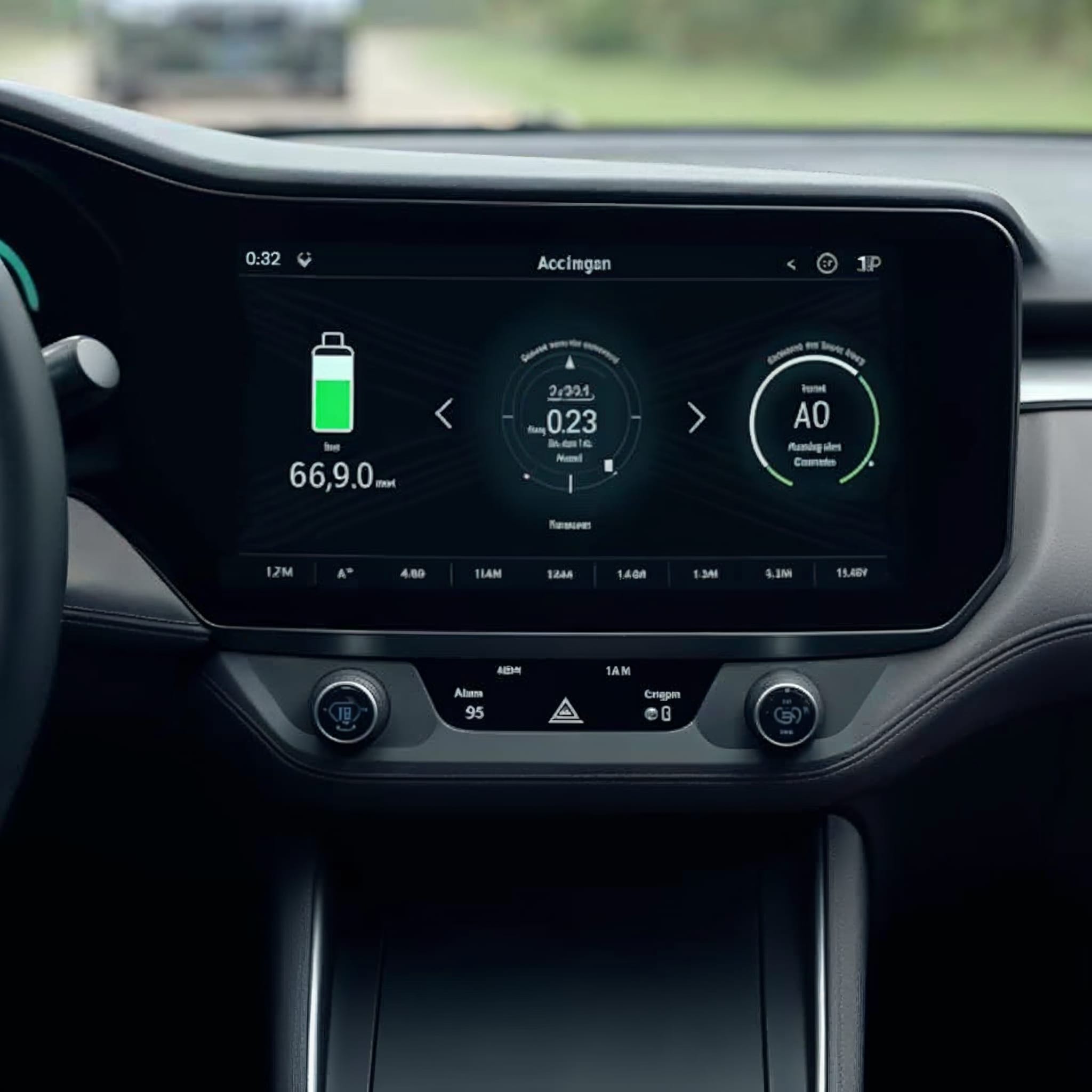
In the quest for environmental responsibility and reduced running costs, hybrid electric vehicles have emerged as a leading solution, offering a compelling blend of gasoline and electric power. Owners of these sophisticated machines often pride themselves on their ability to achieve impressive fuel economy figures, sometimes even surpassing manufacturer estimates with careful driving habits. However, one of the most common dilemmas faced by hybrid drivers is the ongoing battle between personal comfort and maximizing those hard-earned fuel savings, particularly when it comes to operating the air conditioning system. The hum of the AC compressor, while a welcome sound on a sweltering summer day, often comes with the silent realization that it is drawing power, either directly from the engine or the battery, thereby impacting efficiency.
This comprehensive guide delves into the nuanced world of climate control in hybrid vehicles, offering insights into how air conditioning systems work, their energy demands, and, most importantly, how you can use them intelligently to strike a harmonious balance between a comfortable cabin and optimal fuel efficiency. We will explore the unique characteristics of hybrid AC systems, examine various factors that influence their energy consumption, and provide a wealth of practical strategies, real-world examples, and answers to frequently asked questions, empowering you to make informed decisions every time you reach for that temperature dial. Understanding the interplay between your comfort settings and your vehicle’s intricate power management system is key to truly maximizing the fuel efficiency potential of your hybrid electric car. Let us embark on a journey to unravel the secrets of smart AC use, transforming a potential drain on your efficiency into a well-managed comfort feature.
Understanding Hybrid AC Systems: A Unique Approach to Comfort
Unlike conventional gasoline-powered vehicles where the air conditioning compressor is almost exclusively driven by the engine via a serpentine belt, hybrid electric vehicles often employ a more sophisticated and flexible approach. This fundamental difference is crucial to understanding how AC impacts fuel efficiency in your hybrid. The primary reason for this divergence is the hybrid’s ability to operate in electric-only (EV) mode, where the gasoline engine might be off or running minimally. In such scenarios, a traditional engine-driven compressor would simply not function or would necessitate the engine to kick on unnecessarily, defeating the purpose of EV mode.
Most modern hybrids, especially newer models and plug-in hybrids (PHEVs), utilize an electric compressor. This component is powered directly by the vehicle’s high-voltage battery pack, allowing the AC system to operate independently of the gasoline engine. This design offers several advantages:
- EV Mode Operation: The AC can run effectively even when the engine is off, preserving the pure electric driving experience and maintaining cabin comfort during stop-and-go traffic or low-speed maneuvers.
- Variable Speed Control: Electric compressors can often operate at variable speeds, allowing for more precise cooling control and potentially greater efficiency compared to the fixed-speed compressors found in many older conventional cars. This means the system can deliver just the right amount of cooling power needed, rather than always running at maximum capacity.
- Improved Warm-up/Cool-down: With electric power, the system can quickly respond to temperature changes, leading to faster cabin cooling or heating.
Beyond standard electric compressors, some advanced hybrids and PHEVs, particularly those with larger battery capacities, are now incorporating heat pump systems. A heat pump can both heat and cool the cabin by transferring heat rather than generating it. In cooling mode, it functions much like a traditional AC, moving heat from inside the cabin to the outside. However, in heating mode, instead of using resistive electric heaters (which are very energy-intensive), a heat pump reverses the process, extracting heat from the ambient air outside and transferring it into the cabin. This is significantly more energy-efficient, especially in mild to moderate cold conditions, as it can generate more heat energy than it consumes electrical energy. For hybrid owners, especially those living in regions with distinct seasons, a heat pump system can offer substantial energy savings throughout the year.
While these electric and heat pump systems offer superior flexibility and efficiency compared to their conventional counterparts, they are not without their energy demands. Drawing power from the hybrid’s high-voltage battery means that the energy used for climate control directly impacts the battery’s state of charge and, consequently, the vehicle’s ability to operate in EV mode or assist the gasoline engine. This direct link to battery power is where the challenge of balancing comfort and efficiency truly comes into play for hybrid drivers.
The Energy Cost of AC: Quantifying the Impact on Fuel Economy
It is a common understanding that running the air conditioner consumes fuel. However, quantifying this consumption and understanding its nuances in a hybrid vehicle can help drivers make more informed decisions. The energy cost of AC is not constant; it fluctuates based on numerous factors, but its direct impact on fuel economy is undeniable.
In a hybrid, the AC system primarily draws electrical power from the high-voltage battery. This electrical power is then replenished by either the gasoline engine (through the generator) or regenerative braking. When the AC demands significant power, the vehicle’s power management system may need to run the gasoline engine more frequently or at a higher load to generate the electricity required. This, in turn, burns more gasoline.
The magnitude of this impact varies significantly. For a conventional vehicle, AC can reduce fuel economy by 5-25 percent, depending on the driving conditions, vehicle size, and AC system efficiency. In a hybrid, the percentage reduction might be similar, but the way it manifests is different.
- Impact on EV Mode Range: The most noticeable effect in hybrids, especially Plug-in Hybrid Electric Vehicles (PHEVs), is the reduction in pure electric driving range. If you have a PHEV with an advertised 30-mile electric range, running the AC aggressively on a hot day could reduce that to 20-25 miles or even less, forcing the gasoline engine to engage much sooner. This directly translates to increased fuel consumption.
- Engine Engagement Frequency: Even in non-PHEV hybrids, heavy AC use will cause the gasoline engine to kick on more often and stay on for longer durations, even when the vehicle would otherwise be capable of operating in EV mode. This negates some of the core benefits of hybrid technology, such as silent, emission-free cruising at lower speeds.
- Load on the Engine: When the engine is running, the additional electrical load imposed by the AC system means the engine has to work harder. This increased load translates to higher fuel consumption to produce the necessary power.
- Driving Conditions: The energy consumption of the AC system is highest when the ambient temperature is extremely hot, the humidity is high, and when the cabin needs to be cooled down from a very high internal temperature (e.g., after being parked in direct sunlight). Once the cabin reaches the desired temperature, the system enters a maintenance mode, requiring less power to sustain the comfort level.
Manufacturers often provide estimates for the impact of climate control on range or efficiency, but these are generalized figures. Your actual experience will depend on your specific vehicle, local climate, and personal usage patterns. What is clear, however, is that while modern hybrid AC systems are more efficient than their older counterparts, they are still significant energy consumers. Understanding this fundamental truth is the first step towards implementing smart AC strategies. The goal is not necessarily to turn off the AC entirely and suffer, but to use it judiciously and intelligently.
Factors Influencing AC Efficiency in Hybrids
The efficiency of your hybrid’s air conditioning system, and consequently its impact on your fuel economy, is not solely determined by whether it is on or off. A multitude of external and internal factors play a critical role, influencing how hard the system has to work and how much energy it consumes. Being aware of these variables allows you to adopt proactive measures to minimize energy waste.
- External Ambient Temperature: This is perhaps the most obvious factor. The hotter it is outside, the more work the AC system has to do to remove heat from the cabin and maintain a comfortable temperature. On a mild day, the AC might draw minimal power, but on a scorching 100-degree Fahrenheit day, it will operate at close to maximum capacity, consuming significantly more energy.
- Humidity Levels: High humidity makes the air feel much hotter and stickier. Air conditioning systems not only cool the air but also dehumidify it. Removing moisture from the air is an energy-intensive process. In humid climates, even if the temperature is not exceptionally high, the AC system will work harder to achieve a comfortable level of dryness, thereby increasing energy consumption.
- Vehicle Color and Interior Materials: A dark-colored car, especially with a dark interior, absorbs much more solar radiation than a light-colored one. This leads to a significantly higher cabin temperature when parked in the sun. The AC system then has to expend more energy to cool down a much hotter interior, compared to a lighter vehicle under the same conditions. Interior materials like dark leather or fabric also absorb and retain heat, further exacerbating the issue.
- Solar Load (Sunlight Intensity): Direct sunlight streaming through windows contributes significantly to cabin heat gain, even when driving. This is often why the AC feels less effective on a sunny day than on a cloudy one with the same ambient temperature. Solar radiation directly heats surfaces and air inside the car, forcing the AC to constantly battle this incoming heat.
- Vehicle Speed: At lower speeds, especially during city driving or stop-and-go traffic, the air resistance is minimal, and the primary fuel economy drain from AC might be related to its electrical draw affecting EV mode. At higher highway speeds, opening windows creates significant aerodynamic drag, which can sometimes consume more fuel than running the AC, especially in modern, aerodynamically optimized hybrids. More on this later in practical examples.
- Maintenance Status of the AC System: An AC system that is not properly maintained will be less efficient. Low refrigerant levels, a dirty cabin air filter, a failing compressor, or clogged condensers can all force the system to work harder and consume more energy to achieve the same level of cooling. Regular checks and servicing are crucial.
- Recirculation vs. Fresh Air Mode: This is a critical factor. When the AC is set to recirculate, it cools the air already inside the cabin. This air is generally cooler and drier than the outside air, making it much easier for the system to maintain the desired temperature. In contrast, drawing in fresh, hot, and humid air constantly forces the system to cool and dehumidify a new batch of air, demanding significantly more energy.
By understanding how these factors interplay, hybrid drivers can adjust their habits and leverage their vehicle’s features to optimize AC performance and minimize its impact on fuel efficiency.
Smart AC Strategies for Maximizing Hybrid Fuel Efficiency
Achieving the perfect equilibrium between a comfortable cabin and optimal fuel efficiency in your hybrid requires more than just turning the AC on or off. It involves adopting a series of smart strategies that leverage the unique capabilities of your hybrid vehicle and environmental awareness. Here are some detailed approaches:
1. Pre-conditioning Your Cabin (Especially for PHEVs and EVs)
Many modern hybrids and most Plug-in Hybrid Electric Vehicles (PHEVs) offer a feature called pre-conditioning. This allows you to remotely activate the climate control system while the vehicle is still connected to a charger (for PHEVs/EVs) or, in some cases, using the engine for a brief period (for conventional hybrids).
- How it works: By pre-cooling or pre-heating the cabin while drawing power from the grid (for PHEVs), you avoid using the vehicle’s onboard battery or engine power for this initial, energy-intensive phase.
- Why it saves energy: Bringing the cabin temperature down from, say, 120 degrees Fahrenheit to a comfortable 75 degrees requires a massive burst of energy. Doing this on grid power means your battery is fully charged when you unplug, ready to deliver its maximum electric range. If you wait until you are driving, that initial heavy load directly drains your battery or forces the engine to run harder, immediately impacting your efficiency.
- Best practice: Schedule pre-conditioning to complete just before your departure time.
2. Strategic Use of Recirculation Mode
This is arguably one of the most effective and easily implementable strategies.
- Initial Cooling: When first getting into a hot car, it is often best to open the windows for a minute or two to let the super-heated air escape. Then, close the windows, turn on the AC to maximum fan speed with fresh air mode for a brief period (perhaps 30-60 seconds) to purge any stale, hot air from the vents.
- Maintain Comfort: Once the initial extreme heat is dissipated, switch to recirculation mode. The AC will now be cooling the air already inside the cabin, which is significantly easier and more energy-efficient than constantly trying to cool and dehumidify hot, fresh outside air.
- When to use fresh air: Use fresh air periodically for ventilation, especially on long drives, to prevent the air from becoming stale, but primarily rely on recirculation for active cooling. Avoid using recirculation in extremely cold, damp conditions if it causes fogging, as the system needs to dehumidify with fresh air.
3. Optimize Temperature Settings and Fan Speed
Resist the urge to set the temperature to the lowest possible setting.
- Moderate Temperature: Aim for a comfortable but not excessively cold temperature, typically between 72-76 degrees Fahrenheit (22-24 degrees Celsius). Every degree lower below this range can significantly increase energy consumption.
- Fan Speed: Once the cabin is cool, reduce the fan speed. A lower fan speed still circulates cool air effectively but draws less electrical power than a high fan setting. The AC compressor itself cycles on and off less frequently when the cabin is maintained at a moderate temperature with a lower fan speed.
4. Leverage “Eco” or “Economy” AC Modes
Many hybrids include an “Eco” or “Economy” mode for their climate control systems.
- How it works: This mode typically reduces the compressor’s output, moderates fan speed, and adjusts the air distribution to prioritize fuel efficiency over rapid cooling or heating. It might allow the cabin temperature to fluctuate slightly more or take a bit longer to reach the desired setting.
- When to use it: This mode is ideal for mild conditions or when you are not in a hurry to cool the cabin rapidly. It is a great default setting for everyday driving once the cabin has reached a comfortable temperature.
5. Targeted Cooling and Dual-Zone Climate Control
If your hybrid has dual-zone climate control, use it wisely.
- Individual Zones: If you are driving alone or with only one passenger, consider cooling only the zones that are occupied. Setting unoccupied zones to a higher temperature or turning them off can reduce the overall load on the system.
- Vent Direction: Direct vents strategically. Instead of trying to cool the entire cabin, direct cool air towards occupants, providing immediate relief and allowing you to potentially set a slightly higher ambient temperature.
6. Minimize Solar Heat Gain
Preventing heat from entering the cabin in the first place is the most energy-efficient strategy.
- Parking in the Shade: Whenever possible, park your car in the shade. This simple act can reduce the interior temperature by 20-40 degrees Fahrenheit (11-22 degrees Celsius) compared to parking in direct sunlight.
- Sunshades: Use a reflective sunshade for your windshield and side window shades if parked for extended periods. These drastically reduce the amount of solar radiation absorbed by the interior.
- Window Tinting: High-quality, heat-rejecting window tinting (ensure it complies with local regulations) can significantly reduce heat gain through glass, reducing the burden on your AC system.
7. Regular AC System Maintenance
An inefficient AC system works harder and consumes more fuel.
- Refrigerant Levels: Ensure your refrigerant levels are correct. Low refrigerant indicates a leak and reduces cooling performance, forcing the compressor to run longer.
- Cabin Air Filter: Replace your cabin air filter regularly (typically every 15,000-30,000 miles or annually). A clogged filter restricts airflow, making the fan work harder and reducing cooling effectiveness.
- Condenser Cleaning: The condenser, usually located at the front of the car, needs to be free of debris (leaves, bugs). A dirty condenser cannot efficiently dissipate heat, reducing AC performance.
- System Checks: Have your AC system inspected by a qualified technician periodically, especially if you notice reduced cooling or unusual noises.
By integrating these smart AC strategies into your daily driving routine, you can significantly reduce the energy consumption of your climate control system, thereby extending your EV range, increasing your miles per gallon, and genuinely maximizing the fuel efficiency of your hybrid electric vehicle without sacrificing essential comfort.
Impact of AC on EV Mode Range: A Closer Look
For hybrid vehicle owners, particularly those with Plug-in Hybrid Electric Vehicles (PHEVs), the impact of air conditioning on the pure electric driving range is often a primary concern. The ability to travel solely on electric power is a cornerstone of hybrid efficiency, offering silent operation and zero tailpipe emissions. However, the energy demands of the AC system can significantly erode this benefit.
In an EV mode, the entire power budget for propulsion and auxiliary systems, including climate control, comes directly from the high-voltage traction battery. When the AC compressor is active, it draws a substantial amount of current from this battery. The more intensely the AC is used (lower temperature setting, higher fan speed, very hot ambient conditions), the greater the draw.
- Direct Battery Drain: Each watt-hour consumed by the AC system is a watt-hour that cannot be used for propulsion. This directly reduces the available energy for electric driving, shortening the distance you can travel before the gasoline engine needs to engage.
- Reduced Acceleration/Power: While not always noticeable, the vehicle’s power management system might slightly reduce the available power for acceleration to accommodate the AC load, or conversely, prioritize propulsion at the expense of AC performance if battery levels are critically low.
- Pre-conditioning as a Solution: This is precisely why pre-conditioning is so vital for PHEV owners. By using grid electricity to cool the cabin before departure, you preserve the battery’s charge for actual driving. Studies and real-world tests have shown that pre-cooling can save several miles of EV range compared to cooling the cabin while driving on battery power.
- Heat Pumps’ Advantage: As mentioned earlier, PHEVs equipped with heat pumps demonstrate even greater efficiency in both heating and cooling in EV mode, especially in mild temperatures. A heat pump can extract heat from the outside air and transfer it into the cabin (or vice versa), which is far more efficient than resistive heaters or traditional electric compressors, thus extending EV range further.
- Driving Style Interaction: Aggressive acceleration or high-speed driving also drains the battery faster. When combined with heavy AC use, the combined demand can deplete the battery rapidly, triggering the engine to start sooner than expected. A smooth, gentle driving style in EV mode, combined with smart AC use, maximizes electric range.
It is not uncommon for drivers to see their estimated EV range drop significantly as soon as they engage the AC on a hot day. While this might be disheartening, it is a realistic representation of the energy cost involved. The goal is not to eliminate AC use, but to manage it intelligently to stretch that electric range as far as possible, thereby fully capitalizing on the fuel-saving potential of your hybrid’s EV mode. Being mindful of the direct link between your comfort settings and your battery’s charge level is paramount to truly maximizing your hybrid’s electric capabilities.
Advanced Climate Control Features and Their Efficiency Role
Modern hybrid vehicles are increasingly equipped with advanced climate control features designed not only for enhanced comfort but also with energy efficiency in mind. These technologies go beyond basic temperature and fan settings, offering intelligent ways to manage cabin climate with reduced energy consumption. Understanding and utilizing these features can contribute significantly to your fuel savings.
1. Dual-Zone and Multi-Zone Climate Control
As previously touched upon, dual-zone systems allow the driver and front passenger to set individual temperature preferences. Multi-zone systems extend this to rear passengers.
- Efficiency Benefit: While it might seem like more zones mean more energy, the efficiency comes from being able to set unoccupied zones to a higher temperature or turn them off. If you are driving alone, you do not need to cool the entire vehicle to a frigid 68 degrees Fahrenheit. By setting the passenger side to a warmer temperature, the system’s overall load is reduced.
- Smart Use: In a family car, if children are comfortable with a slightly warmer setting than the adults in the front, adjusting their zone accordingly can save energy without compromising their comfort.
2. Intelligent Sensors and Automatic Climate Control
Most modern hybrids come with automatic climate control, which includes various sensors.
- Sunload Sensor: Located on the dashboard, this sensor detects the intensity of sunlight entering the cabin. The system then automatically adjusts fan speed, vent direction, and even compressor output to counteract the solar heat gain without you needing to manually intervene.
- Humidity Sensor: This sensor monitors cabin humidity and adjusts the dehumidification process as needed. By only dehumidifying when necessary, it avoids excessive energy use.
- Temperature Sensors: Multiple sensors throughout the cabin accurately gauge the interior temperature, allowing the system to maintain a precise and stable comfort level with minimal effort once the target temperature is reached.
- Efficiency Benefit: These automatic systems are generally more efficient than manual control because they constantly optimize for the desired temperature with the least amount of energy. Constantly fiddling with manual settings can often lead to over-cooling or over-heating, wasting energy. Trust the “Auto” mode for consistent, efficient comfort.
3. Remote Start Climate Control and App Integration
Many hybrids, especially higher trims or newer models, integrate climate control with remote start functionalities, often accessible via a smartphone app.
- Efficiency Benefit: This is a sophisticated form of pre-conditioning. Similar to plugging in a PHEV, starting the climate control remotely allows the cabin to reach a comfortable temperature before you enter. If your vehicle is a conventional hybrid, the engine might run briefly to power the AC, but this targeted operation can still be more efficient than running the AC at maximum capacity while driving. For PHEVs, if plugged in, this is pure grid power.
- Convenience and Comfort: Beyond efficiency, this feature greatly enhances convenience, ensuring you step into an already comfortable cabin, reducing the temptation to blast the AC at max power immediately after starting your journey.
4. Predictive Energy Management (Hybrid-Specific)
Some advanced hybrid systems incorporate predictive elements into their energy management, including climate control.
- Navigation Link: By integrating with the navigation system, the car might anticipate hills or upcoming traffic. If it knows a downhill stretch is coming, it might slightly increase the AC load (within limits) to utilize regenerative braking more effectively, or conversely, reduce AC load to preserve battery for an upcoming incline or EV-only zone.
- Route Optimization: While not directly AC-related, some systems will suggest routes that are more energy-efficient, which indirectly reduces the overall energy burden, allowing for more power to be available for climate control if needed.
Leveraging these advanced features requires familiarizing yourself with your vehicle’s owner’s manual and experimenting with the settings. These technologies are designed to make your life easier and your driving more efficient, and when used correctly, they can significantly contribute to maximizing your hybrid’s fuel economy while maintaining a pleasant driving environment.
Driving Habits and AC Use: Synergistic Savings
Beyond the technological aspects and specific AC settings, your general driving habits play a crucial role in how much your AC system impacts your fuel efficiency. The way you drive interacts directly with the energy demands of climate control. By adopting a holistic approach that combines smart AC use with efficient driving techniques, you can unlock even greater fuel savings.
1. Smooth Acceleration and Braking
- Impact: Aggressive acceleration requires more power from the engine, which simultaneously reduces the energy available for AC operation or forces the engine to work even harder to meet both demands. Hard braking wastes kinetic energy as heat (in friction brakes), whereas gentle braking maximizes regenerative braking, which can replenish the battery and thus provide power for the AC more efficiently.
- Synergy with AC: When you accelerate smoothly, the hybrid system can often maintain EV mode for longer, or operate the engine more efficiently. This allows the AC to draw power from the battery more consistently without demanding sudden power surges from the engine. Gentle deceleration allows for maximum regeneration, meaning more “free” energy for your battery, which in turn can power your AC without burning extra fuel.
2. Anticipating Traffic and Road Conditions
- Impact: Stop-and-go traffic is where hybrids shine due to regenerative braking and engine shut-off, but it is also where AC can significantly impact EV range.
- Synergy with AC: By looking ahead and anticipating stops, you can coast more often, allowing the vehicle to regenerate more energy. This conserved energy can then be used to power the AC during the idle periods when the engine would normally be off. Avoiding rapid acceleration after a stop further helps maintain EV mode, preserving fuel.
3. Managing Windows vs. AC at Different Speeds
- Low Speeds (below 40-45 mph / 65-70 km/h): At lower speeds, aerodynamic drag from open windows is less significant. In these conditions, opening your windows, especially initially to vent hot air, can be more fuel-efficient than running the AC, particularly if you are just trying to get some airflow. Once the cabin has cooled a bit, you can use the AC on a lower setting or switch to recirculation.
- Highway Speeds (above 40-45 mph / 65-70 km/h): At higher speeds, the aerodynamic drag caused by open windows becomes substantial. This drag can lead to greater fuel consumption than running the AC, especially in modern, aerodynamically optimized hybrid vehicles. In most cases, at highway speeds, it is more fuel-efficient to keep the windows closed and use the AC on a moderate setting with recirculation.
4. Planning Your Routes and Parking
- Optimal Routes: While not directly AC-related, choosing routes with less traffic or fewer hills can reduce the overall energy demand on your vehicle, leaving more energy margin for climate control without impacting efficiency as severely.
- Strategic Parking: Always aim to park in the shade. This simple habit drastically reduces the initial heat load on your AC system, allowing it to cool the cabin much faster and with less energy. If shade is unavailable, use a sunshade for the windshield. Even parking facing away from the sun’s direct path can help.
5. Lighten the Load
- Unnecessary Weight: Carrying unnecessary heavy items in your car constantly impacts fuel economy. While seemingly minor, over time this extra load means the engine (and thus the AC system, indirectly) works harder to move the vehicle.
- Synergy with AC: A lighter vehicle requires less energy for propulsion, leaving more available energy for auxiliary systems like the AC without taxing the fuel economy as much.
By integrating these smart driving habits with informed AC usage, hybrid drivers can create a synergistic effect, maximizing their vehicle’s fuel efficiency potential while ensuring a comfortable and pleasant driving experience year-round. It is about making conscious choices that align with the engineering principles of your hybrid vehicle.
Comparison Tables: AC Impact and Strategy Effectiveness
To further illustrate the points discussed, let us examine two tables. The first table compares the estimated impact of AC usage under different conditions on a typical hybrid vehicle’s fuel efficiency or electric range. The second table provides a quick reference for various AC strategies and their general effectiveness in saving fuel.
Table 1: Estimated Impact of AC Usage on Hybrid Fuel Economy / EV Range
| AC Usage Scenario | Estimated Fuel Economy Impact (MPG Reduction) | Estimated EV Range Impact (Miles Reduction for PHEV) | Notes on Impact |
|---|---|---|---|
| AC Off / Windows Open (Low Speed) | Negligible to 0-5% increase | 0 miles | Most efficient at low speeds; aerodynamic drag negligible. |
| AC Off / Windows Open (Highway Speed) | 5-15% reduction | 0 miles | Significant aerodynamic drag, often less efficient than AC. |
| AC On (Mild Conditions, Recirculation, Moderate Fan) | 3-7% reduction | 2-5 miles | Minimal impact, manageable for comfort. |
| AC On (Hot Day, Initial Cooldown, Fresh Air, Max Fan) | 10-20% reduction | 5-10 miles | Highest energy draw during initial cooling phase. |
| AC On (Hot Day, Sustained, Recirculation, Moderate Fan) | 5-12% reduction | 3-7 miles | Sustained use, recirculation helps maintain efficiency. |
| AC On (Extreme Hot/Humid, Fresh Air, Max Fan) | 15-25% reduction | 8-15+ miles | Maximum load, highest impact on fuel and EV range. |
| AC Pre-conditioned (PHEV, Plugged In) | 0% (if on grid power) | 0 miles (EV range preserved) | Most efficient method for comfort start; uses grid energy. |
| AC on “ECO” Mode | 3-10% reduction | 2-6 miles | Optimized for efficiency, balances comfort and power. |
Note: These figures are estimates and can vary significantly based on vehicle model, ambient temperature, humidity, specific AC system, and driving conditions. The percentages represent a reduction from the vehicle’s optimal fuel economy without AC.
Table 2: AC Usage Strategies and Their Fuel Saving Effectiveness
| Strategy | Description | Fuel Saving Effectiveness | Comfort Impact |
|---|---|---|---|
| Pre-conditioning (PHEV) | Cooling/heating cabin while plugged into grid power before departure. | High | High (start with comfortable cabin) |
| Recirculation Mode | Cooling interior air instead of continuously drawing in hot outside air. | High | Moderate to High (maintains comfort efficiently) |
| Parking in Shade / Sunshades | Preventing heat buildup in the cabin while parked. | Very High | High (reduces initial need for intense AC) |
| Moderate Temperature Setting | Setting AC to 72-76°F (22-24°C) instead of lowest possible. | Moderate | Low (still comfortable, just not ‘frigid’) |
| Using “ECO” AC Mode | Engaging economy-focused AC settings on vehicle. | Moderate | Low to Moderate (slightly slower cooling, good for maintenance) |
| Opening Windows Initially (Hot Car) | Ventilating super-heated air before turning on AC. | Moderate | High (quick initial relief, then AC takes over) |
| Windows Down vs. AC (Low Speed) | Using natural airflow at speeds below ~45 mph. | Moderate | Moderate (can be noisy, less dehumidifying) |
| Windows Closed + AC (Highway Speed) | Maintaining aerodynamics with AC on at higher speeds. | Moderate | High (optimal for highway comfort and efficiency) |
| Regular AC Maintenance | Ensuring optimal system performance (refrigerant, filters, etc.). | Moderate to High | High (maintains consistent, effective cooling) |
The effectiveness ratings are general and depend on specific conditions and individual vehicle models. Combining multiple strategies often yields the best results.
Practical Examples: Real-World Use Cases and Scenarios
Understanding the theoretical aspects of AC efficiency is one thing, but applying them in real-world scenarios is where the rubber meets the road, or more appropriately, where fuel savings are realized. Let us explore a few common situations and how smart AC use can make a tangible difference.
Scenario 1: The Commuter on a Hot Summer Morning (PHEV Driver)
Imagine Sarah, who drives a Plug-in Hybrid Electric Vehicle (PHEV) for her 25-mile commute each way. Her car is typically fully charged overnight. On a scorching summer morning, the interior temperature of her car can easily reach 100 degrees Fahrenheit or more after being parked in the sun.
- Inefficient Approach: Sarah hops into her hot car, starts it, and immediately blasts the AC on max fan and lowest temperature, using fresh air mode. Her PHEV’s estimated 30-mile electric range quickly drops to 20 miles because the battery is heavily taxed to cool the cabin from such a high temperature. By the time she reaches her office, her gasoline engine has probably kicked in for the last few miles.
- Smart AC Approach: Sarah uses her car’s smartphone app to pre-condition the cabin for 10-15 minutes while it is still plugged into the charger. When she gets in, the cabin is a comfortable 72 degrees Fahrenheit. She then drives with the AC on a moderate setting (74 degrees Fahrenheit) in recirculation mode. Her electric range remains much closer to 30 miles, and she completes her entire commute without the gasoline engine engaging, saving significant fuel.
Scenario 2: The Family Road Trip on a Varied Terrain
The Johnson family is taking their hybrid SUV on a 300-mile road trip through a region with both city driving and long highway stretches, and varying temperatures.
- Inefficient Approach: The family keeps the AC blasting at a low temperature, with fresh air mode constantly on, even during cooler parts of the day or when going downhill. They open windows in the city to “save fuel,” but then forget to close them immediately upon hitting the highway, creating significant drag.
-
Smart AC Approach:
- Before starting, they park in the shade and use sunshades. They open windows briefly to vent initial heat.
- During city driving and stop-and-go traffic (below 40-45 mph), they might occasionally use windows down for a few minutes if the heat is not extreme, but primarily rely on AC in recirculation mode at a moderate temperature.
- On the highway (above 45 mph), all windows are closed, and the AC is set to automatic with recirculation, targeting a comfortable 74 degrees Fahrenheit.
- When driving downhill for extended periods, they might slightly increase the AC load (within reasonable comfort limits) to utilize some of the “free” energy from regenerative braking more effectively, rather than it being wasted as heat.
- If conditions are mild, they use the “Eco” AC mode to further reduce the load.
By adopting these practices, the Johnsons notice a measurable improvement in their overall trip MPG compared to previous trips.
Scenario 3: Short Errands in a Hot Climate
Mark uses his hybrid sedan for multiple short errands throughout a hot, sunny afternoon in Arizona. Each stop is brief, perhaps 10-20 minutes.
- Inefficient Approach: Mark turns off his car, runs into the store, comes back to a scorching hot car, and then blasts the AC at full power for the short drive to the next stop. This cycle repeats, constantly subjecting the AC system to maximum load.
-
Smart AC Approach:
- Mark always parks in the shade if available, or uses a high-quality windshield sunshade.
- Upon returning to the car, he rolls down all windows for about 15-30 seconds to quickly vent the hottest air before closing them and turning on the AC.
- Instead of blasting it at the lowest setting, he sets the AC to 75 degrees Fahrenheit with recirculation and a moderate fan speed. For these short drives, rapid cooling to an extreme temperature is less important than moderate comfort.
- If the car has a remote start feature (and it is safe to do so), he might use it to pre-cool the cabin a minute or two before returning.
This strategy reduces the intense, short bursts of high energy consumption, allowing the hybrid system to operate more efficiently overall, especially by maximizing short EV bursts between stops.
These examples highlight that smart AC usage is not about suffering through the heat, but about making deliberate, informed choices that align with the vehicle’s design and the environment. Every little bit of conscious effort adds up to significant fuel savings over time.
Frequently Asked Questions
Q: Does AC use more fuel in a hybrid than a gasoline car?
A: The direct answer is nuanced. In absolute terms, the energy required to cool a cabin is roughly the same for any car of similar size. However, how that energy is sourced and its impact on the vehicle’s overall efficiency differs. In a conventional gasoline car, the engine directly drives the AC compressor, creating a constant parasitic load that reduces fuel economy. In a hybrid, the AC is often electrically driven, drawing power from the high-voltage battery. This means the impact is seen as a reduction in EV range (for PHEVs) or more frequent/longer engine engagement (for all hybrids). Modern hybrid AC systems, especially those with electric compressors and heat pumps, are often designed to be more efficient than older conventional systems. The key is that hybrids provide more opportunities to mitigate this impact through smart strategies like pre-conditioning and efficient power management.
Q: What is pre-conditioning and how does it save fuel/energy?
A: Pre-conditioning is the act of activating your vehicle’s climate control system (heating or cooling) before you start driving. For Plug-in Hybrid Electric Vehicles (PHEVs) and Electric Vehicles (EVs), this feature is most beneficial when the car is still plugged into a charger. By cooling or heating the cabin using grid electricity, you avoid draining your vehicle’s onboard battery for this energy-intensive process. This preserves your full battery charge for propulsion, maximizing your pure electric driving range and effectively saving gasoline that would otherwise be burned to generate that electricity. Even in non-PHEV hybrids, some systems allow remote start for climate control, which, while using some fuel, can still be more efficient than blasting the AC from a very hot cabin while driving.
Q: Should I always use the ‘Eco’ AC mode in my hybrid?
A: The ‘Eco’ AC mode is designed to prioritize fuel efficiency by moderating the compressor output, fan speed, and possibly airflow distribution. It is an excellent mode to use in mild to moderate conditions or once the cabin has reached your desired temperature. It might take slightly longer to cool or heat the cabin, and the system might allow for slightly larger temperature fluctuations. However, for maximum comfort on extremely hot days or when you need rapid cooling, you might temporarily switch out of Eco mode. For the majority of your driving, especially for maintaining a comfortable temperature, ‘Eco’ mode is highly recommended for optimizing fuel savings.
Q: Is it better to drive with windows down or AC on at highway speeds?
A: At highway speeds (generally above 40-45 mph or 65-70 km/h), it is almost always more fuel-efficient to drive with your windows closed and the AC on (preferably on recirculation and a moderate setting). Open windows create significant aerodynamic drag, forcing your vehicle’s engine to work harder to overcome the increased air resistance, thus consuming more fuel. Modern hybrid vehicles are designed to be very aerodynamic, and opening windows disrupts this efficiency. At lower city speeds, however, opening windows for ventilation can sometimes be more efficient than running the AC, especially for short durations or to vent extremely hot air from a parked car.
Q: How often should I get my hybrid’s AC system checked?
A: It is generally a good idea to have your hybrid’s AC system inspected annually or as part of your regular vehicle maintenance schedule, typically every 15,000-30,000 miles (24,000-48,000 km). Key maintenance items include checking refrigerant levels, inspecting for leaks, cleaning the condenser (usually located at the front of the vehicle), and replacing the cabin air filter. A clogged cabin air filter, in particular, can significantly reduce airflow and force the fan to work harder, consuming more electricity and reducing cooling effectiveness. Regular maintenance ensures your system operates at peak efficiency, minimizing its impact on your fuel economy.
Q: Does cabin color affect AC efficiency?
A: Yes, absolutely. The color of your vehicle’s exterior and interior materials significantly impacts how much solar radiation is absorbed and retained, which directly affects the initial heat load on your AC system. Darker exterior colors absorb more sunlight, leading to higher cabin temperatures when parked in direct sun. Similarly, dark interior materials (like black leather seats or dashboards) absorb and retain heat more effectively than lighter colors. A darker car will require the AC system to work harder and longer to cool the cabin from a higher starting temperature, consuming more energy in the process compared to a lighter-colored car under the same conditions.
Q: What is a heat pump AC system in a hybrid and how is it more efficient?
A: A heat pump AC system, increasingly found in newer hybrids and PHEVs, is a highly efficient form of climate control. Unlike traditional AC systems that only cool by moving heat out of the cabin, a heat pump can both heat and cool. In cooling mode, it functions similarly to a standard AC, transferring heat from the interior to the exterior. In heating mode, instead of using energy-intensive resistive electric heaters, it reverses the process, extracting heat from the ambient outside air and transferring it into the cabin. This is significantly more energy-efficient because it moves heat rather than generating it, often delivering more heat energy into the cabin than the electrical energy it consumes. This efficiency is particularly noticeable in cold weather, extending EV range by drastically reducing the energy draw for heating.
Q: How does hybrid battery health relate to AC efficiency?
A: The health of your hybrid’s high-voltage battery directly relates to AC efficiency, especially for electrically driven compressors. A healthy battery can reliably provide the necessary power for the AC system without undue strain. If the battery’s capacity or overall health degrades, its ability to supply consistent power might be compromised. This could potentially lead to the engine engaging more frequently to charge the battery, or the AC system performing less effectively, as it relies on the battery for its primary power source. While the AC itself does not directly damage the battery, maintaining good battery health through proper charging habits and vehicle maintenance ensures the AC system has a robust power supply, allowing it to operate as designed.
Q: Can I turn off my AC compressor completely to save maximum fuel?
A: Most modern vehicles, including hybrids, allow you to effectively turn off the AC compressor. This is typically done by pressing the “AC” button to illuminate it, indicating the compressor is active, and pressing it again to turn it off. When the compressor is off, the system will only circulate ambient air (with the fan) or provide heat if the engine is running and producing waste heat. Turning off the compressor indeed saves the most fuel/energy, as it completely eliminates the energy draw for cooling and dehumidifying. However, this is usually only practical in mild weather when ventilation is sufficient, or when outside temperatures are cool enough to not require active cooling. For comfort in hot weather, you will need the compressor.
Q: What are the best practices for parking to minimize AC use?
A: Minimizing heat buildup while parked is one of the most effective strategies for reducing AC energy consumption. Best practices include:
- Park in the Shade: Always prioritize parking in the shade, whether under a tree, an overhang, or a covered parking structure. This can lower your car’s interior temperature by 20-40 degrees Fahrenheit (11-22 degrees Celsius).
- Use a Windshield Sunshade: If shade is unavailable, deploy a reflective sunshade on your windshield. This significantly blocks solar radiation from entering the cabin.
- Consider Window Deflectors/Tinting: Window deflectors allow you to slightly crack your windows while parked without rain entering, providing some ventilation. Heat-rejecting window tinting can also reduce heat gain through side and rear windows.
- Face Away from the Sun: If you cannot find shade, try to park your car so the windshield is not directly facing the sun’s path during the hottest part of the day. This reduces direct solar load.
These simple habits reduce the initial load on your AC system, allowing it to cool the cabin faster and with less energy once you start driving.
Key Takeaways
- Hybrid AC systems typically use electric compressors, allowing operation in EV mode but drawing power from the battery, impacting electric range and increasing engine reliance.
- Pre-conditioning your cabin while plugged in (for PHEVs) is a highly effective strategy to save battery power and maximize EV range.
- Strategic use of recirculation mode is crucial for efficiency, as it cools internal air more easily than constant fresh, hot outside air.
- Parking in the shade or using sunshades dramatically reduces initial cabin heat, lessening the burden on the AC system.
- Setting a moderate cabin temperature (72-76 degrees Fahrenheit) and using “Eco” AC modes significantly reduces energy consumption compared to blasting the AC at the lowest setting.
- At highway speeds, closed windows with AC on are generally more fuel-efficient than open windows due to aerodynamic drag.
- Regular maintenance of your AC system, including cabin air filter replacement and refrigerant checks, ensures optimal performance and efficiency.
- Smooth driving habits (gentle acceleration and braking) complement smart AC use by maximizing regenerative braking and extending EV mode duration.
- Advanced features like intelligent sensors and dual-zone climate control, when used wisely, contribute to overall efficiency.
- Balancing comfort with efficiency requires conscious choices, but these smart strategies allow you to enjoy your hybrid’s benefits without sacrificing a pleasant driving experience.
Conclusion
The journey to truly maximize the fuel efficiency of your hybrid electric vehicle is a multifaceted one, extending beyond just how you accelerate and brake. The intelligent use of your climate control system stands as a significant, yet often underestimated, frontier in this pursuit. As we have explored throughout this guide, the sophisticated nature of hybrid AC systems, with their electric compressors and sometimes heat pumps, presents both challenges and unique opportunities for energy savings. The decision to use air conditioning no longer needs to be a guilt-ridden trade-off between comfort and your MPG figures.
By understanding the energy demands of your AC, being mindful of external factors like temperature and humidity, and most importantly, implementing smart strategies such as pre-conditioning, strategic recirculation, and optimal temperature settings, you empower yourself to achieve a harmonious balance. Your hybrid is engineered for efficiency, and by aligning your comfort habits with its advanced technology, you can unlock its full potential. Every degree moderated, every minute of pre-conditioning, and every conscious decision to park in the shade contributes to a greener, more economical, and still comfortable driving experience.
Embrace these insights, experiment with the recommended practices, and observe the positive impact on your fuel gauge and your overall driving satisfaction. The future of driving comfort and efficiency is not about deprivation, but about intelligent management. So, go forth and enjoy the best of both worlds in your hybrid electric car: a cool, comfortable cabin and the gratifying satisfaction of truly maximizing your fuel savings.