
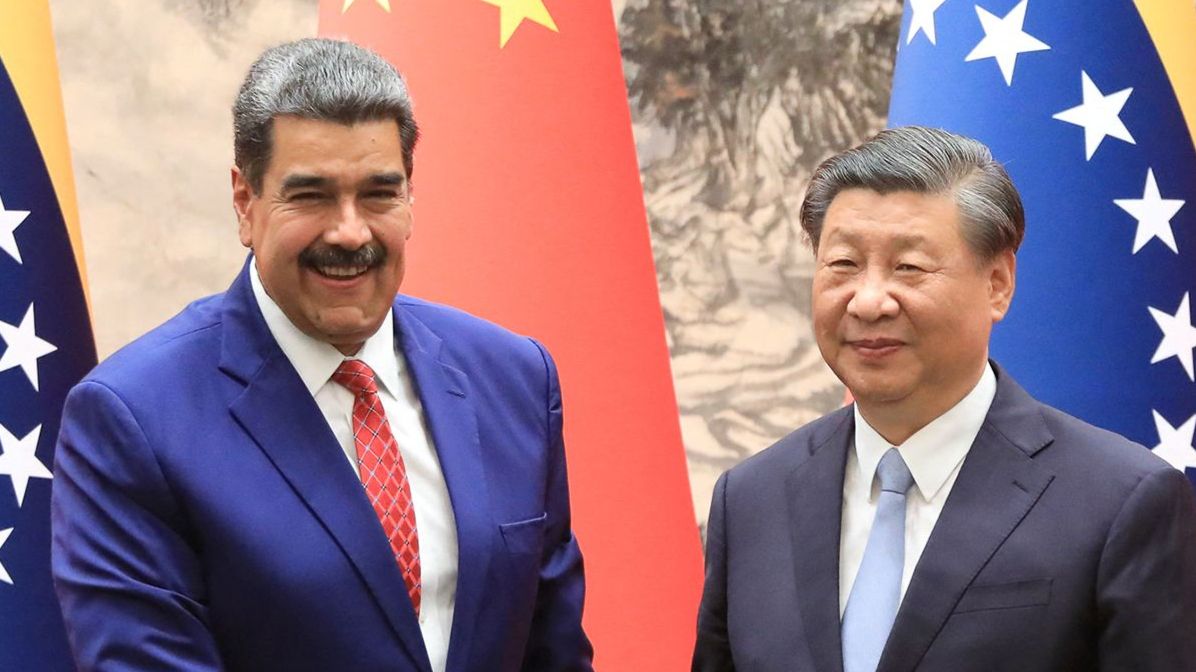
As Venezuela crisis, China oil investments, Trump Venezuela, Maduro capture, and US-China tensions dominate global headlines, President Donald Trump’s dramatic military operation to seize Nicolás Maduro has sent shockwaves through Beijing, jeopardizing decades of Chinese economic and strategic plans in Latin America.
The stunning U.S. raid on January 3, 2026, came just hours after Maduro hosted China’s special envoy, reaffirming their “strategic relationship.” Now, with Maduro facing trial in New York on narco-terrorism charges, Trump’s administration is pushing for exclusive U.S. access to Venezuela’s vast oil reserves—the world’s largest—potentially diverting supplies away from China and demanding Caracas sever ties with Beijing.


China has been Venezuela’s top oil buyer, importing over 600,000 barrels daily in late 2025—about 4% of its total imports—through loan-for-oil deals worth more than $100 billion since 2000. These arrangements, part of Beijing’s Belt and Road Initiative, funded infrastructure while securing discounted crude for Chinese refineries. Outstanding debts exceed $10 billion, and U.S. control could halt repayments or redirect flows, forcing China to seek costlier alternatives.
Experts highlight the broader stakes. “This sends a clear message: The Western Hemisphere has no room for another superpower,” one analyst noted, echoing Trump’s revived Monroe Doctrine. Reports indicate the White House is demanding Venezuela expel Chinese, Russian, and Iranian influences before resuming full production, risking billions in planned investments like China Concord Petroleum’s $1 billion oilfield project.
Beijing’s response has been sharp condemnation, with Foreign Minister Wang Yi accusing the U.S. of acting as “world judge” and violating sovereignty. Chinese social media erupted, with some users viewing Trump’s tactics as a “blueprint” for Taiwan, while others censored pro-U.S. content. State media emphasized protecting legitimate interests, but analysts predict limited retaliation to preserve U.S.-China détente amid ongoing trade talks.
Public reactions vary: Hardliners in Beijing see justification for assertive policies, but moderates warn of heightened risks for Chinese assets abroad. On X, investors debate impacts on global commodities, with some noting potential oil surpluses pressuring prices.
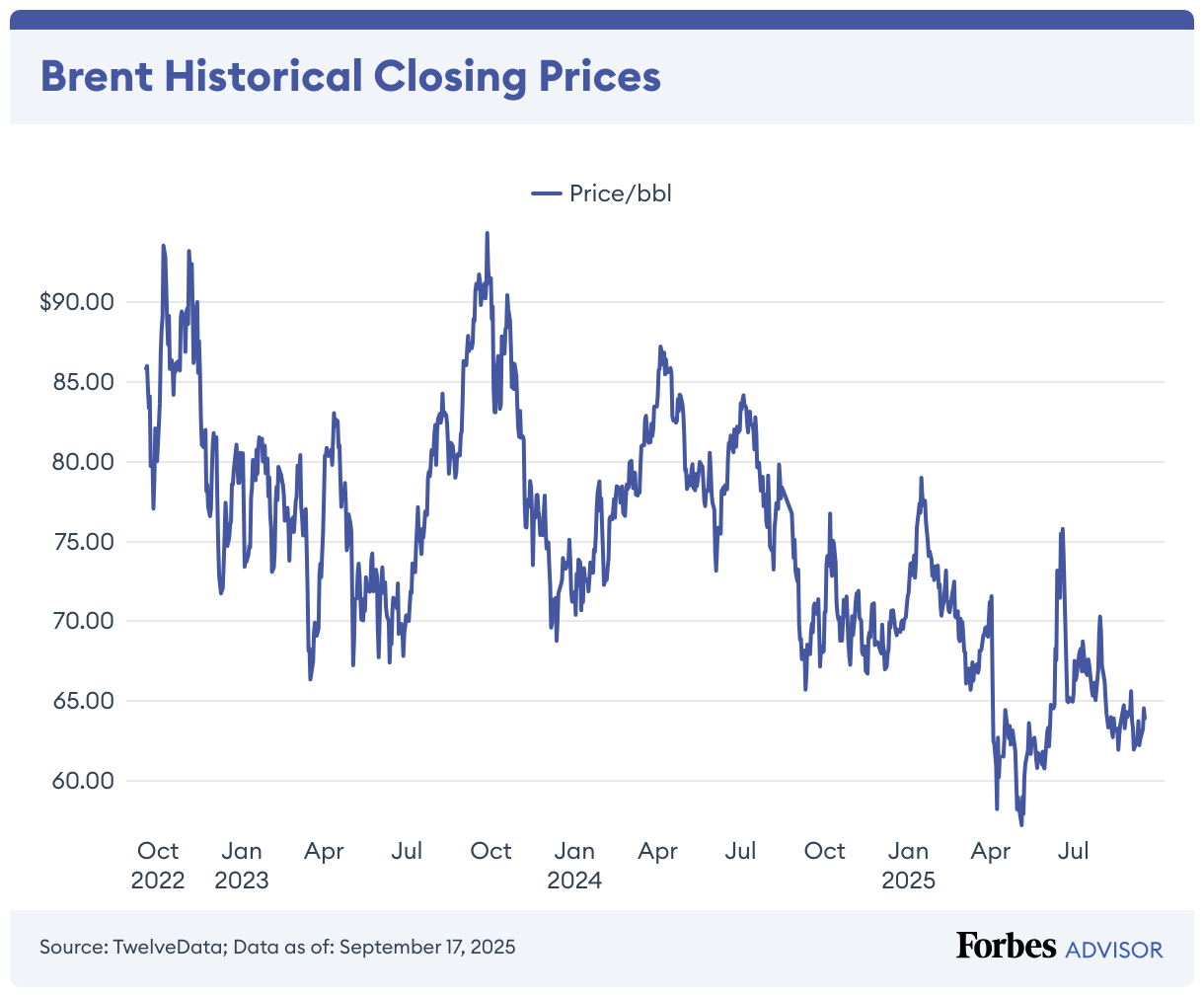
For U.S. readers, this shift bolsters energy security. Trump announced Venezuela would “turn over” 30-50 million barrels directly to America, sold at market rates to fund rebuilding—potentially stabilizing gas prices around $3.20 per gallon and reducing reliance on volatile suppliers. It aligns with “America First” politics, curbing adversaries’ influence near U.S. borders and supporting domestic refiners amid WTI crude hovering near $57 and Brent at $60.

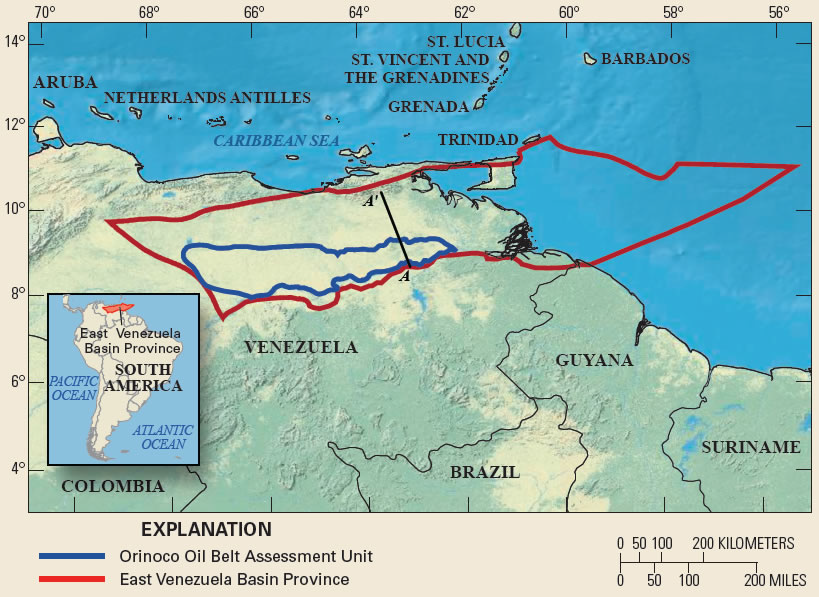
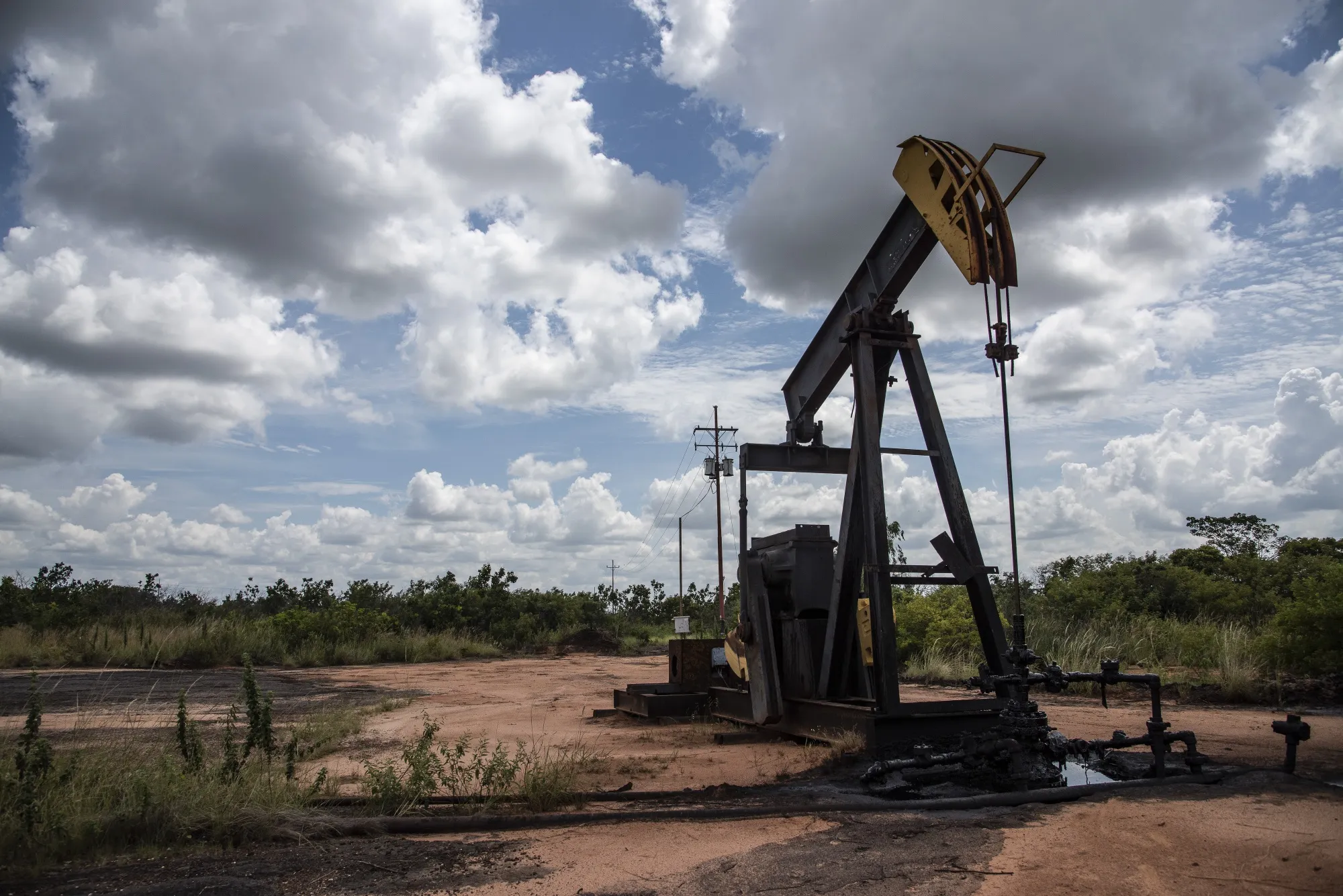
Background context reveals Venezuela’s Orinoco Belt holds 303 billion barrels, but production slumped to under 1 million barrels daily under sanctions and mismanagement. U.S. firms like Chevron stand to gain, while Chinese joint ventures face uncertainty.
Trump downplayed tensions, citing his “good relationship” with Xi Jinping, but demands for exclusive partnerships signal escalating rivalry. As oil markets digest diverted cargoes and potential surpluses, volatility looms—though analysts say China’s supply hit remains manageable.

This geopolitical pivot underscores shifting power dynamics, with Trump’s actions reinforcing U.S. dominance in the Americas while challenging China’s global outreach.
In summary, the Venezuela crisis exposes vulnerabilities in China’s resource strategy, potentially reshaping energy flows and great-power competition ahead. Future outlook hinges on negotiations, with risks of broader confrontations but opportunities for stabilized U.S. supplies in 2026.
Follow and subscribe us for push notification updates.