
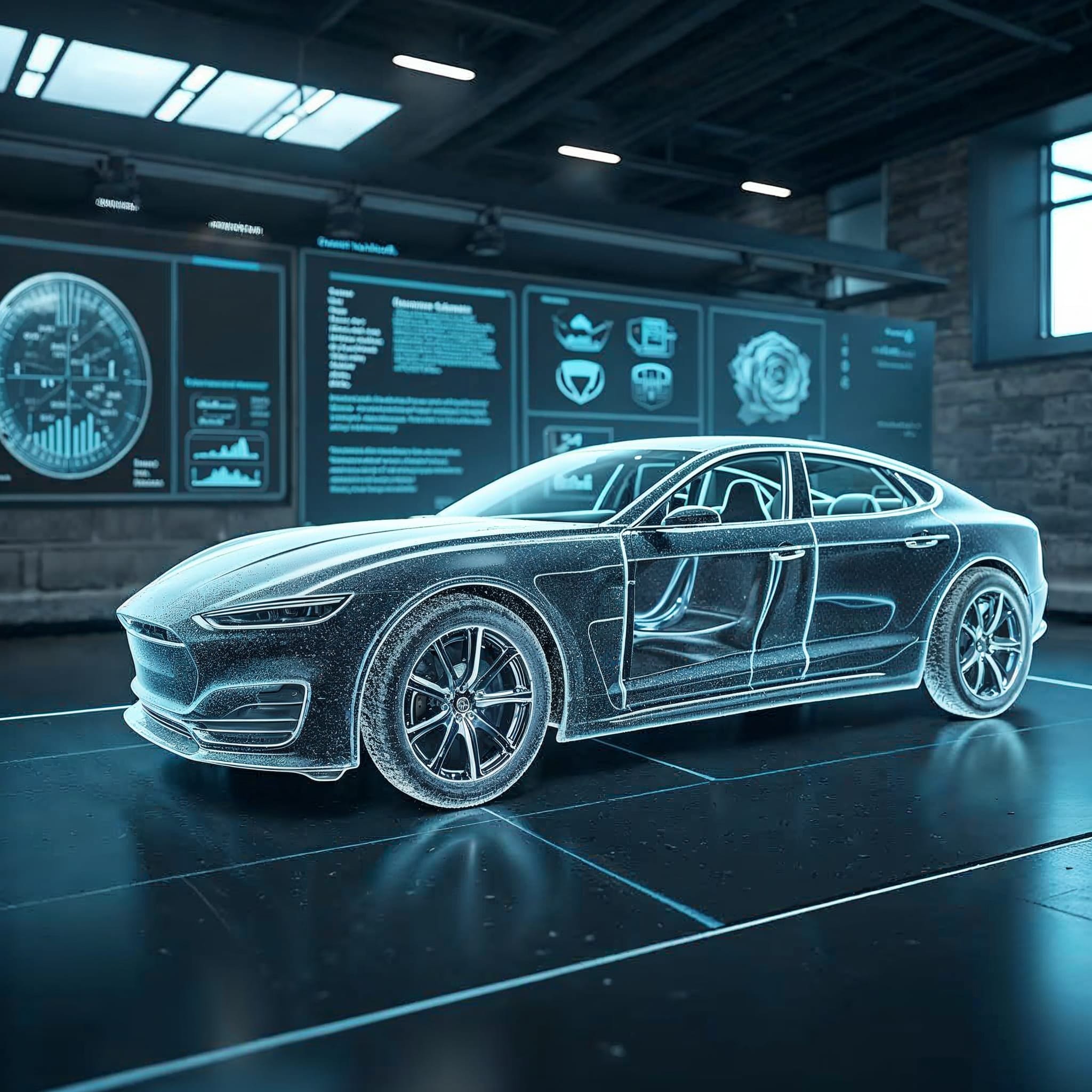
Welcome to the forefront of automotive innovation, where efficiency meets ingenuity. In a world increasingly focused on sustainable transportation, hybrid vehicles have emerged as a powerful bridge towards an electric future. A cornerstone of their remarkable efficiency and extended range lies in a sophisticated yet often overlooked technology: regenerative braking. This isn’t just a fancy term; it’s a game-changer that redefines how we think about braking, transforming what was once wasted energy into usable power. This comprehensive guide will take you on a deep dive into the fascinating world of regenerative braking, unraveling its mechanics, its profound impact on your hybrid’s performance, and how you can harness its full potential to literally drive further on every charge and tank of fuel.
From the bustling streets of urban centers to the winding roads of the countryside, modern hybrid vehicles are constantly optimizing their energy usage. At the heart of this optimization is the ability to recover kinetic energy – the energy of motion – that would otherwise be dissipated as heat during conventional braking. Instead, regenerative braking captures this energy, converts it into electricity, and stores it in the vehicle’s battery. This means more miles per gallon, less wear and tear on traditional brake components, and a significantly reduced environmental footprint. Join us as we decode this essential system, explore its current state, and peek into its exciting future, providing you with practical insights to enhance your hybrid driving experience.
Understanding the Core Concept: What is Regenerative Braking?
At its most fundamental level, regenerative braking is an ingenious method of recovering energy that would typically be lost during deceleration. In conventional internal combustion engine (ICE) vehicles, when you press the brake pedal, friction between the brake pads and rotors generates heat, effectively dissipating the vehicle’s kinetic energy into the atmosphere. This process is effective at slowing down or stopping a vehicle, but it represents a significant waste of potential energy.
Regenerative braking flips this paradigm. Instead of merely converting kinetic energy into heat, it converts a substantial portion of that kinetic energy into electrical energy. This electrical energy is then routed back to the vehicle’s high-voltage battery pack, where it can be stored and reused to power the electric motor, assist the gasoline engine, or even propel the vehicle in all-electric mode. Think of it as a continuous cycle of energy reclamation, turning deceleration into a power-generating opportunity.
The Physics of Energy Transformation
The principle behind regenerative braking is rooted in basic physics, specifically the law of conservation of energy. When a vehicle is in motion, it possesses kinetic energy, proportional to its mass and the square of its speed (KE = 0.5 mv²). To slow down, this energy must be transferred or converted. In a regenerative braking system, the electric motor, which typically drives the wheels, reverses its function and acts as a generator. As the wheels continue to spin, they turn the motor-generator, which then produces electricity. This electrical current is then sent through an inverter, which converts it from alternating current (AC) to direct current (DC) or vice versa depending on the motor type and battery requirements, before it reaches the battery for storage.
Consider a simple analogy: imagine a child on a swing. As they come down, they gain speed (kinetic energy). Instead of just stopping them at the bottom, imagine attaching a small generator to the swing’s pivot point. As the swing moves, it powers a light bulb. Regenerative braking in a car works on a similar principle, but on a much grander and more sophisticated scale. The energy generated isn’t just powering a light; it’s providing crucial charge to the very battery that propels the vehicle.
How it Works: The Mechanics Behind Energy Recovery
The seamless operation of regenerative braking is a testament to sophisticated engineering, involving a careful interplay of several key components. Understanding this mechanism is crucial to appreciating the efficiency gains offered by modern hybrids.
The Motor-Generator: A Dual-Purpose Marvel
At the heart of any regenerative braking system is the electric motor, or more precisely, the motor-generator unit. In a hybrid vehicle, the electric motor serves two primary functions:
- Motor Function: When the vehicle needs propulsion, the motor draws electricity from the battery to turn the wheels, either independently or in conjunction with the gasoline engine.
- Generator Function: During deceleration, coasting, or braking, the motor switches roles. The kinetic energy from the spinning wheels drives the motor, causing it to generate electricity. This electricity is then directed back to the battery pack.
This dual functionality is critical. The same component that pushes the car forward can also act as a drag, slowing it down, while simultaneously replenishing its energy reserves. The efficiency of this conversion process is continuously optimized by the vehicle’s onboard computer.
The Inverter and Battery Pack: The Power Managers
The electricity generated by the motor-generator is not immediately usable by the battery. Most electric motors operate on alternating current (AC), while hybrid vehicle batteries typically store direct current (DC) power. This is where the inverter comes into play. The inverter is a crucial electronic component that converts the AC power from the motor-generator into DC power suitable for charging the battery. Conversely, when the electric motor is driving the wheels, the inverter converts DC power from the battery back into AC power for the motor.
The high-voltage battery pack is the ultimate destination for this recovered energy. Modern hybrids primarily use Nickel-Metal Hydride (NiMH) or Lithium-ion (Li-ion) batteries. These batteries are designed for rapid charging and discharging cycles, making them ideal for the stop-and-go nature of regenerative braking. The battery management system (BMS) meticulously oversees the state of charge, temperature, and overall health of the battery, ensuring optimal performance and longevity. It decides how much charge to accept from regeneration and how much power to supply to the motor, making thousands of calculations per second.
The Blended Braking System: A Seamless Transition
One of the most impressive aspects of regenerative braking in modern hybrids is its seamless integration with conventional friction brakes. This is known as a blended braking system. When you press the brake pedal in a hybrid, the vehicle’s computer first attempts to maximize regenerative braking. The electric motor acts as a generator, creating resistance that slows the car down. Only when more aggressive braking is required, or when the battery is fully charged and cannot accept more energy, do the conventional friction brakes engage to supplement the stopping power.
This intelligent blending is imperceptible to the driver, providing a smooth and consistent braking feel. The driver simply presses the pedal, and the car’s advanced electronics determine the optimal mix of regenerative and friction braking to achieve the desired deceleration. This not only optimizes energy recovery but also significantly reduces wear on the traditional brake pads and rotors, leading to lower maintenance costs and longer component lifespan.
The Lifeline of Hybrids: Energy Storage Systems
The effectiveness of regenerative braking is intrinsically linked to the efficiency and capacity of the energy storage system in hybrid vehicles. These sophisticated battery packs are designed not just to power the electric motor, but to also rapidly accept and deliver charges, making them perfect partners for regenerative energy capture.
Types of Batteries in Hybrid Vehicles
Over the years, hybrid technology has evolved, and with it, the types of batteries used for energy storage have advanced significantly:
- Nickel-Metal Hydride (NiMH) Batteries: Historically, NiMH batteries were the workhorse of early hybrid vehicles, notably found in many generations of the Toyota Prius and Honda Insight. They are known for their robustness, good power density, and ability to handle numerous charge-discharge cycles without significant degradation. While heavier and less energy-dense than newer chemistries, their proven reliability made them a popular choice for many years. They are particularly good at handling the frequent, shallow charge and discharge cycles typical of regenerative braking in city driving.
- Lithium-ion (Li-ion) Batteries: The current standard for most modern hybrids and all electric vehicles (EVs), Li-ion batteries offer significantly higher energy density, meaning more energy can be stored in a smaller, lighter package. They also have a lower self-discharge rate and can provide higher power output. This allows for greater electric-only range and more potent regenerative braking capabilities, as they can accept a larger influx of energy more quickly. The rapid advancements in Li-ion chemistry continue to improve their performance, safety, and longevity.
Battery Management Systems (BMS): The Unsung Heroes
Behind every efficient battery pack is an intricate Battery Management System (BMS). The BMS is the brain that monitors and controls the battery’s health and performance. Its critical functions include:
- State of Charge (SoC) Monitoring: Continuously tracks how much energy is remaining in the battery.
- Temperature Regulation: Ensures the battery operates within optimal temperature ranges, often using active cooling or heating systems, as extreme temperatures can degrade battery life and performance.
- Cell Balancing: Balances the charge across individual cells within the battery pack to prevent overcharging or undercharging of any single cell, which prolongs the battery’s overall lifespan.
- Voltage and Current Monitoring: Prevents overcurrent or overvoltage conditions during charging and discharging, which are crucial for safety and durability.
- Regeneration Control: Manages the amount of energy the battery can accept from regenerative braking, preventing overcharging and ensuring efficient storage.
The BMS plays a vital role in enabling regenerative braking to work effectively and safely. It ensures that the battery is always in a state where it can accept energy during deceleration and deliver it efficiently when needed for propulsion.
Impact on Driving Experience and Efficiency
Regenerative braking is not merely a technical marvel; its real-world benefits translate directly into a superior driving experience and tangible improvements in vehicle efficiency, impacting everything from fuel consumption to maintenance costs.
Significantly Increased Range and Fuel Economy
The most immediate and celebrated benefit of regenerative braking in hybrid vehicles is its profound impact on fuel efficiency and, consequently, the driving range. By recovering kinetic energy that would otherwise be wasted, the system effectively provides “free” electricity to the battery. This stored energy can then be used to power the electric motor, allowing the vehicle to operate in all-electric mode for short distances, assist the gasoline engine during acceleration, or even reduce the workload on the engine during cruising. The result is a substantial reduction in gasoline consumption, leading to fewer trips to the pump and a lower carbon footprint.
For example, in stop-and-go urban traffic, where conventional vehicles constantly waste energy through friction braking, a hybrid with regenerative braking excels. Every time the driver lifts off the accelerator or presses the brake pedal, the system is actively generating electricity. This continuous cycle of recovery and reuse means that city driving, often the least efficient scenario for gasoline cars, becomes one of the most efficient for hybrids, with some models achieving city MPG ratings that surpass their highway figures.
Reduced Wear and Tear on Conventional Brakes
Beyond fuel savings, regenerative braking offers a significant practical advantage: extending the life of the vehicle’s conventional friction brakes. Since the electric motor primarily handles deceleration during most braking scenarios, the traditional brake pads and rotors are used less frequently and less intensely. This translates into considerable savings over the lifespan of the vehicle, as brake components need replacement far less often than in non-hybrid counterparts. Owners of hybrid vehicles often report their original brake pads lasting for well over 100,000 miles, a testament to the effectiveness of the regenerative system.
This reduction in brake wear is not just a cost-saving measure; it also contributes to environmental benefits by reducing brake dust, a source of particulate matter pollution. Fewer replacements also mean less manufacturing and disposal of brake components, further aligning with sustainable practices.
“One-Pedal Driving” and Enhanced Control
While more commonly associated with full electric vehicles, some advanced hybrid systems, or driving modes within hybrids, offer a taste of “one-pedal driving.” This feature allows the driver to control acceleration and deceleration primarily using the accelerator pedal. When the driver lifts off the pedal, the regenerative braking system engages strongly, slowing the vehicle down without needing to touch the brake pedal for moderate deceleration. This provides a unique driving experience, allowing for smoother transitions and a feeling of greater control, especially in traffic or on downhill grades. It also maximizes energy recovery by encouraging more consistent and prolonged deceleration through regeneration.
The feedback from the regenerative system can also offer a more connected driving feel. Drivers can often feel the slight resistance as the motor switches to generator mode, providing tactile confirmation that energy is being recovered. This encourages a more anticipatory and efficient driving style, further maximizing the benefits of the technology.
Evolution and Types of Regenerative Braking Systems
Regenerative braking isn’t a monolithic technology; its implementation varies across different hybrid vehicle architectures and has evolved significantly since its inception. Understanding these nuances helps appreciate the sophistication inherent in modern hybrid powertrains.
Early Implementations and Hybrid Architectures
The concept of regenerative braking dates back to the early 20th century in electric trains and buses, but its widespread adoption in passenger cars began with the advent of mass-produced hybrid electric vehicles (HEVs) in the late 1990s. Early systems, while effective, were simpler compared to today’s sophisticated setups.
Hybrid vehicles themselves come in various configurations, each influencing how regenerative braking is integrated:
- Parallel Hybrids: In a parallel hybrid (e.g., many Honda models), both the electric motor and the internal combustion engine can directly power the wheels, either individually or together. Regenerative braking occurs when the motor acts as a generator, feeding electricity back to the battery, often blending with friction brakes seamlessly.
- Series Hybrids: In a series hybrid (less common in passenger cars, but seen in some range-extended EVs like the BMW i3 REx), the gasoline engine acts solely as a generator to charge the battery or power the electric motor, which in turn drives the wheels. Regenerative braking is highly effective here as the electric motor is the primary means of propulsion and deceleration.
- Series-Parallel Hybrids (Power-Split Hybrids): Epitomized by Toyota’s Hybrid Synergy Drive, these systems combine elements of both series and parallel. A complex planetary gear set allows for intricate blending of power sources. Regenerative braking is extremely efficient in these systems because the electric motor-generator can recover energy across a wide range of speeds and scenarios, making them particularly adept at urban stop-and-go driving.
Advanced Blended Braking Systems
Modern regenerative braking systems are incredibly sophisticated, employing advanced electronics and software to optimize energy recovery. The key is the “blended braking” approach, where the vehicle’s computer decides the optimal mix of regenerative and friction braking. This decision is based on various factors:
- Driver Input: How hard the brake pedal is pressed.
- Vehicle Speed: Regenerative braking is generally more effective at higher speeds where more kinetic energy is available.
- Battery State of Charge (SoC): If the battery is nearly full, the system will rely more on friction brakes to prevent overcharging.
- Road Conditions: On slippery surfaces, the system might favor friction brakes to ensure maximum stability and control.
- Temperature: Battery performance can be affected by extreme temperatures, influencing regen capability.
These systems are designed to be imperceptible to the driver, providing a consistent and predictable braking feel, regardless of whether it’s primarily regenerative or friction braking doing the work.
Driver-Selectable Regenerative Braking and One-Pedal Driving
As hybrid and EV technology matures, manufacturers are increasingly giving drivers more control over regenerative braking. Many modern vehicles feature:
- Paddle Shifters for Regen Levels: On some models, steering-wheel-mounted paddles (often labeled +/- or B-mode) allow drivers to manually adjust the intensity of regenerative braking. A higher setting means stronger deceleration when lifting off the accelerator, resembling engine braking in an ICE car, and maximizing energy recovery. Lower settings allow for more coasting.
- Drive Modes: “Eco” or “B” (Brake) modes often enhance regenerative braking, making it more aggressive. This can simulate “one-pedal driving,” where releasing the accelerator pedal can slow the car significantly, often to a complete stop, without needing to touch the brake pedal. This aggressive regeneration not only recovers more energy but also offers a different, often preferred, driving dynamic for many EV and hybrid owners.
These advancements empower drivers to tailor their driving experience for maximum efficiency or preferred driving feel, further optimizing the benefits of regenerative braking.
Maximizing Your Range: Driving Techniques for Optimal Regeneration
While modern hybrid vehicles are engineered to automatically optimize regenerative braking, your driving style plays a crucial role in how much energy is actually recovered. By adopting specific techniques, you can significantly enhance your hybrid’s efficiency and extend its range.
Anticipatory Driving: The Key to Efficiency
The golden rule for maximizing regenerative braking, and indeed overall fuel efficiency, is anticipatory driving. This means looking far ahead in traffic, observing road conditions, and predicting potential stops or slowdowns. Instead of accelerating aggressively only to brake sharply, aim for smooth, gradual deceleration. When you see a red light, a slow-moving vehicle, or a downhill slope in the distance:
- Lift off the Accelerator Early: Instead of waiting until the last moment, ease off the accelerator pedal well in advance. This allows the vehicle to coast, and its regenerative braking system to engage gradually and over a longer period. Gentle, prolonged regeneration recovers more energy than sudden, hard braking, which often necessitates the use of friction brakes.
- Utilize Coasting: On flat or gently declining roads, letting the car coast allows the motor-generator to work efficiently without immediate demands for propulsion, often resulting in passive regeneration. Many hybrids have a display that shows when regeneration is active, encouraging drivers to stay within this efficient zone.
Gentle and Prolonged Braking
The most effective regenerative braking occurs when you apply the brakes gently and consistently, rather than stomping on them. Hard braking quickly exhausts the regenerative capacity and forces the vehicle to rely more heavily on its friction brakes, dissipating energy as heat. Think of it as a prolonged “squeeze” of the brake pedal rather than an abrupt “stab.”
- Smooth Deceleration: Aim for smooth, steady deceleration that allows the system ample time to convert kinetic energy into electrical energy. The longer the regenerative braking system is engaged, the more energy it can recover.
- Observe the Energy Flow Display: Most hybrid vehicles include an energy flow display on the dashboard or infotainment screen. Pay attention to this display to understand when your vehicle is actively regenerating power. Aim to keep the indicator in the “charge” or “regen” zone for as long as possible during deceleration.
Using “B” Mode or Paddle Shifters for Enhanced Regeneration
Many modern hybrids and plug-in hybrids offer specific driving modes or controls to enhance regenerative braking:
- “B” Mode (Brake Mode): If your hybrid has a “B” mode on the gear selector, engaging it will increase the amount of engine braking (or in a hybrid’s case, regenerative braking) when you lift off the accelerator. This is particularly useful on long downhill stretches, as it helps maintain speed without constantly pressing the brake pedal, while simultaneously maximizing energy recovery.
- Paddle Shifters for Regeneration Levels: Some vehicles feature paddle shifters on the steering wheel that allow you to manually adjust the intensity of regenerative braking. You can “downshift” to a higher regeneration level, which will cause the vehicle to slow down more aggressively when you release the accelerator, much like downshifting in a manual transmission car. This can be very effective for maximizing energy capture, especially in hilly terrain.
By consciously adopting these driving habits, you not only improve your hybrid’s range and fuel economy but also contribute to the longevity of your brake components and enjoy a smoother, more efficient driving experience. It transforms every deceleration into an opportunity to “refuel” your vehicle.
Current Developments and Future Prospects
Regenerative braking, while already a mature technology in hybrid vehicles, continues to evolve. Ongoing research and development are pushing the boundaries of efficiency, integration, and driver interaction, promising even greater energy recovery and a more seamless driving experience in the future.
Enhanced Battery Technologies
The efficiency of regenerative braking is directly tied to the battery’s ability to rapidly accept and store electrical energy. Future battery advancements will significantly boost this capability:
- Solid-State Batteries: These next-generation batteries promise higher energy density, faster charging rates, and improved safety compared to current lithium-ion technology. Their ability to accept very rapid charging will make regenerative braking even more effective, especially in scenarios requiring high power recovery.
- Improved Lithium-ion Chemistries: Ongoing research into new cathode and anode materials aims to increase the lifespan, power density, and thermal stability of existing Li-ion batteries, allowing for more aggressive and consistent regenerative braking performance across a wider range of temperatures.
- Supercapacitors: While not a primary energy storage solution for vehicle propulsion, supercapacitors are excellent at rapidly absorbing and discharging large bursts of energy. Future hybrid systems might integrate supercapacitors alongside batteries to handle peak regeneration events, further enhancing energy capture, especially during sudden, high-power braking maneuvers.
Predictive Regenerative Braking
Imagine a car that knows when you’re about to brake before you even touch the pedal. This is the promise of predictive regenerative braking, which leverages advanced driver-assistance systems (ADAS) and connectivity:
- GPS and Mapping Data: By integrating with navigation systems, the vehicle can anticipate upcoming inclines, declines, curves, and even traffic light statuses. It can then preemptively adjust the regenerative braking strategy, initiating regeneration earlier and more smoothly for optimal energy recovery. For instance, knowing a downhill slope is approaching, the system can recommend or automatically engage stronger regeneration.
- Radar and Camera Sensors: Using data from forward-facing radar and cameras, the vehicle can detect traffic conditions ahead, such as slowing vehicles or upcoming intersections. This allows the system to prepare for deceleration, maximizing regeneration before the driver even needs to react. Some systems already offer “coast to stop” functionality based on traffic ahead.
- Vehicle-to-Everything (V2X) Communication: In the longer term, V2X technology could allow vehicles to communicate with infrastructure (V2I) and other vehicles (V2V). This would provide even more comprehensive real-time information about traffic flow, road hazards, and signal timing, enabling highly optimized and collaborative regenerative braking strategies across a fleet of vehicles.
Enhanced Integration with ADAS and Autonomous Driving
As vehicles become more autonomous, regenerative braking will become an even more critical component:
- Optimized Deceleration Profiles: Autonomous driving systems can execute braking maneuvers with far greater precision and consistency than human drivers. This allows for perfectly modulated regenerative braking, maximizing energy recovery in every situation.
- Seamless Energy Management: In fully autonomous vehicles, the entire energy management system, including regenerative braking, will be seamlessly integrated with the driving control algorithms. This will enable a holistic approach to energy efficiency, optimizing every aspect of propulsion and deceleration.
These future developments suggest a trajectory where regenerative braking becomes an even more intelligent, responsive, and powerful tool for boosting the efficiency and range of hybrid and electric vehicles, transforming driving into a continuous cycle of energy harvesting.
Practical Examples: Regenerative Braking in Action
To truly grasp the power of regenerative braking, it’s helpful to look at real-world applications and how various hybrid vehicles leverage this technology to deliver impressive range and fuel efficiency. These examples showcase the tangible benefits for everyday drivers.
The Urban Commuter: Toyota Prius
The Toyota Prius is arguably the most iconic hybrid vehicle, and its success owes much to its highly effective regenerative braking system. In stop-and-go city traffic, the Prius consistently shines. When a driver approaches a red light or traffic jam, simply lifting off the accelerator engages the regenerative braking. The vehicle’s energy monitor often displays the flow of energy back to the battery. In conditions where a conventional car would constantly be burning fuel and wearing down brakes, the Prius is recovering energy, allowing it to frequently switch to all-electric mode at low speeds or during initial acceleration.
Case Study: Daily Commute in a Prius
Consider a 20-mile urban commute with numerous traffic lights and varying speeds. A conventional gasoline car might achieve 25 MPG. A Toyota Prius, utilizing its regenerative braking system, could easily achieve 50-55 MPG or even higher in the city. This dramatic difference is largely attributable to its ability to recover energy during the frequent decelerations inherent in urban driving. Owners often report feeling a slight but noticeable “drag” when lifting off the accelerator, which is the motor-generator actively harvesting energy.
The Suburban Driver: Honda Insight
The Honda Insight, another prominent hybrid, also features a robust regenerative braking system. While perhaps not as overtly focused on all-electric operation at low speeds as some power-split hybrids, the Insight’s system efficiently recharges its battery during deceleration, significantly boosting its overall fuel economy, especially in suburban driving with moderate speeds and occasional stops.
Case Study: Suburban Driving and Mild Grades
A driver navigating a mix of 35-50 mph roads with occasional hills and stop signs will find the Insight’s regenerative braking highly beneficial. As the car coasts down a gentle incline, or when the driver eases off the throttle approaching a roundabout, the system actively reclaims energy. This allows the electric motor to provide crucial assistance during acceleration, reducing the load on the gasoline engine and leading to excellent combined fuel economy figures, often in the mid-40s MPG range. The driver experiences fewer brake pad replacements and a consistently smooth deceleration feel.
The SUV Enthusiast: Ford Escape Hybrid
Hybrid technology isn’t limited to compact cars; it’s increasingly integrated into larger vehicles like SUVs. The Ford Escape Hybrid (and its platform mate, the Lincoln Corsair Grand Touring, a PHEV) uses regenerative braking to enhance the efficiency of a heavier vehicle, a task where energy recovery becomes even more impactful due to greater kinetic energy.
Case Study: Road Trip with Mixed Driving
Imagine a family taking a long road trip in a Ford Escape Hybrid, encountering both highway stretches and winding mountain roads. On the highway, when reducing speed for exits or traffic, regenerative braking kicks in. More importantly, when descending long mountain passes, the system can continuously regenerate power, helping to maintain speed control without overheating the friction brakes, while simultaneously topping up the battery. This not only saves fuel but also enhances safety and extends the life of critical braking components, a significant advantage for a heavier vehicle where brake wear can be more pronounced.
The Performance Hybrid: Porsche 918 Spyder (and other performance EVs/Hybrids)
While often associated with efficiency, regenerative braking also plays a critical role in high-performance hybrids and electric vehicles. Cars like the limited-production Porsche 918 Spyder used regenerative braking not just for efficiency but to provide an instantaneous boost of power. The energy recovered during braking could then be immediately deployed to the electric motors for a surge of acceleration, effectively integrating energy recovery into a performance-enhancing strategy.
These examples illustrate that regenerative braking is not a niche feature but a fundamental technology that transforms the driving dynamics and economic viability of a wide array of hybrid vehicles, making them smarter, greener, and more efficient for various driving needs.
Comparison Tables
Table 1: Conventional Braking vs. Regenerative Braking
| Feature/Aspect | Conventional (Friction) Braking | Regenerative Braking |
|---|---|---|
| Mechanism | Friction between brake pads and rotors converts kinetic energy into heat. | Electric motor reverses function (acts as generator) to convert kinetic energy into electrical energy. |
| Energy Fate | Energy is dissipated as wasted heat into the atmosphere. | Energy is recovered, converted to electricity, and stored in the vehicle’s battery. |
| Fuel Efficiency Impact | No direct improvement; leads to higher fuel consumption in stop-and-go driving. | Significantly improves fuel efficiency by reusing kinetic energy, especially in urban environments. |
| Brake Component Wear | High wear on brake pads and rotors, requiring frequent replacement. | Greatly reduces wear on friction brake components, extending their lifespan. |
| Environmental Impact | Contributes to particulate matter (brake dust) pollution. | Reduces emissions by lowering fuel consumption and minimizing brake dust. |
| Driving Feel | Immediate, linear stopping power. | Often smoother, more gradual deceleration; can be adjusted for stronger “engine braking” feel. |
| Effectiveness at High Speed | Highly effective for rapid deceleration from any speed. | More effective at higher speeds where more kinetic energy is available, but blends with friction brakes for rapid stops. |
| Battery Dependency | None. | Requires a functional high-voltage battery to store recovered energy. Limited if battery is full or very cold. |
Table 2: Impact of Driving Styles on Regenerative Braking Efficiency
| Driving Scenario/Style | Regeneration Level Achieved | Impact on Range & Efficiency | Notes/Best Practice |
|---|---|---|---|
| Aggressive Driving (Hard Acceleration & Braking) | Low to Moderate (Short bursts) | Minimal positive impact; high fuel consumption. | Friction brakes used frequently, less opportunity for prolonged energy recovery. |
| Stop-and-Go City Driving (Anticipatory) | High (Frequent, sustained) | Significant range extension; excellent fuel economy. | Ideal scenario for regenerative braking due to numerous deceleration events. |
| Highway Cruising (Steady Speed) | Very Low (Occasional) | Limited impact; mainly during slowdowns for traffic or exits. | Less opportunity for regeneration due to sustained speeds; aerodynamic efficiency matters more. |
| Long Downhill Descents (Controlled) | Very High (Continuous) | Maximum range benefit; keeps battery charged. | Leverage “B” mode or paddle shifters to maximize sustained regeneration. |
| Coasting (Lifting Accelerator Early) | Moderate to High (Gentle, prolonged) | Good for consistent energy recovery and fuel savings. | Allows passive regeneration without applying brake pedal; reduces wear on friction brakes. |
| Using “One-Pedal” Driving Mode | Consistently High | Optimized range and efficiency; unique driving feel. | Requires driver adaptation; maximizes regeneration by using accelerator for both go and slow. |
Frequently Asked Questions
Q: What is the primary benefit of regenerative braking in a hybrid vehicle?
A: The primary benefit is significantly improved fuel efficiency and extended driving range. By converting kinetic energy, which would otherwise be wasted as heat during conventional braking, into usable electricity, regenerative braking allows the vehicle to reuse that energy to power its electric motor, reducing reliance on the gasoline engine. This is particularly effective in stop-and-go driving conditions.
Q: Does regenerative braking completely replace conventional friction brakes?
A: No, regenerative braking does not completely replace conventional friction brakes. Modern hybrid vehicles utilize a “blended braking system.” The vehicle’s computer prioritizes regenerative braking for most deceleration, but the friction brakes will engage automatically when more aggressive stopping power is required, or when the battery is fully charged and cannot accept additional energy. This ensures consistent and reliable stopping performance.
Q: How can I tell if my hybrid vehicle is actively using regenerative braking?
A: Most hybrid vehicles include an energy flow display on their dashboard or infotainment screen. This display typically shows arrows indicating when power is flowing from the wheels to the battery (regeneration), from the battery to the motor (electric propulsion), or from the engine to the wheels. You might also feel a slight resistance or “drag” when lifting off the accelerator, which indicates the motor-generator is engaged.
Q: Does regenerative braking work at all speeds, including high speeds?
A: Regenerative braking is most effective at higher speeds because there is more kinetic energy available to be converted into electricity (kinetic energy is proportional to the square of speed). However, it operates across a wide range of speeds. At very low speeds, or when coming to a complete stop, friction brakes often take over or assist, as the kinetic energy available for regeneration becomes minimal.
Q: Does regenerative braking extend the life of my brake pads?
A: Yes, absolutely. This is one of the significant advantages. Because the regenerative braking system handles the majority of deceleration, the conventional friction brakes are used less frequently and less intensely. This dramatically reduces wear and tear on the brake pads and rotors, often allowing them to last for exceptionally long periods, sometimes over 100,000 miles.
Q: Is “one-pedal driving” a feature of all hybrid vehicles?
A: No, “one-pedal driving” is not a universal feature across all hybrid vehicles. It is more commonly found in pure electric vehicles (EVs) and some advanced plug-in hybrids or hybrids with specific selectable driving modes (like “B” mode or adjustable regeneration via paddle shifters). This feature allows significant deceleration by simply lifting off the accelerator pedal, making the brake pedal largely redundant for everyday slowing.
Q: Can regenerative braking fully recharge my hybrid’s battery?
A: In most conventional (non-plug-in) hybrid vehicles, regenerative braking is designed to maintain the battery within an optimal operating range (typically between 40% and 80% charge) rather than fully charge it. This ensures the battery always has capacity to accept regenerated energy and prevents overcharging. Plug-in hybrids (PHEVs) and electric vehicles (EVs) can achieve much higher states of charge through external charging, but regeneration primarily contributes to extending range during driving.
Q: Does cold weather affect regenerative braking efficiency?
A: Yes, cold weather can affect regenerative braking efficiency. Battery performance, including its ability to accept a charge, is often reduced in very cold temperatures. The vehicle’s battery management system (BMS) may limit the amount of regenerative braking to protect the battery, especially if it’s already cold and at a high state of charge. This might mean the friction brakes are used more frequently in cold conditions until the battery warms up.
Q: Does regenerative braking create noise?
A: Generally, regenerative braking itself is very quiet. Unlike friction brakes, which can sometimes squeal or make grinding noises, the motor-generator operating in reverse is largely silent. Any sounds you might hear would likely be from the electric motor spinning or the subtle whir of electrical components, not from the braking process itself. The system is designed for seamless and quiet operation.
Q: Is regenerative braking only found in hybrids, or also in electric vehicles (EVs)?
A: Regenerative braking is a fundamental technology in both hybrid vehicles and fully electric vehicles (EVs). In fact, it is even more critical for EVs, as it is often their primary method of deceleration and range extension. EVs typically have more powerful electric motors and larger battery packs, allowing for even greater regenerative braking capabilities and more pronounced “one-pedal driving” effects.
Key Takeaways
- Energy Recovery is Core: Regenerative braking transforms kinetic energy into electrical energy during deceleration, actively preventing energy waste.
- Enhanced Fuel Efficiency: This recovered energy directly translates into significantly better fuel economy and extended driving range for hybrid vehicles, especially in stop-and-go traffic.
- Reduced Maintenance: By handling most braking, the system dramatically extends the lifespan of conventional friction brake pads and rotors, leading to lower maintenance costs.
- Seamless Operation: Modern blended braking systems ensure a smooth and consistent braking feel, imperceptible to the driver, by intelligently combining regenerative and friction braking.
- Driver Influence: Anticipatory driving, gentle braking, and utilizing specific drive modes (like “B” mode or paddle shifters) can maximize the efficiency of regenerative energy capture.
- Advanced Technology: Sophisticated battery management systems (BMS) and inverters are crucial for efficiently storing and utilizing the recovered electricity.
- Future Potential: Ongoing advancements in battery technology, predictive braking systems, and integration with autonomous driving promise even greater efficiency and functionality from regenerative braking.
- Broader Application: The technology is not limited to hybrids; it is an even more vital component in fully electric vehicles, often enabling “one-pedal driving.”
Conclusion
Regenerative braking stands as a testament to the ingenuity driving modern automotive engineering. It’s more than just a component; it’s a foundational technology that fundamentally alters the efficiency paradigm of hybrid vehicles. By transforming wasted kinetic energy into usable electricity, it empowers drivers to literally “drive further” on every tank of fuel and every charge, while simultaneously reducing maintenance costs and lessening environmental impact. This sophisticated system allows hybrids to excel in scenarios that would traditionally deplete fuel and wear out brakes, making them ideal companions for both urban commutes and varied road trips.
As we look to the future, the evolution of regenerative braking, hand-in-hand with advancements in battery technology and intelligent driving systems, promises even greater leaps in efficiency and driving dynamics. From predictive capabilities that anticipate your every move to even more refined energy storage solutions, the journey towards ever-greener and more economical transportation is inextricably linked to this clever energy-recovering marvel. Embracing and understanding regenerative braking isn’t just about appreciating clever engineering; it’s about unlocking the full potential of your hybrid vehicle and contributing to a more sustainable driving future, one reclaimed joule at a time.