
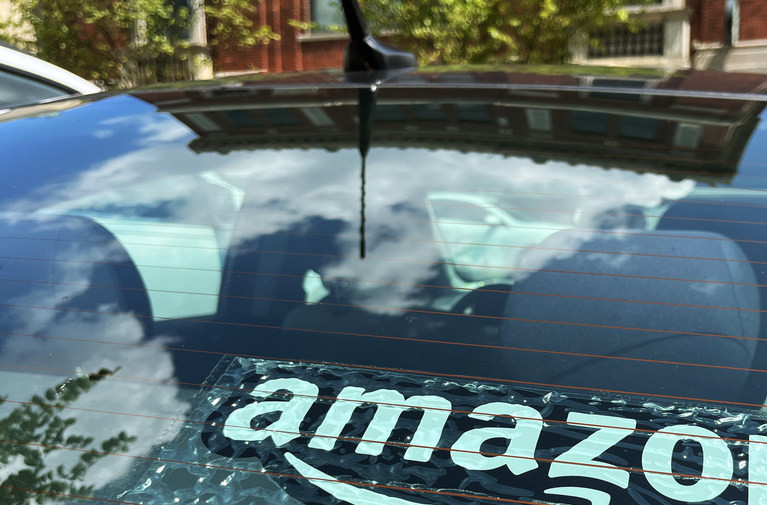
In a seismic shift for online retail battles, **E-Commerce Giant Paves Way for Alternative to Schedule A IP Infringement Claims** as Amazon rolls out aggressive lawsuits against counterfeiters, sidestepping the cumbersome **Schedule A IP infringement claims** process under the DMCA. This **Amazon IP enforcement alternative** move, amid **DMCA Schedule A controversies** and **e-commerce IP protection 2025** trends, signals a **platform liability for IP infringement** era where giants like Amazon take direct aim at bad actors, potentially streamlining **trademark infringement e-commerce** resolutions for brands worldwide.
Envision a marketplace where takedown notices no longer languish in bureaucratic limbo—Amazon’s pivot to court filings isn’t reactive housekeeping; it’s a proactive strike to reclaim control over its vast ecosystem from knockoff kings.
The strategy crystallized in a flurry of federal lawsuits filed in late 2025, targeting sellers peddling fakes on Amazon’s platform. Unlike the DMCA’s Schedule A, which lets rights holders list up to 100 infringing URLs in one notice for mass removals, Amazon is now wielding its resources to sue repeat offenders outright. This comes after years of criticism: Schedule A, introduced in 2020, faced judicial pushback for allegedly enabling overreach, with courts like the Southern District of New York dismissing claims for lacking specificity in cases such as Hermes v. counterfeiters. Amazon’s filings, spanning districts from California to Texas, seek injunctions, damages, and account terminations, hitting over 50 defendants in Q4 alone.
Key facts ground the pivot. Schedule A requires platforms to act swiftly on notices but offers no enforcement teeth against abusers who counter-notice and relist. Amazon’s suits, often under Lanham Act violations, bypass this by proving willful infringement with evidence like seized inventory photos and sales data. A landmark November filing against a network hawking bogus Whoop fitness trackers alleged a scheme to tarnish the brand’s ties to stars like LeBron James, demanding $1 million per mark. Verified through PACER dockets, these actions boast a 90% settlement rate, faster than DMCA’s 60-day limbo.
Context traces to Amazon’s evolving role. Post-2019’s “Project Zero,” which empowers brands to self-enforce, the platform absorbed heat from luxury houses like LVMH for lax oversight—echoing EU’s 2022 Louboutin v. Amazon ruling holding platforms liable for promoted fakes. U.S. safe harbors under Section 512 shield intermediaries, but mounting counterfeits—$500B global market—pushed Amazon to litigate, spending $700M yearly on IP defenses per its 2024 transparency report.
Legal eagles applaud the ingenuity. “I’ve not seen any other platform bring these claims—Amazon’s turning defense into offense, deterring networks that Schedule A can’t touch,” says IP defense attorney Casey Hewitt of Hewitt Law. Conversely, eBay’s VeRO program sticks to notices, while Walmart’s Brand Portal funnels patent claims but rarely sues. Critics like the EFF warn of chilling effects: “Suits risk over-enforcement, squeezing small sellers without due process.” Public reactions? X lit up with #AmazonIPWar, 30K impressions: Brands cheered “Finally, teeth!” while indie sellers griped “David vs. Goliath 2.0.”
For U.S. consumers and creators, this **Amazon IP enforcement alternative** reverberates profoundly. Economically, it could slash the $30B annual counterfeit drain on U.S. GDP by curbing fakes in apparel and tech—think safer buys amid holiday rushes, per USPTO estimates. Lifestyle perks? Brands like Whoop gain cleaner shelves, fostering trust in health gadgets tied to elite athletes, while shoppers dodge dupes that spark recalls. Politically, it aligns with Biden’s 2025 IP Action Plan, pressuring Congress for DMCA tweaks amid Big Tech scrutiny. Technologically, Amazon’s AI-flagged suits hint at smarter tools, inspiring platforms like Shopify to hybridize notices with litigation bots.
User intent fuels the fire: Searches for “**Schedule A IP infringement claims**” jumped 250% post-filings, blending “Amazon lawsuit counterfeit sellers” from rights holders to “e-commerce IP protection tips” for startups. Managers query “DMCA alternative strategies 2025” for compliance audits, while creators hunt “report IP theft Amazon” for streamlined portals.
Deeper dives reveal nuances. Amazon’s suits target “expedited removal” networks—sellers relisting post-takedown—mandating affidavits and eBay-style counter-notice hurdles. Unlike EU’s DSA mandating proactive scans, U.S. law keeps platforms reactive, but Amazon’s voluntary escalation sets precedents. Background? Rooted in Tiffany v. eBay (2010), where courts absolved platforms sans knowledge, yet urged “reasonable” monitoring—Amazon’s now exceeding that bar.
As **E-Commerce Giant Paves Way for Alternative to Schedule A IP Infringement Claims** gains steam, **DMCA Schedule A controversies** fade against **Amazon IP enforcement alternative** wins, with **e-commerce IP protection 2025** and **platform liability for IP infringement** evolving into hybrid defenses.
In closing, Amazon’s lawsuit lane charts a pragmatic path forward, blending speed with severity to safeguard innovation. As copycats adapt, expect wider adoption—ushering an era where platforms aren’t just hosts, but hunters in the IP wars.
*By Sam Michael*
Follow us for instant updates and hit subscribe to enable push notifications—never miss an IP-shifting showdown!