
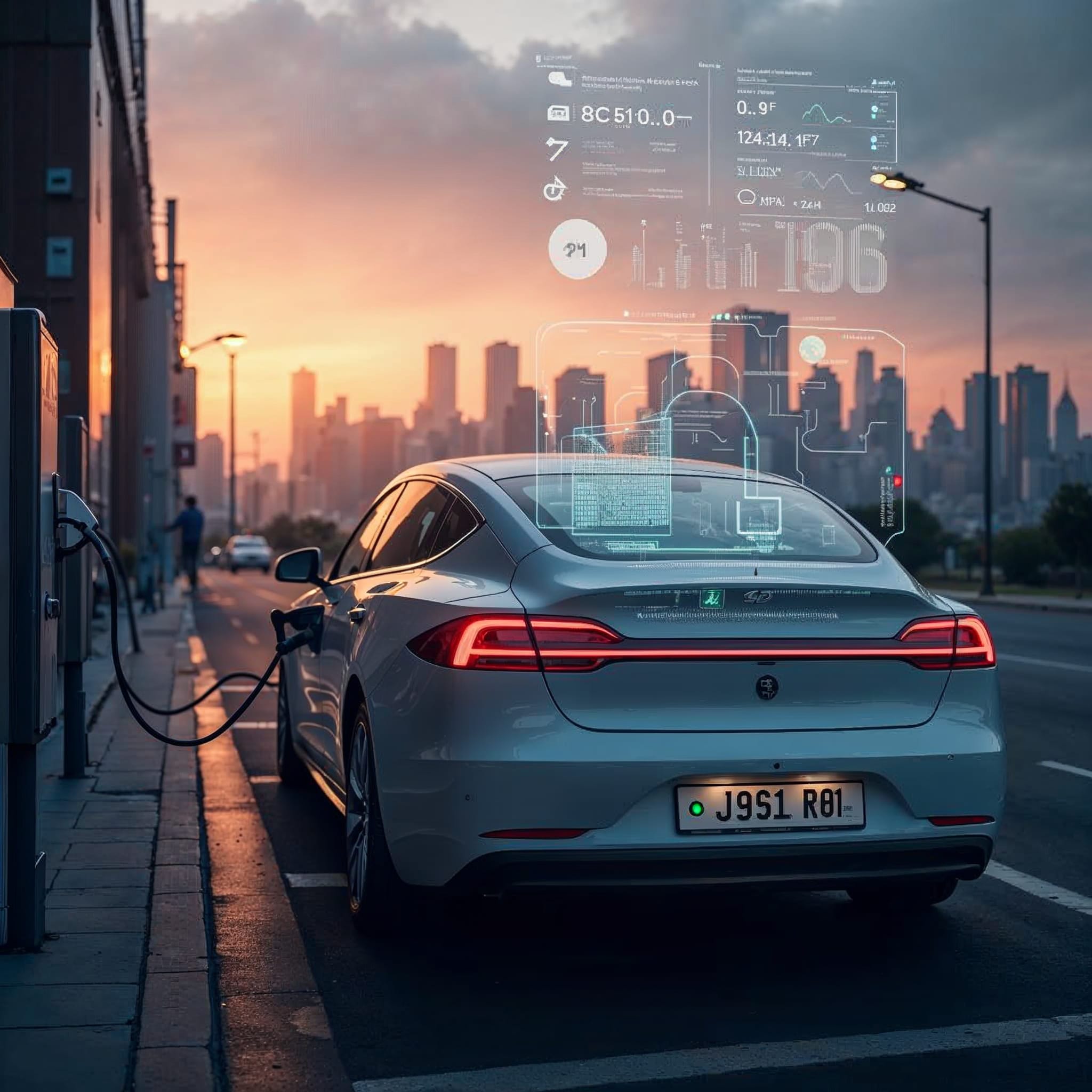
In the evolving landscape of sustainable transportation, the choice between different types of electrified vehicles can often seem complex. For many years, hybrid electric vehicles (HEVs) were championed as the bridge to a greener future, offering improved fuel efficiency and reduced emissions compared to traditional internal combustion engine (ICE) cars. However, with significant advancements in battery technology and charging infrastructure, pure electric vehicles (BEVs) have emerged as a dominant force, presenting a compelling argument for their superior eco-friendliness, especially for daily commutes. This detailed exploration delves into why pure electric vehicles increasingly hold an undeniable edge over hybrids when it comes to truly clean and sustainable travel.
The global push towards decarbonization has made vehicle emissions a critical concern for policymakers, manufacturers, and consumers alike. As we face the escalating impacts of climate change, every decision regarding our mode of transport carries significant weight. Understanding the nuances between hybrids and pure electric vehicles is no longer just about fuel economy; it is about comprehending their full environmental footprint, from manufacturing to everyday use, and their long-term role in fostering a truly sustainable society. This article aims to provide a comprehensive analysis, shedding light on the often-misunderstood differences and empowering commuters to make informed choices that align with environmental responsibility and personal benefit.
Understanding the Landscape: BEVs vs. Hybrids
Before diving into the intricate comparisons, it is crucial to establish a clear understanding of what constitutes a pure electric vehicle and various types of hybrids. This foundational knowledge will illuminate why their operational characteristics lead to vastly different environmental outcomes.
Pure Electric Vehicles (BEVs)
Pure Electric Vehicles, or Battery Electric Vehicles (BEVs), represent the pinnacle of current zero-emission transportation technology. These vehicles run solely on electricity stored in a large battery pack, which powers an electric motor. They possess no internal combustion engine, no tailpipe, and consequently, produce absolutely zero tailpipe emissions. The energy to charge their batteries comes from the electricity grid, which can be increasingly sourced from renewable energy like solar, wind, and hydropower. BEVs offer immediate torque, a quiet ride, and a fundamentally different driving experience devoid of fossil fuels.
- Operation: Exclusively electric motor powered by a battery.
- Fuel Source: Electricity from the grid.
- Emissions: Zero tailpipe emissions.
- Components: Electric motor, battery, inverter, charging port. No engine, fuel tank, or exhaust system.
Hybrid Electric Vehicles (HEVs)
Hybrid Electric Vehicles combine a traditional internal combustion engine with an electric motor and a small battery. The vehicle can run on gasoline, electricity, or a combination of both. The primary purpose of the electric component in a standard HEV is to assist the gasoline engine, often during acceleration or at low speeds, and to recover energy through regenerative braking. The battery in a HEV is typically much smaller than in a BEV and cannot be plugged into an external power source for charging; it recharges via the gasoline engine and regenerative braking.
- Operation: Primarily gasoline engine, assisted by an electric motor.
- Fuel Source: Gasoline, with minimal electric-only range.
- Emissions: Produces tailpipe emissions when the gasoline engine is running.
- Components: Gasoline engine, electric motor, small battery, fuel tank, exhaust system.
Plug-in Hybrid Electric Vehicles (PHEVs)
Plug-in Hybrid Electric Vehicles are a more advanced form of hybrid. Like HEVs, they have both a gasoline engine and an electric motor, but they feature a larger battery that can be externally charged by plugging into an electrical outlet. This allows PHEVs to operate on pure electricity for a significant range (typically 20-50 miles) before the gasoline engine kicks in. Once the electric range is depleted, a PHEV essentially functions like a standard HEV, consuming gasoline and producing emissions. The eco-friendliness of a PHEV heavily depends on the driver’s charging habits and driving patterns.
- Operation: Can run on pure electricity for a limited range, then switches to hybrid mode (gasoline + electric).
- Fuel Source: Electricity (for initial range) and gasoline.
- Emissions: Zero tailpipe emissions during electric-only mode; produces emissions in hybrid mode.
- Components: Gasoline engine, electric motor, medium-sized battery, fuel tank, exhaust system, charging port.
The Core Difference: Tailpipe Emissions and Daily Commute Impact
When discussing eco-friendly commuting, the most immediate and significant distinction between pure electric vehicles and hybrids lies in their tailpipe emissions. This is where BEVs establish a clear, undeniable advantage.
Pure Electric Vehicles: The Zero-Emission Standard
For a BEV, the concept is beautifully simple: zero tailpipe emissions, always. When you drive a pure electric car, no carbon dioxide (CO2), nitrogen oxides (NOx), particulate matter (PM), or volatile organic compounds (VOCs) are released into the atmosphere from the vehicle itself. This fundamental characteristic directly translates into cleaner air in urban environments, reducing respiratory illnesses and improving public health. For a daily commute, whether it is 5 miles or 50 miles, every single journey in a BEV contributes to immediate air quality improvements, particularly in congested city centers where emissions from traditional vehicles are concentrated.
The environmental benefit here is absolute and consistent. It does not fluctuate based on driving style, traffic conditions, or battery charge level, as long as the vehicle is operational. This constant state of zero local emissions is a game-changer for cities striving to meet ambitious air quality targets and for individuals seeking to minimize their direct environmental footprint.
Hybrids: A Conditional Reduction
Hybrids, while an improvement over conventional gasoline cars, offer a more conditional reduction in emissions. Standard HEVs primarily rely on their gasoline engine, using the electric motor to assist and improve fuel economy. While this reduces overall fuel consumption and thus emissions compared to an equivalent non-hybrid, they still have an exhaust pipe that constantly emits greenhouse gases and pollutants whenever the internal combustion engine is active. For a daily commute, especially one that involves highway driving or rapid acceleration, the gasoline engine will be frequently engaged, meaning emissions are still being produced.
PHEVs offer a better scenario due to their larger battery and plug-in capability. They can genuinely complete many daily commutes solely on electric power, producing zero tailpipe emissions during that electric-only phase. However, this eco-friendliness is entirely dependent on the driver’s diligence in charging the vehicle and the length of their commute. If a PHEV driver consistently fails to charge their vehicle, or if their daily commute exceeds the electric range, the gasoline engine will activate, and the vehicle will begin to produce emissions. In such cases, a PHEV can effectively operate as a conventional hybrid, or even worse, if the battery is consistently depleted and the car is carrying extra weight of an unused electric system. This variability means their true environmental impact is often less consistent and lower than their advertised potential.
For someone committed to an eco-friendly commute, the simplicity and certainty of zero tailpipe emissions from a BEV offer a clear psychological and environmental advantage. There is no need to monitor charging habits or worry about the gasoline engine kicking in; every drive is a clean drive, directly contributing to a healthier planet and healthier communities.
Beyond the Tailpipe: Lifecycle Emissions and Production
While tailpipe emissions are a critical factor, a truly comprehensive assessment of a vehicle’s environmental impact must extend beyond its operational phase to encompass its entire lifecycle. This includes the energy and resources consumed during manufacturing, the emissions associated with fuel or electricity production, and the end-of-life recycling and disposal processes. Here too, pure electric vehicles often demonstrate a long-term edge, though the picture is more nuanced.
Manufacturing Footprint: The Initial Investment
It is a well-known fact that the manufacturing process for pure electric vehicles, particularly due to their larger battery packs, is currently more carbon-intensive than that for conventional gasoline cars or hybrids. The extraction of raw materials like lithium, cobalt, and nickel, along with the energy-intensive battery production, contributes to a higher upfront carbon footprint for BEVs. However, this is not a static situation.
Recent developments in battery technology and manufacturing processes are continuously reducing this initial impact. Innovations in battery chemistry are reducing reliance on rare earth minerals, and increasing use of renewable energy in manufacturing plants (e.g., Tesla’s Gigafactories powered by solar) are actively lowering production emissions. Moreover, improved battery recycling technologies are becoming more widespread, promising to recover valuable materials and further reduce the lifecycle impact. As these technologies mature, the manufacturing footprint of BEVs is expected to shrink considerably.
Hybrids, on the other hand, also carry a manufacturing burden. They require both an internal combustion engine and an electric motor, plus a smaller battery pack. This means they are essentially manufacturing two complex propulsion systems into one vehicle, leading to a significant, albeit typically lower than a large BEV battery, initial environmental cost. They still require the extensive supply chain for gasoline engine components, which is not trivial.
Fuel/Electricity Production Emissions
The “fuel” source plays a pivotal role in lifecycle emissions. For BEVs, the emissions associated with charging depend entirely on the electricity grid’s energy mix. If the electricity comes from coal-fired power plants, the overall emissions are higher. However, grids globally are rapidly decarbonizing, with an increasing share of renewable energy sources such as solar, wind, and hydroelectric power. As more green energy comes online, the “well-to-wheel” emissions of BEVs steadily decrease. Many EV owners also opt for home solar installations, allowing them to charge their vehicles with virtually zero-emission electricity. This represents a direct pathway to genuinely carbon-free driving that hybrids cannot match.
Hybrids, including PHEVs when running on gasoline, are inextricably linked to the emissions of fossil fuel extraction, refining, and transportation. The “well-to-wheel” emissions of gasoline are consistently high, regardless of vehicle efficiency. While a PHEV might reduce this dependency by driving on electricity for a portion of its use, it can never entirely eliminate it as long as it has a gasoline engine as a backup. The reliance on a finite and polluting resource remains a fundamental limitation.
End-of-Life and Recycling
The lifespan of vehicle batteries and their recyclability are crucial for environmental sustainability. Modern EV batteries are designed to last for many years and hundreds of thousands of miles, often outliving the vehicle itself. When they do degrade, they can be repurposed for second-life applications (e.g., stationary energy storage) before ultimately being recycled. Battery recycling technology is advancing rapidly, aiming for high recovery rates of critical materials, thereby reducing the need for new mining and minimizing waste.
Hybrids, having both an engine and a battery, present their own recycling challenges. While their smaller batteries are also recyclable, the complex integration of two distinct power systems can make their end-of-life processing equally involved. Traditional vehicle recycling processes handle gasoline engine components, but the hybrid’s added complexity means a dual approach. The fundamental issue for hybrids is that their reliance on fossil fuels means their “end-of-life” in terms of environmental impact is inherently tied to the finite and polluting nature of gasoline, even if the physical components are recycled.
In the long run, as manufacturing processes for BEVs become greener and electricity grids decarbonize further, the lifecycle emissions of pure electric vehicles are projected to significantly outperform those of hybrids, solidifying their status as the more sustainable choice.
Energy Efficiency and Fuel Sources
The efficiency with which a vehicle converts its energy source into motion, and the environmental impact of that energy source, are paramount in determining its overall eco-friendliness. Pure electric vehicles boast inherent advantages in both these areas.
Superior Energy Conversion for BEVs
Electric motors are remarkably efficient, typically converting 85-90% of electrical energy from the battery into mechanical energy to move the wheels. In contrast, internal combustion engines are far less efficient, converting only about 20-40% of the energy stored in gasoline into useful motion, with the rest lost as heat and noise. This fundamental difference means that a BEV utilizes energy much more effectively, translating into lower energy consumption per mile.
Furthermore, BEVs excel in urban and stop-and-go driving conditions due to regenerative braking. This technology allows the electric motor to act as a generator during deceleration, converting kinetic energy back into electricity to recharge the battery. Hybrids also feature regenerative braking, but their smaller batteries and primary reliance on the engine limit the extent to which this energy can be captured and reused. In a BEV, regenerative braking is a significant factor in maximizing range and efficiency, especially in city commutes where braking is frequent.
Fuel Sources and the Grid’s Green Evolution
The ultimate eco-friendliness of a pure EV is inextricably linked to the source of its electricity. While some critics point to grids still relying on fossil fuels, this perspective often overlooks the rapid global transition towards renewable energy. Countries and regions worldwide are investing heavily in solar, wind, and hydro power, steadily greening their electricity grids. This means that as the grid becomes cleaner, every BEV plugged into it automatically becomes greener without any additional action from the owner. This is a powerful, passive decarbonization mechanism.
Many EV owners actively choose to further reduce their carbon footprint by powering their homes, and thus their EV charging, with renewable energy sources like rooftop solar panels. This creates a direct, closed-loop system of zero-emission transportation, a feat impossible for any vehicle still reliant on gasoline.
Hybrids, particularly HEVs, remain tethered to the gasoline supply chain, which is inherently carbon-intensive. Even PHEVs, despite their electric range, rely on gasoline once their battery is depleted. This reliance means they are always contributing to the demand for fossil fuels, which involves environmentally damaging extraction, refining, and transportation processes, alongside the direct combustion emissions. There is no passive ‘greening’ for the fossil fuel component of a hybrid; its environmental impact remains relatively static unless significant advancements in synthetic, carbon-neutral fuels become widely viable, which is a distant prospect.
The ability of pure electric vehicles to integrate seamlessly with an increasingly renewable energy grid positions them as a forward-looking solution for sustainable transportation, offering a pathway to truly zero-emission mobility that hybrids, by their very nature, cannot fully achieve.
Economic Considerations for the Commuter
Beyond environmental stewardship, practical economic factors heavily influence a commuter’s vehicle choice. While the upfront cost of EVs has traditionally been a barrier, a holistic look at the total cost of ownership (TCO) reveals compelling financial arguments for pure electric vehicles over hybrids, especially for daily commuters.
Fuel vs. Electricity Costs
This is arguably the most significant long-term saving for EV owners. The cost of electricity per mile is consistently lower than the cost of gasoline per mile, even with fluctuating energy prices. While gasoline prices are subject to global oil markets and geopolitical events, electricity rates are generally more stable and often lower per unit of energy. Charging at home, especially during off-peak hours, can further reduce costs, making it significantly cheaper to ‘fuel’ an EV compared to a hybrid. For a commuter driving thousands of miles annually, these savings accumulate rapidly, offsetting any initial price difference over time.
For example, if gasoline costs $3.50 per gallon and a hybrid gets 45 MPG, the cost per mile is approximately $0.078. If electricity costs $0.15 per kWh and an EV gets 3.5 miles per kWh, the cost per mile is approximately $0.043. This represents a substantial saving per mile, which compounds significantly over years of commuting.
Maintenance and Service Costs
Pure electric vehicles have significantly fewer moving parts than gasoline-powered cars or hybrids. They lack an internal combustion engine, transmission, spark plugs, oil filters, timing belts, and a complex exhaust system. This drastically reduces the need for routine maintenance items like oil changes, spark plug replacements, and exhaust system repairs. While EVs still require maintenance for tires, brakes (less frequently due to regenerative braking), and suspension, their overall maintenance schedule is simpler and less expensive.
Hybrids, by contrast, possess the complexity of both systems. They have an internal combustion engine that requires all the traditional maintenance (oil changes, tune-ups, etc.), plus an electric motor and battery system. This dual complexity can sometimes lead to higher overall maintenance costs as there are more components that could potentially need service or repair over the vehicle’s lifespan. The maintenance advantage strongly favors BEVs.
Government Incentives and Tax Credits
Many governments globally offer substantial incentives to encourage the adoption of pure electric vehicles, including federal tax credits, state rebates, and local perks like HOV lane access or free parking. These incentives are often more generous for BEVs than for hybrids, particularly standard HEVs. While some PHEVs might qualify for certain incentives, the full range of benefits typically applies to BEVs due to their complete elimination of tailpipe emissions. These incentives can significantly lower the effective purchase price of an EV, making them more competitive upfront.
Resale Value and Depreciation
The market for used EVs is growing, and with increasing demand and improving battery longevity, resale values are becoming more stable. As consumer awareness of EV benefits grows and charging infrastructure expands, the demand for used EVs is likely to remain strong. While depreciation varies by model, the long-term trend appears positive for BEVs, especially as internal combustion engine vehicles face increasing restrictions in urban areas.
Considering the lower running costs, reduced maintenance, and available incentives, the total cost of ownership for a pure electric vehicle is increasingly becoming more favorable than for a hybrid, making them an economically sound choice for the environmentally conscious commuter.
Charging Infrastructure and Range Anxiety for Commuters
One of the most frequently cited concerns about pure electric vehicles, particularly for daily commuters, is “range anxiety” and the availability of charging infrastructure. However, the reality of both has evolved dramatically in recent years, making these less of a barrier than perceived.
Home Charging: The Primary Solution for Commuters
For the vast majority of daily commuters, range anxiety is largely a non-issue because of home charging. Most BEV owners charge their vehicles overnight, just as they would their smartphones. A Level 2 home charger (240V) can fully replenish an EV’s battery in a few hours, easily covering typical daily commutes. Even a standard Level 1 (120V) outlet can provide enough charge overnight for many shorter commutes (30-50 miles). This means commuters start each day with a “full tank” of electricity, eliminating the need to stop at gas stations and saving considerable time. The convenience of waking up to a fully charged car far outweighs the inconvenience of seeking out charging stations for routine daily travel.
Expanding Public Charging Networks
Beyond home charging, the public charging infrastructure has expanded exponentially. There are two main types of public chargers:
- Level 2 Chargers: Found at workplaces, shopping centers, hotels, and public parking lots. These provide a significant charge over several hours, perfect for topping up while at work or running errands. Many workplaces are installing them as an employee perk.
- DC Fast Chargers (Level 3): These are strategically located along major highways and at popular destinations, capable of charging an EV battery to 80% in 20-40 minutes, depending on the vehicle and charger power. This makes longer road trips entirely feasible. Networks like Tesla’s Supercharger, Electrify America, EVgo, and ChargePoint continue to grow, offering widespread coverage.
The pace of charging infrastructure development is accelerating, driven by government investments and private sector initiatives. Apps and in-car navigation systems now provide real-time information on charger locations, availability, and pricing, making planning longer journeys straightforward.
Range Anxiety: A Fading Concern
Modern BEVs offer significantly increased ranges, with many models easily exceeding 250 miles on a single charge, and some premium models surpassing 300-400 miles. Given that the average daily commute in many countries is well under 50 miles, the range of contemporary EVs is more than sufficient for daily needs, with ample buffer for unexpected detours or errands.
For hybrids, especially standard HEVs, charging infrastructure and range anxiety are less relevant concerns because they primarily rely on gasoline and do not require external charging. However, PHEVs do require charging to maximize their electric-only range and, therefore, their environmental benefits. If a PHEV owner neglects to charge, they essentially drive a less efficient, heavier gasoline car, negating its eco-friendly potential. Thus, while BEV charging demands conscious planning, it is offset by the inherent advantages of home charging and rapidly improving public infrastructure, whereas neglecting PHEV charging undermines its core environmental promise.
Performance and Driving Experience
The shift to electric vehicles isn’t just about environmental benefits and cost savings; it also brings a fundamentally different and often superior driving experience. This is another area where pure electric vehicles typically outshine their hybrid counterparts.
Instant Torque and Smooth Acceleration
One of the most thrilling aspects of driving a pure EV is the immediate availability of 100% torque from a standstill. Unlike gasoline engines that need to rev up to reach peak power, electric motors deliver instant, seamless acceleration. This results in a remarkably responsive and often exhilarating driving experience, especially beneficial for navigating city traffic or merging onto highways. The linear power delivery, devoid of gear changes (as most EVs have single-speed transmissions), contributes to an exceptionally smooth and quiet ride.
Hybrids, particularly standard HEVs, still exhibit the characteristics of a gasoline engine, including shifts in power delivery and the occasional jolt as the engine starts and stops or transitions between electric and gasoline power. While PHEVs offer a taste of electric acceleration in their EV-only mode, the transition to hybrid mode can sometimes be perceptible, breaking the seamless flow of a pure EV.
Quiet Operation and Refinement
The absence of an internal combustion engine in BEVs leads to an extraordinarily quiet cabin. The only sounds are typically tire noise, wind resistance, and perhaps a subtle hum from the electric motor at low speeds. This quietness significantly enhances the driving experience, reducing driver fatigue and creating a more serene environment for occupants. This is a major factor for daily commuters who spend considerable time in their vehicles, transforming the commute from a chore into a more peaceful journey.
Hybrids are quieter than pure gasoline cars when operating in electric-only mode, but the gasoline engine will inevitably kick in, introducing engine noise, vibrations, and exhaust sounds. While modern hybrids are very refined in their transitions, they can never fully match the consistent tranquility of a pure electric vehicle.
Regenerative Braking and One-Pedal Driving
As mentioned earlier, regenerative braking is a hallmark of electric vehicles. In many BEVs, this system is so effective that it allows for “one-pedal driving,” where lifting off the accelerator pedal significantly slows the vehicle down, often to a complete stop, without needing to touch the brake pedal. This not only recharges the battery but also reduces wear on the conventional brake pads, extending their lifespan. One-pedal driving can be a revelation for commuters, simplifying the driving experience and making it less fatiguing in stop-and-go traffic.
While hybrids also utilize regenerative braking, its effect is typically less pronounced and rarely enables true one-pedal driving, due to their smaller electric motors and battery capacities relative to the vehicle’s overall power demands.
In summary, the performance and driving experience offered by pure electric vehicles provide a compelling reason for adoption, moving beyond purely environmental and economic arguments to deliver a superior, more enjoyable, and less stressful commute.
Recent Developments and the Future Outlook
The automotive industry is undergoing a seismic shift, with pure electric vehicles at the forefront of innovation. Recent developments and the future outlook heavily favor BEVs, further solidifying their edge over hybrids.
Battery Technology Advancements
Battery technology is evolving at an unprecedented pace. We are seeing:
- Increased Energy Density: Batteries are becoming lighter and capable of storing more energy, leading to longer ranges without increasing vehicle size or weight.
- Faster Charging Speeds: Newer battery architectures and charging infrastructure (like 800V systems) are enabling significantly faster charging times, often adding hundreds of miles of range in just minutes.
- Improved Longevity and Durability: EV batteries are proving to be remarkably durable, often lasting well over 10 years and 150,000-200,000 miles with minimal degradation. Warranties typically reflect this confidence.
- Reduced Reliance on Rare Earth Minerals: Research into new battery chemistries, such as solid-state batteries or those using less cobalt, is progressing rapidly, addressing supply chain concerns and environmental impacts.
These advancements directly address previous consumer concerns about range, charging time, and battery lifespan, making BEVs increasingly practical and appealing.
Expanding Charging Infrastructure and Smart Charging
The global charging network continues to grow at an accelerating rate. Governments are heavily investing in public charging infrastructure, and private companies are rapidly deploying fast chargers along critical routes. Furthermore, smart charging technologies are emerging, allowing EVs to charge during off-peak hours (when electricity is cheapest and often cleanest) and even to feed power back to the grid (vehicle-to-grid, or V2G) during times of high demand, turning EVs into mobile energy storage units. This integration with the energy grid is a strategic advantage for BEVs, contributing to grid stability and renewable energy adoption.
Policy and Regulatory Environment
Governments worldwide are implementing increasingly stringent emissions regulations and setting ambitious targets for phasing out internal combustion engine (ICE) vehicles. Many countries and cities have announced plans to ban the sale of new gasoline and diesel cars (including hybrids that use gasoline) by specific dates, often between 2030 and 2040. These policy shifts create a strong impetus for consumers and manufacturers to transition to pure electric. Such policies significantly de-risk the long-term investment in BEVs, assuring future resale value and continued infrastructure development.
Falling Costs and Increased Model Diversity
The cost of producing EV batteries is steadily declining, which directly contributes to lower vehicle prices. As production scales up and technology matures, BEVs are becoming more affordable and accessible to a wider range of consumers. Concurrently, the variety of BEV models available is exploding, from compact urban cars to luxury sedans, SUVs, and even pickup trucks, offering options for virtually every need and budget. This diversity gives consumers more choice and allows them to find an EV that perfectly suits their daily commuting requirements.
While hybrids will continue to play a role as transitional vehicles, the trajectory of automotive innovation, policy, and market demand strongly indicates that pure electric vehicles are the future of sustainable personal transportation, offering a superior and continuously improving solution for eco-friendly commuting.
Comparison Tables
To further illustrate the distinct differences, here are two tables comparing pure electric vehicles and hybrids across key metrics.
Table 1: Key Differences: Pure EV vs. Hybrid for Daily Commutes
| Feature | Pure Electric Vehicle (BEV) | Hybrid Electric Vehicle (HEV/PHEV) |
|---|---|---|
| Tailpipe Emissions | Zero at all times. Contributes to immediate local air quality improvement. | Produces emissions when gasoline engine is active (HEV always, PHEV after EV range). |
| Primary Fuel Source | Electricity (increasingly from renewable sources). | Gasoline (HEV), Electricity + Gasoline (PHEV). |
| Energy Efficiency | Highly efficient electric motor (85-90%), excellent regenerative braking. | Less efficient ICE (20-40%), modest regenerative braking. |
| Maintenance Complexity | Significantly fewer moving parts, lower maintenance costs (no oil changes, spark plugs, etc.). | Dual system complexity (ICE + electric motor), requires traditional engine maintenance. |
| “Fueling” Convenience | Overnight home charging is primary, public fast charging for longer trips. Starts day with “full tank.” | Gas station fill-ups; PHEV also requires plugging in to maximize electric range. |
| Driving Experience | Instant torque, quiet, smooth, often one-pedal driving. | Engine noise/vibration, occasional transitions between power sources. |
| Government Incentives | Often qualifies for maximum federal, state, and local incentives. | PHEVs may qualify for some incentives; HEVs typically fewer or none. |
Table 2: Environmental Impact Metrics: BEV vs. Hybrid (Lifecycle Perspective)
| Environmental Metric | Pure Electric Vehicle (BEV) | Hybrid Electric Vehicle (HEV/PHEV) |
|---|---|---|
| Direct Air Pollution (Operating) | None from vehicle. | Significant, from gasoline engine combustion. |
| Greenhouse Gas Emissions (Operating) | Zero tailpipe CO2. Upstream emissions depend on grid mix, decreasing as grids green. | Significant tailpipe CO2 (from gasoline combustion). Upstream emissions from oil extraction/refining. |
| Manufacturing Carbon Footprint | Higher initial impact due to battery production, but rapidly decreasing with greener manufacturing. | Lower initial impact than BEVs with large batteries, but still significant from dual powertrain. |
| Resource Dependence | Relies on battery minerals (e.g., lithium, cobalt), with increasing focus on sustainable sourcing & recycling. | Relies heavily on fossil fuels (oil and gas) for its operational life, plus some battery minerals. |
| Noise Pollution | Extremely low, significantly reduces urban noise. | Reduced compared to ICE, but engine noise present when running on gasoline. |
| Path to Zero Emissions | Direct pathway to zero emissions as grid decarbonizes and manufacturing greenens. | Limited path to zero, as gasoline engine remains a core component. Relies on driver charging for PHEVs. |
Practical Examples and Real-World Scenarios
To truly grasp the advantages of pure electric vehicles, let’s consider a few real-world scenarios that highlight their practical benefits for daily commuters.
Case Study 1: The Urban Commuter (30 miles daily)
Consider Sarah, an urban professional living in a city with heavy traffic, who commutes 15 miles each way to work, totaling 30 miles daily. She has access to a home charging point (Level 2).
- With a Pure EV: Sarah plugs in her car overnight. Every morning, she starts with a full battery. Her 30-mile round trip uses minimal battery capacity, costing her perhaps $0.50-$1.00 in electricity. She enjoys a quiet, smooth ride through traffic, arriving at work less stressed. Crucially, her commute produces zero local air pollution, directly contributing to cleaner city air. Her brakes last longer due to regenerative braking, and she never has to visit a gas station.
- With a PHEV: If Sarah charges her PHEV every night, her 30-mile commute could also be emissions-free. However, if she forgets to charge, or if her range is slightly less than 30 miles on a cold day, her gasoline engine will kick in, burning fuel and emitting pollutants. She still needs occasional oil changes and maintenance for the gasoline engine.
- With a HEV: Sarah’s HEV would constantly use a blend of gasoline and electric power. While more efficient than a purely gasoline car, it would still emit pollutants throughout her journey, particularly during acceleration and at higher speeds. She would still have weekly visits to the gas station and regular engine maintenance.
For Sarah, the pure EV offers consistent zero-emission travel, maximum convenience with home charging, and significantly lower running costs, making it the superior choice for her urban lifestyle.
Case Study 2: The Suburban Family (Weekend Trips & School Runs)
Mark and Emily are a suburban couple with two children, driving approximately 60 miles daily for work, school runs, and errands. They also take occasional weekend trips of 150-200 miles.
- With a Pure EV: Their 60-mile daily driving is easily covered by overnight home charging. On weekends, their modern EV (e.g., 250+ mile range) can handle a 150-mile trip with plenty of buffer, requiring no mid-trip charging. For a 200-mile trip, a short 15-20 minute fast charge stop would easily top up the battery. They save substantially on fuel, enjoy a quieter family ride, and contribute to cleaner air for their children. Their total annual emissions from transportation are drastically reduced, especially if they have solar panels at home.
- With a PHEV: The 60-mile daily driving would likely exceed the pure electric range of most PHEVs, meaning the gasoline engine would engage for a portion of their daily use, generating emissions. For weekend trips, the PHEV would operate primarily on gasoline, similar to an HEV, producing emissions throughout the journey. While they’d use less gasoline overall than a non-hybrid, they wouldn’t achieve the near-zero carbon footprint of a BEV, nor the full extent of its economic savings.
The pure EV provides the suburban family with guilt-free daily driving and the flexibility for longer trips with minimal inconvenience, all while significantly cutting their carbon footprint and fuel budget.
Case Study 3: Small Business Fleet (Delivery & Service Vehicles)
A small plumbing business, “Eco-Flow Plumbing,” operates three service vans, each covering about 80-100 miles daily across a metropolitan area, with central depot charging available overnight.
- With a Pure Electric Van Fleet: By switching to electric vans (e.g., Ford E-Transit, Rivian EDV), Eco-Flow Plumbing eliminates daily fuel costs entirely, replacing them with cheaper electricity costs. Their vehicles are charged at the depot overnight, ready for service each morning. The business benefits from reduced maintenance (no oil changes for a fleet!), improved air quality in areas they serve, and a strong public image as an eco-conscious company. Delivery drivers report a smoother, quieter, and less fatiguing experience, especially in stop-and-go traffic. Their overall carbon footprint for operations plummets.
- With a Hybrid Van Fleet: While hybrid vans would offer better fuel economy than pure gasoline vans, they would still require constant refueling with gasoline and regular engine maintenance. The business would still be exposed to volatile fuel prices and would not achieve the same level of environmental commitment or maintenance savings as with a pure EV fleet. The “eco” in their company name would be less authentically represented.
For Eco-Flow Plumbing, the adoption of a pure electric fleet provides not only substantial operational savings and reduced environmental impact but also a significant boost to their brand identity as a genuinely sustainable business.
Frequently Asked Questions
The transition to electric vehicles often comes with many questions. Here are answers to some of the most common inquiries regarding pure EVs and their comparison to hybrids.
Q: Are hybrids truly eco-friendly?
A: Hybrids (HEVs) are more eco-friendly than conventional gasoline cars because they use less fuel and emit fewer pollutants. However, they are not zero-emission vehicles. They still have a gasoline engine that produces tailpipe emissions whenever it runs. Plug-in hybrids (PHEVs) can be very eco-friendly if driven primarily on electric power and charged regularly, but their emissions increase significantly if the electric range is exceeded or if they are not consistently plugged in. Pure electric vehicles (BEVs) are the only truly zero-tailpipe-emission option.
Q: What about battery production emissions for EVs? Is that worse than a hybrid?
A: The manufacturing of EV batteries, particularly larger ones, currently has a higher carbon footprint than manufacturing an internal combustion engine. However, studies consistently show that after a certain mileage (often around 10,000 to 30,000 miles, depending on the electricity grid mix), a pure EV’s lower operational emissions (or zero tailpipe emissions) more than compensate for this initial manufacturing impact. As battery production becomes greener and electricity grids rely more on renewables, this “break-even” point is continually decreasing, making the BEV’s total lifecycle emissions lower than a hybrid’s or gasoline car’s.
Q: Is EV charging infrastructure sufficient for daily commuters?
A: For the vast majority of daily commuters, yes. Most EV owners charge their vehicles at home overnight, ensuring they start each day with a full charge, much like charging a smartphone. For those who can’t charge at home, workplace charging is becoming more common. Public charging networks, including fast chargers for longer trips, are also expanding rapidly. The average daily commute is well within the range of most modern EVs, making range anxiety largely a misconception for routine travel.
Q: How long do EV batteries last? What happens when they degrade?
A: Modern EV batteries are designed for longevity and typically last 8-15 years or 100,000-200,000 miles, often outliving the rest of the vehicle. Most manufacturers offer warranties of 8 years or 100,000 miles on their batteries. When batteries degrade (lose capacity), they don’t stop working entirely but offer slightly less range. Degraded batteries can then be repurposed for second-life applications (e.g., home energy storage) before being recycled, with significant advancements in material recovery rates continually improving their sustainability.
Q: What are the main financial benefits of choosing a pure EV over a hybrid?
A: The primary financial benefits of a pure EV include significantly lower “fuel” costs (electricity is cheaper per mile than gasoline), substantially reduced maintenance expenses due to fewer moving parts (no oil changes, spark plugs, etc.), and eligibility for various government incentives like tax credits and rebates. While the upfront purchase price might sometimes be higher, the total cost of ownership (TCO) over the vehicle’s lifespan often favors BEVs.
Q: Do EVs perform well in cold weather?
A: EVs do experience a reduction in range in very cold weather (due to battery chemistry effects and increased energy use for cabin heating), typically 15-30%. However, modern EVs come with features like battery preconditioning and heat pumps to mitigate this. For daily commutes, even with reduced range, most EVs still provide ample distance. Hybrid fuel economy can also be affected by cold weather, as their gasoline engines take longer to warm up and become efficient.
Q: Are Plug-in Hybrid Electric Vehicles (PHEVs) a good compromise?
A: PHEVs can be a good compromise for individuals who have varied driving needs (short electric commutes and frequent long-distance drives without access to reliable public charging) and are committed to consistently charging their vehicle. They offer the flexibility of electric-only driving for daily use, combined with the extended range of a gasoline engine. However, for maximum environmental benefits and long-term cost savings, a pure EV remains superior if it fits the driver’s lifestyle, as PHEVs still carry the weight and maintenance of two powertrains and rely on gasoline when not charged or on longer trips.
Q: What’s the best way to charge an EV at home?
A: The best way to charge an EV at home for daily commuters is using a Level 2 charger (240V). This typically adds 25-30 miles of range per hour of charging, easily fully recharging most EVs overnight. Installation usually involves a dedicated circuit by an electrician. For very short commutes or as a secondary option, a standard Level 1 (120V) household outlet can also provide trickle charging, adding 3-5 miles of range per hour, which might be sufficient for minimal daily driving.
Q: How does renewable energy factor into EV emissions?
A: The emissions associated with driving an EV are directly tied to the source of electricity used to charge its battery. If the electricity comes from renewable sources like solar, wind, or hydro, the EV’s “well-to-wheel” emissions approach zero. As electricity grids worldwide increasingly transition to cleaner energy sources, EVs automatically become more eco-friendly over time, offering a passive pathway to decarbonization that gasoline-dependent vehicles cannot achieve.
Q: What is range anxiety and is it still a big concern?
A: Range anxiety is the fear that an electric vehicle will run out of power before reaching a charging station or destination. While it was a significant concern in the early days of EVs, it is much less of an issue today. Modern EVs have significantly longer ranges (250+ miles is common), and charging infrastructure (home, workplace, and public fast chargers) has expanded dramatically. For daily commuting, where charging happens primarily at home, range anxiety is practically eliminated. It might occasionally arise for very long, unplanned road trips, but planning tools and improved infrastructure make these situations manageable.
Key Takeaways
The discussion comparing pure electric vehicles and hybrids for eco-friendly commuting highlights several critical points that unequivocally position BEVs as the frontrunner for sustainable personal transportation:
- Zero Tailpipe Emissions: Pure EVs offer absolute zero local emissions, directly improving urban air quality and public health every single time they are driven. Hybrids, even PHEVs, still produce emissions when their gasoline engine is active.
- Lower Lifecycle Emissions: While EV manufacturing has an initial carbon footprint, their vastly lower operational emissions, coupled with a rapidly greening electricity grid and advancing battery recycling, result in a lower total lifecycle environmental impact compared to hybrids.
- Superior Energy Efficiency: Electric motors are far more efficient at converting energy into motion than internal combustion engines. Regenerative braking in EVs also maximizes energy recapture, especially in stop-and-go traffic.
- Significant Cost Savings: Commuters benefit from substantially lower “fuel” costs (electricity vs. gasoline), reduced maintenance expenses due to simpler powertrains, and often generous government incentives for BEVs.
- Enhanced Driving Experience: Pure EVs provide instant torque, smooth and quiet acceleration, and the convenience of one-pedal driving, leading to a more refined and less fatiguing commute.
- Evolving Infrastructure and Technology: Battery technology is rapidly improving (range, charging speed, longevity), and charging infrastructure is expanding exponentially. These advancements are continuously making EVs more practical and accessible.
- Future-Proofing: With global policies shifting towards phasing out ICE vehicles (including hybrids), investing in a pure EV is a forward-thinking decision that aligns with the future of sustainable transportation.
Conclusion
In the ongoing quest for truly eco-friendly commuting, the evidence increasingly points to pure electric vehicles as the superior choice over hybrids. While hybrid electric vehicles played a vital role in transitioning away from purely fossil-fuel-dependent transportation, their inherent reliance on an internal combustion engine, even for part of their operation, means they cannot achieve the absolute zero-tailpipe-emission status of a battery electric vehicle. For the daily commuter, the consistent environmental benefit of a BEV, combined with its burgeoning economic advantages, superior driving experience, and the rapidly expanding supporting infrastructure, presents an overwhelmingly compelling case.
Choosing a pure electric vehicle is not merely an upgrade in fuel efficiency; it is a fundamental shift towards a cleaner, quieter, and more sustainable mode of living. It represents a direct contribution to cleaner air in our communities, a reduced reliance on finite fossil fuels, and an active participation in the global movement towards a decarbonized future. As battery technology continues its rapid advancement and electricity grids become increasingly powered by renewable energy, the “green” edge of pure electric vehicles will only sharpen further. For those truly committed to an eco-friendly commute, embracing the pure electric revolution is not just a smart choice, it is the responsible and rewarding choice for today and for generations to come.