
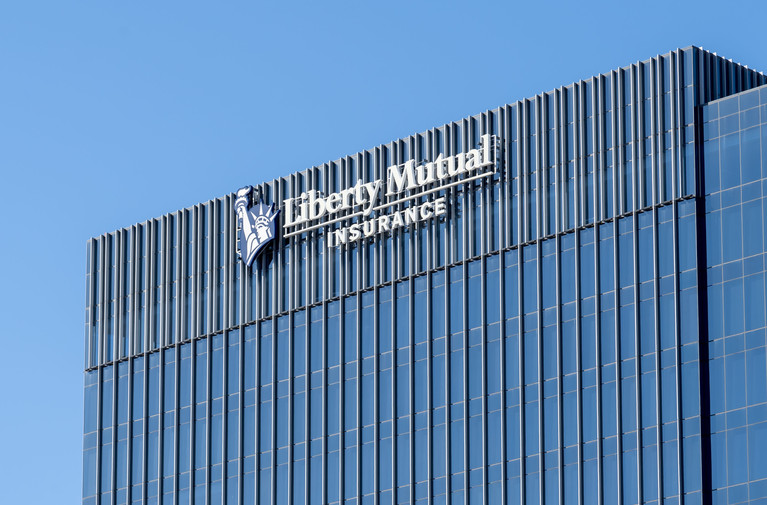
In a landmark ruling that’s set to shake up the auto insurance industry, a Massachusetts federal judge has certified a class action lawsuit against Liberty Mutual, alleging the insurer has been prematurely cutting off rental car benefits to policyholders after vehicle accidents. This decision could entitle thousands of drivers to compensation for out-of-pocket expenses, highlighting growing scrutiny over how insurers handle post-accident support.
The case, filed in the U.S. District Court for the District of Massachusetts, centers on claims that Liberty Mutual Personal Insurance Company (LMPIC) breached auto insurance policies by limiting rental car reimbursements to fewer days than promised. Lead plaintiffs Diane Watts, Anthony Watts, and Adam Pizzitola argue that LMPIC’s practices left them—and potentially thousands of others—stranded without affordable transportation while waiting for claims to resolve. On December 4, 2025, U.S. District Judge Brian E. Murphy granted certification under Federal Rule of Civil Procedure 23(b)(3), allowing the case to proceed as a damages class action, while denying 23(b)(2) injunctive relief certification.
At the heart of the dispute is LMPIC’s policy language, which typically covers rental cars for up to 30 days following a total loss or major repair. Plaintiffs contend the company systematically terminates benefits earlier—often after just 7 to 14 days—citing internal guidelines that prioritize cost savings over customer needs. Court documents reveal that Watts, a Massachusetts resident whose car was totaled in a 2023 collision, was forced to pay over $1,200 out-of-pocket for a rental after LMPIC halted coverage on day 10, despite ongoing delays in her replacement vehicle delivery. Similar stories from co-plaintiffs Pizzitola and Anthony Watts detail financial strain, including lost wages from missed work and added stress during recovery.
This isn’t an isolated grievance. Background context shows a surge in similar complaints nationwide, fueled by rising vehicle repair times—now averaging 21 days due to supply chain issues—and increasing auto insurance premiums, up 20% year-over-year according to the Insurance Information Institute. LMPIC, a subsidiary of the Boston-based Liberty Mutual Group, insures over 50 million vehicles annually, making the potential class size vast. The lawsuit seeks compensatory damages, policy clarifications, and attorney fees, with estimates suggesting exposure could exceed $100 million if settled.
Legal experts are hailing the certification as a victory for consumer rights. “This ruling underscores the judiciary’s willingness to hold large insurers accountable for uniform breaches that affect everyday Americans,” said consumer protection attorney Rachel Klein, who has litigated similar cases against State Farm and Allstate. She points to precedent like the 2024 Progressive total loss settlement in Michigan, where policyholders recovered millions for un-reimbursed fees. Klein warns that without such actions, “insurers could continue eroding the value of policies bought in good faith.”
Public reactions have been swift and vocal. On social media platforms like X (formerly Twitter), hashtags such as #LibertyMutualScam and #RentalCarRipoff have trended, with drivers sharing stories of being left “high and dry” post-accident. One viral post from a Chicago user read, “Liberty cut my rental after 8 days—had to Uber everywhere while rehabbing from whiplash. This class action better make them pay!” Reviews on consumer sites echo this frustration, with LMPIC’s rental coverage rated a dismal 2.1 out of 5 stars on Trustpilot, citing “bait-and-switch tactics.”
For U.S. readers, the implications ripple far beyond Massachusetts. Economically, this could pressure insurers to revise claims handling, potentially stabilizing premiums for the 280 million registered vehicles nationwide. Lifestyle-wise, it addresses a pain point for working families: A 2025 AAA study found that 62% of accident victims face transportation gaps, exacerbating financial hardship amid inflation. Politically, it aligns with bipartisan pushes for insurance reform, like the 2024 House bill mandating transparent rental benefit disclosures. In technology terms, emerging apps for claims tracking—integrated with telematics from companies like Geico—could empower drivers, but only if rulings like this force fairer practices.
User intent here is clear: Policyholders seek justice and reimbursement, while prospective buyers want assurance that coverage matches the fine print. LMPIC, in a statement, denied wrongdoing, asserting its decisions align with policy terms and state regulations. “We remain committed to supporting our customers during difficult times,” a spokesperson said, vowing a vigorous defense.
The certification paves the way for discovery, where plaintiffs’ attorneys will subpoena internal emails and claims data to prove the “premature termination” pattern. If successful, class members—defined as LMPIC policyholders in Massachusetts from 2019 onward who experienced shortened rentals—could receive checks averaging $500 to $2,000 each.
In summary, Judge Murphy’s decision marks a pivotal moment in holding insurers to their promises, offering hope for streamlined benefits and greater accountability. Looking ahead, expect ripple effects: More states may see copycat suits, and settlements could redefine rental coverage standards by mid-2026, benefiting drivers from coast to coast.
By Mark Smith
Follow and subscribe to us for push notifications to stay updated on the latest legal and consumer news.
class action lawsuit, rental car benefits, Liberty Mutual insurance, auto insurance breach, class certification ruling