
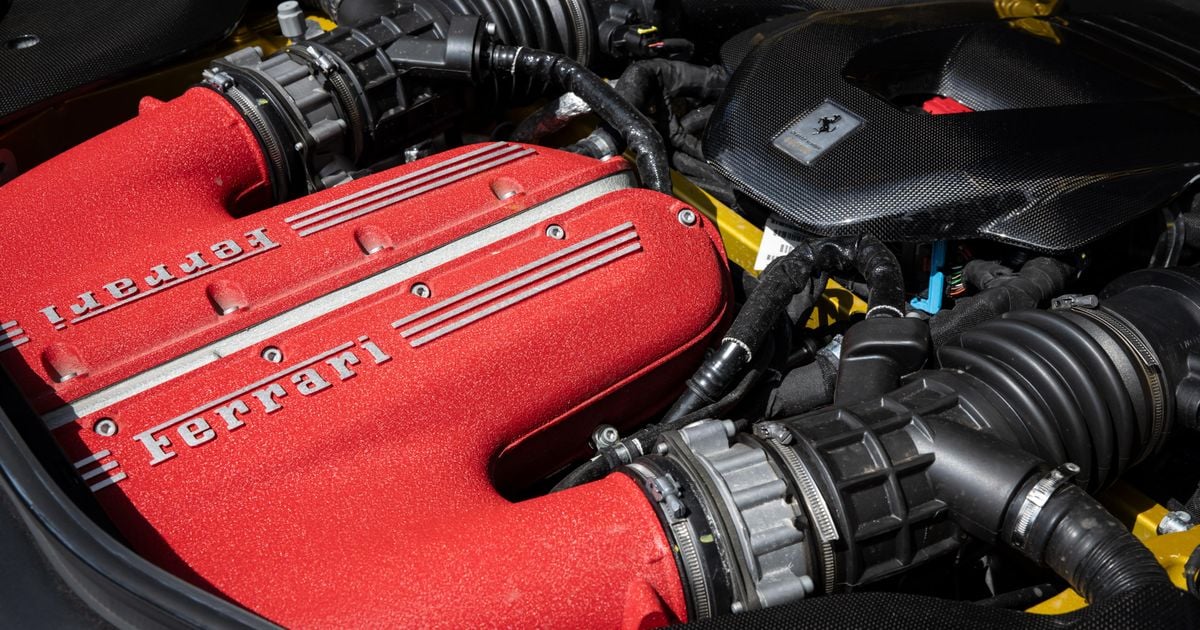
In the high-revving world of luxury autos, where the roar of a V12 can still turn heads faster than any silent spin, Ferrari’s top boss just slammed the brakes on full electric dreams. CEO Benedetto Vigna insists electric vehicles won’t replace the soul-stirring thrill of combustion engines anytime soon, keeping the iconic Prancing Horse heritage alive amid a global green shift.
Ferrari’s bold stance on electric vehicles versus combustion engines comes straight from its latest Capital Markets Day, where Vigna championed “technology neutrality.” This means no rush to ditch the gas-guzzling powerplants that define the brand’s adrenaline-fueled legacy. For U.S. car enthusiasts glued to trends like EV adoption rates and hybrid EV innovations, this news hits like a downshift on the highway—promising that the classic engine rumble isn’t fading out just yet.
The announcement unfolded in Maranello, Italy, Ferrari’s spiritual home, as the company peeled back the curtain on its first fully electric model, dubbed the Elettrica. Set for a 2026 debut, this beast boasts over 1,000 horsepower from four electric motors, hitting 0-62 mph in a blistering 2.5 seconds and topping out at 192 mph. But here’s the twist: it’s not a replacement. Vigna stressed that the Elettrica adds to the lineup, not supplants it, ensuring buyers can still chase that visceral combustion engine experience.
Digging into the details, Ferrari has recalibrated its 2030 vision. Back in 2022, the Italian icon projected EVs could claim up to 40% of sales by decade’s end. Fast-forward to now, and the mix looks like this: 40% pure internal combustion engine models, 40% hybrids, and just 20% fully electric. This pivot reflects real-world buyer vibes—affluent drivers who crave the raw emotion of a screaming V8 or V12, not just zero-emission stats. “There are still many opportunities to make internal combustion more efficient,” Vigna told analysts, nodding to synthetic e-fuels that could keep fossil-fueled Ferraris compliant with tightening regs without killing the buzz.
Background on this? Ferrari’s never been your average automaker. Founded in 1947 by Enzo Ferrari, who famously quipped he sold engines with the car as a freebie, the brand has always prioritized performance poetry over mass-market mandates. Unlike volume players like Ford or GM scrambling to meet Biden-era EV quotas, Ferrari caters to a elite crowd—about 90,000 active clients worldwide, up 20% since 2022. These folks drop $300,000-plus on rides that deliver soul, not just sustainability. The company’s under less heat from the EU’s 2035 fossil-fuel sales ban, thanks to pricey e-fuels its deep-pocketed buyers can swing.
Expert takes? Phil Dunne, a managing director at Grant Thornton Stax, sees Ferrari’s play as smart market savvy. “Demand hasn’t caught up yet, but Ferrari’s strength is offering wealthy consumers the same thrill their combustion models do today,” Dunne noted. On the flip side, JPMorgan analysts are bullish, praising Vigna’s leadership for blending innovation with execution. “We have confidence in management’s ability to capitalize on collaboration,” they wrote in a fresh note, eyeing Ferrari’s four-new-models-per-year cadence through 2030.
Public reactions? They’re revving up online. On X, formerly Twitter, gearheads are split: one viral thread hailed Vigna as a “purist hero” for preserving the “symphony of combustion,” racking up thousands of likes from U.S. track-day diehards. Others, echoing broader EV adoption debates, griped about delayed green progress—pointing to Lamborghini’s EV pushback to 2029 and Bentley’s hybrid hang-on till 2035. “Ferrari gets it: not everyone’s ready to trade roar for whisper,” one top post read, sparking 500+ replies heavy on nostalgia for hybrid EV sweet spots.
For U.S. readers, this lands with real torque. Economically, Ferrari’s Maranello magic ripples to American shores— the brand sells over 3,000 units yearly here, fueling jobs in import, sales, and aftermarket tweaks. Think Detroit’s shadow economy, but for exotics. Lifestyle-wise, it reassures road warriors from California canyons to Florida keys that their dream garage won’t force a full EV swap, dodging range anxiety on cross-country hauls. Politically? It pokes at the Inflation Reduction Act’s EV tax credits, where combustion loyalists cheer slower mandates amid 2025’s grid strain talks. Tech fans get a nod too: Ferrari’s EV tech, co-designed with ex-Apple guru Jony Ive, promises regen braking fierce enough to mimic emergency stops, blending old-school feel with new-school smarts.
User intent here screams choice—buyers searching electric cars vs combustion engines want balanced intel, not hype. Ferrari’s delivering that, letting passions dictate over policies. And in a year where hybrid EV searches spike amid charging infrastructure woes, this keeps options open without alienating eco-conscious collectors.
As Ferrari guns toward 9 billion euros in 2030 revenue, with EBITDA hitting 3.6 billion, the path forward mixes heritage punch with electric spark. Shares dipped 15% post-reveal on tempered targets, but Vigna’s vision signals stability: combustion engines endure, hybrids bridge, and EVs excite—without erasing the roar that built the legend. Looking ahead, expect the Elettrica to debut next year, proving luxury speed can hum quietly if it must, but never forget how to scream.
By Sam Michael
Follow and subscribe to us for more automotive exclusives—turn on push notifications to never miss a gear shift in the fast lane!