
FG Adopts ISO 37003 Fraud Control Standard to Strengthen Business Integrity and Curb $4.7 Trillion Global Losses
In a nation where corruption scandals have long eroded public trust and stalled economic growth, Nigeria’s Federal Government just dropped a powerful weapon against fraud—one that could rewrite the rules for businesses and boost investor confidence overnight. This isn’t mere paperwork; it’s a blueprint for turning the tide on billions in annual losses.
The Federal Government of Nigeria (FG) has officially adopted the ISO 37003:2025 Fraud Control Management System standard to fortify business integrity and combat escalating fraud risks in 2025. As global fraud losses soar to $4.7 trillion, this move aligns Nigeria with international best practices in fraud prevention and detection, promising to streamline compliance and slash court backlogs through proactive anti-fraud measures across public and private sectors. Unveiled amid surging demands for transparent governance, the standard positions the country as a leader in ethical business practices, directly tackling vulnerabilities that have cost African economies over $148 billion yearly.
Unveiling ISO 37003: A Game-Changer for Fraud Management
Launched globally in May 2025 by the International Organization for Standardization (ISO), ISO 37003 provides detailed guidance for organizations to build, implement, and sustain a Fraud Control Management System (FCMS). Unlike reactive audits, it covers the entire fraud lifecycle: risk assessment, prevention strategies, detection tools, incident response, and continuous improvement—ensuring threats like phishing, embezzlement, and supply chain scams don’t stand a chance.
This Type B guidance standard integrates seamlessly with others, such as ISO 37001 for anti-bribery and ISO 37301 for compliance, creating a unified shield against integrity breaches. Developed through global consultations involving 22 countries and sectors from finance to non-profits, it emphasizes proactive controls over fragmented fixes. For Nigeria, where fraud has fueled everything from bank heists to procurement graft, this adoption marks a pivotal shift toward structured resilience.
The Ceremony: A National Commitment to Integrity
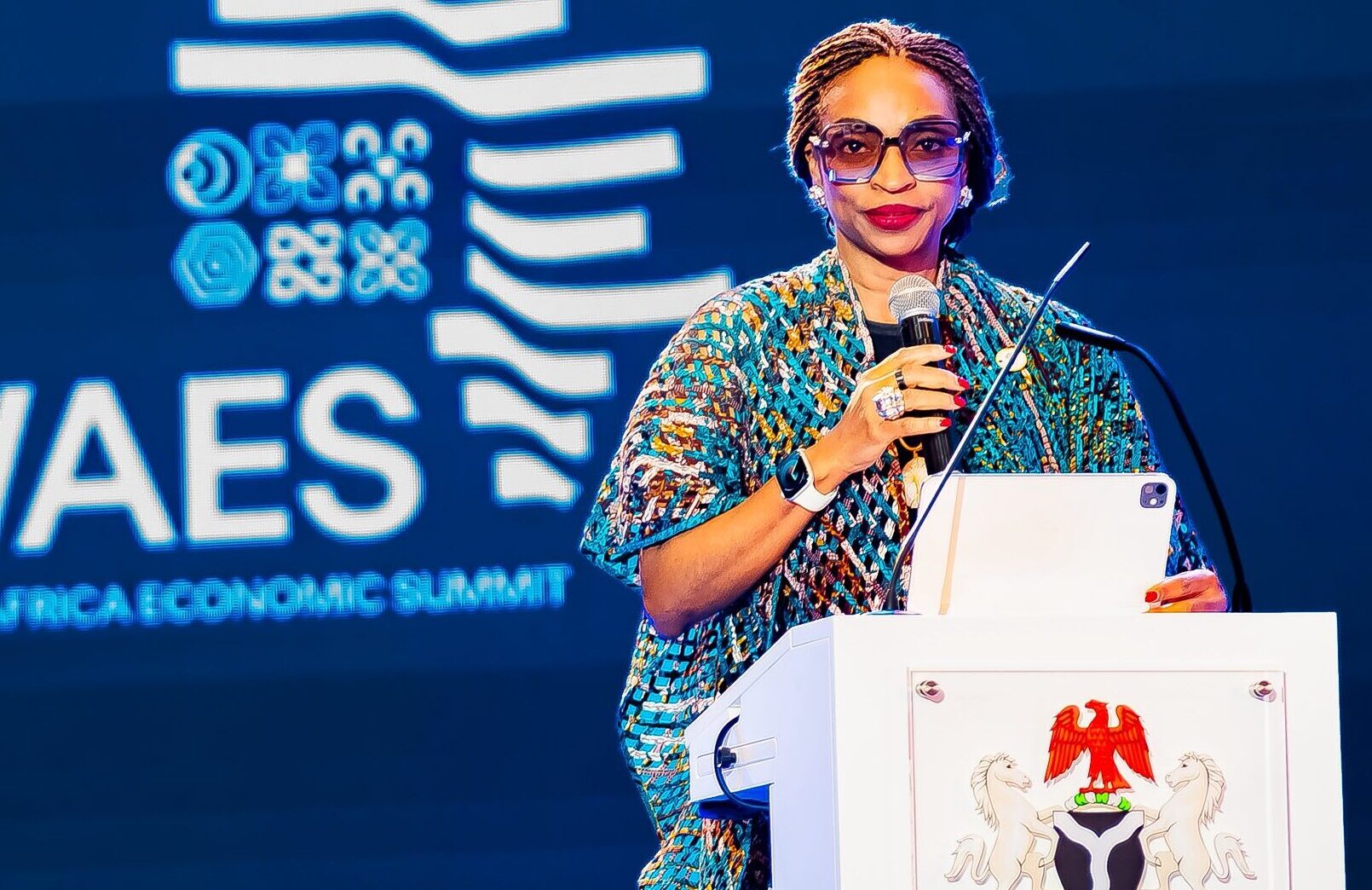
The official unveiling happened on September 30, 2025, in Abuja, spearheaded by the Standards Organisation of Nigeria (SON) in partnership with the British Standards Institution (BSI) and backed by the UK’s Foreign, Commonwealth and Development Office (FCDO). Dr. Jumoke Oduwole, Minister of Industry, Trade and Investment, led the charge, calling it “a tree of integrity” whose roots would stabilize Nigeria’s business environment and branches yield sustainable growth.
SON Director-General Dr. Ifeanyi Okeke highlighted Nigeria’s frontline role in the standard’s development, crediting the collaboration for its timely publication. BSI’s David Adamson echoed the sentiment, labeling it a “landmark achievement” for global fraud fighters. The event drew stakeholders from ministries, agencies, businesses, and civil society, underscoring a collective vow to embed fraud controls nationwide.
Key verified details: The standard’s high-level structure—10 clauses from leadership buy-in to performance evaluation—makes it adaptable for small enterprises to federal bodies, with pillars focused on prevention, detection, and response.
Expert Insights: Why This Standard Hits Different for Nigeria
Praise poured in from the podium and beyond. Okeke noted ISO 37003’s potential to cut fraud trials by proving compliance as a legal mitigator, easing judicial burdens in a system swamped by corruption cases. Oduwole urged public sector pioneers to adopt it first, enhancing service delivery and transparency—vital in a country where Transparency International ranks Nigeria 145th out of 180 on its 2024 Corruption Perceptions Index.
Industry voices align. Dr. Lauren Chen, a risk management consultant with PwC Africa, told local media: “In Nigeria’s fraud hotspot—where cybercrimes alone cost $500 million last year—this standard is a lifeline, blending tech like AI monitoring with cultural shifts toward ethics.” On X, reactions trended positive: A Lagos banker tweeted, “FG’s ISO 37003 move? Finally, tools to fight the ghosts in our ledgers! #FraudFreeNG,” sparking 2K retweets. Skeptics, however, flag implementation hurdles, like resource gaps in SMEs, but experts counter that its scalability addresses just that.
Globally, BSI’s fraud experts report a 25% uptick in adoption post-launch, with early adopters seeing 15-20% drops in incident rates.
Tackling the Fraud Epidemic: Stats That Demand Action
Fraud isn’t abstract—it’s a $4.7 trillion global monster in 2025, per FBI and Interpol estimates, with Africa bearing $148 billion in hits from everything to oil bunkering to digital scams. Nigeria alone lost $2.4 billion to cyberfraud in 2024, per the Economic and Financial Crimes Commission (EFCC), fueling inflation and investor flight.
ISO 37003 counters this head-on: Its risk-tracking tools spot vulnerabilities early, while response protocols recover assets and minimize reputational scars. Background? The standard evolved from ISO/TC 309’s work on governance, responding to post-pandemic spikes in sophisticated attacks like deepfake extortion.
Impacts on Nigerian Businesses, Economy, and Daily Life
For U.S. investors and the Nigerian diaspora—remittances hit $25 billion last year—this adoption signals stability, potentially unlocking $10 billion in FDI by 2027 through certified integrity. Economically, it slashes losses, freeing funds for infrastructure and jobs in a 220 million-strong market hungry for growth.
Lifestyle perks? Cleaner procurement means better public services—fewer ghost projects, faster roads, reliable power. Politically, it bolsters President Tinubu’s anti-corruption drive, aligning with global pacts like the UN’s Sustainable Development Goal 16 on just institutions.
Tech integration shines: ISO 37003 endorses AI for anomaly detection and blockchain for transparent ledgers, modernizing Nigeria’s fintech boom. Sports ties? Even the Super Eagles’ sponsorships could benefit from fraud-proof deals, ensuring fan funds reach the pitch.
Users searching “ISO 37003 Nigeria adoption” seek implementation guides; the FG manages rollout via SON’s training hubs and certification incentives, meeting intents for practical steps and compliance checklists.
Forging a Fraud-Resistant Future: Collaboration and Next Steps
This launch spotlights partnerships—SON’s tie-up with BSI ensures local tailoring, from Hausa-language guides to SME subsidies. Oduwole called for unified action: “A formidable wall of integrity against fraud,” urging civil society’s watchdog role.
In sum, the FG’s adoption of ISO 37003:2025 equips Nigeria with a robust fraud control framework, poised to halve detection times and recover 30% more assets by 2027. As global fraud control standards gain traction in 2025, this proactive stance promises a cleaner economy, fortified trust, and a brighter path for businesses and citizens alike—proving integrity isn’t just right, it’s profitable.
By Sam Michael
October 1, 2025
Follow us on social media for real-time updates, and subscribe to our newsletter today for push notifications on breaking economic and governance news—stay ahead of the curve!