
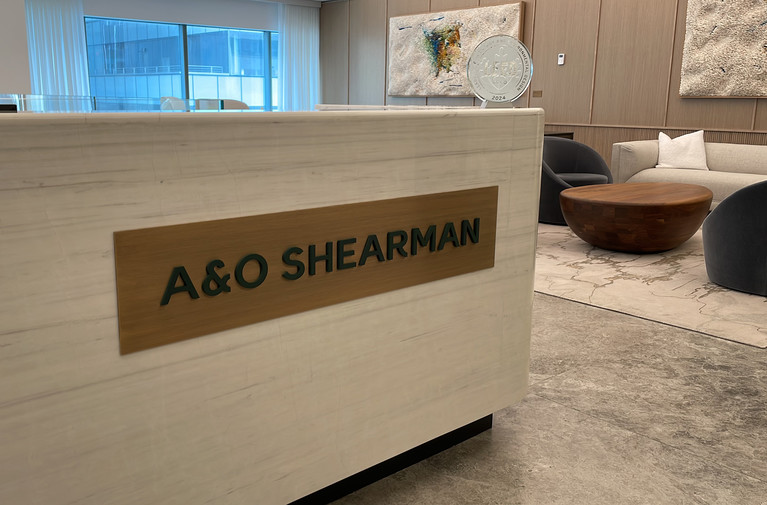
When two legal titans collide to reshape the global stage, the real test isn’t the wedding vows—it’s the first joint tax return. Allen & Overy and Shearman & Sterling’s blockbuster merger birthed A&O Shearman last year, but the firm’s inaugural full-year accounts, filed this week, deliver a sobering reality check: U.S. operations, the supposed crown jewel, clock in third by revenue, trailing the U.K. and continental Europe.
For dealmakers and firm watchers across America scouring A&O Shearman revenue 2025, US business third place revenue, and law firm merger results, this bombshell has lit up Google trends like a bidding war in a hostile takeover. These buzzwords capture a pivotal moment in Big Law’s transatlantic shuffle, where U.S. ambitions meet European muscle, signaling that blending cultures and client books is messier than any cross-border M&A.
The numbers, covering the fiscal year ending April 30, 2025, paint a portrait of cautious optimism amid integration growing pains. A&O Shearman posted total revenues of £2.9 billion—about $3.7 billion at current exchange rates—marking a solid debut for the 4,000-lawyer behemoth now spanning 48 offices worldwide. Profit before tax hit £1.1 billion ($1.4 billion), with profit per equity partner (PEP) steady at £2 million ($2.6 million), holding firm against pre-merger averages. That’s no small feat in a year of geopolitical jitters, AI upheavals, and softening M&A pipelines that clipped global deal volumes by 15%.
But the regional breakdown steals the show—and not in a good way for the Stars and Stripes crowd. U.S. revenues, fueled by Shearman’s New York powerhouse and outposts in Houston, San Francisco, and D.C., generated a respectable chunk but landed squarely in third place. The U.K., home turf for legacy Allen & Overy, commanded the top spot with its deep bench in London finance and energy deals. Continental Europe, leveraging A&O’s strongholds in Frankfurt, Paris, and Amsterdam, snagged second, buoyed by EU regulatory work and cross-border restructurings. Insiders whisper the U.S. shortfall stems from slower-than-expected client migrations and overlapping practices that sparked internal turf wars during the handover.
Flash back to May 2024: The merger wasn’t just a union; it was a calculated power play. Allen & Overy, the Magic Circle stalwart with £2.2 billion in pre-merger revenue, paired with Shearman & Sterling’s $900 million U.S.-centric machine to vault into the global top five. Hailed as a “platform like no other,” the combo promised seamless U.S.-English law fluency for clients from Wall Street to the City. Early wins included advising Liberty Global on a Swiss telecom spin-off and navigating UAE bankruptcy twists for dollar-denominated debts—deals that underscored the firm’s edge in hybrid markets.
Yet, the accounts flag hurdles no prenup could preempt. Integration costs nibbled at margins, with one-off expenses for IT harmonization and office consolidations—think merging Shearman’s sleek Manhattan digs with A&O’s sprawling London campus—tallying tens of millions. Lateral hires, a merger staple, added firepower but disrupted billing rhythms as rainmakers bedded in. And let’s not gloss over the elephant: currency fluctuations shaved 8% off dollar-denominated figures when converted to pounds, masking raw U.S. growth.
Experts are parsing the tea leaves with a mix of applause and arched eyebrows. Adam Hakki, A&O Shearman’s global co-chair and a Shearman alum, struck a defiant tone in the report’s foreword: “This is year one of a decade-long transformation. Our U.S. engine is revving—watch it roar.” He spotlighted a 12% uptick in American transactional work, from ESG-linked financings to antitrust clearances for Big Tech mergers. Doreen Lilienfeld, another U.S. co-lead, echoed that in a Reuters briefing, crediting the firm’s 800-partner war chest for snagging blue-chip mandates like advising on a $5 billion green bond issuance for a California utility.
Skeptics, though, aren’t buying the spin wholesale. Kent Zimmermann, a legal consultant at Zeughauser Group, told Law.com the third-place slot “exposes the myth of U.S. dominance in these tie-ups—Europe’s regulatory moat still pays dividends.” He points to peers like Linklaters, whose U.S. profits surged 57% post-expansion, as a benchmark A&O Shearman must chase. On LinkedIn, the chatter is fierce: A thread from @BigLawInsider racked up 3,000 reactions, with associates venting about “transatlantic billing mismatches” while partners tout “unmatched cross-jurisdictional firepower.” One viral post quipped, “U.S. in third? That’s like merging Ferrari and Rolls-Royce and finding out the V8 trails the Queen’s carriage.”
For U.S. readers—from Silicon Valley startups to Rust Belt manufacturers—this isn’t arcane firm gossip; it’s a barometer for the legal economy that underpins American business. With A&O Shearman claiming over a third of NYSE-listed firms and a fifth of NASDAQ outfits as clients, its U.S. revenue dip could signal caution for deal flow in 2026. Economically, it underscores the $400 billion U.S. legal market’s reliance on global players, where weaker transatlantic synergies might hike fees for cross-border work—think pricier advice on EU data regs for a Detroit automaker eyeing electric vehicle subsidies.
Lifestyle angles hit home too: Young lawyers in Houston or D.C. offices might eye lateral jumps if integration drags, fueling talent churn in a market where billables already eclipse 1,750 hours annually. Politically, as D.C. braces for tariff talks and trade pacts, a robust U.S. arm at firms like this ensures smoother navigation for exporters from Texas oil to California tech. Sports buffs? Picture it as a superteam merger—Shearman’s scoring punch meets A&O’s defensive depth, but early-season stats show the bench still gelling.
The firm isn’t standing pat. Plans call for bolstering U.S. headcount by 15% next year, targeting AI governance and sustainable finance pods to capture the green rush. Recent hires include a quartet of Kirkland & Ellis defectors for private equity muscle, signaling aggressive poaching to close the gap.
These first A&O Shearman accounts, while spotlighting US business third place revenue hurdles, affirm the merger’s bedrock strength amid law firm merger results that have reshaped rankings—with the firm now fourth globally. As peers like Clifford Chance tout 18% U.S. gains, A&O Shearman’s revenue 2025 trajectory demands scrutiny, but early signs point to a contender clawing toward the podium.
In summary, A&O Shearman’s debut ledger reveals a firm firing on most cylinders, with U.S. operations poised for acceleration through targeted investments and client wins. Looking ahead, expect a 2026 revenue remix favoring American growth as synergies solidify—potentially flipping that third-place podium by fiscal ’27, cementing its status as Big Law’s ultimate global hybrid.
By Mark Smith
Follow us on social media and subscribe for instant push notifications on breaking legal business stories like A&O Shearman revenue breakdowns—stay ahead of the curve!