
First-ever superkilonova discovery has astronomers buzzing this Christmas 2025, with a bizarre star explosion blending supernova and kilonova traits in a never-before-seen hybrid event. As trending searches for superkilonova 2025, AT2025ulz explosion, neutron star merger supernova, kilonova discovery, and gravitational waves star explosion surge amid holiday stargazing vibes, the potential breakthrough could rewrite how we understand heavy element creation in the universe.
Imagine a massive star dying in a spectacular supernova – but instead of leaving one neutron star, it births two tiny ones that immediately spiral and smash together in a kilonova. That’s the mind-blowing hypothesis for event AT2025ulz, detected 1.3 billion light-years away.
It started on August 18, 2025, when LIGO-Virgo detectors caught gravitational waves from a neutron star merger-like signal, with at least one object unusually light (sub-solar mass). Hours later, Caltech’s Zwicky Transient Facility spotted a fast-fading red glow, mirroring the 2017 kilonova GW170817 – the only confirmed one, famous for forging gold and uranium.


But days in, the light brightened, turned blue, and showed hydrogen – classic supernova signs. Many dismissed it as unrelated, but Caltech’s Mansi Kasliwal and team persisted. Their analysis suggests a “superkilonova”: A rapidly spinning massive star explodes in a supernova, splitting (via fission) or fragmenting debris into two low-mass neutron stars. These merge almost instantly, producing the kilonova obscured by supernova debris.
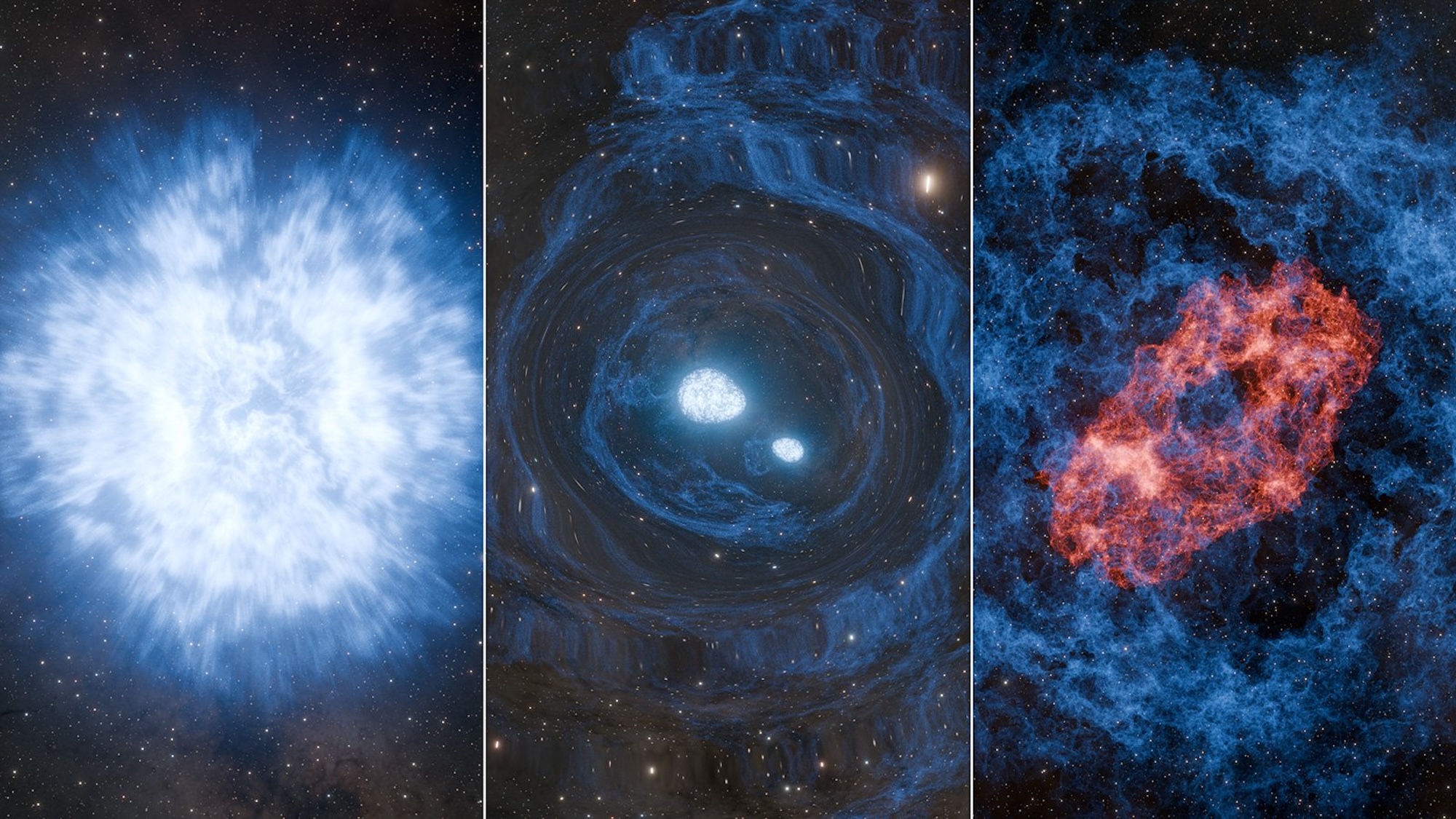
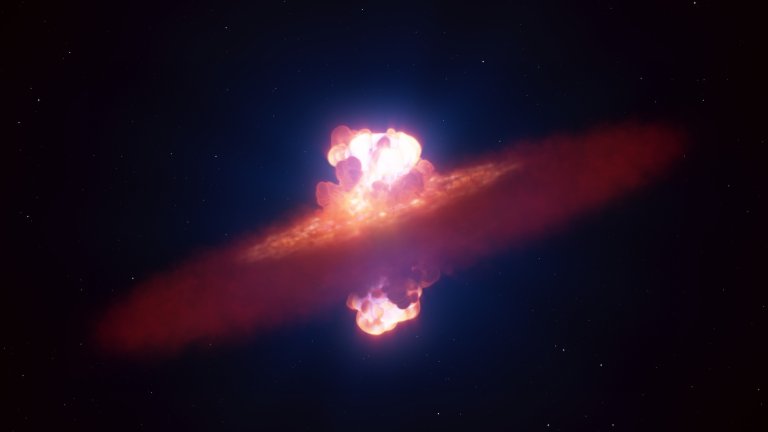
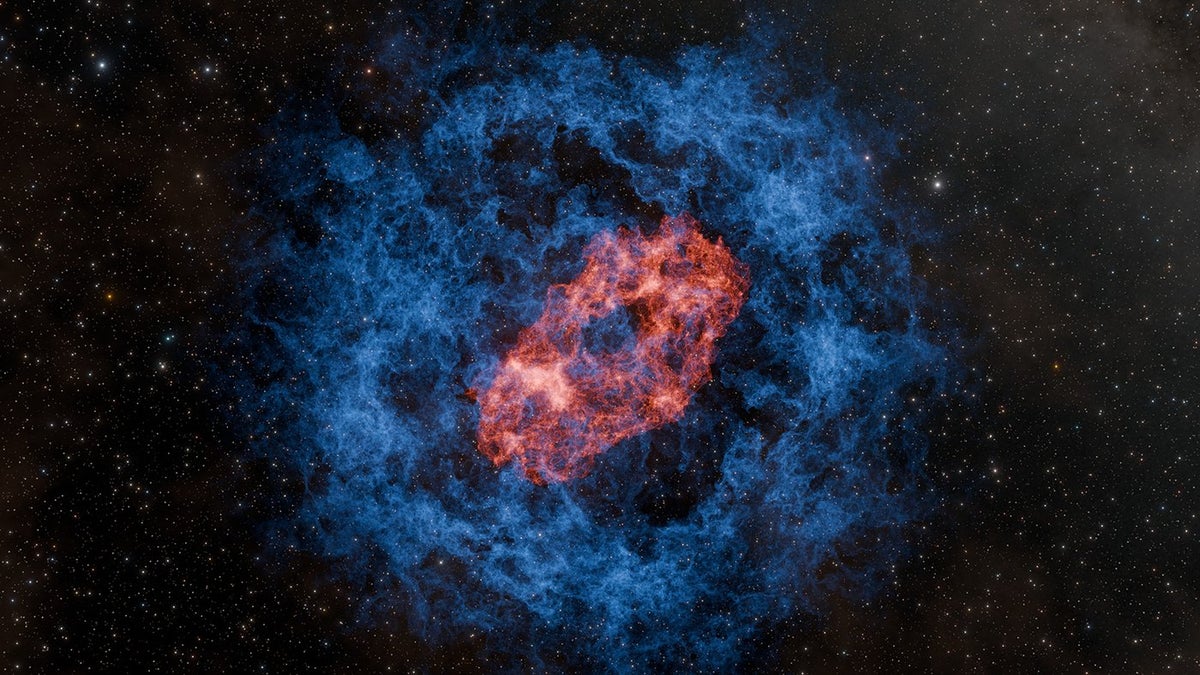
Theorists like Brian Metzger note this could explain rare sub-solar neutron stars and heavy metal origins. Published in The Astrophysical Journal Letters, the study cautions it’s not confirmed – coincidence or alternative explanations possible – but “eye-opening.”
Expert opinions pour in: Kasliwal calls it a reminder future kilonovae might hide in supernovae. Others praise the multi-messenger approach (gravitational waves + light) advancing astronomy.
Public reactions? Social media erupts with awe – “Universe keeps surprising us!” threads rack views, memes compare it to cosmic fireworks. Stargazers share telescope tips, tying into holiday wonder.
For U.S. readers, this fuels science excitement amid NASA/ESA advances. Tech-wise, improved LIGO sensitivity and telescopes like James Webb promise more detections. Lifestyle? It sparks curiosity in space apps and documentaries. Scientifically, confirming superkilonovae could explain gold/platinum abundance, impacting astrophysics and even economics (element origins).
As teams hunt similar events, AT2025ulz highlights the universe’s endless mysteries – a double explosion seeding elements that build worlds, including ours.
This potential discovery underscores rapid progress in multi-messenger astronomy, paving the way for deeper insights into stellar deaths and cosmic chemistry in the coming years.
By Mark Smith
Follow us on X @realnewshubs and subscribe for push notifications to stay locked on every superkilonova discovery development!