
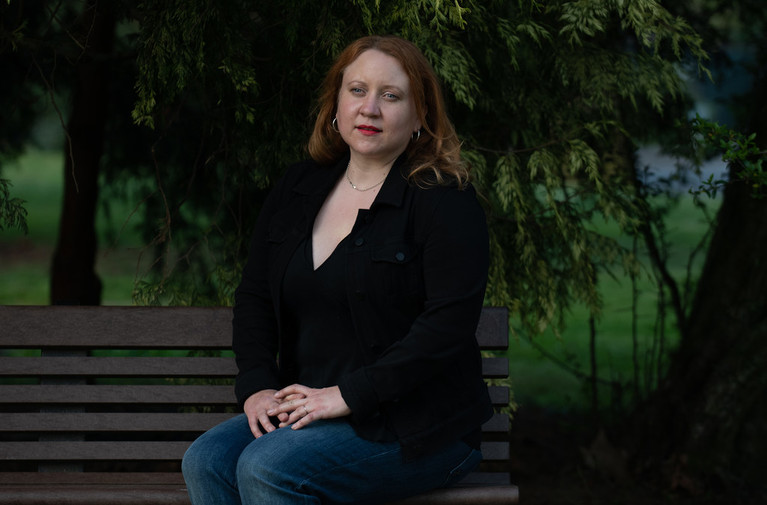
Ex-Google AI Ethicist Margaret Mitchell’s Wake-Up Call: ‘To Stay Independent in AI Ethics, Ditch Big Tech Altogether’
In the relentless churn of Silicon Valley’s innovation machine, where AI promises utopia but delivers dilemmas, a trailblazing voice just issued a mic-drop reality check. Margaret Mitchell, the computer scientist who co-founded Google’s Ethical AI Team, warns that true independence in AI ethics demands walking away from corporate giants—before the company line blurs your moral compass.
Mitchell’s bold declaration—”If you want to be an independent voice, you can’t work for a tech company”—landed like a thunderclap during a recent webinar at Berkeley School of Law, spotlighting the treacherous tightrope AI ethicists tread in boardrooms. As debates rage over AI ethics, responsible AI, AI bias, transparency in AI, and AI governance, her words cut through the noise, echoing the frustrations of a field born from necessity but shackled by profit motives. Now at Hugging Face, where she champions human-centered AI from Seattle, Mitchell reflects on her seven-year stint at Google, where she co-led efforts to infuse fairness into machine learning systems. Admitted to the role in 2015 after stints at Microsoft Research and the University of Aberdeen, she dove into probing algorithmic bias—those sneaky flaws that amplify societal prejudices in code.
Her Google saga, however, turned turbulent. In late 2020, amid a storm of internal scrutiny, Mitchell was abruptly fired alongside colleague Timnit Gebru, sparking outrage over Big Tech’s intolerance for dissent. The fallout? A viral reckoning that thrust AI ethics into headlines, with Mitchell’s ouster symbolizing how tech behemoths prioritize speed over scrutiny. “I think it becomes hard over time to separate what you believe as a person with what makes things easier for your company,” she elaborated in the webinar, painting a vivid picture of ethical erosion. This isn’t abstract philosophy; it’s the daily grind where pushing for bias audits or transparency reports clashes with quarterly earnings calls.
Mitchell’s pivot to Hugging Face—a collaborative AI hub—marks her embrace of nonprofit agility over corporate constraints. There, as a key figure advancing AI informed by human values, she’s co-authored over 50 papers on fairness in natural language processing and generative models, influencing open-source tools that millions of developers tweak daily. Her work at the Berkman Klein Center for Internet & Society further cements her as a global gadfly, guest-speaking at venues like the Alan Turing Institute on the perils of unchecked AI. Experts hail her as a pioneer: In a 2024 Ideastream interview, she dissected AI’s “promise and peril,” urging regulators to mandate ethical guardrails before biases bake into everything from hiring algorithms to loan approvals.
Public reactions have been fierce and divided, lighting up X and LinkedIn since the webinar. Corporate Counsel’s post sharing Mitchell’s quote racked up thousands of engagements, with users venting: One tech insider tweeted, “She’s spot on—I’ve muted my own warnings to keep the paycheck flowing,” while a skeptic countered, “Ethics teams are PR ploys anyway; real change starts in the C-suite.” Law.com’s thread drew nods from legal eagles, amplifying calls for whistleblower protections in AI. This buzz ties into 2025’s AI ethics trends, where responsible AI frameworks face scrutiny amid scandals like biased facial recognition tech disproportionately flagging minorities.
For U.S. readers, Mitchell’s manifesto hits at the heart of our tech-saturated lives. Economically, with AI projected to add $15.7 trillion to global GDP by 2030—much of it stateside—her caution flags risks to innovation if ethics get sidelined, potentially inflating litigation costs for firms ignoring bias. Lifestyle-wise, as chatbots and smart assistants weave into daily routines, unchecked AI bias could perpetuate inequalities in healthcare or job markets, eroding trust in tools we rely on. Politically, it fuels the push for federal oversight, like the Biden-era AI Bill of Rights, urging Congress to enforce transparency in AI governance amid 2025’s election-year fervor over deepfakes and data privacy.
User intent here skews toward career navigation for aspiring AI pros: Searches for “AI ethics jobs” spike as grads weigh lucrative Big Tech offers against moral minefields. Mitchell’s advice? Build independence early—volunteer for ethics audits, network in academia, and question the status quo. “Minimally, if you say the wrong thing, you’re out,” she quipped, a sobering nod to Gebru’s parallel exit and the field’s high turnover. For managers, it’s a management masterclass: Foster open dialogue or risk talent flight, as seen in Google’s post-firing brain drain.
Mitchell’s journey—from co-founding a groundbreaking team to testifying before lawmakers—exemplifies resilience in a field where 2025 forecasts predict deeper dives into AI bias mitigation and responsible AI deployment. Yet her core thesis endures: Corporate loyalty often mutes the messengers needed most.
As AI ethics, responsible AI, AI bias, transparency in AI, and AI governance dominate 2025 boardrooms and ballots, Mitchell’s clarion call could redefine the talent wars, coaxing more voices from the shadows of Silicon Valley into the light of unfiltered advocacy. With regulatory tsunamis on the horizon—like the EU’s AI Act rippling across the Atlantic—her blueprint for independence might just safeguard the tech we can’t live without.
By Sam Michael
Follow us and subscribe for push notifications to stay ahead on breaking AI news and ethics insights—your guide through the code conundrums.