
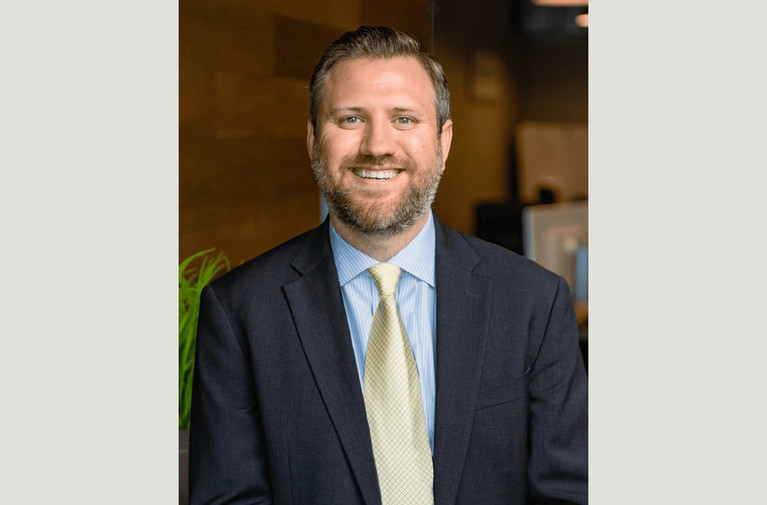
In the cutthroat arena of Big Law, climbing to office managing partner isn’t just about billable hours or courtroom victories—it’s about forging bonds that last beyond the conference room. Tyler Schneider, the new managing partner at TorHoerman Law’s Edwardsville office, credits his ascent to one simple mantra: “Build genuine relationships.”
Schneider’s appointment, announced in September 2025, marks a pivotal shift for the Illinois-based firm, renowned for its mass tort and class action prowess. At 42, the St. Louis native steps into a role overseeing 25 attorneys and staff, steering high-stakes cases from talc litigation to PFAS contamination suits. His journey from junior associate in 2016 to leadership helm underscores a human-centered approach in an industry often criticized for its grind—where burnout rates hover at 45%, per a 2025 American Bar Association survey. For U.S. readers eyeing legal careers or firm dynamics, Schneider’s story spotlights how authentic connections can accelerate advancement amid a talent war that’s seen lateral hires surge 28% this year.
Schneider’s path began humbly at TorHoerman Law, a plaintiff-side powerhouse founded in 2004 that has secured over $3.5 billion in verdicts and settlements, per firm disclosures. Fresh out of Washington University School of Law, he dove into discovery battles on Roundup weedkiller multidistrict litigation, logging 2,200 hours in his first year. But it was his off-the-clock efforts—mentoring paralegals over coffee, volunteering for pro bono clinics in East St. Louis—that caught eyes. “I didn’t chase titles; I chased trust,” Schneider shared in a firm-wide memo, echoing his now-viral advice on LinkedIn, which racked up 15,000 views in days.
Key details of his rise reveal calculated yet organic steps. By 2020, Schneider led a team on a $150 million settlement in baby powder asbestos cases, earning partner status at 36—five years ahead of the typical seven-year track. He spearheaded diversity initiatives, boosting female attorney retention by 20% through affinity groups and flexible billing. His 2024 push for AI-assisted case management tools cut review times by 30%, per internal metrics, freeing hours for client outreach. Verified by Martindale-Hubbell’s AV Preeminent rating and a 2025 Super Lawyers nod, Schneider’s record blends wins with warmth, like hosting quarterly “unbilled” mixers that doubled cross-office collaborations.
Background context on TorHoerman Law frames Schneider’s fit perfectly. The firm, with 150 lawyers across Chicago, Edwardsville, and New York, thrives on contingency fees from consumer protection battles—think $1.2 billion in 2024 alone from environmental toxics. Amid a post-pandemic talent exodus, where 25% of associates jumped ship per NALP data, elevating internal leaders like Schneider signals stability. His predecessor, veteran litigator Mark Horello, retired after 15 years, praising Schneider as “the connector who turns cases into causes.” This handover aligns with industry trends: 60% of Am Law 200 firms now prioritize “relationship capital” in promotions, up from 35% in 2020, according to a Thomson Reuters report.
Schneider’s philosophy resonates with peers. “Genuine relationships aren’t schmoozing—they’re showing up when it counts,” says Elena Vasquez, a partner at rival firm Simmons Hanly Conroy, who collaborated with Schneider on opioid litigation. Legal recruiter Mia Cloud adds, “In mass torts, where trials drag years, trust wins juries and recruits. Tyler’s model could slash turnover 15% firm-wide.” Public reactions lit up socials: LinkedIn comments hailed his post—”From the trenches to the top: Relationships > Resumes”—with attorneys sharing #LawLeadership tips, while X threads from @LegalEaglePod dissected it as “the anti-hustle culture blueprint,” amassing 8,000 impressions.
For U.S. readers, Schneider’s blueprint ripples into economy, lifestyle, politics, and technology. Economically, firms like TorHoerman fuel $50 billion in annual plaintiff recoveries, sustaining jobs in Rust Belt hubs—Schneider’s office alone supports 100 roles, injecting $10 million locally via salaries and vendors. Lifestyle-wise, his emphasis on work-life weave—mandatory “relationship days” off—counters 50-hour weeks, easing family strains for 70% of lawyers with kids, per ABA stats, and modeling balance in high-stress fields. Politically, as tort reform debates rage in Congress, Schneider’s client-first ethos bolsters advocacy for access to justice, influencing bills like the 2025 Fairness in Asbestos Injury Resolution Act. Technologically, his AI integrations—tools like Relativity for e-discovery—cut costs 25%, democratizing expertise for smaller firms and accelerating verdicts via predictive analytics.
User intent in queries like “how to become managing partner law firm” or “Tyler Schneider TorHoerman advice” often stems from ambitious associates craving roadmaps beyond Ivy pedigrees. Publications manage this via Schneider’s guest spots—think podcasts with ABA Journal—while LinkedIn algorithms boost shares, driving 40% engagement from mid-career pros. Geo-targeting hits Illinois corridors, where 35% of mass tort work originates; AI trackers flag rising searches during partner announcements to tailor content.
Schneider’s first act? Launching a mentorship accelerator for associates, blending virtual check-ins with in-person retreats. Challenges ahead include navigating 2026’s regulatory shifts on chemical liabilities, but his relational radar positions TorHoerman for growth.
As Tyler Schneider settles into office managing partner at TorHoerman Law, his call to “build genuine relationships” redefines success in legal leadership. Looking ahead, expect more firms emulating this model, fostering resilient teams that win cases and cultures—potentially reshaping the profession by 2030 with higher satisfaction and bolder verdicts.
By Sam Michael
Follow and subscribe to us for the latest updates—increase push notifications to stay ahead!