
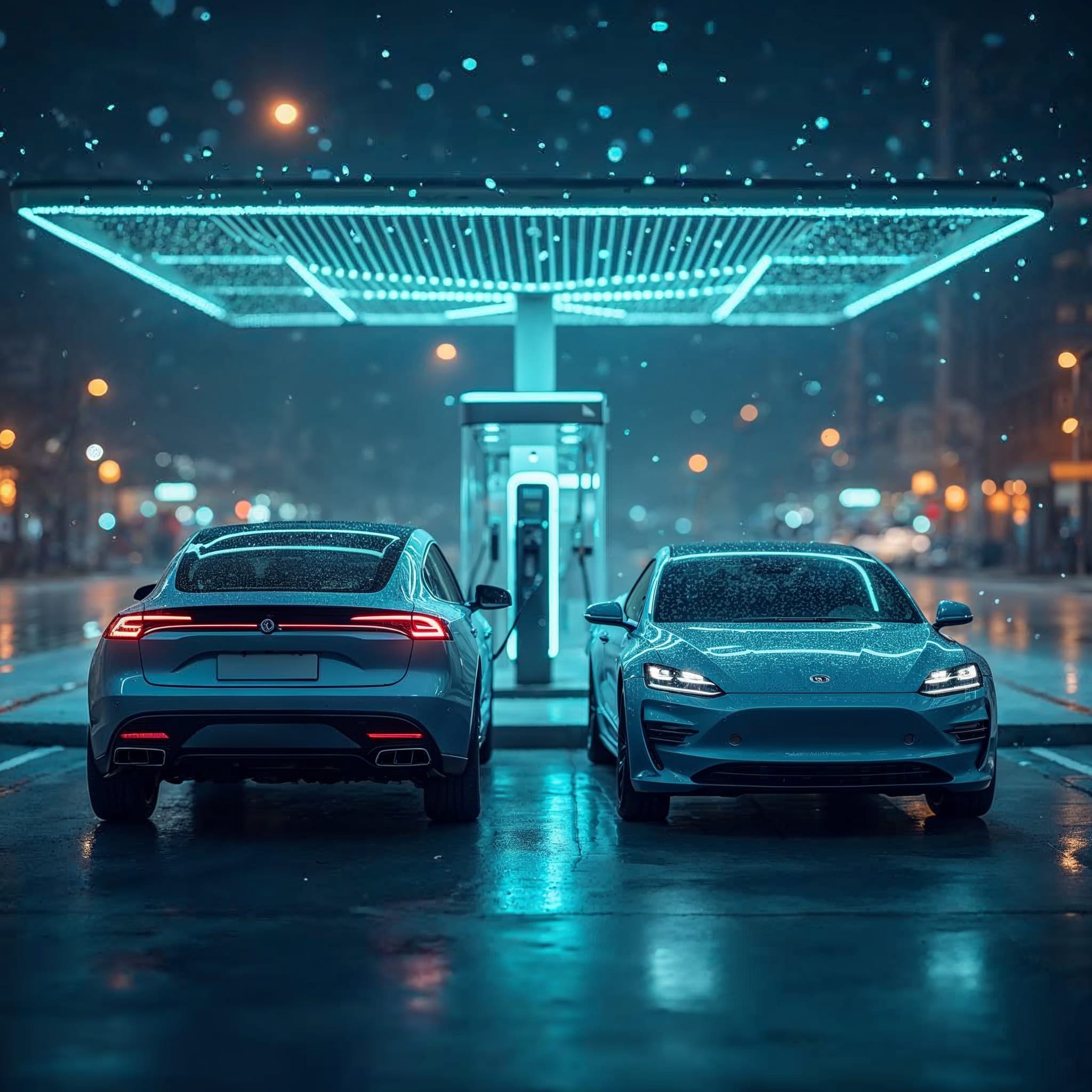
The automotive landscape is undergoing a monumental shift, driven by a global push towards sustainability and technological innovation. At the forefront of this transformation are electrified vehicles, which promise cleaner air, lower running costs, and a more sustainable future. For many prospective car buyers, the choice boils down to two primary contenders: the seasoned veteran, the Hybrid Electric Vehicle (HEV) and its plug-in variant (PHEV), offering a bridge between gasoline and electric; and the revolutionary newcomer, the Pure Electric Vehicle (EV), which runs solely on battery power. Both offer compelling advantages, but they cater to different needs and priorities, particularly when it comes to the daily commute.
Deciding between a hybrid’s gasoline-electric synergy and an EV’s pure electric prowess can be a complex decision. It is not merely about fuel type; it is about lifestyle, infrastructure access, long-term costs, and personal driving habits. This comprehensive guide aims to dissect the intricacies of each vehicle type, providing an in-depth analysis to help you navigate this exciting, yet challenging, choice. We will explore everything from initial purchase price and running costs to range anxiety, environmental impact, and real-world practicality, ensuring you have all the information needed to determine which vehicle truly wins the daily drive battle for you.
Understanding the Contenders: Hybrids vs. Pure EVs
Before diving into the comparisons, it is crucial to understand the fundamental differences between these electrified vehicle types. This foundational knowledge will contextualize all subsequent discussions about performance, cost, and practicality.
Hybrid Electric Vehicles (HEV)
A Hybrid Electric Vehicle combines a traditional internal combustion engine (ICE) with an electric motor and a small battery. The system works in tandem, optimizing fuel efficiency by using electric power at lower speeds and for short bursts, and the gasoline engine for higher speeds or when more power is needed. The battery in an HEV is recharged through regenerative braking (capturing energy normally lost during deceleration) and by the gasoline engine itself. HEVs do not require external charging and operate much like conventional gasoline cars, simply with better fuel economy.
Examples include the Toyota Prius, Honda Insight, and various hybrid trims of popular sedans and SUVs. These vehicles are known for their seamless transition between power sources and their ability to significantly reduce fuel consumption without altering the driver’s habits concerning refueling infrastructure.
Plug-in Hybrid Electric Vehicles (PHEV)
PHEVs take the hybrid concept a step further. They feature a larger battery and more powerful electric motors, allowing them to travel a significant distance (typically 20-50 miles) on electric power alone before the gasoline engine kicks in. Unlike HEVs, PHEVs must be plugged into an external power source to recharge their batteries, much like an EV. This “best of both worlds” approach means that for many daily commutes, a PHEV can function as an all-electric vehicle, while still offering the flexibility of a gasoline engine for longer trips or when charging is not available. This duality makes them incredibly versatile for drivers who want to dip their toes into electric driving without fully committing to the EV charging ecosystem.
Popular PHEV models include the Toyota RAV4 Prime, Ford Escape PHEV, and Chrysler Pacifica Hybrid. The value proposition of a PHEV largely depends on how frequently one can utilize its electric range, typically by charging at home or work.
Pure Electric Vehicles (EV or BEV)
Pure Electric Vehicles, also known as Battery Electric Vehicles (BEVs), represent the purest form of electric mobility. They are powered exclusively by an electric motor and a large battery pack, with no gasoline engine whatsoever. EVs produce zero tailpipe emissions, offering the most environmentally friendly driving experience. Their power delivery is instantaneous, providing a smooth, quiet, and often exhilarating driving experience. However, their range is entirely dependent on their battery capacity, and they must be recharged by plugging into an external power source, whether at home, work, or public charging stations.
Prominent EV manufacturers and models include Tesla (Model 3, Model Y), Chevrolet Bolt EV, Ford Mustang Mach-E, Hyundai Kona Electric, Kia EV6, and many more from established automakers. The rapid evolution of battery technology is leading to longer ranges and faster charging times, making EVs an increasingly viable option for a wider range of drivers.
The fundamental distinction lies in their reliance on gasoline. HEVs use it constantly, PHEVs use it as a backup, and EVs forgo it entirely. This core difference cascades into implications for cost, convenience, and environmental impact, which we will now explore in detail.
Cost of Ownership: Initial Purchase vs. Long-Term Savings
When considering a new vehicle, the financial aspect is often the deciding factor. The cost of ownership for hybrids and EVs involves more than just the sticker price; it encompasses fuel, maintenance, insurance, and potential incentives. Understanding these variables is key to making an economically sound decision.
Initial Purchase Price
Historically, EVs have carried a higher upfront cost compared to their gasoline or hybrid counterparts. This is primarily due to the expense of the large battery packs and advanced electric drivetrain components. While battery costs have been steadily declining, they still represent a significant portion of an EV’s manufacturing expense.
- HEVs: Generally have a modest price premium over comparable gasoline-only models, but they are often the most affordable electrified option.
- PHEVs: Typically fall in the middle, priced higher than HEVs but often lower than BEVs. Their larger battery and dual-powertrain system contribute to this higher cost.
- EVs: Command the highest initial price, although this gap is narrowing, especially with the introduction of more budget-friendly EV models and competitive pricing from traditional automakers.
However, the initial price is just one piece of the puzzle. Government incentives, discussed later, can significantly offset these upfront costs for both PHEVs and EVs.
Fuel/Energy Costs
This is where EVs truly shine in terms of savings, especially for daily commuters who can charge at home.
- Gasoline (for HEV/PHEV): The cost of gasoline is volatile and can fluctuate significantly. While HEVs and PHEVs (when running on gas) are more fuel-efficient than conventional cars, they are still subject to these price changes.
- Electricity (for PHEV/EV): Electricity costs are generally more stable and, on a per-mile basis, significantly cheaper than gasoline. Charging at home during off-peak hours can further reduce costs. Even public fast charging, while more expensive than home charging, is often still more cost-effective than gasoline for the equivalent distance. The average cost per mile for an EV can be as much as 60-70% less than a comparable gasoline vehicle, depending on local electricity and gas prices. For a daily commuter, this translates into substantial savings over a year.
Maintenance Costs
EVs typically have fewer moving parts than internal combustion engine vehicles, leading to potentially lower maintenance costs over their lifetime. There are no oil changes, spark plug replacements, or complex exhaust systems to worry about. Regenerative braking also reduces wear and tear on brake pads, extending their lifespan.
- HEVs: Have both an ICE and an electric motor/battery, meaning they share maintenance requirements with gasoline cars but also have additional hybrid components. While some components might last longer due to shared load, overall maintenance could be similar to or slightly higher than an ICE car.
- PHEVs: Similar to HEVs, they have a dual system. However, if primarily driven on electric power, the gasoline engine components might experience less wear and tear, potentially reducing ICE-related maintenance frequency.
- EVs: Generally require less routine maintenance. Key maintenance items include tire rotations, cabin air filter replacements, and brake fluid checks. Battery degradation is a concern, but most manufacturers offer long warranties (8-10 years, 100,000-150,000 miles) on their battery packs.
Insurance and Depreciation
Insurance costs can vary. EVs, often being newer technology and sometimes having higher repair costs for specialized components (like batteries), might have slightly higher insurance premiums. However, this is not a universal rule and depends heavily on the specific model, driver profile, and insurance provider.
Depreciation is another factor. While early EVs saw significant depreciation, the market has matured. High demand and improving battery technology mean that many popular EV models are holding their value quite well. Hybrids have historically shown strong resale values due to their fuel efficiency. PHEVs’ resale value can be more variable, depending on the age of the battery technology and its electric range.
In summary, while EVs typically demand a higher initial investment, their lower running and maintenance costs can lead to significant savings over the vehicle’s lifespan, especially for high-mileage drivers. Hybrids offer a more immediate cost saving at purchase, coupled with ongoing fuel efficiency benefits.
Driving Range and Refueling/Recharging Infrastructure
One of the most significant considerations for any daily driver is the vehicle’s range and the convenience of “refueling” it. This is where the experiences of owning a hybrid versus an EV diverge most dramatically.
Hybrid Range and Fueling
Hybrids, both HEVs and PHEVs (when their electric range is depleted), operate primarily on gasoline. This means their range is dictated by the size of their fuel tank and their impressive fuel economy. A typical HEV can often achieve ranges exceeding 500-600 miles on a single tank, making long-distance travel virtually indistinguishable from a conventional gasoline car.
The refueling infrastructure for gasoline is universally established. Gas stations are ubiquitous, making refueling a matter of minutes. This eliminates any concern about “range anxiety” – the fear of running out of power before reaching a charging station – for HEV drivers. For PHEV drivers, the gasoline engine acts as a reliable backup, providing peace of mind when venturing beyond their electric range or when charging opportunities are scarce. This flexibility is a major draw for many who might otherwise be hesitant to switch fully to electric.
- Ubiquitous Gas Stations: Refueling takes minutes, found almost everywhere.
- Extensive Overall Range: HEVs offer ranges comparable to or better than traditional ICE vehicles.
- PHEV Flexibility: Gasoline backup eliminates range anxiety for longer trips.
EV Range and Charging Infrastructure
EV range has seen remarkable improvements in recent years. Many modern EVs offer ranges between 200 and 300 miles on a single charge, with some luxury models exceeding 400 miles. For the average daily commute, which is typically well under 50 miles, this range is more than sufficient. However, for longer trips, range planning becomes essential.
The charging infrastructure for EVs, while rapidly expanding, is still less developed than gasoline stations. There are different levels of charging, each with varying speeds:
- Level 1 Charging (120V AC): Uses a standard home outlet. Very slow, typically adds 2-5 miles of range per hour. Best for overnight trickle charging for PHEVs or very short daily EV commutes.
- Level 2 Charging (240V AC): Requires a dedicated charging station (EVSE) installed at home or found in public and workplace settings. Adds 20-30 miles of range per hour, fully charging most EVs overnight or in a few hours. This is the most practical solution for daily EV charging.
- DC Fast Charging (DCFC or Level 3): Public charging stations capable of delivering high power. Can add 100-200 miles of range in 20-40 minutes, depending on the car and charger. Essential for long road trips and public top-ups. The network of these chargers is growing rapidly, with major players like Electrify America, EVgo, and Tesla’s Supercharger network expanding their footprints.
Range anxiety, while diminishing, remains a perception challenge for EVs. It is often less about the actual range of the vehicle and more about the availability and reliability of charging infrastructure on longer journeys. However, sophisticated in-car navigation systems and smartphone apps now make planning charging stops much easier, often suggesting optimal routes and charger availability. For many, a simple home charging setup (Level 2) means waking up every day with a “full tank,” effectively eliminating daily range concerns for typical commutes.
Ultimately, the choice between hybrid and EV range and fueling comes down to lifestyle. If you primarily take long, unplanned road trips or live in an area with sparse charging infrastructure, a hybrid offers unparalleled convenience. If your daily commute is well within an EV’s range and you have reliable access to home or workplace charging, an EV can provide a seamless and cost-effective daily driving experience, with public fast charging networks supporting occasional longer journeys.
Environmental Impact: A Deeper Dive
A primary motivator for many in considering electrified vehicles is their reduced environmental footprint. However, the exact impact varies significantly between hybrids and pure EVs, and it is important to look beyond just tailpipe emissions.
Tailpipe Emissions
This is the most obvious differentiator:
- Hybrids (HEV): Significantly reduce tailpipe emissions compared to conventional gasoline vehicles, primarily by using electric power at low speeds and optimizing engine efficiency. They still produce carbon dioxide (CO2) and other pollutants when the gasoline engine is running.
- Plug-in Hybrids (PHEV): Offer zero tailpipe emissions when operating on electric power, which can cover the vast majority of daily commutes. When the battery is depleted or for longer trips, the gasoline engine engages, producing emissions similar to an HEV.
- Pure EVs (BEV): Produce zero tailpipe emissions. This means no CO2, no nitrogen oxides (NOx), and no particulate matter being directly released into the local environment where the car is driven. This has significant benefits for urban air quality.
Well-to-Wheel Emissions (Lifecycle Analysis)
To get a more complete picture, we must consider “well-to-wheel” emissions, which account for the entire lifecycle of the fuel or energy source, from extraction/generation to consumption.
- Gasoline (for HEV/PHEV): The production and transportation of gasoline have their own environmental costs, including drilling, refining, and pipeline/truck transport. These “upstream” emissions contribute significantly to the overall carbon footprint of gasoline-powered driving.
- Electricity (for PHEV/EV): The environmental impact of charging an EV depends heavily on how the electricity is generated. In regions with a high proportion of renewable energy (solar, wind, hydro), the well-to-wheel emissions for EVs are extremely low. In areas still heavily reliant on coal-fired power plants, the upstream emissions from electricity generation can be higher, though studies consistently show that even in coal-heavy grids, EVs typically result in lower overall lifecycle emissions than comparable gasoline vehicles. As grids become cleaner globally, the environmental advantage of EVs will only grow.
Furthermore, the manufacturing process of batteries and other vehicle components also has an environmental footprint. EV batteries, especially their raw material extraction and production, are resource-intensive. However, ongoing innovations in battery technology aim to reduce this impact through more sustainable sourcing, improved manufacturing processes, and increased recyclability. The energy intensity of manufacturing an EV is often offset within the first 1-2 years of driving compared to a gasoline car, especially in countries with cleaner electricity grids.
In the long run, as renewable energy sources continue to expand and battery technology becomes more circular (recycling and repurposing), pure EVs are poised to offer the most significant environmental benefits. Hybrids, while an excellent transitional technology, still rely on fossil fuels for a substantial portion of their operation.
Performance and Driving Dynamics
Beyond the practicalities of cost and range, the actual driving experience plays a crucial role in vehicle satisfaction. Both hybrids and EVs offer distinct advantages in this area, setting them apart from traditional gasoline cars.
Hybrid Driving Experience
Modern hybrids are designed to provide a smooth and responsive driving experience. The seamless transition between electric and gasoline power is a hallmark of good hybrid engineering. At low speeds, often in city traffic, hybrids can run solely on electric power, offering quiet, smooth acceleration. When more power is needed for acceleration or highway driving, the gasoline engine seamlessly engages. This combination results in strong off-the-line torque thanks to the electric motor, coupled with the sustained power of the ICE.
PHEVs, with their larger electric motors and batteries, can offer a more sustained electric-only driving experience. When operating in EV mode, they are remarkably quiet and responsive, similar to a pure EV. Once the electric range is depleted, they revert to hybrid mode, providing the familiar driving dynamics of an HEV. This duality offers drivers the best of both worlds: silent, emissions-free urban driving and the robust power of a gasoline engine for longer hauls.
Overall, hybrids provide a balanced driving experience, often prioritizing fuel efficiency but without sacrificing too much in terms of power or responsiveness. Their driving dynamics are generally familiar to drivers transitioning from gasoline vehicles, with the added benefit of improved low-end torque and reduced noise in electric-only operation.
Pure EV Driving Experience
Driving a pure EV is a distinctly different, and for many, superior experience. The most striking features are:
- Instant Torque: Electric motors deliver maximum torque from 0 RPM, resulting in incredibly quick and smooth acceleration. This often makes EVs feel much faster than their horsepower ratings might suggest, providing a satisfying surge of power at any speed.
- Silent Operation: Without an internal combustion engine, EVs are remarkably quiet. The absence of engine noise, vibrations, and exhaust fumes creates a serene cabin environment, enhancing comfort and reducing driver fatigue.
- Smoothness: EVs have single-speed transmissions, meaning there are no gear changes to interrupt power delivery. This contributes to an exceptionally smooth and linear acceleration experience.
- Low Center of Gravity: The heavy battery pack is typically mounted low in the chassis, contributing to a very low center of gravity. This often translates to excellent handling, reduced body roll, and a stable, planted feel on the road.
- Regenerative Braking: This feature, present in varying degrees in hybrids, is particularly pronounced in EVs. When you lift off the accelerator, the electric motor acts as a generator, slowing the car down while simultaneously sending energy back to the battery. This allows for “one-pedal driving” in many EVs, where the driver can modulate speed almost entirely with the accelerator pedal, reducing the need to use the brake pedal and enhancing efficiency.
For the daily commute, the quiet, smooth, and responsive nature of an EV can transform mundane drives into genuinely enjoyable experiences. The immediate power delivery makes navigating city traffic effortless, and the serene cabin is a welcome respite from the noise of the outside world. While hybrids offer a taste of this electric driving pleasure, pure EVs deliver the full, uncompromised experience.
Maintenance and Reliability Considerations
Understanding the long-term maintenance needs and expected reliability of hybrids and EVs is crucial for assessing their overall cost of ownership and hassle-free operation.
Hybrid Maintenance
Hybrids, whether HEVs or PHEVs, essentially combine two powertrains: a conventional gasoline engine and an electric motor/battery system. This means they inherit the maintenance requirements of both. For the internal combustion engine, regular oil changes, spark plug replacements, air filter changes, and other typical ICE maintenance are still necessary. However, because the electric motor assists the engine, the ICE often operates more efficiently and potentially experiences less wear and tear, especially in PHEVs that spend a significant amount of time in electric-only mode.
In addition to ICE maintenance, hybrids also have components unique to their electrified nature: the electric motor itself, the power electronics, and the high-voltage battery. While these components are generally very reliable and designed to last the life of the vehicle, they could theoretically require specialized servicing if issues arise. Hybrid batteries, though smaller than EV batteries, are designed for longevity, with many lasting well over 150,000-200,000 miles. Their degradation is often gradual, and replacement costs, if necessary, have been decreasing over time.
Another point to consider is the braking system. Regenerative braking, common in hybrids, reduces the mechanical wear on brake pads and rotors, potentially extending their lifespan compared to a conventional car.
- Dual Maintenance: Requires care for both gasoline engine and electric components.
- Reduced ICE Wear: Engine may last longer due to electric assistance.
- Durable Batteries: Hybrid batteries are robust and typically last for many years.
Pure EV Maintenance
Pure Electric Vehicles boast a significant advantage in terms of reduced maintenance requirements. Without a gasoline engine, EVs eliminate a host of parts that regularly need servicing or replacement in conventional and hybrid cars. This includes:
- No oil changes or oil filters
- No spark plugs
- No fuel filters
- No timing belts or drive belts
- No complex exhaust systems (catalytic converter, muffler)
- No transmission fluid changes (single-speed direct drive)
The primary maintenance tasks for an EV are significantly simpler: tire rotations, checking tire pressure, cabin air filter replacement, topping up windshield wiper fluid, and periodic brake inspections (though regenerative braking reduces wear on physical brakes). This simplicity translates directly into lower maintenance costs and fewer trips to the service center.
The high-voltage battery is the core of an EV. Modern EV batteries are engineered for durability, often with sophisticated thermal management systems to prolong their life. Manufacturers typically offer comprehensive warranties on their batteries, usually for 8 years or 100,000-150,000 miles. While battery degradation occurs over time, it is typically very gradual, with most EVs retaining 80-90% of their original capacity after many years and hundreds of thousands of miles. Replacement of an entire battery pack is rare outside of warranty claims or significant accidents.
The electric motors themselves are also incredibly robust, with far fewer moving parts than an ICE, leading to high reliability and a long operational lifespan. This inherent simplicity of the EV powertrain contributes to its overall lower maintenance profile and higher potential for long-term reliability.
For the daily commute, where reliability and minimal downtime for maintenance are prized, the EV’s simpler mechanical structure presents a compelling argument. While hybrids offer a reliable experience, the sheer reduction in moving parts in an EV offers peace of mind for those looking for a low-maintenance vehicle.
Resale Value and Future-Proofing
When investing in a vehicle, its long-term value and how well it holds up to future automotive trends are important considerations. This aspect can be particularly dynamic for emerging technologies like hybrids and EVs.
Hybrid Resale Value
Hybrids have historically enjoyed strong resale values, particularly popular models like the Toyota Prius. Their proven fuel efficiency, reliability, and familiar refueling infrastructure make them attractive in the used car market. As a transitional technology, hybrids provide a safe stepping stone for buyers wary of pure electric but keen on fuel savings and reduced emissions. This broad appeal helps maintain their value.
For PHEVs, resale value can be a bit more nuanced. The key factor is often the remaining electric range and the condition of the battery. As battery technology advances rapidly, older PHEVs with shorter electric ranges might see their value diminish faster if newer models offer significantly more range. However, for buyers who appreciate the dual-fuel flexibility, a well-maintained PHEV can still be a desirable option.
Generally, the reliability of the gasoline engine and the hybrid system, coupled with consistent demand for fuel-efficient vehicles, bodes well for the resale value of most hybrids and PHEVs in the foreseeable future.
Pure EV Resale Value and Future-Proofing
The resale value of EVs has been a topic of much discussion. Early EVs, with limited range and rapidly evolving technology, sometimes saw steeper depreciation. However, the market has matured considerably. Modern EVs with longer ranges, faster charging capabilities, and improved battery durability are proving to hold their value quite well, sometimes even outperforming comparable gasoline vehicles.
Factors influencing EV resale value include:
- Battery Health: This is paramount. Buyers will be keen on the state of health (SOH) of the battery. Vehicles with excellent battery health will command higher prices.
- Range: EVs with longer ranges tend to hold their value better as they appeal to a broader market and mitigate range anxiety.
- Technology Features: Advanced infotainment, driver-assistance features, and over-the-air update capabilities can also contribute to sustained value.
- Brand Reputation: Established EV brands and models with a strong track record of reliability and customer satisfaction tend to perform better in the used market.
From a future-proofing perspective, EVs are generally considered to be more aligned with long-term automotive trends and regulatory directions. As more countries and cities implement stricter emissions regulations, and as the charging infrastructure continues to grow, the demand for EVs is expected to increase. This future demand could bolster their long-term value. Furthermore, advancements in battery recycling and second-life applications for EV batteries (e.g., stationary energy storage) could also play a role in their overall lifecycle value proposition.
The transition to electrification is accelerating, and while hybrids serve as an excellent bridge, pure EVs represent the ultimate destination of this shift. Investing in an EV now means embracing a technology that is poised to dominate the automotive landscape in the coming decades, potentially offering a more future-proof investment, assuming battery technology continues its rapid advancement and depreciation stabilizes for well-regarded models.
Government Incentives and Regulations
The adoption of electrified vehicles is often spurred by government incentives and shaped by evolving regulations, which can significantly impact the financial viability and practicality of choosing a hybrid or an EV.
Incentives for Hybrids and PHEVs
Government incentives for hybrids, particularly HEVs, are generally less substantial than for PHEVs or pure EVs. Some regions might offer minor tax breaks or preferential parking, but full federal tax credits are typically reserved for vehicles with larger battery capacities and plug-in capabilities.
PHEVs, however, often qualify for federal tax credits (in the U.S., for instance, up to $7,500, though this varies by battery size and manufacturer’s sales volume) and various state or local incentives. These can include rebates, access to HOV (High-Occupancy Vehicle) lanes even with a single occupant, reduced registration fees, and grants for home charging station installation. The goal of these incentives is to encourage consumers to experience electric driving without the full commitment of a pure EV, helping to bridge the gap. It is crucial for buyers to research current incentives as they can change frequently and vary significantly by location and vehicle model. Some incentives are tied to MSRP limits, battery capacity minimums, or sourcing requirements (e.g., battery components manufactured in North America).
Incentives for Pure EVs
Pure EVs typically qualify for the most generous government incentives. In the U.S., eligible EVs can receive federal tax credits of up to $7,500, subject to specific criteria related to manufacturing location, battery component sourcing, and income limits. Many states and local governments also offer their own rebates, tax credits, and non-monetary benefits like HOV lane access, free parking, or reduced utility rates for EV charging. These incentives are designed to offset the higher upfront cost of EVs and accelerate their adoption.
Beyond purchase incentives, some regions offer grants or tax credits for installing Level 2 home charging stations, further reducing the overall cost of EV ownership. The combination of federal, state, and local incentives can significantly reduce the effective purchase price of an EV, sometimes making it comparable to or even less expensive than a similar gasoline or hybrid vehicle.
The landscape of incentives is dynamic, with policies frequently updated or expiring. Prospective buyers should always consult official government sources (e.g., IRS website for federal credits, state energy department websites) and local utility providers for the most current and accurate information relevant to their specific location and chosen vehicle model.
Evolving Regulations
Globally, regulations are increasingly favoring electrified vehicles. Many countries and regions have set targets for phasing out gasoline and diesel vehicle sales, with some aiming for a full transition to zero-emission vehicles by 2030 or 2035. This regulatory pressure is a major driver for automakers to invest heavily in EV research, development, and production.
For daily commuters, these regulations translate into:
- Cleaner Air: More EVs on the road directly lead to improved urban air quality.
- Expanding Infrastructure: Governments are investing heavily in public charging infrastructure to support the growing number of EVs.
- Potential Restrictions: In the future, some urban areas might implement low-emission zones or congestion charges that exempt EVs, providing a tangible benefit to EV owners over conventional or even hybrid vehicles.
While hybrids are a step in the right direction, pure EVs are the ultimate beneficiaries of these long-term regulatory trends. Their zero-emission nature aligns perfectly with global environmental goals and future transportation policies, positioning them as the more future-proof choice in the regulatory landscape.
Comparison Tables
To summarize the distinctions and help visualize the differences, here are two tables providing a direct comparison and scenario-based analysis.
Table 1: Feature Comparison – Hybrid/PHEV vs. Pure EV
| Feature | Hybrid Electric Vehicle (HEV/PHEV) | Pure Electric Vehicle (BEV) |
|---|---|---|
| Primary Power Source | Gasoline + Electricity (PHEV can prioritize electric) | Electricity (Battery only) |
| Fueling Method | Gas stations (HEV), Gas stations + Charging (PHEV) | Charging stations (home, public, fast) |
| Tailpipe Emissions | Reduced (HEV), Zero on electric mode (PHEV), Emissions on gas mode | Zero |
| Range Anxiety | Minimal to Non-existent (gasoline backup) | Present for some, alleviated by longer ranges/charging network |
| Refueling/Recharging Time | Minutes for gas; Hours for PHEV electric charge | 20-60 minutes (DC Fast), Hours (Level 2 AC), Overnight (Level 1 AC) |
| Initial Purchase Cost | Moderate to High (Often lower than comparable EV) | High (Often higher than comparable hybrid) |
| Running Costs (Fuel/Energy) | Moderate (Gasoline + some electricity for PHEV) | Low (Electricity typically cheaper per mile than gas) |
| Maintenance Complexity | Higher (Both ICE and EV components) | Lower (Fewer moving parts, no oil changes, spark plugs) |
| Driving Experience | Smooth power delivery, quiet at low speeds, familiar feel | Instant torque, silent, ultra-smooth, often exhilarating |
| Environmental Impact (Well-to-Wheel) | Reduced overall vs. ICE, depends on gasoline consumption | Lowest, depends on electricity grid source (improving) |
| Government Incentives | Minor (HEV), Moderate to Significant (PHEV) | Significant (Often highest available) |
Table 2: Scenario-Based Suitability
| Scenario | Best Fit (Hybrid/PHEV) | Best Fit (Pure EV) | Rationale |
|---|---|---|---|
| Daily Commute: Short (<30 miles) | PHEV (can run mostly on electric), HEV | Pure EV | Both PHEV and EV excel, minimizing or eliminating gas use. EV is truly zero-emission for the commute. PHEV can be great if charged daily. |
| Daily Commute: Long (50-100+ miles) | PHEV with good electric range, or HEV | Pure EV with sufficient range and reliable charging | PHEV uses electric for part, gas for rest. EV maximizes efficiency if charged reliably. For 100+ miles, EV needs higher range or charging at work/destination. |
| Limited Home Charging Access | HEV (no charging required) | Pure EV (challenging; relies on public charging) | HEV is self-charging. EV without home charging requires frequent public charging, which can be less convenient/costly. |
| Frequent Long Road Trips | HEV/PHEV | Pure EV (requires planning charging stops) | Gas stations are ubiquitous; EV charging network for long distances is growing but still needs planning for optimal routes and charge times. |
| Budget-Conscious (Initial Purchase) | HEV | N/A (EVs generally have higher upfront cost before incentives) | HEVs often have lower entry prices than comparable EVs, especially without considering incentives. |
| Highest Environmental Priority (Zero Tailpipe Emissions) | PHEV (when operating on electric mode) | Pure EV | Pure EVs offer true zero tailpipe emissions at the point of use. PHEVs are excellent when their electric range covers the daily drive. |
| Rural Living / Sparse Infrastructure | HEV/PHEV | Pure EV (challenging if charging is limited) | Gas backup is crucial where charging infrastructure is scarce or unreliable. HEVs are unaffected, PHEVs have backup. |
| City Driving with Stop-and-Go Traffic | HEV/PHEV | Pure EV | Both benefit greatly from regenerative braking, maximizing efficiency. EV offers smoother, quieter acceleration in dense traffic. |
Practical Examples and Real-World Scenarios
To truly understand which vehicle type might be best, let us consider a few real-world scenarios:
Scenario 1: The Urban Commuter with Home Charging
Driver Profile: Lives in a city apartment with dedicated parking and a Level 2 charger. Commutes 20 miles round trip daily. Occasionally drives to a neighboring city (100 miles round trip) on weekends.
- Pure EV: An excellent choice. The 20-mile daily commute is easily handled on a single charge. The EV wakes up fully charged every morning. The 100-mile weekend trip is well within the range of most modern EVs, and public Level 2 or fast chargers are likely available in the neighboring city for a quick top-up if needed. The cost savings on fuel would be substantial, and the quiet, responsive drive would be ideal for city traffic.
- PHEV: Also a strong contender. The 20-mile daily commute would be entirely electric, eliminating gasoline use for weekdays. The 100-mile weekend trip could start on electric power, then seamlessly transition to hybrid mode, providing total peace of mind without needing to plan charging stops. This offers flexibility but slightly higher running costs than a pure EV for the longer trips.
- HEV: A good option for fuel efficiency, but misses out on the zero-emission daily commute and the driving experience of pure electric power.
Verdict: For this profile, a Pure EV offers the most significant advantages in cost savings, environmental impact, and driving pleasure, assuming reliable home charging. A PHEV is a close second for flexibility.
Scenario 2: The Suburban Commuter with Limited Charging Options
Driver Profile: Lives in a suburban house but has no garage or external outlet for home charging. Commutes 40 miles round trip daily. Takes frequent unplanned weekend trips (150-300 miles) and road trips throughout the year. Public charging infrastructure in their area is sparse.
- Pure EV: A challenging proposition. Without home charging, the driver would rely entirely on public charging, which could be inconvenient, time-consuming, and potentially more expensive than home charging. The longer, unplanned weekend trips would induce significant range anxiety and require meticulous planning for charging stops.
- PHEV: A viable compromise. The 40-mile daily commute might exceed the electric range of some PHEVs, but it would still significantly reduce gasoline consumption. The occasional need to use public charging for the electric component would be less critical since the gasoline engine provides backup. For long, unplanned trips, the PHEV behaves like a highly fuel-efficient hybrid, eliminating range concerns.
- HEV: An excellent fit. No charging required, simply fill up with gasoline like any other car. The superior fuel economy would still offer significant savings over a conventional vehicle, and the driver would experience no range anxiety or charging inconvenience.
Verdict: For this profile, an HEV provides the most practical and hassle-free solution. A PHEV could work if the driver is committed to occasional public charging or if their commute fits within the PHEV’s electric range without daily charging, leveraging the gas backup for longer journeys.
Scenario 3: The Budget-Conscious Eco-Warrior
Driver Profile: Primarily concerned with reducing environmental impact and long-term running costs, but has a tighter initial budget. Commutes 30 miles daily, with occasional longer trips. Has access to home charging.
- Pure EV: The ultimate goal for an eco-warrior due to zero tailpipe emissions and low running costs. The main hurdle would be the higher initial purchase price. However, with federal and state incentives, a more affordable EV model might fall within budget. The long-term fuel savings would be maximized.
- PHEV: A strong compromise. Offers significant electric-only driving for the daily commute, drastically cutting emissions and fuel costs. The initial purchase price is often lower than a comparable EV, and incentives can make it even more accessible. It offers excellent environmental credentials for daily driving, with the flexibility of gas for longer, budget-limited trips.
- HEV: The most budget-friendly initial purchase among electrified options, offering good fuel economy and reduced emissions. However, it does not achieve the zero-emission daily commute of a PHEV or EV.
Verdict: This profile might find a PHEV to be the sweet spot, balancing lower initial cost and good incentives with significant environmental benefits for daily driving. If the budget can stretch, a pure EV provides the ultimate eco-friendly solution with maximized long-term savings.
These examples highlight that there is no single “winner.” The best choice is highly individualized, depending on specific driving patterns, charging access, financial considerations, and environmental priorities. Careful assessment of your own unique situation is paramount.
Frequently Asked Questions
Navigating the world of electrified vehicles can raise many questions. Here are answers to some of the most common ones:
Q: What is the main difference between an HEV, a PHEV, and a BEV?
A: The main difference lies in their reliance on gasoline and external charging. An HEV (Hybrid Electric Vehicle) combines a small electric motor and battery with a gasoline engine, operating seamlessly between the two to maximize fuel efficiency. It charges its battery through regenerative braking and the engine, never needing to be plugged in. A PHEV (Plug-in Hybrid Electric Vehicle) has a larger battery and can travel a significant distance (typically 20-50 miles) on electric power alone. It must be plugged in to recharge its battery but also has a gasoline engine for extended range. A BEV (Battery Electric Vehicle), also known as a Pure EV, runs solely on electricity from a large battery pack, producing zero tailpipe emissions, and must be plugged in to charge.
Q: Do electric vehicles perform well in cold weather?
A: Modern electric vehicles are designed to perform in cold weather, but their range can be reduced. Cold temperatures affect battery chemistry, making it less efficient, and energy is also used to heat the cabin and battery pack. This can lead to a 15-30% reduction in range in very cold conditions. However, features like battery preconditioning (heating the battery while plugged in) can mitigate some of this impact, and vehicles often have heat pumps for more efficient cabin heating.
Q: Is it expensive to install a home charging station for an EV or PHEV?
A: The cost of installing a Level 2 home charging station (240V AC) can vary significantly. The charging unit itself typically costs between $300 and $700. Installation costs can range from $500 to $2,000 or more, depending on the complexity of your home’s electrical system, the distance from your main panel to the parking spot, and local labor rates. Many areas offer government incentives or utility rebates that can help offset these costs, making it a worthwhile investment for the convenience and cost savings of home charging.
Q: How long do EV batteries last, and are they expensive to replace?
A: EV batteries are designed for longevity, with most manufacturers offering warranties of 8 years or 100,000-150,000 miles. Many studies show batteries retain significant capacity (80% or more) well beyond these figures. While replacement costs can be high (potentially thousands to tens of thousands of dollars without warranty), actual full battery replacements are rare. Most issues can be addressed by replacing individual modules within the pack. As technology advances and production scales, battery replacement costs are expected to decrease, and robust recycling programs are also emerging.
Q: What is “range anxiety,” and how is it addressed?
A: Range anxiety is the fear that an electric vehicle will run out of power before reaching a charging station or destination. It is a common concern for potential EV buyers. It is addressed by several factors: increasing EV range (many modern EVs exceed 250 miles), expanding public charging infrastructure (especially fast chargers), and sophisticated in-car navigation systems that plan routes with charging stops. For most daily commutes, an EV can be charged overnight at home, effectively eliminating daily range concerns.
Q: Are hybrids still relevant with the rise of pure EVs?
A: Absolutely. Hybrids, especially PHEVs, serve as an excellent transitional technology. They offer significantly better fuel economy and reduced emissions than conventional gasoline cars, with the familiar convenience of gasoline refueling, making them ideal for drivers who are not ready for a full EV commitment or lack consistent charging access. For those with long, frequent drives or limited charging, hybrids provide an immediate and practical step towards electrification.
Q: Do EVs require special insurance?
A: EVs generally do not require special insurance, but premiums can sometimes be slightly higher than comparable gasoline vehicles. This is often due to their higher initial purchase price, the cost of specialized parts (like batteries and electric powertrains), and sometimes higher repair costs. However, insurance rates vary widely based on the vehicle model, driver’s record, location, and chosen insurer. It is always recommended to get quotes from multiple providers.
Q: How does regenerative braking work, and what are its benefits?
A: Regenerative braking is a system that captures kinetic energy typically lost as heat during deceleration or braking and converts it back into electricity to recharge the battery. When you lift your foot off the accelerator or press the brake pedal in an EV or hybrid, the electric motor acts as a generator, slowing the car down and sending power back to the battery. Its benefits include increased energy efficiency (extending range), reduced wear and tear on conventional brake pads and rotors (leading to lower maintenance costs), and in many EVs, the ability to achieve “one-pedal driving,” where the driver can primarily use the accelerator pedal to control speed.
Q: Can EVs and PHEVs be charged during a power outage?
A: No, EVs and PHEVs cannot be charged during a power outage if they are relying on the grid. Charging stations, whether at home or publicly, require an active electrical supply. However, if you have a home solar power system with battery storage that can operate independently of the grid (often called a “grid-tied with backup” system), you might be able to charge your vehicle using the stored solar energy during an outage.
Q: What are the benefits of HOV lane access for PHEVs and EVs?
A: In certain states or regions, PHEVs and EVs may be granted access to High-Occupancy Vehicle (HOV) lanes even if there is only one occupant in the vehicle. This benefit, often indicated by special license plates or stickers, allows solo drivers of eligible electrified vehicles to bypass traffic in designated HOV lanes, significantly reducing commute times and making their daily drive more efficient. This is a considerable non-monetary incentive for commuters in congested areas.
Key Takeaways
Making the choice between hybrid flexibility and EV efficiency is a personal journey, influenced by a multitude of factors. Here are the key takeaways to guide your decision:
- For Uncompromised Flexibility: Hybrids (especially HEVs) and PHEVs offer the peace of mind of gasoline backup, making range anxiety a non-issue and long-distance travel as simple as a gas car.
- For Maximum Environmental Impact and Lowest Running Costs: Pure EVs are the undisputed champions. They produce zero tailpipe emissions and offer significantly lower per-mile energy costs, especially with home charging.
- Initial Cost vs. Long-Term Savings: Hybrids generally have a lower initial purchase price, while EVs, despite a higher upfront cost, often lead to substantial long-term savings through reduced fuel and maintenance expenses, further bolstered by incentives.
- Charging Infrastructure is Key: EV ownership is most convenient and cost-effective with reliable home or workplace charging. Without it, public charging dependency can be a drawback. Hybrids eliminate this concern entirely.
- Driving Experience: EVs offer instant torque, silent operation, and a smooth, futuristic drive. Hybrids provide a refined experience with electric assistance but ultimately rely on a gasoline engine for much of their operation.
- Maintenance Simplicity: EVs boast significantly fewer moving parts, leading to simpler, less frequent, and often cheaper maintenance compared to both conventional and hybrid vehicles.
- Future-Proofing: Pure EVs are most aligned with global regulatory trends and the long-term vision for sustainable transportation, potentially offering a more future-proof investment as the world shifts away from fossil fuels.
- Incentives Matter: Government tax credits, rebates, and other benefits can significantly alter the financial equation for both PHEVs and EVs, making them more accessible. Always research current incentives in your area.
Conclusion
The “daily drive battle” between hybrid flexibility and EV efficiency does not have a single victor; rather, the winner is determined by the specific needs and circumstances of each driver. For some, the unwavering reliability of a gasoline engine paired with electric assistance, and the familiarity of traditional refueling, makes a Hybrid Electric Vehicle or a Plug-in Hybrid Electric Vehicle the ideal choice. These vehicles represent a pragmatic and highly effective bridge to electrification, offering impressive fuel economy and reduced emissions without demanding a radical change in lifestyle or infrastructure reliance. They are particularly suited for drivers with limited charging access, frequent long journeys, or those who prefer a lower initial investment.
Conversely, for those with consistent charging access (especially at home), a primary desire for zero tailpipe emissions, and an appreciation for cutting-edge technology and exhilarating driving dynamics, the Pure Electric Vehicle stands out as the ultimate solution. EVs deliver unparalleled efficiency, minimal running costs, and a serene driving experience that fundamentally redefines the daily commute. They represent the forefront of sustainable mobility, offering a clear path to a cleaner, quieter, and more efficient future, supported by an ever-expanding charging infrastructure and increasingly favorable government policies.
As you stand at this crossroads of automotive innovation, we encourage you to carefully evaluate your daily driving habits, access to charging, financial parameters, and environmental aspirations. Test drive both options, crunch the numbers including incentives and long-term running costs, and consider how each aligns with your personal values. By taking an informed approach, you can confidently choose the electrified vehicle that not only wins your daily drive battle but also enhances your overall quality of life on the road and contributes positively to a more sustainable world.