
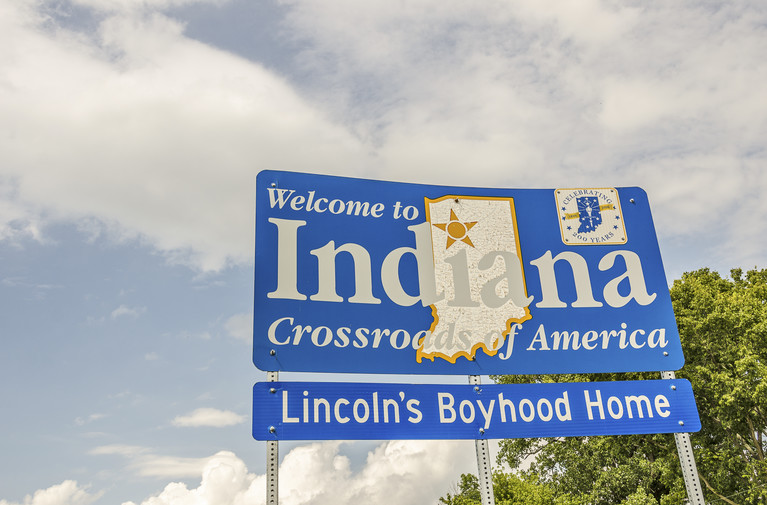
As Indiana grapples with a severe shortage of attorneys that threatens access to justice across the state, the Indiana Supreme Court is actively seeking public input to refine recommendations aimed at bolstering the legal workforce. Ranking 43rd among U.S. states in attorney availability, the Hoosier State faces “legal deserts” particularly in rural areas, where residents struggle to find legal representation for everything from criminal defense to family law matters. This crisis has prompted a multifaceted response from the judiciary, bar associations, and lawmakers, highlighting the urgent need for innovative solutions to ensure equitable legal services for all Indiana residents.
Trending: Public Input Sought as Indiana’s Legal Crisis Gains Momentum
The push to address Indiana’s attorney shortage has captured widespread attention on social media, with discussions on platforms like X focusing on the Supreme Court’s call for comments and the broader implications for the criminal justice system. Hashtags such as #IndianaAttorneyShortage and #AccessToJustice are seeing increased activity, as users share stories of delayed court proceedings and understaffed public defender offices. Recent posts underscore the timeliness of these efforts, especially following the release of a comprehensive report from the Commission on Indiana’s Legal Future.
Key Details of the Ongoing Efforts
On August 28, 2025, the Indiana Supreme Court announced it was soliciting public comments on the recommendations from the Commission on Indiana’s Legal Future, a body formed to tackle the attorney shortage. Comments were due by August 29, 2025, at 12 p.m., focusing on strategies to improve attorney recruitment, retention, and distribution statewide. The commission’s final report, released on July 29, 2025, includes new proposals such as expanding loan repayment programs for attorneys serving in underserved areas, enhancing incentives for rural practice, and updating bar exam processes to attract more diverse candidates.
The shortage is stark: Indiana has only about 18 attorneys per 10,000 residents, far below the national average, leading to overburdened caseloads in prosecutor and public defender offices. In criminal justice, this has resulted in postponed trials and reliance on out-of-state counsel, exacerbating delays in the system. The commission’s updates also address ongoing initiatives like partnerships with law schools to increase enrollment and targeted recruitment drives in high-need regions.
Insights from Officials and Experts
Indiana Supreme Court Chief Justice Loretta Rush emphasized the collaborative nature of the response, stating in a court announcement, “We must hear from Hoosiers across the state to ensure our solutions are practical and effective in bridging these gaps.” Rush highlighted the commission’s role in brainstorming fixes, noting that public feedback will help refine the proposals before implementation.
Justice Nancy Vaidik, a member of the commission, commented on the crisis’s roots, saying, “The closure of law schools like Valparaiso University’s has worsened the shortage, but with strategic investments in education and incentives, we can reverse this trend.” Prosecutor Justin Forkner added, “In rural counties, we’re seeing cases pile up because we simply don’t have enough attorneys—it’s a matter of fairness and efficiency in our justice system.”
Legal experts like Eric Grommon, a professor at Indiana University’s O’Neill School, have weighed in on the broader impacts: “This shortage isn’t just a numbers game; it’s affecting policy implementation and public trust in the legal system.” Grommon’s research underscores the need for data-driven approaches to evaluate the effectiveness of proposed reforms.
Background Context: Roots of the Shortage and Initial Responses
Indiana’s attorney shortage has been building for years, intensified by factors such as the 2020 closure of Valparaiso University School of Law, which reduced the pipeline of new graduates by hundreds annually. Rural areas are hit hardest, with some counties lacking even a single full-time public defender, forcing reliance on part-time or traveling attorneys. The COVID-19 pandemic accelerated retirements and burnout, while urban centers like Indianapolis draw talent away from smaller communities due to better pay and resources.
In response, the Indiana Supreme Court established the Commission on Indiana’s Legal Future in 2023, tasking it with developing short- and long-term strategies. The July 2025 final report built on an initial 2024 assessment, incorporating updates like increased funding for the Indiana Bar Foundation’s pro bono programs and collaborations with universities to offer hybrid legal education models. These efforts align with national trends, as states like Kansas and Nebraska face similar “legal deserts,” but Indiana’s proactive public comment period sets it apart in seeking community-driven solutions.
Possible Impact and Next Steps
If implemented, the commission’s recommendations could significantly alleviate the shortage by attracting more attorneys to underserved areas through financial incentives and streamlined licensing. Potential impacts include reduced court backlogs, improved access to civil legal aid, and a more balanced distribution of legal talent statewide. However, challenges remain, such as funding constraints amid state budget debates and the need to address work-life balance issues driving attorneys away from public service roles.
Next steps include reviewing public comments by mid-September 2025, with the Supreme Court expected to issue formal guidance or legislative proposals by year’s end. Lawmakers may introduce bills in the 2026 session to allocate resources for loan forgiveness and bar exam reforms. Stakeholders, including the Indiana State Bar Association, are urged to continue advocating, while aspiring attorneys might find new opportunities in incentivized rural postings. Monitoring bodies like the commission will track progress, potentially leading to annual reports on attorney numbers and caseload metrics.
Conclusion: A Path Toward Equitable Justice
Indiana’s statewide attorney shortage represents a critical challenge to its justice system, but the Supreme Court’s call for public input and the commission’s comprehensive recommendations signal a committed effort to turn the tide. By addressing root causes like education access and incentives, the state is paving the way for a more robust legal workforce. For Hoosiers and legal professionals alike, the takeaway is the power of collective action: engaging in these discussions can help ensure that justice is accessible to all, regardless of location. As Indiana digs deeper into solutions, the coming months will be pivotal in reshaping its legal landscape.