
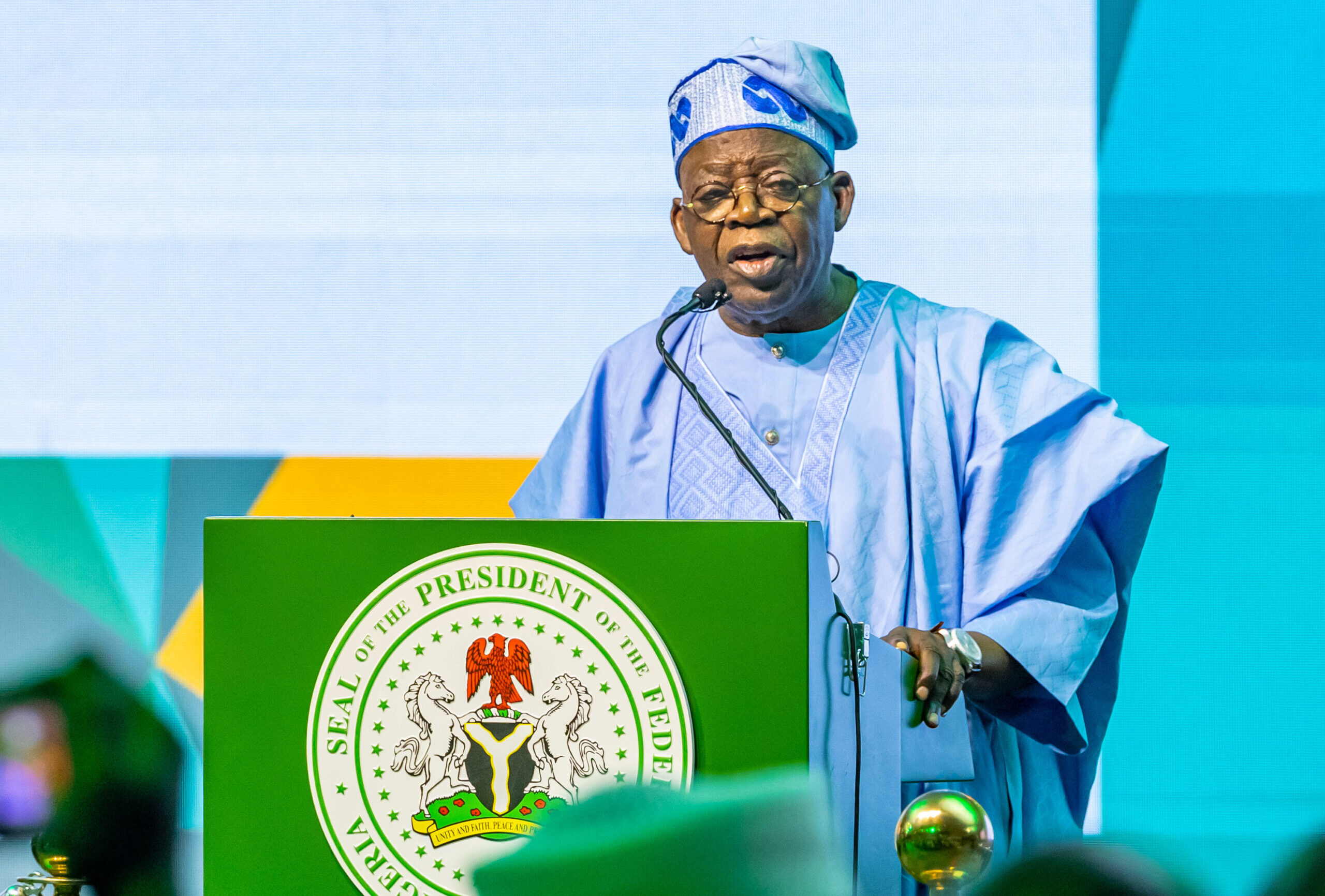
President Bola Tinubu addressed Nigeria’s spiraling insecurity on November 26, 2025, by declaring a nationwide security emergency and authorizing a massive expansion of law enforcement ranks. In a televised statement from Abuja, he approved the recruitment of an additional 20,000 police officers, elevating the total new intake under his administration to 50,000. This move, coupled with a call for constitutional amendments to enable state police, aims to overwhelm criminal networks amid recent abductions and attacks across northern states.
The Emergency Declaration: A Response to Escalating Threats
Tinubu’s address came against a backdrop of heightened violence, including the kidnapping of schoolchildren in Kebbi and Niger states, and assaults on worshippers in Kwara. “Today, in view of the emerging security situation, I have decided to declare a nationwide security emergency,” he stated, framing the crisis as a collective national challenge. The proclamation empowers the armed forces and police to ramp up operations, with a focus on flushing out bandits and terrorists from forested hideouts.
This marks a pivotal shift, as Tinubu emphasized that “restraint should not be mistaken for weakness,” vowing decisive action to restore peace. The declaration also includes directives for the Department of State Services (DSS) to deploy trained forest guards and hire more personnel, targeting insurgents’ safe havens.
Police Recruitment Surge: From 30,000 to 50,000 New Officers
Central to the strategy is a bolstered Nigeria Police Force. Previously approved for 30,000 recruits, the force now gains 20,000 more slots, aiming to address chronic understaffing—current strength hovers around 400,000 against a population of over 220 million. To accelerate training, Tinubu authorized the conversion of National Youth Service Corps (NYSC) camps into temporary depots nationwide.
Officers pulled from VIP protection duties—previously numbering over 100,000—will undergo crash retraining before redeployment to high-risk zones. “This will deliver more efficient police services,” the president noted, promising upgrades to existing facilities alongside these ad-hoc measures.
The army and other services received similar recruitment mandates, though specifics remain tied to operational needs.
Backing State Police: A Push for Decentralized Security
In a long-awaited endorsement, Tinubu urged the National Assembly to amend laws allowing states to form their own police forces. “I call on the National Assembly to begin reviewing our laws to allow states that require state police to establish them,” he said, signaling federal support for local outfits already in place in several regions.
This stance revives debates on federalism, with proponents arguing it would enhance rapid response in diverse terrains. Critics, however, worry about potential politicization. Tinubu’s administration pledged backing for such initiatives, provided they align with national standards.
Broader Measures: Forest Clearances, Community Safeguards, and Farmer-Herder Reforms
Tinubu outlined multifaceted interventions to dismantle criminal ecosystems:
- DSS Forest Operations: Immediate deployment of guards to “flush out terrorists and bandits,” with no “hiding places for agents of evil.”
- Community Protocols: States to relocate remote boarding schools; religious centers in vulnerable areas to secure police escorts during gatherings.
- Livestock Ministry Role: Herders urged to adopt ranching, end open grazing, and surrender illegal arms, with federal-state collaboration for implementation.
He commended recent rescues—24 schoolgirls in Kebbi and 38 worshippers in Kwara—while committing to free remaining hostages, including Niger State students.
Key facts from the announcement:
- Total Police Recruits: 50,000 (up from 30,000).
- Training Boost: NYSC camps as depots; crash courses for VIP redeployees.
- Affected States: Kebbi, Borno, Zamfara, Niger, Yobe, Kwara (recent attacks).
- Tribute: To fallen soldiers, including Brigadier-General Musa Uba.
- Call to Action: Citizens to report suspicions and cooperate with agencies.
Public and Political Reactions: Mixed Optimism on X
On X, reactions ranged from cautious support to skepticism. Daniel Bwala, a presidential adviser, hailed the moves as “decisive,” posting a summary that garnered over 100 likes. Users like @Ovarycan shared bullet-point breakdowns, emphasizing unity, while others quipped about NYSC camps’ new role. Broader discourse highlighted the need for funding transparency, with some tying it to Kainji National Park’s reported terrorist takeover.
President Tinubu’s emergency measures inject urgency into Nigeria’s security apparatus, blending recruitment drives with structural reforms like state police advocacy. While the path to implementation—amid budgetary constraints and legislative hurdles—remains challenging, these steps signal a renewed offensive against insecurity. Success will hinge on swift execution and public buy-in, offering hope that “together we shall win,” as Tinubu affirmed.
For the full presidential statement, visit Premium Times Nigeria. Follow developments on X via President Tinubu’s account.