Investors Have Nowhere to Hide as Iran Conflict Roils Global Markets and Sends Oil Surging
Global financial markets are under intense pressure four weeks into the escalating Iran conflict, with investors struggling to find safe assets amid soaring energy prices, falling stocks, and rising bond yields.
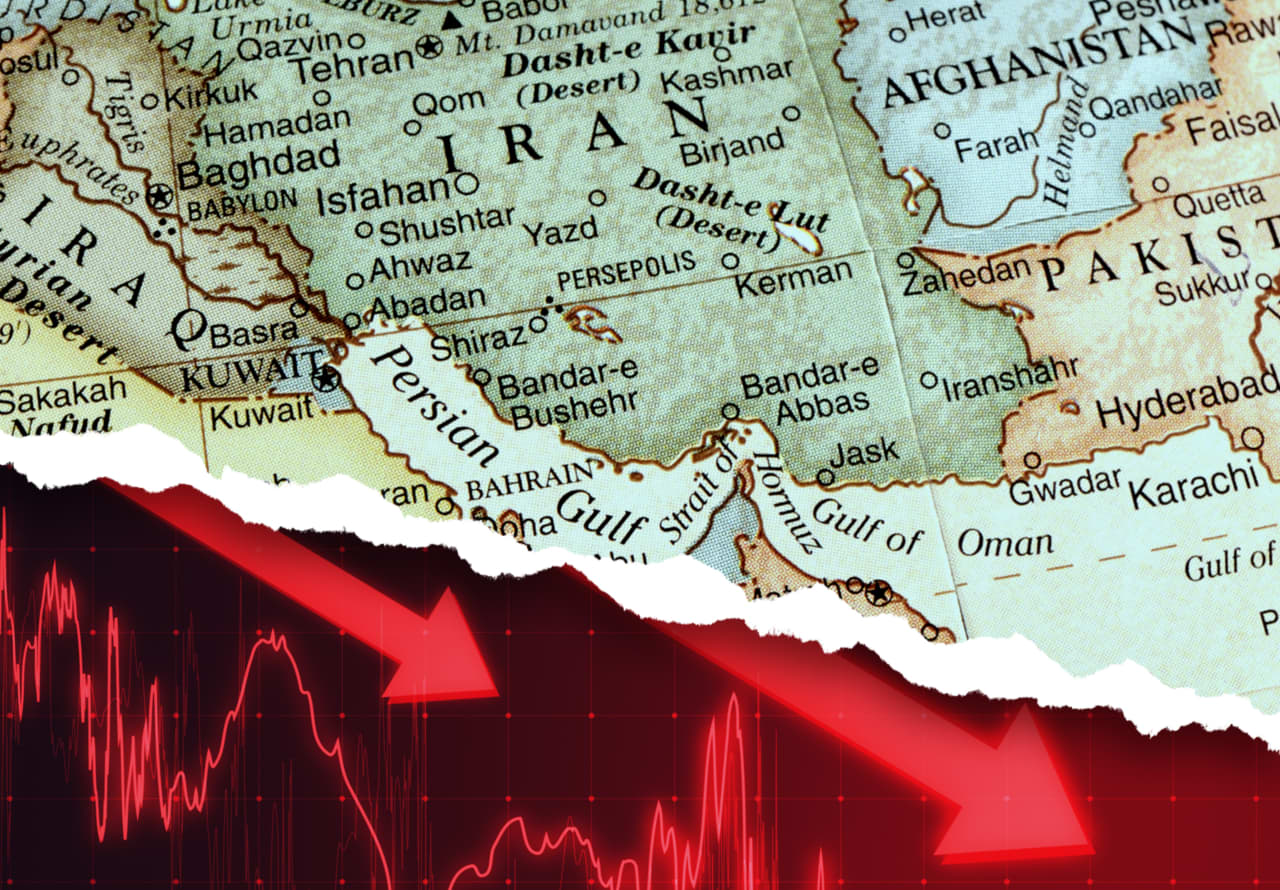
The conflict, triggered by joint U.S.-Israeli strikes on Iran in late February 2026, has led to Iran effectively blocking the Strait of Hormuz — a critical chokepoint carrying roughly one-fifth of the world’s oil and liquefied natural gas supply. This disruption has sent oil prices sharply higher while triggering a broad sell-off across equities and traditional safe-haven assets.
Oil Prices Climb as Supply Fears Mount
Brent crude, the global benchmark, has surged significantly since the conflict began, recently trading above $100–$112 per barrel in volatile sessions. West Texas Intermediate (WTI) has followed a similar path, climbing toward $95–$100. Analysts warn that a prolonged closure of the Strait of Hormuz could push prices even higher, potentially evoking 1970s-style energy shocks and fueling broader inflation.
Higher energy costs are already rippling through the economy, raising concerns about transportation, manufacturing, and consumer spending. Diesel prices in the U.S. have climbed sharply, and global supply chains face added strain.
Stocks and Bonds Slide in Tandem
Equity markets have taken a hit, with major U.S. indexes like the Dow Jones, S&P 500, and Nasdaq posting notable declines. The Dow has fallen roughly 9% from its February peak in some reports, while broader indexes show weakness amid uncertainty over the war’s duration and economic fallout.
Compounding the pain, bonds are also slumping. Rising yields on 10-year Treasuries reflect fears of persistent inflation and higher government borrowing costs from potential military and economic responses. The traditional 60/40 portfolio (stocks and bonds) has offered little protection, leaving many investors with “nowhere to hide.”
Gold and silver — usually reliable havens during geopolitical turmoil — have also struggled in recent sessions, failing to provide the expected buffer.
Why This Conflict Feels Different
Fund managers and traders report sleepless nights as volatility spikes. Many have reduced equity exposure and shifted toward cash, but even cash holdings face erosion from inflation risks. Hedge funds have recorded some of their worst drawdowns in years, with crowded trades unraveling.
The situation is exacerbated by mixed signals from negotiations. While President Trump has at times expressed optimism about talks or pauses in strikes, Iran has continued strikes and maintained its position on the Strait of Hormuz, keeping markets on edge.
Impact on Everyday Americans
For U.S. investors, the turmoil directly affects retirement accounts, college savings (529 plans), and portfolios. Higher fuel and energy costs could soon translate into increased prices at the pump and for everyday goods, squeezing household budgets.
International markets in Europe and Asia have also felt the strain, with energy-sensitive sectors like airlines, industrials, and materials hit hardest.
What’s Next for Markets?
Analysts remain divided. Some see the conflict as potentially short-lived, with underlying economic fundamentals still supportive and possible rate cuts from the Federal Reserve on the horizon if growth slows. Others warn of prolonged uncertainty, higher inflation, and recession risks if energy prices stay elevated.
Watchdog groups and economists continue to monitor for any signs of insider trading or excessive risk-taking, while calls grow for greater oversight on congressional and official stock trading amid geopolitical events.
As the Iran conflict enters its fifth week with no clear resolution in sight, markets are pricing in sustained volatility. Investors are advised to stay diversified, maintain liquidity where possible, and prepare for potential opportunities that often emerge during periods of peak uncertainty — though timing remains extremely challenging.
The situation is fluid, with developments in diplomacy, military actions, and energy flows capable of shifting sentiment rapidly.
By Mark Smith Follow us on X @realnewshubs and subscribe for push notifications
Follow and subscribe us for push notifications to never miss breaking updates.