
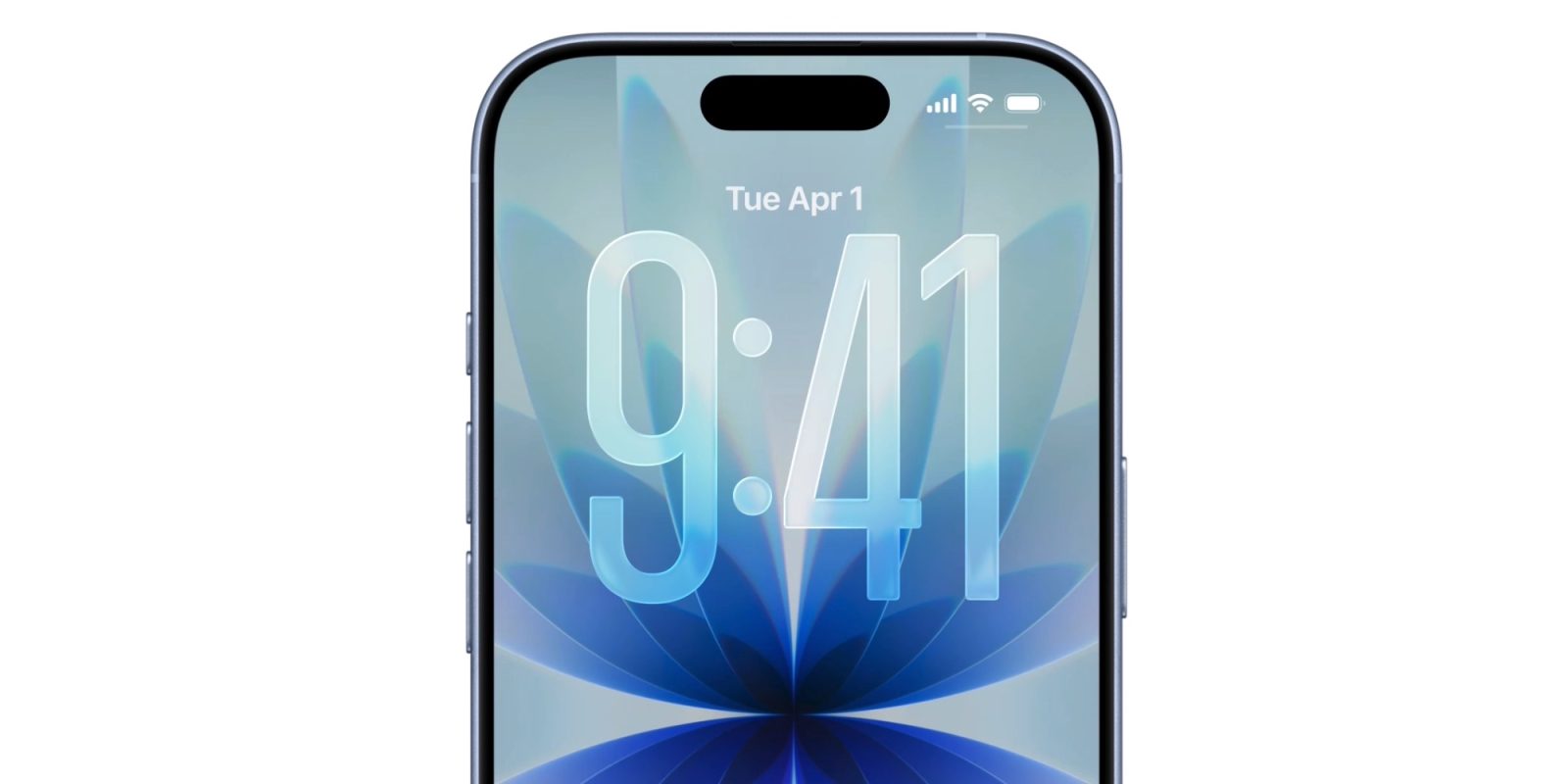
New iPhone 17 under harsh sunlight, only to realize the glare is worse than your old model—thanks to that trusty screen protector you slapped on for “safety.” Apple’s latest Ceramic Shield 2 tech promised a glare-free revolution, but fresh tests reveal a plot twist: standard protectors could be sabotaging the very feature that makes the iPhone 17 shine brighter outdoors. As early adopters flock to stores just weeks after the September 2025 launch, this discovery is sparking debates on whether ditching the plastic shield is the real power move.
The buzz stems from a detailed lab report by Astropad, a display accessory maker, which dropped on December 3, 2025, and quickly went viral across tech circles. Apple’s Ceramic Shield 2, debuting across the iPhone 17, 17 Pro, 17 Pro Max, and even the rumored ultra-thin iPhone Air, packs a nano-structured anti-reflective (AR) coating fused directly into the glass. This isn’t your average oleophobic layer; it’s engineered for three times the scratch resistance of Ceramic Shield 1, per Apple’s claims, while slashing reflections by up to 50% compared to the iPhone 16 series. In Astropad’s light-meter tests under controlled LED glare, a bare iPhone 17 Pro clocked in at just 2.0% reflectivity—nearly half the 3.8% of its predecessor—making texts pop and maps readable even at the beach.
But here’s the rub: Slap on a typical tempered glass protector, and that magic evaporates. The AR coating relies on direct air exposure to bend light waves and minimize bounce-back, much like high-end camera lenses. The protector’s adhesive layer seals it off, turning the screen into a mini mirror. Astropad’s data showed reflectivity ballooning to 4.1% or higher—worse than the iPhone 16—effectively undoing the upgrade you paid $1,000-plus for. Independent echoes from MacRumors and Tom’s Guide confirmed the glitch, with side-by-side photos revealing hazy overlays on protected models under direct light.
Background on Ceramic Shield traces back to 2020’s iPhone 12, a Corning collab blending nano-ceramics for drop toughness that outlasted Gorilla Glass in early shatter tests. Version 2 amps it with AR smarts, aligning with Apple’s push toward “it just works” durability amid rising repair costs—U.S. averages hit $279 per cracked screen in 2025, per SquareTrade data. Yet, real-world drops still crack it (heights over 4 feet onto concrete spell doom), so the protector dilemma persists: Added shatter-proofing versus compromised clarity.
Tech analysts are split but intrigued. Display expert Ross Young of DSCC called it “a clever evolution, but accessory makers dropped the ball—AR integration should’ve been spec’d from day one.” Astropad’s Giovanni Donelli, who led the tests, emphasized in a Forbes interview: “It’s not just lost benefits; it’s regression. Users expect seamless protection, but physics says otherwise.” Skeptics note Astropad’s $35 Fresh Coat protector aced the trials (2x better than bare Ceramic Shield 2), but flag it as savvy marketing—after all, their tests promote proprietary glue that preserves air gaps. Broader consensus from Phandroid? “Trust Apple’s durability claims more; scratches are rarer than glare headaches in sunny states.”
Social media is ablaze with user gripes and triumphs. On X, Astropad’s December 4 post—”Your current screen protector is making your phone WORSE”—racked up 5K likes and replies like, “Just peeled mine off—night and day outdoors! #iPhone17GlareFail.” Reddit’s r/iPhone thread exploded to 2K upvotes, with one user venting: “Upgraded for the AR hype, added a $10 Amazon shield, now it’s like staring at a disco ball. Removed it—views forever.” Belkin’s promo video for “360° protection” drew snarky quips: “Cool cases, but fix the glare first!” TikTok demos of before-and-after peels have 1M+ views, blending frustration with “pro tips” for matte AR alternatives from Zagg or Omoton.
For U.S. iPhone fans—over 150 million strong per Statista—this hits lifestyle hard. In glare-heavy spots like Florida beaches or Texas highways, the AR edge boosts safety (fewer squint-induced swerves) and battery life (less max-brightness strain amid 3.1% inflation pinching wallets). Economically, it nudges a $2B accessory market toward premium AR films, potentially saving users $200 yearly on visibility aids like pop-sockets-turned-shades. Politically? It underscores Apple’s “walled garden” ethos—innovation that quietly obsoletes third-party gear, echoing antitrust chats in D.C. Tech-wise, it teases future hologlass or self-healing screens, syncing with AR glasses like Vision Pro 2 rumors.
User intent boils down to “protect without regret”: If drops terrify you, hunt AR-coated options (Belkin UltraGlass or Spigen’s new line, $20-40) that mimic the native effect. Manage by testing in-store under lights—peel and reapply within Apple’s 14-day return window. Or go naked: Early SquareTrade drops show Ceramic Shield 2 surviving 80% of 6-foot falls unscratched.
This AR hiccup spotlights Apple’s bold durability bet, forcing a rethink on that knee-jerk protector habit.
In summary, the iPhone 17’s Ceramic Shield 2 dazzles bare but dims under standard shields—opt for AR-matched gear or embrace the scratch-proof freedom, as 2026’s iPhone 18 rumors hint at even tougher glass. Your screen, your call: Clarity or caution?
By Sam Michael
Follow and subscribe to us for push notifications to stay updated on the latest Apple news and tech tips.