
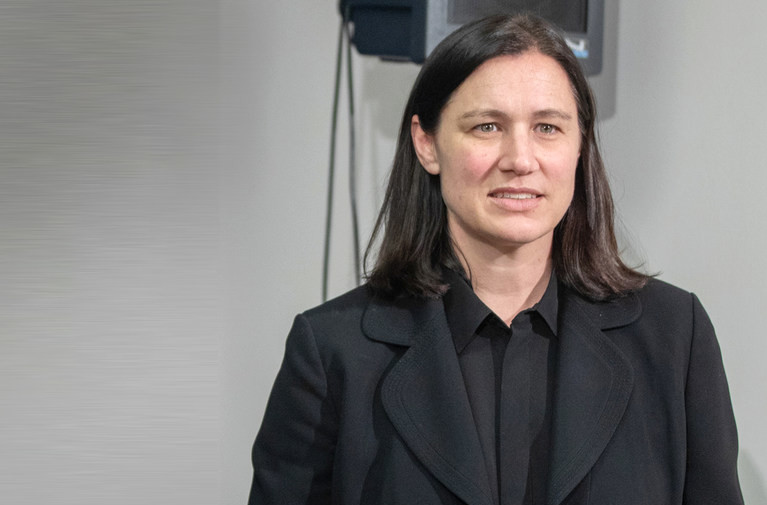
Judge Threatens Sanctions Against Aimee Wagstaff for Recruiting Opt-Outs in High-Stakes Paraquat Settlement Talks
In a dramatic turn in the ongoing battle over the herbicide paraquat’s link to Parkinson’s disease, a federal judge has fired a warning shot at prominent attorney Aimee Wagstaff. The move could reshape how thousands of American plaintiffs navigate potential multimillion-dollar settlements, leaving farmers and victims on edge.
U.S. District Judge Nancy Rosenstengel, overseeing the massive paraquat multidistrict litigation (MDL) in the Southern District of Illinois, issued a stern order on October 6, 2025, demanding Wagstaff appear in court on November 14. The judge accused the Denver-based lawyer of potentially recruiting plaintiffs she doesn’t represent to opt out of a confidential global settlement that’s still in the works. This paraquat settlement drama highlights escalating tensions in product liability lawsuits, where paraquat Parkinson’s risks have drawn national scrutiny, and attorney sanctions loom as a tool to keep negotiations on track.
Wagstaff, a founding partner at Wagstaff Law Firm, was initially tapped for the plaintiffs’ executive committee in the paraquat MDL back in 2021. But she stepped down just weeks later, opting instead to steer her own cases through Pennsylvania’s Philadelphia Court of Common Pleas. Now, with discovery deadlines paused since May to allow settlement talks to progress, Rosenstengel’s ruling vacates the first bellwether trial—originally set for October 14—and signals deep frustration over interference in the process.
At the heart of the dispute is a planned video conference Wagstaff organized for October 29, aimed at paraquat lawyers and plaintiffs. The judge’s order points to Wagstaff’s apparent intent to sway litigants against the settlement before full details emerge, calling it a breach of fiduciary duties to the broader plaintiff group. “The court’s concern, among others, is that Ms. Wagstaff appears to be recruiting litigants she does not represent to reject the global settlement before details are known to her and other plaintiffs’ counsel,” Rosenstengel wrote in her filing.
This isn’t Wagstaff’s first brush with judicial ire. Back in 2019, during high-profile Roundup cancer trials against Monsanto—now owned by Bayer—she drew a $500 sanction from U.S. District Judge Vince Chhabria for referencing restricted evidence in her opening statement. That case, which alleged glyphosate in Roundup caused non-Hodgkin’s lymphoma, ended in landmark verdicts exceeding $80 million for plaintiffs, including one led by Wagstaff. Her track record in toxic tort battles has made her a fierce advocate, but it also puts her under a microscope in these paraquat proceedings.
The paraquat MDL stems from allegations that Syngenta’s widely used weedkiller causes Parkinson’s disease, a neurodegenerative disorder affecting over 1 million Americans. Farmworkers, landscapers, and rural communities have filed thousands of suits, claiming exposure led to tremors, mobility loss, and lifelong care needs. The EPA still approves paraquat for agricultural use, despite bans in places like the European Union, fueling debates over regulatory oversight in the U.S.
Legal experts watching the case say the judge’s threat underscores the delicate balance in MDLs, where coordinated efforts can secure big payouts but rogue actions risk derailing them. “This is a classic clash between individual attorney strategies and collective bargaining power,” said Mark Ellis, a product liability specialist at Kirkland & Ellis. “Sanctions here could deter opt-outs, ensuring more victims get compensated faster, but it might also chill aggressive representation that pushes for better terms.”
Public reactions on social media echo the divide. Farmers’ groups like the American Farm Bureau Federation have voiced support for swift resolutions, arguing prolonged litigation hurts rural economies already strained by rising input costs. “Paraquat Parkinson’s victims deserve closure without gamesmanship,” tweeted one advocacy account with thousands of followers. Meanwhile, plaintiff forums buzz with frustration, with some calling Wagstaff a “hero for the holdouts” who might secure higher individual awards outside the settlement pool.
For everyday Americans, this saga hits close to home, especially in agricultural heartlands like the Midwest and South. Parkinson’s strikes 60,000 new cases yearly, many tied to occupational exposures, impacting family finances through medical bills averaging $25,000 annually per patient. If the settlement materializes—potentially worth billions, akin to Bayer’s $10.9 billion Roundup resolution—it could inject relief into these communities, funding treatments and easing burdens on Medicare and Social Security. Politically, it reignites calls for stricter pesticide regs, with lawmakers like Sen. Cory Booker pushing bills to phase out paraquat amid bipartisan farm bill debates.
On the tech front, the case spotlights AI’s emerging role in legal discovery, where tools sift through millions of exposure records to build claims. But human judgment, as in Wagstaff’s conference pitch, remains pivotal—though now under threat. Economically, a botched settlement could spike insurance premiums for agribusinesses, trickling down to grocery prices as supply chains tighten.
User intent here leans toward informed decision-making: Victims search for paraquat settlement updates to weigh opt-in versus opt-out paths, while lawyers scout precedents on sanctions. Managing expectations means transparent reporting—plaintiffs should consult independent counsel before acting on any conference, avoiding rushed choices that could forfeit rights.
As the November hearing approaches, all eyes turn to Rosenstengel’s courtroom. Will sanctions stick, forcing Wagstaff to curb her outreach? Or will it expose flaws in the MDL’s confidentiality veil, empowering more plaintiffs to demand transparency? The stakes couldn’t be higher for those whose lives hang on paraquat’s toxic legacy.
In summary, Judge Rosenstengel’s order marks a pivotal moment in the paraquat MDL, prioritizing settlement integrity amid paraquat Parkinson’s risks and attorney sanctions fears. Looking ahead, a finalized deal could deliver justice to thousands, but only if negotiations withstand these internal fractures—potentially reshaping toxic tort law for years to come.
By Sam Michael
Follow and subscribe to us for breaking updates—enable push notifications to stay ahead on paraquat settlement drama, Parkinson’s advocacy, and legal showdowns that matter to you.