
In a stinging rebuke to the Trump administration, a federal judge dismissed indictments against James Comey and NY AG Letitia James on Nov. 24, 2025, ruling interim US Attorney Lindsey Halligan’s appointment violated the Constitution. Cases dropped without prejudice amid political prosecution claims—potential refiling looms.
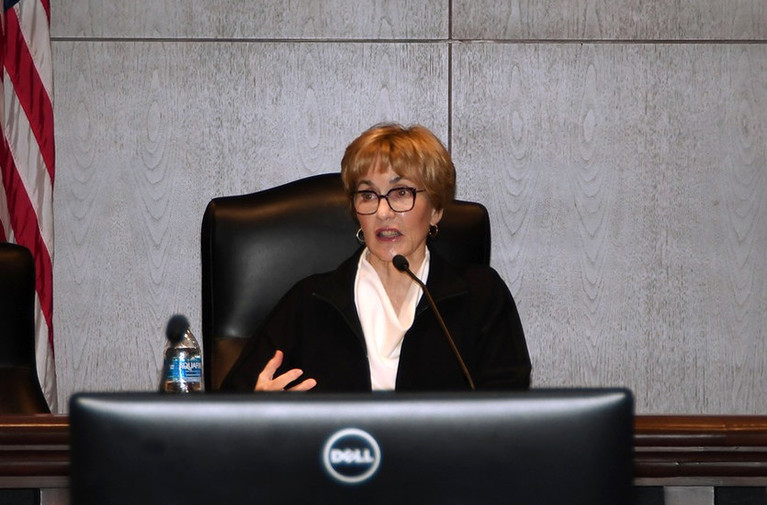
Washington, D.C. – A federal judge delivered a crushing defeat to President Donald Trump’s Justice Department on November 24, 2025, dismissing criminal indictments against former FBI Director James Comey and New York Attorney General Letitia James. U.S. District Judge Cameron McGowan Currie ruled that interim U.S. Attorney Lindsey Halligan— a Trump loyalist with no prosecutorial experience—was unlawfully appointed, rendering her actions, including securing the indictments, invalid under the Appointments Clause. The dismissals, issued in separate but parallel orders in the Eastern District of Virginia, come amid accusations of politically motivated prosecutions and mark the latest disqualification of a Trump-picked prosecutor.
Halligan, a former White House aide and member of Trump’s defense team in one of his criminal cases, was installed in late September after the administration ousted career interim U.S. Attorney Erik Siebert, who had resisted charging the duo due to insufficient evidence. Currie described Halligan’s role—presenting solo to grand juries and signing the indictments—as an “unlawful exercise of executive power,” echoing concerns over executive overreach. The cases were dismissed “without prejudice,” allowing potential refiling, but Comey’s team argues the statute of limitations has expired.
The rulings intensify scrutiny on Attorney General Pam Bondi’s DOJ, which has faced multiple setbacks in high-profile cases tied to Trump’s directives.
The Comey Indictment: False Statements and Obstruction Charges Unravel
Comey, Trump’s longtime nemesis fired in 2017 amid the Russia probe, was indicted on September 25, 2025, on two counts: making false statements to Congress in 2020 testimony and obstructing a congressional proceeding. Prosecutors alleged he leaked classified information to reporters via his attorney and lied about it under oath—claims rooted in his post-firing memos on Trump interactions.
Defense motions highlighted Halligan’s rushed appointment, just days before the grand jury presentation, violating the 120-day interim limit under federal law. Currie agreed, noting: “Halligan’s defective appointment… must be set aside.” Comey’s lawyers, including David Kendall, hailed it as a “vindication,” pushing for dismissal with prejudice to bar refiling.
- Key Allegations Against Comey: Leaking memos (2017); False testimony (Sept. 2020).
- Timeline: Indictment: Sept. 25, 2025; Motion to Dismiss: Oct. 10; Ruling: Nov. 24.
Separate challenges to the grand jury process remain pending.
Letitia James Case: Mortgage Fraud Probe Crumbles Under Scrutiny
James, a fierce Trump critic who secured a $454 million civil fraud judgment against him in 2024, faced indictment on October 9, 2025, for mortgage fraud tied to a 2020 Norfolk, Virginia, home purchase. Prosecutors claimed she misrepresented the property as a second home (not investment) to snag a lower rate, violating federal lending laws.
Like Comey’s, the case hinged on Halligan’s solo grand jury push, overriding office recommendations against charges. Currie mirrored her Comey ruling: “All actions flowing from Ms. Halligan’s defective appointment… are hereby set aside.” James’ team, led by civil rights attorney Reid Weingarten, called it “a politically driven witch hunt exposed.”
James pleaded not guilty in October, vowing to continue her probes into Trump policies.
- James Charges: Wire fraud, false statements (mortgage app, 2020).
- Broader Context: Follows her NY civil win; Trump urged Bondi via Truth Social: “JUSTICE MUST BE SERVED, NOW!!!”
Halligan’s Appointment: A Pattern of Disputed DOJ Picks
Halligan, an insurance lawyer and Trump impeachment defender, was thrust into the Eastern District of Virginia—a powerhouse office handling national security and cyber cases—after Siebert’s ouster. Bondi’s September order bypassed Senate confirmation and local judge approval, exceeding the interim window.
This is the fourth such disqualification in Trump’s second term, following interim U.S. attorneys in New Jersey, Los Angeles, and Nevada. Currie warned of “extraordinary” risks: “The Government could send any private citizen… into the grand jury room.” The DOJ, White House, and Halligan’s office declined immediate comment.
Legal experts like NYU’s Stephen Gillers called it a “constitutional smackdown,” potentially rippling to other cases where Halligan played a lesser role.
Political Fallout: Trump’s ‘Weaponization’ Push Hits Roadblocks
The dismissals spotlight Trump’s post-election vows to prosecute foes, including Comey (blamed for the Russia probe) and James (over her fraud suit). Democrats decried it as “retaliatory justice,” while Trump allies like Rep. Jim Jordan vowed appeals.
Comey’s team seeks full dismissal; James’ motion on grand jury irregularities persists. Refiling odds: Low for Comey (limitations bar), viable for James but politically toxic.
- Stakeholder Reactions: Comey: “Relief, but fight continues.” James: “Vindication against abuse.” Trump (Truth Social): “Rigged system!”
- Precedent Echoes: Similar to Nixon-era Saturday Night Massacre scrutiny.
Path Forward: Appeals, Refilings, and DOJ Reckoning
The DOJ could appeal or refile under a valid appointee, but experts predict delays amid Senate confirmation battles for permanent U.S. attorneys. Hearings on Halligan’s role may follow, amplifying calls for oversight.
This double dismissal doesn’t end the saga but exposes fissures in Trump’s DOJ vision. As Currie noted, unchecked appointments erode justice’s independence—a warning for the administration’s prosecutorial ambitions.
In tossing these indictments, Judge Currie didn’t just disqualify Halligan—she reaffirmed constitutional guardrails against politicized prosecutions. For Comey and James, it’s a reprieve; for Trump, a humbling check. With appeals brewing and limitations ticking, this could chill further pursuits—or ignite fiercer ones. The Eastern District’s next chapter? Stay tuned.