
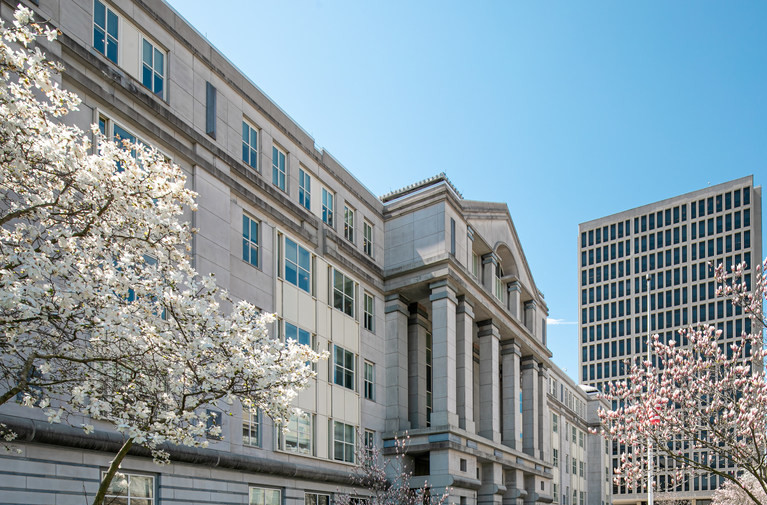
Chaos in Federal Courts: Lawyers Grapple with Uncertainty as US Attorney Dispute Leaves New Jersey Office Leaderless
As US Attorney New Jersey vacancy 2026, Alina Habba resignation fallout, New Jersey federal court delays, Trump DOJ leadership crisis, and District of New Jersey interim dispute dominate trending legal searches, attorneys across the state are facing mounting frustration and operational hurdles following the December 2025 resignation of controversial Acting U.S. Attorney Alina Habba, leaving the powerful District of New Jersey office without permanent leadership amid ongoing questions over interim arrangements.
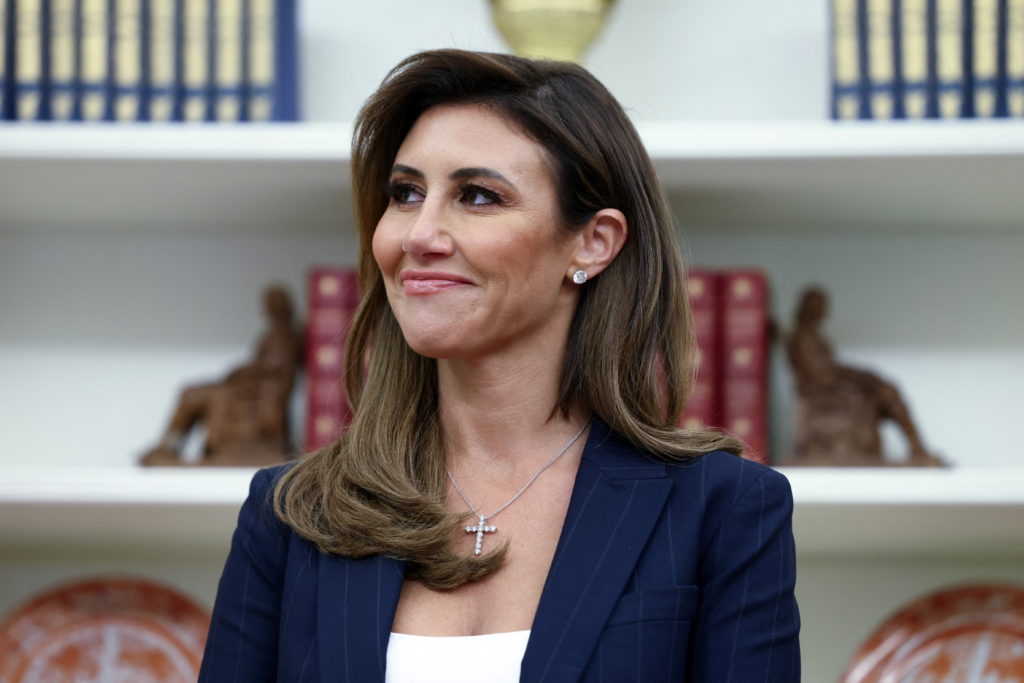
The turmoil traces back to President Trump’s March 2025 appointment of Habba, his former personal lawyer, as interim U.S. Attorney. Her tenure quickly sparked challenges when the administration used legal maneuvers to extend her role beyond the statutory 120-day limit after Senate confirmation stalled. Federal judges in New Jersey appointed career prosecutor Desiree Leigh Grace as interim replacement, only for Attorney General Pam Bondi to fire her, reinstalling Habba through contested delegations.
A unanimous Third Circuit panel ruled in December 2025 that Habba was unlawfully serving under the Federal Vacancies Reform Act, affirming a lower court decision. Habba resigned days later, citing a desire to “protect the stability and integrity of the office,” while criticizing the ruling as flawed.
In the wake of her exit, the Justice Department named three assistant U.S. attorneys to split leadership duties—an unusual setup dividing criminal, civil, and administrative oversight. Legal experts and defense attorneys question its validity, arguing it bypasses congressional intent for a single accountable leader.
This fragmented structure has ripple effects. Criminal defense lawyers report delays in plea negotiations, indictments, and sentencings, as courts hesitate to proceed amid potential challenges to prosecutorial authority. “We’re in limbo,” one Newark-based attorney told reporters anonymously. “Cases that could be invalidated later aren’t worth pursuing aggressively.” The Association of Criminal Defense Lawyers of New Jersey called it a replacement of “one unconfirmed individual with three,” undermining democratic accountability.
Prosecutors inside the office, handling everything from corruption probes to national security cases, face morale dips and workflow disruptions. The District of New Jersey, one of the busiest with vicinages in Newark, Trenton, and Camden, oversees high-stakes matters impacting the nation’s third-most populous state.

Experts like Seton Hall Law professor Jacob Elberg highlight risks: “There’s a real question as to the legality… It strains the office’s ability to function cohesively.” Similar disputes in other districts have led to dismissed cases, amplifying fears of precedent.
Public reactions vary. Some view the courts’ interventions as checks on executive overreach, while Trump supporters decry “activist judges.” Senators Cory Booker and Andy Kim urged swift nomination of a qualified, confirmable candidate.
For U.S. readers, this saga underscores broader tensions in the Justice Department under the Trump administration, raising concerns about politicization of law enforcement. Economically, delays could slow resolutions in white-collar fraud or corporate cases; lifestyle-wise, unresolved public corruption probes affect trust in institutions. Nationally, it spotlights debates over appointment powers amid polarized Senate confirmations.
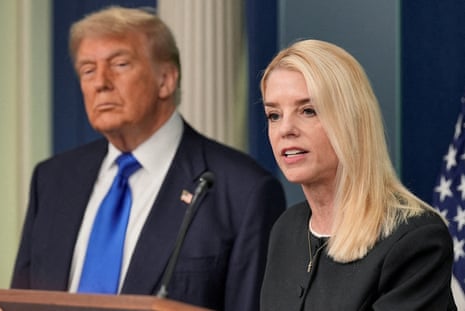

The office continues operations under the trio arrangement, but calls mount for a Senate-confirmed U.S. Attorney to restore stability.
As US Attorney New Jersey vacancy 2026 persists, Alina Habba resignation fallout lingers, New Jersey federal court delays accumulate, Trump DOJ leadership crisis escalates, and District of New Jersey interim dispute unresolved, the legal community awaits clarity.
By Sam Michael
Follow us on X @realnewshubs and subscribe for push notifications