
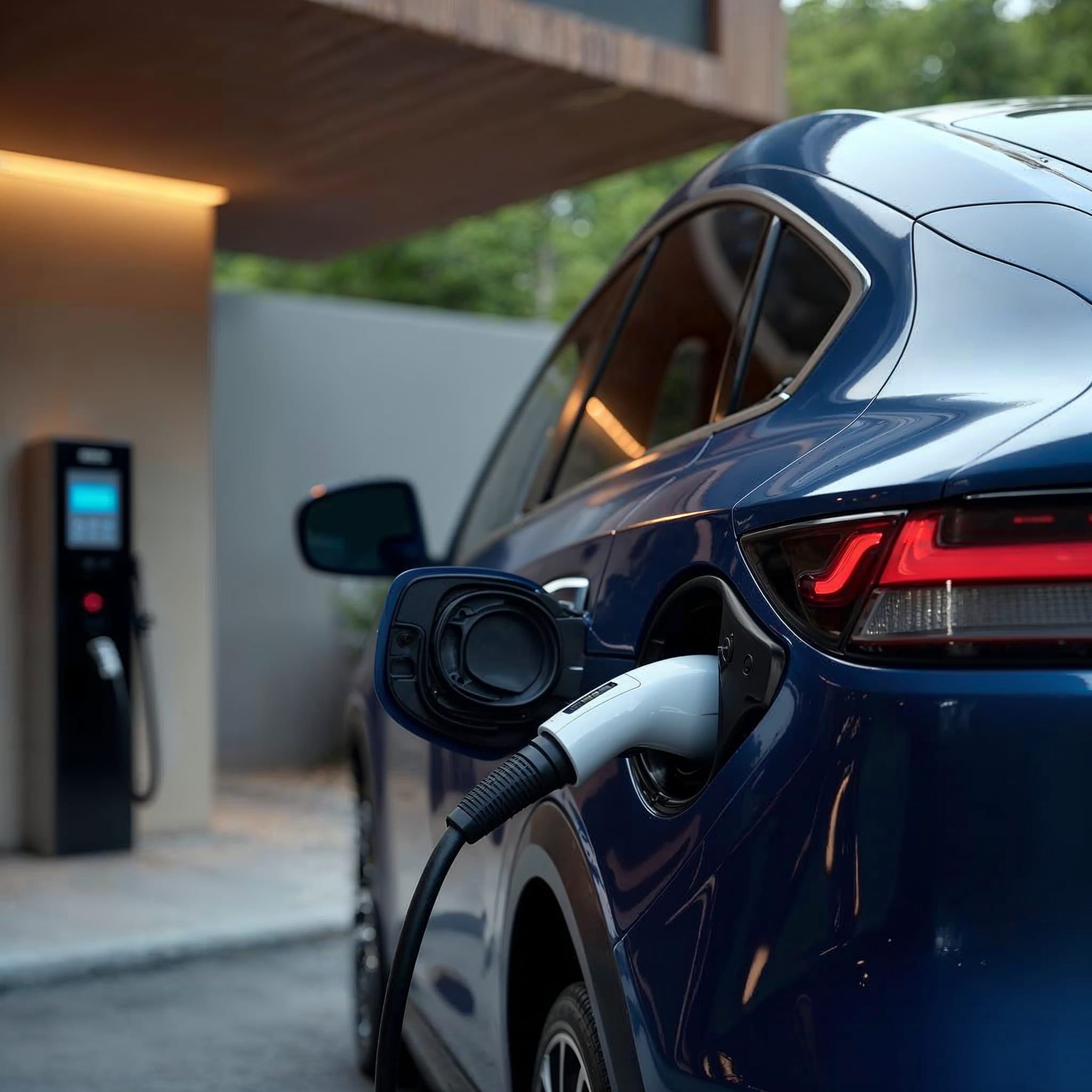
Welcome to The Ultimate Guide to Plug-in Hybrid Electric Vehicle Charging at Home. In this essential exploration, we delve into one of the most fundamental decisions facing any PHEV owner: choosing between Level 1 and Level 2 charging for your home. As the world increasingly embraces electrified mobility, plug-in hybrid electric vehicles (PHEVs) offer a compelling bridge, blending the efficiency of electric driving with the peace of mind of a gasoline engine for extended range. However, to truly unlock the economic and environmental benefits of a PHEV, efficient home charging is not just a convenience; it is a necessity. The speed and method by which you replenish your PHEV’s battery directly impact how often you drive on electricity, how much you save on fuel, and ultimately, your overall ownership experience.
Many new PHEV owners find themselves at a crossroads, pondering the intricacies of charging speeds, electrical requirements, and the costs associated with upgrading their home setup. Is the included Level 1 charger sufficient for daily needs, or is the faster Level 2 charger a worthy investment? This comprehensive guide aims to demystify these choices, providing you with current, accurate information, practical insights, real-world examples, and expert advice to help you make an informed decision. We will break down the technical jargon, compare the pros and cons, discuss installation considerations, and explore how to optimize your PHEV charging strategy to maximize electric-only driving and minimize trips to the gas station. By the end of this article, you will have a clear understanding of which charging solution best fits your lifestyle, budget, and PHEV’s requirements, ensuring you get the most out of your innovative vehicle.
Understanding Your PHEV’s Battery and Charging Needs
Before diving into the specifics of Level 1 and Level 2 charging, it is crucial to understand the fundamental characteristics of your Plug-in Hybrid Electric Vehicle (PHEV) and its battery. Unlike a Battery Electric Vehicle (BEV) which relies solely on its electric motor, a PHEV features a smaller battery pack designed to provide a limited, but significant, all-electric range, typically varying from 15 to 50 miles or more, depending on the model. This dual-power system means your charging strategy plays a direct role in how much time you spend in electric mode versus burning gasoline.
PHEV Battery Capacity: The Heart of the Matter
The battery capacity of a PHEV is measured in kilowatt-hours (kWh). This number is vital because it dictates how much energy your vehicle can store and, consequently, how long it will take to fully charge. For instance, a PHEV with a 10 kWh battery will take roughly half the time to charge compared to one with a 20 kWh battery, assuming the same charging rate. Common PHEV battery capacities range from as low as 8 kWh (e.g., older Toyota Prius Prime) to upwards of 18-20 kWh (e.g., newer Kia Sorento PHEV, Jeep Wrangler 4xe). Understanding your vehicle’s specific battery capacity is the first step in assessing your charging needs.
Electric-Only Range: Maximizing Your Green Miles
The primary appeal of a PHEV is its ability to operate on electricity alone for a certain distance. This electric-only range is directly linked to your battery’s capacity and the vehicle’s efficiency. For many drivers, this range is sufficient to cover their daily commute or typical errands without consuming a drop of gasoline. However, if your daily mileage consistently exceeds your PHEV’s electric range, or if you frequently embark on longer journeys, the ability to rapidly recharge at home becomes paramount. Maximizing your electric-only driving means ensuring your battery is as full as possible each time you start your journey.
Daily Driving Habits and Charging Frequency
Your personal driving patterns significantly influence the optimal charging solution for your home. Consider the following:
- Daily Mileage: Do you drive 10 miles a day, or 40? If your commute is short and falls well within your electric range, slow charging might suffice. If you frequently exceed it, faster charging becomes more appealing.
- Parking Duration: How long is your car typically parked at home overnight or during the workday? Longer parking durations allow for more charging time, potentially making slower charging methods viable.
- Frequency of Trips: Do you make multiple short trips throughout the day, or one long round trip? Multiple short trips might benefit from ‘opportunity charging’ if you have access to a charger during the day, or require a faster overnight charge to replenish between segments.
The goal is to align your charging speed with your daily energy consumption so that your PHEV is consistently ready to deliver its maximum electric-only range when you need it.
The Role of Charging in Maximizing Fuel Economy
The more you charge your PHEV and drive on electricity, the less gasoline you consume, directly translating to lower fuel costs and reduced emissions. Failing to charge adequately means your PHEV operates more frequently in hybrid mode or even as a conventional gasoline vehicle once its electric range is depleted. This negates many of the environmental and economic benefits you sought when purchasing the vehicle. Therefore, investing in a home charging solution that enables you to consistently maximize your electric driving is not just about convenience; it is about fully realizing the value and purpose of your PHEV.
Diving into Level 1 Charging: The Basics and Benefits
Level 1 charging is the simplest and most accessible way to power up your PHEV at home. Often referred to as “trickle charging,” it utilizes a standard 120-volt (V) alternating current (AC) outlet, the same kind you use for household appliances. Every new PHEV comes standard with a portable charging cable, often called an Electric Vehicle Supply Equipment (EVSE), designed for Level 1 charging. This means you have everything you need to start charging from day one, without any additional purchases or installations.
What is Level 1 Charging?
Level 1 charging draws power directly from a typical three-prong wall outlet, commonly known as a NEMA 5-15 receptacle. These outlets are ubiquitous in homes, garages, and even outdoor spaces. The EVSE cable that comes with your PHEV has a standard household plug on one end and a J1772 connector (the universal charging port for North American electric vehicles, including PHEVs) on the other. It acts as a safety device, communicating with your vehicle and the electrical grid, but it does not require any special electrical infrastructure beyond a functioning outlet.
Charging Speed: Understanding the Pace
Level 1 charging is, by its nature, the slowest charging method available. It typically delivers around 1.4 to 1.9 kilowatts (kW) of power, which translates to adding approximately 3 to 5 miles of electric range per hour of charging. To put this into perspective, if your PHEV has a 15 kWh battery and an electric range of 35 miles, a full charge from empty might take between 8 to 12 hours. This rate is heavily dependent on your specific vehicle’s efficiency and the exact power output of your household circuit.
- Power Output: ~1.4 – 1.9 kW
- Voltage: 120V AC
- Amperage: 12-16 Amps (A)
- Range Added Per Hour: ~3-5 miles
Pros of Level 1 Charging: Convenience and Cost-Effectiveness
The advantages of Level 1 charging are significant, especially for specific use cases:
- Ultimate Convenience: It requires no special equipment beyond what comes with your vehicle and no professional installation. Just plug it into any standard wall outlet.
- Zero Upfront Cost: Since the charger is included with your PHEV, there are no additional hardware or installation expenses. This makes it an incredibly budget-friendly option.
- Portability: The included EVSE is lightweight and designed to be portable, making it ideal for charging at friends’ houses, workplaces (if allowed), or even while traveling, provided there’s a standard outlet.
- Minimal Electrical Strain: Because it draws very little power, Level 1 charging is unlikely to stress older electrical systems or trip circuit breakers, though it is always recommended to use a dedicated circuit if possible and avoid extension cords.
- Ideal for Short Commutes: If your daily driving is minimal (e.g., 10-20 miles) and you have ample overnight parking time (8+ hours), Level 1 can often replenish your battery sufficiently for your next day’s electric-only driving needs.
Cons of Level 1 Charging: Speed Limitations
Despite its convenience, Level 1 charging comes with notable drawbacks:
- Slow Charging Speed: This is the primary limitation. For PHEVs with larger batteries or drivers with longer daily commutes, Level 1 charging may not be able to fully recharge the battery overnight, leading to more frequent reliance on gasoline.
- Limited for High Mileage Drivers: If you consistently drive beyond your PHEV’s electric range, a slow charge means you might only partially replenish the battery, forcing your gasoline engine to kick in more often.
- Not Suitable for ‘Opportunity Charging’: While technically possible, the slow speed means you will not get much range from short charging sessions (e.g., an hour or two while grocery shopping).
- Potential for Incomplete Charges: If you arrive home with a depleted battery and need to leave again shortly, Level 1 will not provide enough charge to make a significant difference.
Best Use Cases for Level 1 Charging
Level 1 charging is perfectly adequate and often the ideal solution for:
- Short Daily Commutes: Drivers who travel well within their PHEV’s electric range (e.g., 10-20 miles per day) and have their vehicle parked for 8+ hours overnight.
- Supplemental Charging: As a secondary charging option at a relative’s house, a cabin, or even at work if a 120V outlet is accessible.
- Renters Without Upgrade Options: For those in apartments or rental homes where installing a Level 2 charger is not feasible or permitted.
- Budget-Conscious Owners: Those who want to avoid any upfront costs for charging infrastructure and are satisfied with the slower charging pace.
While slower, Level 1 charging offers a practical and economical entry point into the world of PHEV ownership, allowing you to consistently top off your battery and enjoy the benefits of electric driving without any complex installations.
Exploring Level 2 Charging: The Power-Up Upgrade
Level 2 charging represents a significant leap in speed and efficiency for powering up your Plug-in Hybrid Electric Vehicle at home. It is the most common and recommended charging solution for the vast majority of PHEV owners who seek to maximize their vehicle’s electric potential. Unlike Level 1, which uses a standard household outlet, Level 2 requires a dedicated 240-volt (V) circuit, similar to what powers large appliances like electric dryers or ovens. This higher voltage allows for a much greater power delivery, drastically reducing charging times.
What is Level 2 Charging?
Level 2 charging utilizes a 240V AC power source, delivering between 3.3 kW to 19.2 kW, though most residential installations for PHEVs typically range from 6 kW to 11 kW. This requires the installation of a dedicated Electric Vehicle Supply Equipment (EVSE), commonly referred to as a “charging station” or “charger.” These units come in various forms:
- Plug-in Chargers: These connect to a high-power 240V outlet, most commonly a NEMA 14-50 (used for electric ranges) or a NEMA 6-50 (used for welders). This offers some portability if you move the charger, but still requires the dedicated outlet.
- Hardwired Chargers: These are permanently connected to your home’s electrical system, offering a cleaner, often more robust installation, and can sometimes deliver higher power if the home’s electrical panel supports it.
Both types use the standard J1772 connector for North American PHEVs. The EVSE itself contains safety features and communication protocols that manage the power flow to your vehicle, ensuring a safe and efficient charge.
Charging Speed: A Game Changer for PHEVs
The most compelling aspect of Level 2 charging is its speed. While Level 1 adds about 3-5 miles of range per hour, Level 2 typically adds 12 to 25 miles of range per hour, depending on the charger’s power output and your PHEV’s onboard charger capacity. Most PHEVs have an onboard charger that can accept between 3.3 kW and 7.7 kW. Even at the lower end of this spectrum, the difference is profound.
- Power Output: ~3.3 – 11 kW (residential)
- Voltage: 240V AC
- Amperage: 16-48 Amps (A)
- Range Added Per Hour: ~12-25 miles (typical for PHEVs)
For a PHEV with a 15 kWh battery and 35 miles of electric range, a Level 2 charger delivering 6.6 kW could fully charge it from empty in approximately 2 to 2.5 hours. This means you can easily replenish your battery overnight, or even during a shorter period, ensuring you start every day with a full electric charge.
Pros of Level 2 Charging: Efficiency, Convenience, and Future-Proofing
The benefits of upgrading to Level 2 charging are substantial:
- Significantly Faster Charging: The primary advantage, allowing you to fully charge your PHEV’s battery in a fraction of the time compared to Level 1. This ensures you consistently maximize your electric-only driving.
- Maximized Electric Driving: With faster charging, it is easier to keep your battery topped up, enabling you to use electric power for most, if not all, of your daily driving, leading to substantial fuel savings.
- Enhanced Daily Utility: No more range anxiety for daily commutes. You can quickly replenish the battery even after multiple trips throughout the day, ensuring the PHEV is always ready for electric operation.
- Convenience and Flexibility: Start and end your day with a full charge, minimizing the need to seek out public charging stations. Many Level 2 chargers offer smart features like scheduling and remote control.
- Future-Proofing: While current PHEVs have smaller batteries, future models or a potential transition to a full EV will benefit immensely from a Level 2 setup, as it is the standard for home EV charging.
- Increased Home Value: A professionally installed Level 2 EVSE can be an attractive amenity for potential homebuyers, particularly as EV adoption grows.
Cons of Level 2 Charging: Installation and Cost
While the benefits are clear, there are considerations:
- Upfront Cost: Unlike Level 1, there is a cost associated with purchasing the EVSE unit (typically $300-$800) and professional installation (often $500-$2000+, depending on complexity).
- Professional Installation Required: Due to working with high voltage, Level 2 chargers require a dedicated 240V circuit and should always be installed by a licensed electrician. This involves wiring from your electrical panel to the charging location.
- Electrical Panel Requirements: Your home’s electrical panel must have sufficient spare capacity and space for a new 240V circuit breaker. Older homes or panels that are already near capacity may require an expensive panel upgrade.
- Permits: Installation often requires electrical permits and inspections to ensure safety and compliance with local codes.
Components of a Level 2 Setup
A typical Level 2 home charging setup involves:
- The EVSE Unit: The charger itself, available as wall-mounted, pedestal-mounted, or portable plug-in.
- Dedicated 240V Circuit: A new circuit specifically for the EVSE, protected by a circuit breaker (e.g., 30A, 40A, 50A, 60A).
- Appropriate Wiring: Heavy-gauge wiring run from the electrical panel to the EVSE location.
- Outlet (for plug-in units): A NEMA 14-50 or 6-50 outlet.
Level 2 charging undeniably offers a superior charging experience for PHEV owners, transforming the inconvenience of slow charging into a seamless, daily routine that fully supports the vehicle’s electric capabilities.
The Crucial Difference: Speed, Time, and Daily Utility
The core distinction between Level 1 and Level 2 charging boils down to speed, the time it takes to replenish your battery, and the subsequent impact on your daily driving routine and the overall utility of your PHEV. This is where the theoretical differences translate into tangible real-world experiences.
Direct Comparison of Charging Rates
To truly appreciate the difference, let us quantify the charging rates:
- Level 1 (120V): Typically delivers 1.4 kW to 1.9 kW. This translates to roughly 3-5 miles of electric range per hour.
- Level 2 (240V): Residential units commonly deliver 3.3 kW to 11 kW. For PHEVs, the onboard charger usually limits acceptance to 3.3 kW to 7.7 kW. This translates to approximately 12-25 miles of electric range per hour.
Consider a popular PHEV like the Toyota RAV4 Prime, which has an 18.1 kWh battery and an estimated 42 miles of all-electric range. Let us calculate the approximate charging times from empty:
- Level 1 (1.4 kW): Approximately 13 hours to full.
- Level 2 (6.6 kW): Approximately 2.7 hours to full.
This dramatic difference in charging time is the cornerstone of the decision-making process.
Impact on Daily Routine: Full Charge vs. Partial Charge
The speed differential directly influences whether you consistently start your day with a full battery, maximizing your electric-only range. For many PHEV owners, the goal is to cover their daily commute entirely on electricity. If your daily commute is 30 miles and your PHEV has a 35-mile electric range:
- With Level 1: If you drive 30 miles and park for 8 hours overnight, you will replenish roughly 24-40 miles of range. This might be just enough, but on colder days or if you drive slightly more, you might not fully recover. Any additional trips or longer commutes would quickly deplete your electric range and switch to gasoline.
- With Level 2: Even with a 3.3 kW charger, you would add over 25 miles of range in just 2 hours. In 8 hours overnight, your battery will be completely full, ensuring you always start with maximum electric range, even if you had a longer drive the previous day. This provides a buffer for unexpected detours or temperature drops that reduce efficiency.
This ability to consistently achieve a full charge overnight with Level 2 is what truly enables a PHEV to function more like a pure EV for daily driving, deferring gasoline consumption to longer trips.
Example Scenarios: Daily Commute, Weekend Trips, and More
- The Daily Commuter (20-mile round trip):
- Level 1: If they plug in for 8 hours overnight, they will easily add 24-40 miles, sufficient for their commute. This is a perfectly viable scenario for Level 1.
- Level 2: Provides an abundance of charge, ensuring the battery is always full regardless of minor variations in daily driving. Offers peace of mind.
- The Family Driver (40-mile round trip + errands):
- Level 1: A 40-mile daily drive already pushes the limits for many PHEVs. If the electric range is 35 miles, they will be using gasoline for part of the trip. An 8-hour Level 1 charge (24-40 miles) might barely recover the needed range, but any additional errands during the day will necessitate gasoline usage. This driver will frequently be relying on the gas engine.
- Level 2: With an electric range of 35 miles and a daily need of 40 miles, the driver will still use a little gasoline. However, a Level 2 charger ensures the battery is fully topped off every morning. If the driver makes multiple short trips during the day, they can even get a significant boost during a 2-3 hour lunch break, reducing gasoline consumption. This option significantly minimizes gasoline usage for this driver.
- The Weekend Adventurer (Spontaneous trips):
- Level 1: If you spontaneously decide on a weekend trip and your battery is low, Level 1 will not provide a quick boost. You will mostly be relying on gasoline for the initial electric portion of your journey.
- Level 2: Can quickly add enough range to cover the electric portion of an unexpected trip, making spontaneous outings more efficient.
Maximizing Electric-Only Driving
The ultimate goal for most PHEV owners is to drive on electricity as much as possible. Level 2 charging directly facilitates this by:
- Consistent Full Charges: Ensures your battery is always ready to deliver its maximum electric range.
- Rapid Replenishment: Allows for quick top-ups if you need to drive multiple times a day or deplete your battery faster than expected.
- Reduced Gasoline Reliance: By minimizing the need for the gasoline engine, you reduce fuel costs and your carbon footprint.
For many, the convenience and financial savings derived from consistently driving on cheaper electricity (especially when charging during off-peak hours) often outweigh the initial investment in a Level 2 charger, making it a powerful tool for unlocking the full potential of their PHEV.
Installation Considerations and Costs for Level 2 Charging
Opting for a Level 2 charger involves more than just purchasing the unit; it requires careful consideration of your home’s electrical infrastructure and professional installation. Understanding these aspects is key to budgeting and planning your upgrade.
Electrical Panel Assessment: Capacity is King
The first and most critical step is to assess your home’s main electrical panel. A Level 2 charger requires a dedicated 240V circuit, typically drawing 30 to 60 amps (A). Your electrical panel must have:
- Sufficient Available Amperage: Your panel has a total amperage capacity (e.g., 100A, 150A, 200A). Adding a new 40A or 50A circuit for an EVSE means that much less capacity is available for other household loads. A qualified electrician will perform a load calculation to ensure your panel can safely handle the additional demand.
- Physical Space: There must be an open slot in your panel to install the new double-pole circuit breaker required for a 240V circuit.
If your panel is older, fully utilized, or has insufficient capacity, a panel upgrade may be necessary. This is a significant additional cost, potentially adding thousands of dollars to the installation. Some newer smart EVSEs offer load management features, allowing them to dynamically adjust charging power based on your home’s real-time electricity consumption, which can sometimes help avoid a panel upgrade.
Circuit Breaker and Wiring Requirements
The size of the circuit breaker and the gauge of the wiring are determined by the power output of your chosen EVSE. Common configurations include:
- 30A Circuit: Supports EVSEs up to 24A continuous (e.g., 5.7 kW). Requires 10-gauge wire.
- 40A Circuit: Supports EVSEs up to 32A continuous (e.g., 7.7 kW). Requires 8-gauge wire. This is a very common setup for PHEVs and some EVs.
- 50A Circuit: Supports EVSEs up to 40A continuous (e.g., 9.6 kW). Requires 6-gauge wire. Often chosen for future-proofing, even if a PHEV cannot fully utilize this power.
The wiring run from your electrical panel to the charging location must be sized correctly and often enclosed in conduit, especially if exposed or run outdoors, to comply with electrical codes. The length of this run is a major factor in installation cost, as longer runs require more materials and labor.
Professional Electrician: A Non-Negotiable Step
It is strongly recommended to always hire a licensed and qualified electrician for Level 2 EVSE installation. Working with 240V electricity is dangerous and incorrect installation can lead to fire hazards, electrical shock, or damage to your vehicle and home. A professional electrician will:
- Inspect your electrical panel and perform a load calculation.
- Ensure compliance with all local electrical codes and safety regulations.
- Pull any necessary permits (this is often handled by the electrician).
- Install the dedicated circuit, wiring, breaker, and the EVSE unit safely and correctly.
- Provide a warranty for their work.
Cost Breakdown: What to Expect
The total cost for a Level 2 charging installation can vary widely, but typically includes:
- EVSE Unit Cost: $300 – $800 for most good quality residential units. Features like smart capabilities, Wi-Fi connectivity, and longer cables can influence price.
- Electrician Labor: This is often the largest variable.
- Simple Installation: If your electrical panel is in the garage and has spare capacity, and the EVSE can be mounted nearby, labor costs might be $500 – $1000.
- Complex Installation: If the panel is on the opposite side of the house, requires trenching for outdoor wiring, or necessitates a panel upgrade, costs can easily jump to $1500 – $4000+, or even more for a full panel replacement.
- Materials Cost: Wiring, conduit, circuit breaker, and possibly a 240V outlet. This is usually factored into the electrician’s quote but can range from $100 – $500+.
- Permit Fees: Varies by municipality, typically $50 – $200.
Total typical costs for a Level 2 installation generally fall between $800 and $2500 for a straightforward setup, potentially increasing significantly for more complex scenarios.
Potential Rebates and Incentives
To encourage EV adoption, various incentives may be available that can offset the cost of a Level 2 charger and its installation:
- Federal Tax Credits: The US federal government has historically offered tax credits for qualified home charging equipment. Check current IRS guidelines (e.g., for the 30C Alternative Fuel Vehicle Refueling Property Credit).
- State and Local Incentives: Many states, cities, and utility companies offer rebates or tax credits for EVSE purchases and installation. These can range from a few hundred dollars to over a thousand.
- Utility Programs: Some electric utilities offer rebates, discounted rates for EV charging, or programs that help with installation costs, especially if you enroll in a Time-of-Use (TOU) rate plan.
Always research available incentives in your area before planning your installation, as they can significantly reduce your out-of-pocket expenses.
Smart Charging Features and Future-Proofing Your Home Setup
The world of EV charging is rapidly evolving, and modern Level 2 EVSEs offer far more than just faster power delivery. Integrating smart features and considering future needs can significantly enhance your PHEV charging experience, save you money, and even contribute to a more stable energy grid.
Time-of-Use (TOU) Tariffs: Charging Smarter, Not Harder
Many utility companies offer Time-of-Use (TOU) electricity rate plans, where the price of electricity varies throughout the day. Electricity is typically cheapest during off-peak hours (e.g., late night to early morning) and most expensive during peak hours (e.g., late afternoon/early evening). Smart charging is perfectly suited for TOU plans:
- Cost Savings: By scheduling your PHEV to charge exclusively during off-peak hours, you can significantly reduce your electricity bill. The substantial cost difference between peak and off-peak rates can make the electricity used for charging very affordable.
- Grid Stability: Charging during off-peak hours helps balance the grid by shifting demand away from critical peak times, reducing strain on infrastructure and potentially lowering the need for fossil fuel “peaker plants.”
Smart EVSEs: The Brains Behind the Charge
Modern Level 2 chargers are often “smart chargers” equipped with Wi-Fi connectivity and advanced features. These include:
- App Control: Manage your charging sessions from your smartphone. Start, stop, and pause charging remotely.
- Scheduling: Set specific times for charging to automatically begin and end, ideal for aligning with TOU rates.
- Energy Monitoring: Track your electricity consumption for charging, providing insights into your driving costs and energy usage.
- Over-the-Air (OTA) Updates: Receive software updates that introduce new features, improve performance, and enhance security without needing hardware replacement.
- Integration with Home Energy Management: Some smart chargers can integrate with broader home energy management systems, optimizing energy use across all your appliances.
Investing in a smart EVSE, even if it costs a bit more upfront, can lead to substantial long-term savings and convenience.
Vehicle-to-Load (V2L) Considerations for Some Newer PHEVs
While still relatively uncommon for PHEVs, some newer models are starting to incorporate Vehicle-to-Load (V2L) functionality. This innovative feature allows your PHEV to act as a mobile power bank, supplying electricity from its battery to external devices or even your home during a power outage. While not directly related to charging speed, having a robust Level 2 setup means your PHEV’s battery is consistently ready to support V2L functionality if your vehicle is equipped with it. As this technology evolves, it could add another layer of utility to your electrified vehicle.
Future Compatibility: NACS vs. J1772 for PHEVs
Currently, almost all PHEVs in North America use the J1772 connector for AC (Level 1 and Level 2) charging. This is the universal standard you will find on public AC chargers and all home Level 2 EVSEs. However, there is a developing trend towards the North American Charging Standard (NACS), originally developed by Tesla, becoming a more widespread standard for both AC and DC fast charging. While most PHEVs today do not support DC fast charging, and continue to primarily use J1772 for AC, future PHEV models might incorporate NACS. For now, a J1772 Level 2 charger is the correct and necessary choice for your current PHEV. If NACS becomes dominant for AC charging in the future, adapters will likely be readily available to ensure compatibility. The focus for PHEVs remains J1772 for home AC charging.
Grid Integration and Demand Response Programs
Looking further ahead, smart chargers are key to integrating electric vehicles into the broader energy grid. Demand response programs, offered by some utilities, allow your charger to temporarily reduce or pause charging during periods of high grid stress in exchange for financial incentives. This “Vehicle-to-Grid (V2G)” concept, while more prevalent for BEVs, could eventually apply to PHEVs, turning your car into a resource for grid stability. Future-proofing your home charging setup by selecting a smart, connected EVSE means you are ready for these evolving technologies and potential savings.
Optimizing Your PHEV Charging Strategy: Making the Right Choice
Deciding between Level 1 and Level 2 charging for your PHEV at home is a personal choice influenced by a variety of factors. There is no single “best” answer, but rather an optimal strategy tailored to your specific situation. By carefully evaluating your needs and resources, you can make an informed decision that maximizes the benefits of your plug-in hybrid.
Factors to Consider: Daily Mileage, Battery Size, Budget, and Infrastructure
- Daily Mileage and Driving Habits:
- Short Commutes (under 20-25 miles/day): If your daily driving falls well within your PHEV’s electric range, and you have ample overnight parking (8+ hours), Level 1 might be perfectly sufficient. You can consistently replenish your battery to cover your electric-only needs.
- Moderate to Long Commutes (25-50+ miles/day): If you frequently exceed your electric range or are close to its limits, Level 2 becomes highly beneficial, if not essential. It ensures you can reliably start each day with a full charge, minimizing gasoline use.
- Multiple Daily Trips: If you use your PHEV for several short trips throughout the day, Level 2 allows you to quickly top off the battery between outings, maintaining electric driving capability.
- PHEV Battery Size:
- Smaller Batteries (e.g., 8-12 kWh): These may charge relatively quickly even on Level 1. A Level 2 charger will still be significantly faster, but the absolute time difference might be less critical for some users.
- Larger Batteries (e.g., 15-20+ kWh): For these, Level 1 charging can take 10-15+ hours for a full charge. Level 2 becomes a much more practical solution, reducing charging time to a few hours.
- Budget and Upfront Cost:
- Zero Installation Budget: If you absolutely want no upfront cost, Level 1 is your only option.
- Willingness to Invest: If you are prepared to spend $800-$2500+ (after potential incentives), Level 2 offers substantial long-term benefits in fuel savings and convenience.
- Home Electrical Infrastructure:
- Robust Panel with Spare Capacity: If your home has a modern electrical panel with available amperage and space, Level 2 installation will be relatively straightforward and less expensive.
- Older Panel or Limited Capacity: If your panel is old, full, or near its capacity, you might face the additional expense of a panel upgrade, making Level 2 a more significant investment. This factor alone can sometimes push owners towards sticking with Level 1.
- Proximity to Panel: The closer your charging location (e.g., garage) is to your electrical panel, the less expensive the wiring and labor will be.
When Level 1 is Sufficient
Level 1 charging is perfectly adequate and the optimal choice if:
- Your daily driving is consistently short and within your PHEV’s electric range (e.g., 10-20 miles).
- You consistently park your vehicle at home for long durations (8+ hours overnight).
- You are a renter or live in an apartment where Level 2 installation is impossible or cost-prohibitive.
- You want to minimize upfront costs and are content with slower charging speeds.
- Your PHEV has a very small battery pack that charges quickly even on Level 1.
When Level 2 is Essential or Highly Recommended
Level 2 charging becomes essential or highly recommended if:
- Your daily driving frequently exceeds your PHEV’s electric range, and you want to maximize electric miles.
- You have a PHEV with a larger battery pack (e.g., 15 kWh or more).
- You frequently need to make multiple trips in a day, requiring quick battery replenishment.
- You want the convenience of always starting with a full battery, regardless of the previous day’s driving.
- You want to take advantage of Time-of-Use electricity rates for significant savings.
- You plan to transition to a full EV in the future, as Level 2 is the standard for home BEV charging.
- You value your time and the convenience of faster charging.
Hybrid Approaches: Combining the Best of Both Worlds
Many PHEV owners successfully utilize a hybrid approach:
- Primary Level 2 at Home, Level 1 as Backup/Travel: This is arguably the most common and practical strategy. Use your home Level 2 for daily charging, and keep the portable Level 1 charger in your trunk for emergencies, trips to relatives, or as a convenient option at other locations.
- Workplace Charging: If your workplace offers Level 2 charging, this can significantly reduce your reliance on home charging, potentially making Level 1 at home more viable.
- Public Charging: Occasionally using public Level 2 chargers for opportunity charging can supplement your home setup, especially on longer trips.
Ultimately, the best charging strategy is one that aligns with your specific driving habits, lifestyle, and financial considerations. A careful assessment of these factors will guide you toward the optimal home charging solution for your PHEV, enabling you to unlock its full potential for efficiency and convenience.
Comparison Tables
To provide a clear, concise overview, the following tables compare key aspects of Level 1 and Level 2 charging, as well as estimated charging times for common PHEV battery sizes.
Table 1: Level 1 vs. Level 2 Charging Summary
| Feature | Level 1 Charging | Level 2 Charging |
|---|---|---|
| Voltage | 120V AC (Standard Household Outlet) | 240V AC (Dedicated Circuit) |
| Power Output (Typical) | 1.4 kW – 1.9 kW | 3.3 kW – 11 kW (Residential) |
| Range Added Per Hour (Approx.) | 3-5 miles | 12-25 miles (PHEV specific) |
| Equipment Required | Portable EVSE (Included with vehicle) | Dedicated EVSE (Purchased separately) |
| Installation | None (Plug-and-play) | Professional electrician required for dedicated circuit and EVSE installation |
| Upfront Cost (Approx.) | $0 (Charger included) | $800 – $2500+ (EVSE + Installation) |
| Suitable For | Short daily commutes, supplemental charging, renters, budget-conscious owners | Longer daily commutes, larger PHEV batteries, maximizing electric driving, faster turnaround |
| Charging Time (15 kWh PHEV Battery) | ~8-12 hours | ~2-4 hours (depending on charger) |
| Electrical Panel Impact | Minimal | Requires available capacity and space for 240V breaker |
| Smart Features | Generally none | Often includes Wi-Fi, app control, scheduling, energy monitoring |
Table 2: Estimated Charging Times for Common PHEV Battery Sizes (From Empty to Full)
Note: Charging times are approximate and can vary based on vehicle efficiency, charger model, ambient temperature, and actual power output. Level 2 estimates assume a common 6.6 kW charger for illustration.
| PHEV Battery Capacity (kWh) | Approximate Electric Range (Miles) | Estimated Level 1 Charging Time (1.4 kW) | Estimated Level 2 Charging Time (6.6 kW) |
|---|---|---|---|
| 8 kWh (e.g., Older Prius Prime) | 25 miles | ~6 hours | ~1.5 hours |
| 10 kWh (e.g., Ford Escape PHEV) | 37 miles | ~7.5 hours | ~1.8 hours |
| 13 kWh (e.g., Chrysler Pacifica Hybrid) | 32 miles | ~9.5 hours | ~2.2 hours |
| 15 kWh (e.g., Hyundai Santa Fe PHEV) | 31 miles | ~11 hours | ~2.5 hours |
| 18 kWh (e.g., Toyota RAV4 Prime) | 42 miles | ~13 hours | ~2.7 hours |
| 20 kWh (e.g., Jeep Wrangler 4xe) | 21 miles | ~14.5 hours | ~3.0 hours |
| 23 kWh (e.g., Volvo XC90 Recharge Extended Range) | 35 miles | ~16.5 hours | ~3.5 hours |
Practical Examples and Real-World Use Cases
Understanding the technical differences between Level 1 and Level 2 charging is essential, but seeing how these translate into real-life scenarios often clarifies the best choice for individual PHEV owners. Let us explore a few practical examples.
Case Study 1: The Daily Commuter with a Short Drive
Meet Sarah: Sarah lives in a suburban home with a detached garage. Her daily round-trip commute to work is just 15 miles, and she occasionally runs a few errands, adding another 5-10 miles. Her PHEV, a Kia Niro Plug-in Hybrid, has an 11.1 kWh battery and an estimated 33-mile electric range.
- Sarah’s Situation: She consistently drives well within her PHEV’s electric range. She parks her car for about 10-12 hours overnight.
- Level 1 Charging: A Level 1 charger (at 1.4 kW) would replenish approximately 3-5 miles of range per hour. Over 10 hours, she would add 30-50 miles. This is more than enough to cover her daily 15-25 miles. She starts every day with a full or near-full battery, relying almost entirely on electricity for her daily needs.
- Outcome: For Sarah, Level 1 charging is perfectly sufficient. It costs her nothing extra, and she maximizes her electric driving without any installation hassle. Investing in Level 2 would be an unnecessary expense for her current driving patterns, though it would provide a bit more buffer.
Case Study 2: The Busy Parent with Longer Daily Drives and Weekend Trips
Meet David: David is a parent with two kids and a full-time job. His round-trip commute is 40 miles, and he frequently drives for school drop-offs, sports practices, and grocery runs, often totaling 50-60 miles on weekdays. His PHEV, a Chrysler Pacifica Hybrid, has a 16 kWh battery and a 32-mile electric range. He parks his car for roughly 9 hours overnight.
- David’s Situation: David’s daily driving significantly exceeds his PHEV’s electric range. With Level 1 charging (1.4 kW), 9 hours would add approximately 27-45 miles. While this might cover the 32-mile electric range from empty, it barely covers his ~60 miles of daily driving, meaning he will rely heavily on gasoline. If he forgets to plug in or has an unexpectedly long day, he risks starting the next day with a very low battery, forcing immediate gasoline use.
- Level 2 Charging: David decided to install a 7.7 kW Level 2 charger. This allows him to fully charge his 16 kWh battery in just over 2 hours. By plugging in overnight, he consistently starts his day with a full 32 miles of electric range. For his 60 miles of daily driving, he now gets the first 32 on electricity, then switches to hybrid mode. While he still uses some gasoline, the Level 2 charger ensures he maximizes his electric portion every single day, leading to significantly lower overall fuel consumption compared to relying on Level 1. On weekends, if they run errands and deplete the battery, a quick 2-hour charge gets them another 32 electric miles for another round of errands.
- Outcome: For David, Level 2 charging was a game-changer. Despite the upfront cost, the consistent access to a full electric charge made his PHEV feel much more like an EV, reducing his gasoline consumption dramatically and adding immense convenience.
Case Study 3: The Apartment Dweller with Limited Options
Meet Emily: Emily lives in an apartment complex with assigned parking but no access to dedicated EV charging infrastructure. She has a standard 120V outlet available near her parking spot, albeit through an extension cord. Her PHEV, a Ford Escape PHEV, has a 14.4 kWh battery and a 37-mile electric range. Her daily commute is 25 miles.
- Emily’s Situation: She drives close to her electric range daily. With an available 120V outlet, she relies on Level 1 charging (at 1.4 kW). Over 8 hours overnight, she adds approximately 24-40 miles, which is just enough to cover her 25-mile commute. However, using an extension cord is not ideal and she needs to ensure it’s a heavy-duty, outdoor-rated cord, and preferably directly plugged into the outlet without shared circuits. She also needs to manage the cord carefully for safety.
- Level 2 Charging: Installing a Level 2 charger is not an option for her due to apartment restrictions and the shared nature of the building’s electrical infrastructure.
- Outcome: Emily makes Level 1 work. She meticulously plugs in every night, monitors her cord’s condition, and sometimes uses public Level 2 chargers for an hour or two while grocery shopping to get a quick boost. While not ideal, it allows her to still enjoy the benefits of her PHEV. This case highlights that sometimes, despite desire, Level 1 is the only practical option, necessitating careful management of driving and charging habits.
These examples illustrate that the “optimal” charging speed is highly dependent on individual circumstances. Sarah’s short commute makes Level 1 perfectly adequate, while David’s longer drives and family needs make Level 2 a necessity for maximizing his PHEV’s potential. Emily’s situation demonstrates that sometimes the choice is dictated by external constraints, forcing adaptation.
Frequently Asked Questions
Here are some of the most common questions PHEV owners have about home charging, with detailed answers to guide your decisions.
Q: Can I use a Level 2 charger for my PHEV? Will it overcharge the battery?
A: Absolutely, yes! All PHEVs are designed to safely accept Level 2 AC charging. The vehicle’s onboard charger communicates with the EVSE (the charging unit) to determine the maximum power it can safely draw. Even if you connect your PHEV to a high-power Level 2 charger (e.g., 11 kW), the vehicle will only draw as much power as its onboard charger can handle (typically 3.3 kW to 7.7 kW for PHEVs). It will not overcharge your battery; modern battery management systems prevent this by balancing cells and stopping the charge when the battery is full. Using Level 2 charging is often the best way to consistently maximize your PHEV’s electric range.
Q: Is Level 1 charging bad for my PHEV’s battery?
A: No, Level 1 charging is not bad for your PHEV’s battery. In fact, slower charging rates, like those from Level 1, are generally considered gentler on battery health compared to very rapid DC fast charging. It creates less heat and stress on the battery cells. The only “downside” of Level 1 is its speed, not its impact on battery longevity. It is a perfectly safe and valid method for charging your PHEV, especially if your daily driving needs are modest.
Q: What is the average cost to install a Level 2 charger?
A: The average cost to install a Level 2 charger for an EVSE unit and professional electrician labor typically ranges from $800 to $2500. This is for a relatively straightforward installation where your electrical panel has sufficient capacity and is located reasonably close to your desired charging spot (e.g., in an attached garage). More complex installations, such as those requiring a trench for outdoor wiring, a panel upgrade, or a long run from the panel, can push costs higher, potentially ranging from $3000 to $5000 or even more. It is always recommended to get multiple quotes from licensed electricians in your area.
Q: Do I need a permit to install a Level 2 charger?
A: Yes, in most jurisdictions, installing a Level 2 charger requires an electrical permit. This is because it involves modifying your home’s electrical system by adding a new dedicated 240-volt circuit. The permit process ensures that the installation complies with local electrical codes and safety standards. A licensed electrician will typically handle the permit application process for you. Attempting a DIY installation without a permit is risky and could lead to safety hazards, void insurance, or cause issues during resale of your home.
Q: Can I charge my PHEV outside in the rain or snow?
A: Yes, home EVSEs (both Level 1 and Level 2) and the vehicle’s charging port are designed to be weatherproof and safe for outdoor use in various conditions, including rain and snow. They undergo rigorous testing for water resistance. Always ensure your EVSE is properly installed according to manufacturer instructions, and that the electrical outlet (if using a plug-in Level 2 or Level 1 charger) is weatherproof. While it is safe, it is good practice to avoid letting the connector sit in puddles and to ensure connections are secure. Always keep the rubber cap on your vehicle’s charge port when not in use.
Q: How do I know if my electrical panel can handle a Level 2 charger?
A: The best way to determine if your electrical panel can handle a Level 2 charger is to have a licensed electrician perform a load calculation. They will assess your home’s total electrical demand (existing appliances, lighting, etc.) and compare it to your panel’s maximum capacity (e.g., 100A, 200A). They will also check for available physical space for a new 240V circuit breaker. If your panel is near its maximum capacity or lacks space, an upgrade might be necessary, which an electrician can also quote and perform.
Q: What’s the difference between a charging station and an EVSE?
A: The terms “charging station” and “EVSE” (Electric Vehicle Supply Equipment) are often used interchangeably, but technically, EVSE is the more precise term. The EVSE is the physical hardware unit that safely delivers electricity from your home’s electrical grid to your vehicle. It is not a charger itself (the charger is actually built into your car); rather, it is a smart switch and safety device. “Charging station” is a broader term that can refer to an EVSE at home, or more commonly, a public charging location that might house multiple EVSEs, potentially including DC fast chargers. For home use, you are installing an EVSE.
Q: Will a Level 2 charger increase my electricity bill significantly?
A: A Level 2 charger itself does not consume electricity unless it is actively charging your vehicle. However, the act of charging your PHEV, regardless of the level, will increase your electricity consumption. The extent of the bill increase depends on your PHEV’s battery size, how often you charge, how much you drive on electricity, and your local electricity rates. PHEVs have smaller batteries than full EVs, so their impact on your bill will be less. Many owners find that the cost of electricity for charging is significantly less per mile than the cost of gasoline. Utilizing Time-of-Use (TOU) rates and charging during off-peak hours can further reduce this cost, often making it equivalent to pennies per mile.
Q: What if I only drive a few miles a day? Do I still need Level 2?
A: If you only drive a few miles a day (e.g., 10-15 miles) and consistently park your car for extended periods (8+ hours overnight), Level 1 charging is likely perfectly sufficient for your needs. A Level 1 charger can easily replenish those few miles of electric range overnight. In this scenario, the added expense and installation of a Level 2 charger might not be necessary. However, Level 2 still offers the convenience of very rapid replenishment for unexpected longer trips or if you want to ensure your battery is always at 100% capacity in a shorter timeframe.
Q: What safety precautions should I take when charging at home?
A: Always adhere to the following safety precautions: 1. Use only the EVSE provided with your vehicle or a certified aftermarket unit. 2. Never use damaged charging cables or equipment. 3. Avoid using light-duty extension cords with Level 1 chargers; if an extension cord is absolutely necessary, it must be heavy-duty, outdoor-rated, and rated for the amperage draw of your charger. 4. Ensure the electrical outlet is in good condition and not overloaded. 5. If installing a Level 2 charger, always hire a licensed and qualified electrician. 6. Keep the charging area clear of obstacles and flammable materials. 7. Do not leave the charging connector on the ground where it could be damaged or trip hazards could occur. Following these guidelines ensures safe and reliable charging.
Key Takeaways
Navigating the options for PHEV home charging can seem complex, but understanding the core differences between Level 1 and Level 2 charging empowers you to make the optimal choice for your lifestyle and vehicle. Here are the key takeaways:
- PHEV Battery Size Matters: Your vehicle’s kWh capacity directly impacts charging time. Larger batteries benefit more from faster charging.
- Level 1 is Convenient and Cost-Free: It uses a standard 120V outlet, requires no installation, and is ideal for short daily commutes and minimal driving needs. It adds 3-5 miles of range per hour.
- Level 2 is Faster and More Efficient: It uses a 240V dedicated circuit, requiring professional installation, but adds 12-25 miles of range per hour, ensuring consistent full charges for most PHEVs in a few hours.
- Daily Driving is the Deciding Factor: If your daily mileage consistently exceeds your PHEV’s electric range, Level 2 charging is highly recommended to maximize electric driving and fuel savings.
- Installation Involves Costs: Level 2 requires an upfront investment for the EVSE unit and professional electrical work, which can vary significantly based on home electrical infrastructure.
- Research Incentives: Federal, state, local, and utility rebates can significantly offset the cost of Level 2 charger installation.
- Smart Charging Offers Benefits: Modern Level 2 EVSEs provide features like app control, scheduling for Time-of-Use rates, and energy monitoring, enhancing convenience and savings.
- Safety First: Always hire a licensed electrician for Level 2 installation and follow all safety guidelines for both charging levels.
- Hybrid Approach is Common: Many PHEV owners benefit from having a Level 2 primary charger at home and keeping the portable Level 1 charger for travel or backup.
- Maximize Your Investment: Choosing the right home charging solution ensures you get the most out of your PHEV, maximizing electric-only driving and minimizing gasoline consumption.
Conclusion
The journey to electrifying your daily commute with a Plug-in Hybrid Electric Vehicle is an exciting one, offering a harmonious blend of efficiency and range. However, to truly unlock the full potential of your PHEV and enjoy the substantial savings on fuel, an informed decision about your home charging setup is paramount. As we have explored, the choice between Level 1 and Level 2 charging is not a one-size-fits-all solution; it is a strategic decision that aligns with your specific driving habits, your PHEV’s battery size, your budget, and your home’s electrical infrastructure.
While Level 1 charging offers unparalleled convenience and zero upfront cost, providing a gentle top-up for those with shorter commutes and ample overnight parking, Level 2 charging delivers a transformative boost in speed and utility. For many PHEV owners, especially those with larger batteries or longer daily drives, the investment in a Level 2 charger translates into consistent full charges, maximizing electric-only miles, significantly reducing gasoline consumption, and ultimately enhancing the overall ownership experience. The ability to replenish your battery in a matter of hours, rather than overnight, means more flexibility, less range anxiety, and a greater opportunity to embrace the electric side of your hybrid.
We encourage you to carefully assess your daily mileage, evaluate your home’s electrical capabilities, and research any available incentives in your area. Consulting with a qualified electrician is a crucial step in ensuring a safe and efficient Level 2 installation if you choose that path. Whether you opt for the simplicity of Level 1 or the rapid power-up of Level 2, making an informed decision about your home charging strategy is key to fully embracing the future of mobility and enjoying all the benefits your Plug-in Hybrid Electric Vehicle has to offer. Charge wisely, drive green, and unlock optimal power-up speeds for your electrified journey!