
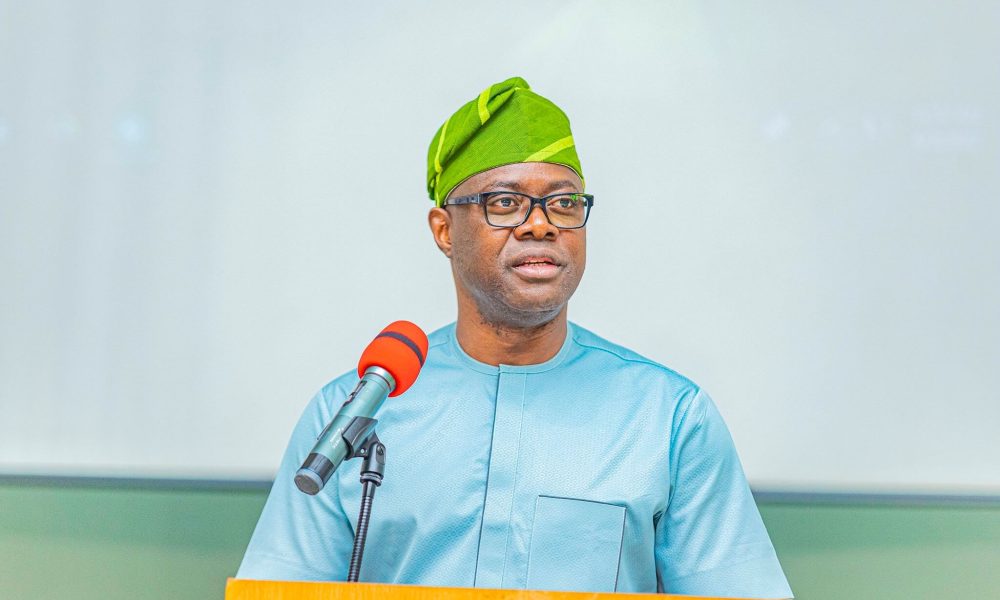
Makinde Declares People’s Choice on Oyo State Governor 2027 Successor Amid Rotation Debate and PDP Primaries Buzz
In a bold assertion that’s sending ripples through Nigeria’s political corridors, Oyo State Governor Seyi Makinde has firmly placed the power to choose the next Oyo State governor 2027 in the hands of the electorate, rejecting godfatherism and empty promises. This declaration, made during a high-stakes budget consultation in Ibadan, underscores a shift toward voter-driven democracy in the Southwest powerhouse state.
IBADAN, Nigeria – Oyo State Governor Seyi Makinde dropped a political bombshell this week, insisting that the selection of his successor in the 2027 gubernatorial race will rest squarely with the people, not shadowy influencers or hollow campaign rhetoric. Speaking at a stakeholders’ meeting on the 2026 state budget, Makinde emphasized that Oyo’s residents—now sharper and more discerning after years of governance reforms—are ready to grill candidates on real deliverables, not just slogans.
The governor’s words hit at a time when whispers of the Oyo State governor election 2027 are growing louder, fueled by debates over power rotation among the state’s zones and rising ambitions from figures like former deputy governor Rauf Olaniyan and Shina Peller, both eyeing the PDP primaries spotlight. “The days of blind loyalty are over,” Makinde declared, his voice steady amid a room packed with local leaders and budget experts. “Oyo people will demand answers: What have you built? How will you sustain it?”
This isn’t mere rhetoric. Makinde, a PDP stalwart who clinched re-election in 2023 with over 600,000 votes, has transformed Oyo’s landscape since 2019. Under his watch, the state’s economy ballooned from N2.75 trillion to N4.05 trillion by 2022, despite global headwinds like COVID-19. Internally generated revenue surged 90%, powering initiatives in education, health, and infrastructure. Recent projects include the Fasola Agribusiness Industrial Hub, which drew praise from Sierra Leone’s president during a visit last month, highlighting Oyo’s agro-export potential.
Yet, Makinde didn’t shy from broader critiques. He lambasted the federal government for painting governors as fund-hoarders, pointing out how inflation has gutted allocations’ real value. “We’ve created a business-friendly environment here,” he said, nodding to Oyo’s investment summits in London that lured global players into agribusiness and sustainable energy. These efforts aren’t just local wins; they’re part of Nigeria’s push to diversify beyond oil, a narrative that resonates far beyond Africa’s borders.
Public reactions have been swift and polarized. On social media, #Oyo2027 trended with over 50,000 mentions in 24 hours, as young voters hailed Makinde’s empowerment stance. “Finally, a leader who trusts us,” tweeted Ibadan-based activist Funmi Adebayo, echoing sentiments from youth forums. But not everyone’s cheering. APC chieftains, sensing an opening, accused Makinde of dodging accountability, with one anonymous party insider telling reporters, “This is code for PDP handpicking in the shadows.”
Experts weigh in too. Political analyst Dr. Aisha Bello, a lecturer at the University of Ibadan, called it a “masterstroke for democratic buy-in.” In an interview, she noted, “By framing the successor choice as a public referendum, Makinde shields his legacy while pressuring rivals to up their game. It’s savvy, especially with rotation demands from Oke-Ogun and Ibarapa zones gaining steam.” Bello predicts this could boost PDP primaries turnout, where contenders like Olaniyan—ousted in a 2022 impeachment drama—are rallying supporters for a comeback.
For user intent, this story taps into searches for transparent leadership and election forecasts, guiding readers toward understanding how grassroots voices shape Nigeria’s future. Management-wise, Oyo’s administration has streamlined voter education via town halls, ensuring queries on policy—like education revamps under the EU-UNESCO project—get direct responses, fostering trust.
Now, why should U.S. readers tune in? Oyo State isn’t just a Nigerian footnote; it’s a linchpin in transatlantic ties. With the U.S. as Nigeria’s top export market—pulling in $5.2 billion in goods last year, per U.S. Trade Representative data—Oyo’s agribusiness boom means more American shelves stocked with affordable cocoa, cashews, and shea butter. Stable governance here curbs migration pressures; think fewer economic refugees at U.S. borders. Politically, Makinde’s model of people-powered picks mirrors American primaries, offering lessons for U.S. Democrats eyeing youth turnout in 2026 midterms. Even in tech, Oyo’s digital hubs are training coders whose apps could disrupt Silicon Valley startups, blending African innovation with U.S. venture capital flows.
As the dust settles from Makinde’s address, eyes turn to 2026, when he’ll reportedly unveil his endorsed pick to safeguard continuity. Stakeholders left the meeting buzzing, armed with budget drafts prioritizing roads, schools, and power—priorities that could define the successor’s mandate.
In Oyo’s evolving political theater, where PDP primaries and governor rotation debates collide, Makinde’s call for voter sovereignty signals a new era. The Oyo State governor election 2027 looms as a test of enlightenment, with the people’s verdict promising to either cement progress or unravel hard-won gains. As one elder at the forum put it, “We’ve watched enough drama; now we direct the script.”
By Sam Michael
Follow us for the latest updates and subscribe to our newsletter to boost your push notifications and never miss a beat on global stories like this.